

Basics of Forex Trading for South African Traders
Learn the fundamentals of forex trading 🇿🇦, from market basics and risk management to choosing brokers and strategies tailored for South African traders 📉💹.
Edited By
Daniel Reid
When trading forex in South Africa, picking the right bank can affect everything—from how swiftly you move money to what fees you pay, and even your ability to navigate currency regulations. While many traders focus primarily on brokers or platforms, the bank that handles your forex transactions shapes your day-to-day trading experience.
South African banks vary in how they support forex trading. Some offer tailored foreign currency accounts, quick international payments, and effective customer service familiar with forex nuances. Others may have stricter compliance checks or slower remittance processes, resulting in delays or extra costs that eat into your profits.

The Reserve Bank of South Africa (SARB) regulates forex movement and currency control. When choosing a bank, traders must consider how well the institution complies with SARB’s Exchange Control Regulations—the rules governing how much money leaves or enters the country. Not all banks process forex transactions equally swiftly under these rules.
Traders also need to weigh fees like transaction charges, currency conversion margins, and account maintenance costs. For instance, a bank offering low fees but poor processing times might cause missed trading opportunities. Conversely, faster service often comes at a premium.
Forex trading isn’t just about spotting the right currency pair at the right moment; it’s also about choosing a bank that won’t tie you up in red tape or charge exorbitant fees.
Availability of multi-currency or forex-dedicated accounts
Competitive exchange rates and low transaction fees
Efficient international payment and settlement systems
Strong online banking platforms with forex-friendly features
Reputation for clear communication and responsive customer service
South Africa’s top banks such as FNB, Standard Bank, Absa, Nedbank, and Capitec each have distinct approaches to forex accounts and services. Understanding these differences helps you match your trading style and volume to the right banking partner.
Ultimately, finding the best bank for forex trading means balancing cost, convenience, compliance, and support. Keep these points in mind as you start evaluating your options locally.
Choosing the right bank for forex trading in South Africa is about more than just picking a convenient branch. You need a bank that ticks all the boxes when it comes to regulation, account features, costs, and digital integration. Each factor can directly impact your trading experience and profitability.
South African Reserve Bank (SARB) guidelines set the framework for how banks handle forex transactions, aiming to control capital flows and protect the rand. Banks that strictly follow SARB rules ensure your trades comply with local law and reduce the risk of encountering blocked transactions or unexpected freezes on your account.
The Financial Sector Conduct Authority (FSCA) oversees the conduct of financial institutions to protect consumers. A bank compliant with FSCA regulations provides reassurance that your funds are managed with transparency and ethical practices, which is crucial when dealing with international currency trades where extra caution is needed.
Bank safety should be a top priority. Established banks with a strong track record offer solid protections against fraud and insolvency. When your trading funds are significant, trusting a reputable, well-capitalised institution helps safeguard your money from operational or security issues.
Having access to a foreign currency account within your bank simplifies managing forex trades. It allows you to hold and transact directly in major currencies like USD, EUR, or GBP, reducing conversion delays and costs. For example, FNB’s foreign currency accounts provide smooth currency handling for traders.
Access to international payment systems such as SWIFT, Visa, or Mastercard means you can send and receive funds globally with fewer hiccups. Banks with established links to these networks make it easier to fund your trading accounts or withdraw profits without unnecessary delays.
Speed and ease of fund transfers are essential when timing can mean the difference between a profit or loss. Some banks offer near-instant local transfers and efficient international payments, which helps you react fast to market moves. Nedbank, for instance, provides quick online transfers that many traders appreciate.
Exchange rates vary between banks and can add up quickly if you trade regularly. Comparing these rates before committing to a bank helps lower the cost of converting your rand to foreign currency. Even fractions of a percentage point in difference can affect your bottom line over time.

Beyond rates, fees on deposits, withdrawals, and transfers can chip away at profits. Some banks charge upfront fees while others bundle costs into the exchange rate. Understanding these charges, like Absa’s published tariffs versus hidden fees, is vital for clear cost forecasting.
Your bank should be compatible with major forex brokers used in South Africa, such as IG or HotForex. This compatibility ensures smooth movement of funds between your bank and trading platform without manual intervention or long waits.
Online banking services and dedicated mobile apps allow you to monitor and manage your forex accounts anytime, anywhere. Features like real-time balance updates, transaction alerts, and quick transfers enhance your ability to stay on top of trading activity despite South Africa’s occasional connectivity hiccups or loadshedding.
Selecting a bank that covers these key aspects can give you a smoother, safer, and more cost-effective forex trading experience in South Africa.
Choosing the right bank can play a massive role in how smoothly your forex trading unfolds. The big four banks in South Africa offer different forex services, each with strengths that can support a trader’s needs. Whether it’s managing foreign currency accounts or access to offshore investments, understanding what these banks bring to the table helps you make a smarter choice.
Standard Bank has a long-standing presence in forex trading. It provides specialised foreign exchange services that suit both retail and institutional traders. One of its standout features is a robust online platform that supports easy access to multiple foreign currencies, making deposits and withdrawals convenient. Plus, Standard Bank’s forex desk offers competitive exchange rates and personalised advice, which is handy for traders who want guidance on timing and currency trends.
Nedbank is known for its tailored approach to foreign exchange clients. Apart from regular forex accounts, Nedbank offers foreign currency overdrafts and multicurrency trade finance products. This flexibility benefits traders who engage frequently in cross-border transactions. Nedbank’s online banking includes features that integrate well with trading platforms, giving you swift access to funds and currency conversions. They also provide detailed daily forex reports, which can help you keep an eye on currency fluctuations.
FNB (First National Bank) offers practical solutions ideal for active forex traders. Its foreign currency accounts support multiple currencies including USD, EUR, and GBP. FNB’s digital banking experience is top-notch, with mobile and online apps allowing quick transfers and rate alerts. Plus, FNB's partnership with business brokerage platforms can make it easier to coordinate trades and bank transactions. The bank also supports forex trading through dedicated customer support that understands the unique needs of traders.
Absa provides a wide selection of forex services ideal for traders who require broad options. Their foreign currency accounts come with multi-currency debit cards, which can be useful for travellers or investors operating offshore. Absa also supports swift international payment systems and keeps transaction costs competitive. Importantly, Absa often offers traders access to expert advice through its foreign exchange divisions, to help curb losses in volatile market conditions.
Dedicated foreign exchange departments exist in these banks to serve forex traders with focused expertise. These departments handle complex currency transactions, provide market insights, and often negotiate better rates for larger trades. Having access to a specialised team means your forex transactions are managed more efficiently, reducing errors and delays. For example, Standard Bank and Nedbank have departments staffed by forex specialists who offer more than just transactional support—they provide strategic input on currency movements.
Support for offshore trading and investments is vital for forex traders engaging beyond South African borders. Banks like Absa and FNB facilitate offshore accounts and enable repatriation of funds within South Africa’s exchange control rules. This is essential for traders looking to diversify internationally or to trade in currencies not readily available on the local market. These banks also assist with compliance requirements and the necessary paperwork, which can often be a headache without proper guidance.
Selecting a bank with strong forex expertise and specialised services can save you time and money, while also helping you navigate the tricky waters of international currency trading.
In short, understanding what major South African banks offer forex traders gives you an edge. Choosing a bank that fits your trading style and needs shouldn’t be an afterthought—it’s part and parcel of successful forex trading.
Managing costs and risks through your chosen bank plays a big role in your overall forex trading success. Banks act as gatekeepers for your currency transactions, and fees or delays can eat into your profits. More importantly, risks linked to currency fluctuations and security breaches can have a tangible impact if not addressed well. Keeping a sharp eye on these elements helps you plan smarter and trade more confidently.
Banks typically charge fees for deposits, withdrawals, currency conversions, and fund transfers linked to forex trading. For example, some banks might offer foreign currency accounts but apply a flat fee for each transfer or a percentage on conversion. Others may waive fees if you maintain a certain monthly balance. It's worth asking your bank for the full breakdown because these costs can add up quietly if you trade frequently.
The structure varies: standard charges might include a R50 to R150 fee per international transfer, plus currency exchange margins that can range from 0.5% to 3%. Unpacking these costs upfront helps you understand which bank suits the volume and style of your trading. For instance, a trader moving large sums might prefer a bank with lower percentage fees even if the fixed charges are slightly higher.
High fees directly reduce your trading profits. Say you buy EUR using rand frequently; even a small difference of 1% in conversion rates or fees can mean thousands of rand lost per month. Over a year, this steadily chips away at gains made in the volatile forex market. Keeping costs down through careful bank selection improves your net outcome. Plus, some banks offer bundled forex packages or preferential pricing for active traders, which might be worth considering.
Rand fluctuations directly influence your forex trade results. If the rand weakens during your holding period, it could spell a loss on your investment when swapping back to ZAR—no matter if the foreign currency itself rose in value. On the flip side, a stronger rand can eat into potential profits, catching many traders off guard.
South Africa also enforces exchange control regulations that limit how much capital can be moved abroad without approval. For example, individuals typically have an annual allowance of R10 million for offshore investments, including forex trading. Exceeding this needs clearance from the South African Reserve Bank (SARB), adding administrative steps and potential delays. This framework is designed to manage rand flow and reduce financial risks on a national scale.
Understanding these controls is more than bureaucracy; knowing the limits and reporting requirements lets you avoid penalties and unexpected freezes on your accounts. Banks generally handle these protocols, but traders must stay informed to ensure compliance and smooth operations.
Banks invest heavily in security to protect forex traders from fraud. These safeguards usually include multi-factor authentication, real-time transaction monitoring, and encryption of sensitive data. For example, major South African banks like Standard Bank and FNB use two-step verification and automated alerts for unusual transaction patterns, minimising the risk of unauthorised access.
That said, staying vigilant yourself is essential. Some simple yet effective tips include regularly updating your passwords, not sharing login details, and using secure networks instead of public Wi-Fi when managing forex accounts. Also, keep copies of transaction records offline and monitor your bank statements closely for any inconsistencies.
Forex trading already involves market risks, but avoiding preventable losses from fraud is well within your control by choosing a bank with solid security protocols and practising good account hygiene.
Combining bank-assured security with your caution helps keep your forex funds safe and trades uninterrupted.
When you're trading forex in South Africa, knowing how to work smartly with your bank can make a real difference. Beyond picking the right bank, mastering practical aspects like account management, timing, and handling local challenges improves your trading routine and can save you money. Let’s explore some hands-on tips that help you use your bank efficiently for forex transactions.
Choosing the right account type is a good place to start. Not all bank accounts are created equal, especially when dealing with foreign currencies. A foreign currency account lets you hold funds in dollars, euros, or pounds without constant conversions. This can reduce currency conversion costs and give you quicker access to capital when executing trades. For instance, Standard Bank and FNB offer foreign currency accounts that are suited for active forex traders. If your trading volume is low, however, a normal transactional account with favourable currency conversion rates might suffice.
Timing transactions to get better rates also matters. Forex markets move quickly, and rand exchange rates fluctuate during the day due to global events and local factors like political news or Eskom’s load management stages. Keeping an eye on the market and planning your fund transfers during peak trading hours — when liquidity is high — could fetch you slightly better rates. For example, initiating transfers during overlap hours between London and New York markets often means tighter spreads. Avoid hopping in during volatile moments unless you have a sound reason, as banks may charge premiums or your conversion rate can worsen.
Loadshedding can interrupt your access to online banking platforms, putting your forex dealings at risk if not managed carefully. Ensuring access to online banking during power cuts involves practical steps like having a mobile data backup for your home Wi-Fi or installing a UPS (uninterruptible power supply) to keep your router running during short outages. If you’re trading from a place with frequent load shedding, consider using your mobile network on a smartphone or tablet for transactions; banks like Absa have mobile apps optimised for low data and spotty connections.
Another key is backing up important documents and transaction records regularly. Keep digital copies of bank statements, trade confirmations, and forex contract notes both on cloud services and offline devices. In cases of power or internet failure, you still have access to your financial info for dispute resolution or tax purposes. For instance, using Google Drive or Microsoft OneDrive alongside an external hard drive gives double assurance. It also helps if you ever need to update your bank or broker quickly without delays.
Smooth co-ordination between brokers and banks is essential. Brokers rely on timely fund deposits and withdrawals to keep trades flowing. Ensuring your bank account details are correctly registered with your broker, and that you understand the processing time for cross-border transfers, avoids unnecessary delays. For example, if your broker uses offshore accounts, clarifying how South African banking rules apply to your transfers can save time and fees. It pays to communicate regularly with both parties to solve hiccups fast.
Lastly, choosing brokers with strong South African banking ties makes transactions simpler and often cheaper. Brokers with local bank accounts or partnerships cut down transfer times and fees. Take one affiliated with major banks like Nedbank or Standard Bank — your funds travel quickly through South African channels without getting stuck in foreign banking systems. That can be a lifesaver during market volatility when every minute counts.
Practising these tips not only reduces costs and hitches but also keeps your forex operations running smoothly despite local challenges like load shedding or rand fluctuations. Being proactive makes you a better trader in the RSA environment.
Following straightforward steps to use your bank efficiently can take the edge off some common headaches forex traders face in South Africa, ultimately helping you focus on what matters: your trading decisions and strategies.
Learn the fundamentals of forex trading 🇿🇦, from market basics and risk management to choosing brokers and strategies tailored for South African traders 📉💹.
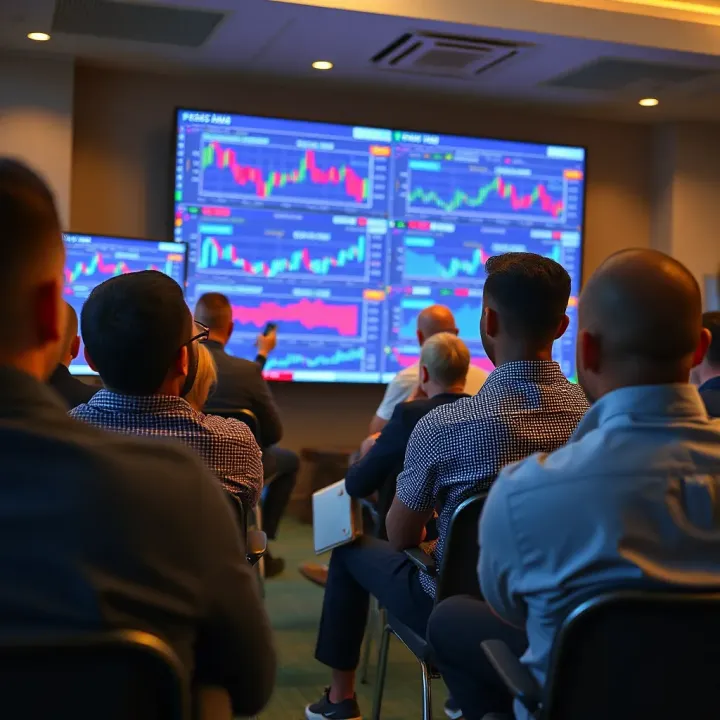
Learn how forex trading seminars in South Africa can boost your skills 📈 Discover top providers, key topics, and tips for maximizing your trading education.
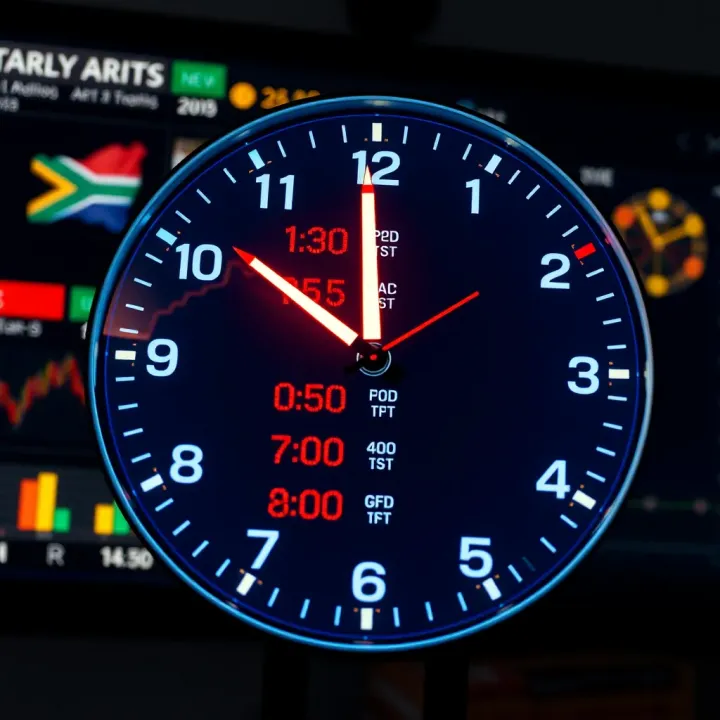
📈 Learn the key forex trading sessions impacting South African markets, understand their timing and volatility, and get practical tips to sharpen your trading strategies.

Discover how forex trading seminars in South Africa boost your skills 📍 Learn to pick the right event, understand costs, and trade smarter 💡
Based on 14 reviews