
Understanding Forex Trading Money in South Africa
Learn how to manage your forex trading money effectively in South Africa 🇿🇦. Explore capital needs, risk control, funding, costs and local rules to trade confidently 💰
Edited By
Amelia Hughes
Forex trading lets you buy and sell currencies to make a profit. Unlike investing in shares or property, forex works 24 hours, five days a week, opening up flexible chances for traders. But it’s not just about luck – understanding how to read the market and manage risk is key.
In South Africa, many traders are drawn to forex because of its accessibility and potential for quick returns, especially with the Rand’s volatility. Yet, jumping in without a plan can lead to losses faster than you expect. So, knowing the basics before putting real money on the line makes a big difference.
A good starting point is to choose a reputable broker. Look out for ones registered with the Financial Sector Conduct Authority (FSCA) to ensure your funds are protected and trades are fair. Brokers like IG, Plus500, and EasyEquities offer trading platforms suitable for beginners and experienced traders alike.
Next, you’ll want to learn the trading terms and tools. Get comfortable with currency pairs, pips, leverage, and spreads. For instance, trading USD/ZAR (US Dollar vs South African Rand) is popular locally as it reflects local economic shifts and global factors.
Remember: Higher leverage means higher risk. If you’ve got R10,000 and your broker offers 1:100 leverage, you’re effectively controlling R1,000,000 in the market. While the gains can be impressive, so can the losses.
Starting with a demo account helps you practise without losing money. Test strategies like support and resistance levels or moving averages to see what clicks for your style.
Risk management is vital. Setting stop-loss orders—a tool that automatically closes your trade when losses hit a certain point—can protect your capital. Also, never risk more than 1-2% of your trading capital on a single trade.
Finally, keep an eye on global events, local economic data, and interest rate decisions by the South African Reserve Bank and the Federal Reserve in the US. These can shake the forex market and create opportunities or risks.
With clear planning and smart choices, forex trading in South Africa can be a rewarding venture rather than a gamble.
Diving into forex trading without a solid foundation is like setting off on a long road trip without a map. This section lays out the essentials to help you navigate the forex landscape confidently. Understanding the market mechanics and setting up your trading account correctly can save you from costly mistakes early on.
The forex market operates through currency pairs, where one currency is exchanged for another. For instance, the USD/ZAR pair shows how many South African Rands (ZAR) are needed to purchase one US Dollar (USD). The exchange rate fluctuates constantly due to supply and demand, influenced by economic and political factors. This pairing concept is fundamental because your profit or loss depends on correctly predicting the direction of this exchange rate.
Globally, forex trading is decentralised, running 24 hours a day across different financial hubs—from Sydney to London to New York. This non-stop operation means the market never truly sleeps, providing opportunities at nearly any hour. For South African traders, understanding when different sessions overlap can be a game-changer; for example, the overlap between the London and New York sessions often brings increased volatility and liquidity.
Knowing trading sessions is important as well. The forex day starts with the Asian session, moves on to the European (including London), and finishes with the North American session. South African traders typically find the London session most relevant due to time zone proximity, usually starting around 9 am SAST. Traders sometimes plan their day around these sessions to catch the most movement and better trading opportunities.
Picking the right broker is foundational. You want an established broker regulated by bodies recognised in South Africa or internationally, which ensures your money is safe and trading practices are fair. Reputation matters too—read reviews and check their fee structures. For example, brokers like ThinkMarkets or IG have a presence in South Africa and provide access to relevant currency pairs and solid platforms.
South African traders must also consider compliance with local laws, including RICA (Regulation of Interception of Communications and Provision of Communication-Related Information Act) and FICA (Financial Intelligence Centre Act). Brokers require you to submit personal documents like your ID, proof of residence, and proof of income. This process isn’t just red tape—it protects against fraud and money laundering, so be ready to provide these to start trading smoothly.
Most brokers offer demo accounts, which let you practise trading with virtual money. This is ideal to test strategies and get familiar with the platform without risking your cash. However, real trading happens in live accounts where actual money is at stake. The psychological difference between trading a demo and a live account is huge; discipline and money management become critical when your hard-earned Rands are on the line.
Starting smart with a clear understanding of the forex market and setting up your trading account correctly can build confidence and set you on the right path towards profitable trading.
In the next sections, we’ll explore strategies to grow your returns and how to manage risks effectively.
To make steady gains in forex trading, it’s not enough to simply guess which way currency prices will move. You need clear, practical strategies to identify opportunities and manage trades effectively. Good strategies blend technical and fundamental analysis to inform your decisions. Without these skills, trading can quickly become a shot in the dark — especially in a fast-moving market like forex.
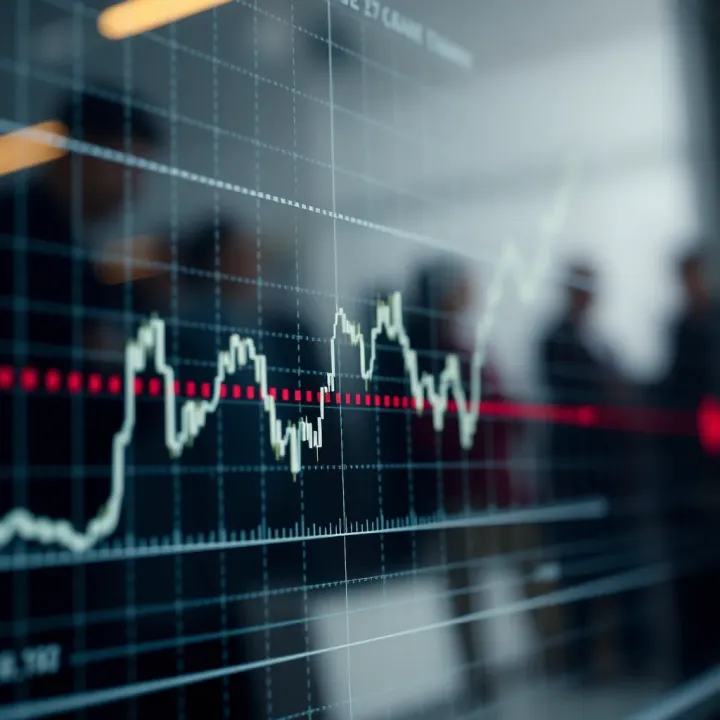
Reading charts and understanding indicators is the backbone of technical analysis. Charts display price movements over time, allowing you to spot trends and patterns. For example, a daily chart of the South African rand (ZAR) against the US dollar (USD) shows how the exchange rate changes day by day. Indicators like moving averages smooth out price fluctuations, helping you identify overall trends rather than day-to-day noise.
Indicators also include oscillators like the Relative Strength Index (RSI), which signal whether a currency pair might be overbought or oversold. This can hint at upcoming reversals or continuation of trends. By combining charts with indicators, you sharpen your timing for entering or exiting trades, which can boost profitability.
Common patterns to identify entry and exit points boil down to recognising price behaviours that typically repeat. For instance, a "head and shoulders" pattern often signals a reversal in trend — if the ZAR/USD pair shows this pattern, it might be time to close a long position or open a short one.
Other patterns like "double tops" or "triangles" help traders anticipate breakouts or pullbacks. Spotting these patterns early gives you an edge, allowing you to enter before large market moves and exit before a pullback erodes your gains.
Using tools like moving averages and RSI lets you quantify market momentum and direction. A simple moving average (SMA) calculates the average price over a set period, say 20 days, offering a baseline trendline. When the price crosses above the SMA, that might indicate a buying opportunity.
The RSI measures momentum on a scale from 0 to 100. Values above 70 suggest overbought conditions, while below 30 indicates oversold. If the RSI dips below 30 on the GBP/ZAR pair, for example, you might anticipate a bounce back, making it a chance to buy cheaply.
Both tools are widely used because they’re straightforward and apply across currency pairs. For South African traders, combining these with knowledge of local market drivers can make your technical strategy sharper.
Forex markets respond strongly to economic data and geopolitical events. Things like GDP growth figures, unemployment data, or political instability can send currencies sharply higher or lower. For example, unexpected drops in South Africa’s mining output can weaken the rand as investors react to potential economic slowdown.
Political developments like changes in government policies, or social unrest in key provinces, also create volatility. Keeping an eye on such events allows traders to anticipate risk or opportunity beyond what charts reveal.
Monitoring interest rates and central bank announcements is critical. The South African Reserve Bank’s (SARB) decisions on the repo rate influence the rand directly. When SARB raises rates, the rand usually strengthens because higher yields attract foreign capital.
Compare this to US Federal Reserve moves: if the Fed hikes rates while SARB holds steady, the rand may weaken against the greenback. Traders who watch these announcements can position accordingly, either preparing for increased volatility or protecting existing trades.
Finally, South African economic factors influence currency pairs uniquely. Variables like the country’s trade balance, gold and platinum prices, and electricity supply issues (loadshedding) affect the rand's strength.
For instance, worsening loadshedding reduces industrial output, putting pressure on the ZAR. Likewise, shifts in commodity prices that South Africa exports (gold, coal) often correlate with the rand’s movements. Successful forex traders in Mzansi tie these fundamentals back to their trading strategy for a more comprehensive view.
Mastering both technical and fundamental strategies is key to spotting profitable trades and managing risks effectively in the forex market. Both perspectives complement each other and offer a clearer picture of the market.
Protecting your capital is key to lasting success in forex trading. Without proper risk management, even a series of winning trades can quickly turn into big losses. By setting clear rules and limits, you keep your trading sustainable and control the impact of market swings.
Setting stop-loss and take-profit levels helps you lock in profits and cap potential losses before the market moves against you. For example, if you buy the USD/ZAR at 18.50, placing a stop-loss at 18.30 means your maximum loss is limited to 20 cents per unit. Equally, setting a take-profit at 18.80 ensures you cash out when the price hits your target. This approach prevents emotional decisions and safeguards your investment in volatile market conditions.
Position sizing and leverage considerations are vital. Taking on a trade that’s too big for your account increases risk dramatically. If your account holds R10,000, risking R500 on a trade is safer than risking R2,000. That said, leverage amplifies both gains and losses. For South African traders, many brokers offer leverage up to 1:100, but using this without careful calculation is like driving a bakkie at top speed on slippery roads—high-risk and potentially disastrous. Always size your positions realistically relative to your available capital.
Avoiding common emotional trading mistakes such as revenge trading or overtrading can protect your gains. When a trade goes wrong, it’s tempting to immediately open another to recover losses. But this often leads to poor choices and compounding losses instead. Sticking to your plan and accepting losses as a cost of doing business keeps your mindset steady and your account intact.
Developing a disciplined trading plan is your best defence against knee-jerk decisions. This plan should state your risk limits, entry and exit criteria, and acceptable losses. Treat it as a braai recipe—skip steps, and the results will be off. By following your plan, you avoid chasing the market or giving in to FOMO (fear of missing out).
Managing losses without panic means recognising that setbacks are part of trading. Rather than doubling down or freezing, review the loss calmly to see what went wrong. For instance, if a sudden Eskom loadshedding announcement moves the rand sharply, it’s not your fault. Responding logically, not emotionally, helps you regain balance and plan the next move.
Learning from past trades allows you to refine your methods and avoid repeating mistakes. Keep a trade journal noting why you entered a position, your exit, and the outcome. Over time, patterns emerge—perhaps certain indicators work better during high volatility or certain pairs are more predictable. This insight builds trading skill and confidence.
Risk is part and parcel of forex trading, but how you manage it makes all the difference. Protecting your investment through solid risk controls sets the stage for steady progress rather than luck-driven swings.
Technology plays a vital role in modern forex trading, especially for South African traders looking to stay competitive in a fast-moving market. The right tools can boost your efficiency and accuracy, helping you seize profitable opportunities while managing risks better. Platforms, automated systems, and alerts all serve as extensions of your trading brain, cutting down on manual work and keeping you updated around the clock.
South African traders commonly use platforms like MetaTrader 4 (MT4), MetaTrader 5 (MT5), and cTrader. These platforms are popular due to their user-friendly interfaces, stability, and comprehensive support for various trading strategies. Many brokers registered under the Financial Sector Conduct Authority (FSCA) offer these platforms, giving you a reliable environment to execute trades with lower latency times.
These platforms come loaded with features that aid analysis and trade execution. You get access to real-time charts, a range of technical indicators such as moving averages and Bollinger Bands, and tools for drawing trend lines or Fibonacci retracements. On the execution side, features like one-click trading, trailing stops, and partial order fills allow swift decision-making, which is crucial when currency prices change rapidly.
Trading platforms are available both on desktop and mobile devices, giving traders flexibility. A desktop version usually offers more detailed charting capabilities and faster order execution, ideal if you trade full-time or analyse complex patterns. Mobile apps, on the other hand, keep you connected on the move, especially useful for following market news and managing open positions during your commute or braai gatherings.
Automated trading systems — often called forex bots or Expert Advisors (EAs) — can remove emotion from trading by executing trades based on set criteria. These systems can operate 24/7 without fatigue, which might catch trades you’d miss manually. However, they come with downsides: bots require regular monitoring to avoid errors, and over-reliance may lead to missed learning opportunities since you might not understand the reasons behind every trade.
Alert features are invaluable for keeping an eye on market shifts without sitting in front of a screen all day. You can set alerts for price levels, economic news, or technical indicator changes. Alerts come through SMS, email, or push notifications, ensuring you’re timely informed and can react swiftly whether at work or enjoying a weekend away.
Integrating technology effectively means matching tools to your personal trading style. If you prefer a hands-on approach, using charting software alongside alerts might work best. For those inclined towards algorithmic strategies, combining automated systems with manual oversight can be the optimal balance. In any case, technology should complement your judgement rather than replace it.
Smart use of trading technology in South Africa means striking a balance — automate where it adds value, but keep an eye on the market yourself to stay sharp and in control.
By embedding these tech advantages in your trading routine, you stand a better chance of improving your forex returns, handling risk prudently, and adapting quickly to changing market conditions.
Being well-informed and consistently working on your trading skills play a big role in success on the forex market. Conditions shift frequently, influenced by global events, economic announcements, and local developments in South Africa. To stay ahead, you need fast access to accurate information and a habit of learning from your own trades.
Reliable sources for forex news in South Africa include financial news outlets like BusinessTech, Moneyweb, and News24 Business, alongside global providers such as Bloomberg and Reuters. These sources offer timely market reports, exchange rate updates, and coverage of key economic events affecting currencies. Following the SA Reserve Bank’s announcements is particularly important given their influence on the rand.
Economic calendars, available on platforms like Investing.com or local broker websites, list upcoming data releases and events such as inflation figures, GDP stats, and interest rate decisions. Understanding these calendars helps you prepare for potential market volatility. For example, when South Africa’s Consumer Price Index data drops, the rand might get a boost if inflation eases, so you'd plan your trades accordingly.
Using news to anticipate market shifts means connecting headlines and data with likely effects on currency pairs. For instance, political tensions in a key trading partner country could suddenly weaken its currency, affecting forex pairings connected to the rand. Keeping track of these developments lets you react quickly instead of being caught off guard.
Staying current with news isn’t just about reading; it’s about interpreting what moves markets and adjusting your strategy in real time.
Educational resources come in many forms—from online courses by South African providers like TradeForexSA to webinars and guides offered by brokers like IG or EasyEquities. These resources deepen your understanding of technical and fundamental analysis, helping you spot trading opportunities with more confidence.
Joining trading communities such as SA Forex Forum or local WhatsApp groups gives you a chance to discuss strategies, share insights, and learn from others’ experiences. You might pick up on trends or tactics unique to the South African market that you wouldn’t find easily on your own.
Reviewing and refining your trading strategies regularly is key to staying profitable. Keep a trading journal noting your trades, why you took them, and the outcomes. Over time, patterns emerge showing what works and what doesn’t, allowing you to ditch poor choices and tweak your approach for changing market rhythms.
Consistent learning and staying tuned into market news form the backbone of lasting success in forex trading. Without them, even the best strategies can lose their edge quickly.
Learn how to manage your forex trading money effectively in South Africa 🇿🇦. Explore capital needs, risk control, funding, costs and local rules to trade confidently 💰
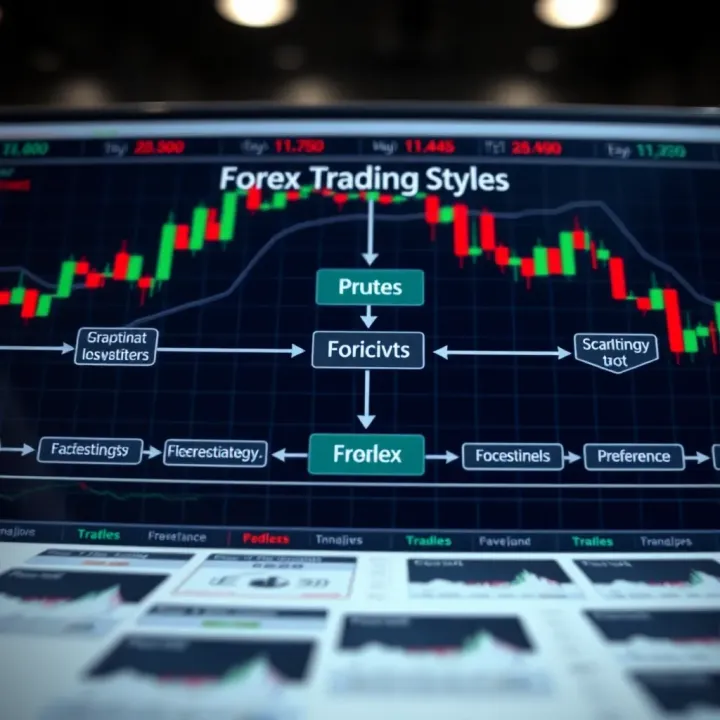
🌍 Explore the main types of forex trading — spot, futures, options, and more. Learn how each works and key points to help you decide your best trading style.

💹 Ready to trade forex from Pietermaritzburg? Learn local tips, choose the right broker, and manage risks with a focus on South African market conditions and regulations.
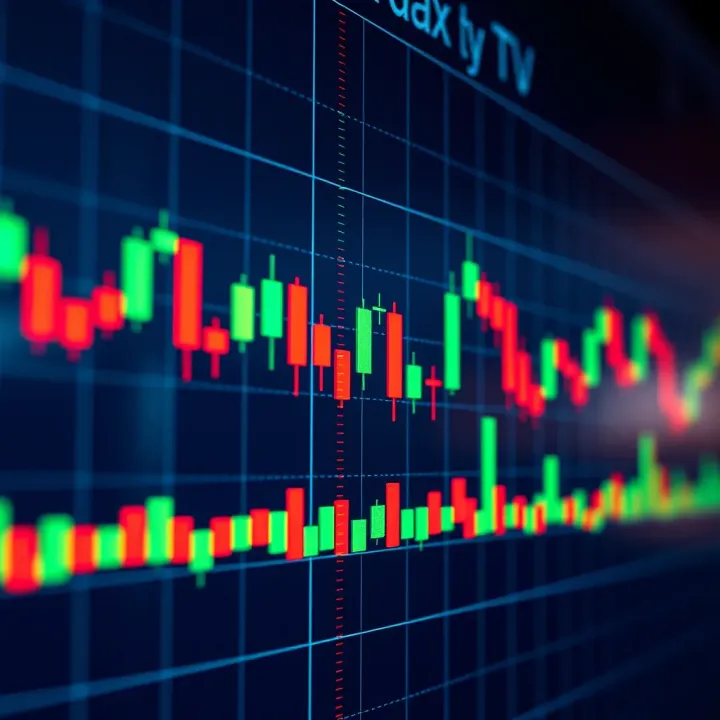
📈 Master forex trading graphs with clear explanations of chart types, key indicators, and common patterns tailored for South African traders seeking smarter decisions.
Based on 13 reviews