
Forex Trading Guide for Durban Traders
📊 Navigate forex trading in Durban with ease! Learn about local market tips, choosing brokers, legal do's, risk management & practical strategies for South African traders.
Edited By
Emily Dawson
Forex trading in Pietermaritzburg opens a window to the global currency scene without leaving your doorstep. Unlike traditional investing, forex lets you buy and sell currencies around the clock, a handy feature for traders in bustling cities like Pietermaritzburg where local market hours might clash with international events.
To start, it’s wise to understand how forex pairs work. You’re not just trading rand (ZAR) against dollars (USD) but could be dealing with pairs like EUR/GBP or USD/JPY, where your profit or loss depends on fluctuations in exchange rates. The volatile nature of forex markets means you need solid tools and sharp knowledge to keep risks manageable.
Locally, South African traders should pick brokers regulated by the Financial Sector Conduct Authority (FSCA). This oversight helps protect your funds and ensures fair practices. Plus, look for brokers who offer trading platforms suited for your style, like MetaTrader 4 or 5, with access to forex charts, news, and real-time quotes tailored to South African market hours.
Risk management is another pillar. Use stop-loss orders to cap potential losses and avoid overleveraging, especially since South African traders often face exchange control regulations limiting how much rand you can move abroad. Understanding these limits upfront can save you headaches and penalties.
Remember, forex trading is not a get-rich-quick scheme. Building skills through demo accounts, attending workshops, or joining trader communities can boost your chances of success.
Practical steps for Pietermaritzburg traders:
Open an account with an FSCA-registered broker offering local currency deposits.
Begin with a demo account to learn without exposing capital.
Stay updated on global factors affecting currency pairs, like U.S. Federal Reserve decisions or emerging market shifts.
Use trading strategies that fit your risk appetite, such as swing trading for those who can’t monitor the market all day.
By blending global awareness with knowledge of South African regulations and local broker options, you can navigate forex markets with confidence. This guide aims to give you the practical edge needed for trading right here in Pietermaritzburg.
Getting a firm grip on the basics of forex trading is vital before you put rand on the line. This section breaks down what exactly forex trading is, how currency pairs function, and the specific hours when you can access the market from Pietermaritzburg. Understanding these fundamentals will prepare you to make informed decisions and spot opportunities without getting lost in jargon.
Forex trading, or foreign exchange trading, involves buying one currency and simultaneously selling another. It’s the biggest financial market globally, with trillions of rands changing hands daily. For example, if you believe the euro will strengthen against the US dollar, you’d buy EUR/USD. If the euro rises as expected, you can sell for a profit. Pietermaritzburg traders participate alongside global investors, speculators, and even multinational companies who want to protect against currency risks.
This market never actually involves physical cash handovers; it’s all electronic. So, unlike going to a bureau de change in town, your trades happen instantaneously through digital platforms. The forex market is especially active, offering liquidity and flexibility, making it attractive to retail traders in Pietermaritzburg.
Currencies always trade in pairs because one is exchanged for another. The first currency listed is the base currency, while the second is the quote currency. For instance, in GBP/ZAR, the British pound (GBP) is the base, and the South African rand (ZAR) is the quote.
If GBP/ZAR is quoted at 20.50, it means one pound costs 20.50 rand. If you think the pound will strengthen, you buy. If it weakens, you sell. Changes in the pair’s price reflect shifts in demand for these currencies caused by various factors like interest rates, economic reports, and political events.
Understanding this can help you make strategic moves. For example, during a period of rand weakness, buying USD/ZAR might prove profitable. Traders in Pietermaritzburg often watch local economic indicators alongside global news to gauge currency trends.
Unlike stock markets, forex operates 24 hours a day during weekdays, thanks to its global nature. The market opens on Sunday 10 pm SAST and closes on Friday 10 pm SAST, with no trading on weekends.
Specific sessions include the Tokyo (Asian), London (European), and New York (American) sessions. The London session, opening from 9 am to 5 pm SAST, tends to be the most active, often coinciding with volatile moves.
For Pietermaritzburg traders, this means you can trade at times that fit your personal schedule. Whether you’re an early riser catching the London open or prefer trading in the evening during New York hours, the market’s accessibility suits diverse lifestyles.
Keep in mind: South African internet infrastructure and stable connectivity play a significant role in ensuring quick execution of trades during these sessions—something local traders should always consider.
Understanding these trading basics makes the complicated forex market a little less intimidating and more approachable for those starting out in Pietermaritzburg.
Getting started with forex trading in Pietermaritzburg requires a mix of local insight and practical steps. The city's rising interest in forex is driven by increasing internet access, curiosity about global markets, and the need for diversified income streams. For locals, opening a trading account and picking the right tools isn’t just about convenience—it’s about navigating local regulations, funding methods, and market hours tailored to South African time.
Opening a trading account in Pietermaritzburg is straightforward but requires some care. First, you’ll need to verify your identity and address, usually with your South African ID, proof of residence, and a bank statement. This aligns with Financial Intelligence Centre Act (FICA) regulations designed to curb money laundering. Several brokers welcome South African clients, such as IG Markets, EasyEquities, and local platforms like FXTM.
Once your documents are in order, the online application process typically involves filling out personal details and agreeing to the broker’s terms and conditions. Don’t skip on reading the fine print—look out for spreads, commissions, and withdrawal processing times. After approval, you usually get demo account access to practise before risking real money.
Selecting a broker and platform is crucial. Beyond just flashy interfaces, focus on licensing, regulation, and fees. South Africans should look for brokers regulated by the Financial Sector Conduct Authority (FSCA) or reputable international bodies like the FCA or CySEC. This reduces the chances of scams, which unfortunately pop up from time to time.
Trading platforms like MetaTrader 4 and 5 are popular because they support a wide range of forex pairs and provide robust charting tools. Interactive Brokers and IG also offer user-friendly platforms with mobile apps, important for trading on the go from Pietermaritzburg.
Minimum deposit requirements vary, but many brokers let you start with as little as R1,000. It’s advisable to begin with a modest amount you can afford to lose, especially while learning. Larger capital requirements often come with added perks like lower spreads and VIP support.
Funding your account locally is convenient with options like EFT (Electronic Funds Transfer) from major banks such as FNB, Nedbank, or Standard Bank. Some brokers also accept payments via credit cards or digital wallets like Skrill. Be aware that some funding methods might attract fees or delays — EFTs often take a day or two, while card payments are instant.
When starting out, patience is key. Setting up properly and choosing the right broker to suit your trading style will save headaches later on.
In summary, starting forex trading in Pietermaritzburg means balancing legal compliance, smart platform choice, and practical funding strategies. With reliable brokers and appropriate capital, traders in Mzansi’s sunshine city have solid grounds to enter the global forex arena confidently.
When trading forex from Pietermaritzburg, there are several unique factors you'll need to keep on your radar. Understanding these can help you navigate the market more confidently and avoid unnecessary pitfalls. These considerations range from the city's internet infrastructure to South Africa's strict exchange control rules and tax requirements.
Reliable internet is the backbone of any successful forex trade. Pietermaritzburg has decent network options, including fibre and LTE, but access varies across neighbourhoods. Traders must choose an internet service provider that offers stable speeds with minimal downtime—especially during active trading hours. For instance, fibre providers like Vumatel and Frogfoot service parts of the city and offer low latency, which is crucial when executing fast trades.
Unstable connections can cause delays, slippage, or even failed transactions, which can eat into profits or increase losses. Many beginners underestimate the importance of having backup options like mobile data or a secondary Wi-Fi line. Traders should also ensure their devices are well-maintained and updated to handle the demands of real-time software platforms.
South Africa’s exchange control rules aim to regulate cross-border financial flows. As a trader based in Pietermaritzburg, you must comply with the limits imposed by the South African Reserve Bank (SARB). For example, individuals have an annual discretionary allowance of R1 million they can send abroad without special approval; beyond this, prior permission is needed.
This allowance affects how much capital you can move to offshore brokers or receive from international sources. If you plan to use a foreign forex platform, ensure you understand these regulations to avoid penalties or delays in funding your account. Some local brokers offer offshore accounts or mirror accounts that help navigate these challenges more smoothly.
Forex profits are taxable under South African Revenue Service (SARS) laws, but the classification can be tricky. Typically, if trading is your source of income, profits are taxed as normal income under PAYE. On the other hand, if you trade casually or as a hobby, profits may be taxed as capital gains, which usually benefits from a lower effective rate.
Keeping detailed records of every trade, including dates, amounts, and outcomes, is vital. SARS expects accurate reporting to avoid surprises during assessments. For instance, a Pietermaritzburg trader making R150,000 profit in a year should consult a tax expert to properly declare earnings and understand allowable deductions related to trading expenses like data costs, software subscriptions, or training.
Staying informed on these factors isn’t just about playing by the rules—it’s about protecting your investments and ensuring sustainability in the forex world.
Decent internet, understanding exchange controls, and managing tax obligations well are the pillars on which Pietermaritzburg traders can build a successful forex practice. With the right preparations, you can trade confidently and make the most of opportunities in the dynamic currency markets.
Understanding trading strategies that suit Pietermaritzburg’s environment can help make forex trading smarter and more responsive to local factors. Traders benefit from tailoring their approach considering times when the global market overlaps with South African trading hours and how local economic news might move currency pairs involving the rand (ZAR). For instance, volatility often spikes during SARB (South African Reserve Bank) interest rate announcements or changes in commodity prices, which heavily influence the rand.
Technical analysis works well when traders use tools that fit their trading style and the currency pairs they focus on. Popular chart indicators like the Relative Strength Index (RSI), Moving Averages (MA), and Bollinger Bands provide signals on momentum and possible price reversals. In Pietermaritzburg, many traders monitor the RMB (rand/major pair) closely using the 50-day and 200-day moving averages to spot long-term trends or sudden breaks.
Also, Fibonacci retracement levels assist in identifying support and resistance points, particularly for volatile pairs like USD/ZAR and EUR/ZAR. Combining several indicators reduces false signals, a common issue when markets get choppy due to unexpected political or economic news.
South African traders need to keep an eye on fundamental drivers like interest rate changes by SARB, inflation rates, and international trade data, especially with China and the US. Since South Africa is a commodity-exporting economy, rand strength often correlates with global prices of gold, platinum, and oil.
For example, a drop in gold prices frequently weakens the rand, prompting forex traders to adjust their positions quickly. Political developments, such as Cabinet reshuffles or municipal elections, can also affect investor confidence and lead to sudden currency moves.
Staying updated with local business news and SARB statements is as vital as following the global economic calendar.
Effective risk management is essential, especially considering occasional local challenges like inconsistent internet connections due to loadshedding. Many traders here use stop-loss orders to limit downside exposure and avoid emotional decisions during sudden price movements.
Position sizing is another key technique: never risking more than 1-2% of your trading capital on a single trade helps preserve your funds during losing streaks. Additionally, diversifying across different currency pairs—such as trading both ZAR and non-ZAR pairs—can spread risk.
Setting daily or weekly limits on losses and profits keeps trading disciplined, preventing reckless behaviour when the market heats up. In short, managing risk means protecting your wallet and following a plan, not chasing quick wins.
Overall, successful trading in Pietermaritzburg blends technical know-how, awareness of local economic factors, and solid risk controls that consider the specific realities of this city and South Africa’s unique market conditions.
Forex trading in Pietermaritzburg brings unique challenges that every trader needs to be aware of. Recognising these pitfalls early helps you protect your investment and sharpen your trading approach. Let’s explore some common issues and how they affect local traders.
The rise of online trading platforms means it’s easy to open accounts, but not all brokers are trustworthy. South African traders must deal with unregulated operators claiming fantastic returns or offering confusing bonus schemes. Scam brokers often target newbies with high-pressure tactics and promises of guaranteed profits. To stay safe, always choose brokers registered with the Financial Sector Conduct Authority (FSCA). For example, reputable names like IG or Plus500 follow local rules and provide proper client protection.
Check reviews on South African trading forums and avoid brokers demanding large upfront deposits with vague terms. Remember, if it sounds too good to be true, it probably is. Stick to transparent brokers that use recognised payment methods such as EFT or international cards.
Forex markets can swing wildly, sometimes triggered by unexpected global events or local economic data releases. Pietermaritzburg traders should be mindful of how volatility impacts their positions, especially when trading during major news announcements like South African Reserve Bank interest rate decisions.
Sharp price moves can wipe out accounts within minutes if proper risk management isn’t in place. Using stop-loss orders and limiting leverage reduces exposure. For instance, applying a maximum leverage of 10:1 rather than the highest available helps cushion sudden swings. Also, avoid trading during weekends or public holidays when liquidity is low and price gaps can occur.
Many local traders juggle forex alongside daily expenses, debt repayments, or saving goals. It’s tempting to throw extra cash into trading after a few wins, but this can backfire quickly. Set a clear budget for trading funds and never use money needed for essentials.
Prioritising financial stability ensures you won’t feel pressured to chase losses or take reckless positions. Consider starting with a small amount like R1,000–R2,000, treating it as a long-term learning process instead of a quick-win scheme. A balanced approach helps maintain mental wellbeing and encourages steady skill development without compromising household finances.
Being aware of these challenges keeps you grounded and better equipped to navigate the forex market confidently from Pietermaritzburg.
With these pitfalls in mind, you’re better set up for a sustainable trading experience that respects local conditions and your personal circumstances.
📊 Navigate forex trading in Durban with ease! Learn about local market tips, choosing brokers, legal do's, risk management & practical strategies for South African traders.
📈 Discover practical tips for forex trading in Johannesburg, South Africa! Learn the basics, local rules, proven strategies, and unique trading insights.
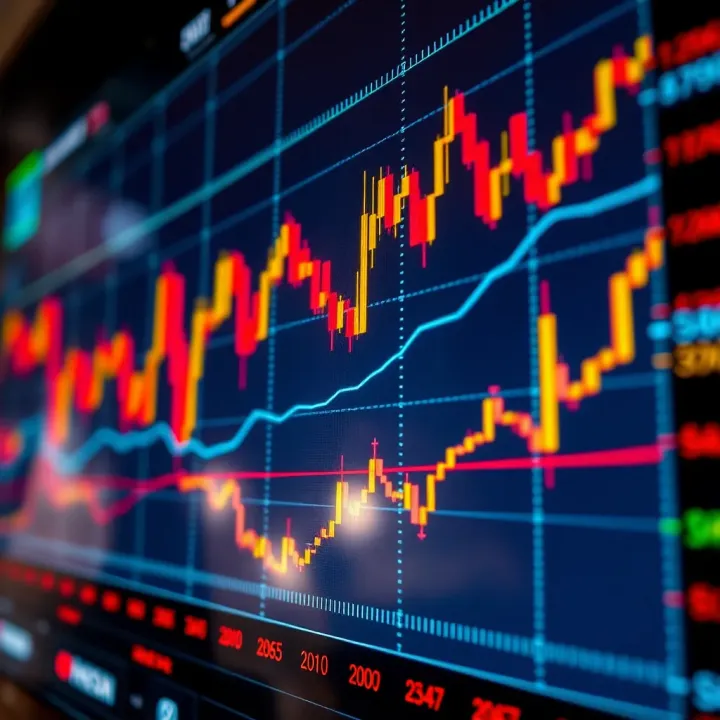
📈 Explore practical forex trading strategies designed for real-world success. Get free PDFs to master currency markets and boost your trading skills today!
Explore forex trading in Yokohama 🇯🇵 with insights on local rules, key players, strategies, and how global trends affect traders. Start smart today! 💹
Based on 13 reviews