

Understanding Forex Trading Seminars in Durban
📊 Discover what forex trading seminars in Durban cover, who should attend, prep tips, and how they fit into South Africa's market. Get ready to trade smarter!
Edited By
Grace Thompson
Forex trading in Durban draws plenty of interest given its status as a major port city with a bustling economy and diverse financial activity. If you're looking to kick-start or sharpen your forex trading here, understanding the local market, regulations, and practical challenges is a must.
One key point for Durban-based traders is the influence of the South African Reserve Bank (SARB) policies on the Rand (ZAR), especially since the ZAR often reacts sharply to domestic political developments and global commodity price shifts. For instance, fluctuations in the price of coal, a major export via Durban's port, can sway currency sentiment.
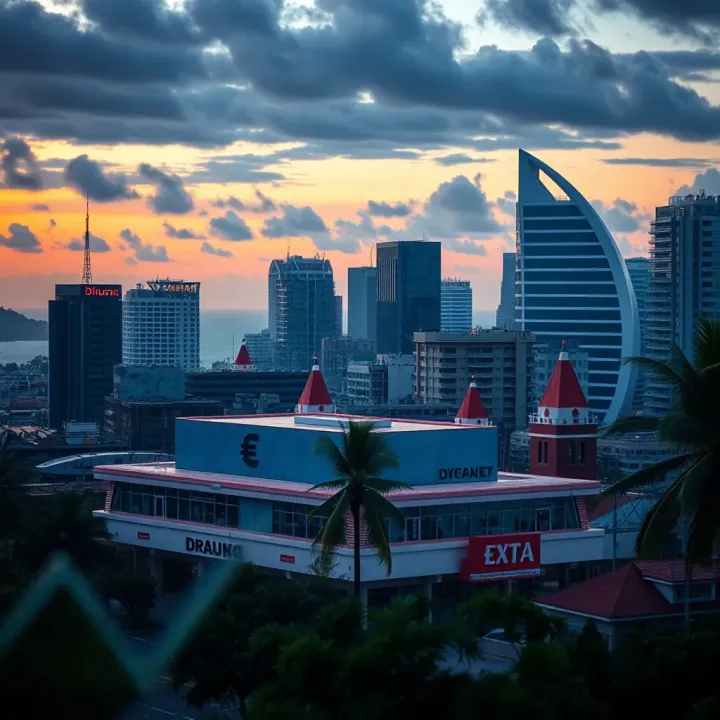
Choosing the right broker is another critical step. While many international brokers offer forex services to South Africans, opting for one registered with the Financial Sector Conduct Authority (FSCA) ensures better protection and fair trading conditions. Keep a lookout for brokers offering account types and platforms compatible with local trading hours, since timing can impact your trading effectiveness.
Local traders should also consider transaction costs and spreads in their decision-making. Forex spread costs might seem slim globally, but when converted into Rand, especially during high loadshedding periods that affect internet reliability, these small costs can add up.
Staying informed about geopolitical shifts and local economic events, like changes in Durban's port activity or municipal budget announcements, can give you an edge in spotting forex trends.
Practical matters like stable internet access and power backup solutions are often overlooked yet essential for executing trades reliably in Durban, where loadshedding schedules can disrupt activities.
In the coming sections, we will unpack these topics further—covering everything from legal requirements to effective risk management tailored for Durban traders. For now, establishing a sound understanding of these local nuances will set a solid foundation for navigating the forex market confidently.
Whether you aim to trade part-time or consider forex as an investment avenue, factoring in Durban's distinct environment shapes your approach and boosts your chances of success.
Forex trading in Durban has grown steadily thanks to the city's strategic location and growing financial interest among its population. Getting a solid overview of forex trading here helps you make better decisions based on local market peculiarities and trading dynamics. This foundation is not only key for beginners but also useful for seasoned traders wanting to adjust to Durban’s unique environment.
Durban's forex market reflects both global currency trends and local economic influences. The presence of the port and international business hubs adds complexity, with rand (ZAR) volatility often linked to export-import shifts. For instance, fluctuations in Durban's coal exports or changes in shipping costs can ripple through the rand’s value against the US dollar or euro.
That means forex prices here are not just about global demand but also affected by regional news like municipal service delivery hiccups or changes in tourism figures. Traders need to watch for these specific triggers alongside international events.
Liquidity in Durban’s forex market is generally solid during major global trading hours but less reliable during local off-peak times. This could impact spreads and execution speed for smaller players, so timing your trades or using brokers with access to global liquidity pools is advisable.
The forex scene in Durban includes a mix of retail traders, local investment firms, and some corporate hedgers dealing with currency risk linked to trade.
Retail traders, many starting with demo accounts, come from diverse backgrounds — from young professionals supplementing income to older investors seeking portfolio diversification. MTN and Vodacom users frequently use mobile trading apps due to high data costs, opting for brokers offering efficient, light apps.
Local investment fund managers and brokers also participate, often hedging currency risk related to offshore investments and foreign loans. Durban’s entrepreneurs involved in import-export also use forex trading to mitigate risk, particularly when dealing with the rand-dollar pair.
Whether you're a first-timer or a seasoned local trader, understanding who else is in the market sharpens your view on competition, liquidity, and potential strategies that suit the Durban context.
Regularly checking local forex forums and trading groups can reveal who’s active and what tactics they apply, helping you stay a step ahead.
In sum, Durban’s forex trading scene offers both opportunity and challenge shaped by local economic factors and diverse participant profiles. Knowing the landscape and trader types helps you plan your entry and refine your approach effectively.
Understanding regulations and compliance is vital for anyone trading forex in Durban. The local legal framework seeks to protect traders from fraud, ensure market integrity, and maintain fair trading conditions. Ignoring these rules can lead to hefty fines, frozen accounts, or worse – legal action. Staying informed about laws and regulations upfront is a practical step to avoid unnecessary risks and safeguard your investments.
In South Africa, the Financial Sector Conduct Authority (FSCA) governs forex trading activities. It oversees that brokers and financial service providers operate within legal boundaries and meet certain standards – this helps shield traders from shady operations. For example, the FSCA mandates transparency in pricing and requires brokers to keep client funds separate. Additionally, the South African Reserve Bank (SARB) indirectly affects forex trading by regulating foreign exchange controls, particularly concerning moving money in or out of the country. Knowing these bodies and their mandates helps traders recognise credible brokers and comply with foreign exchange rules.
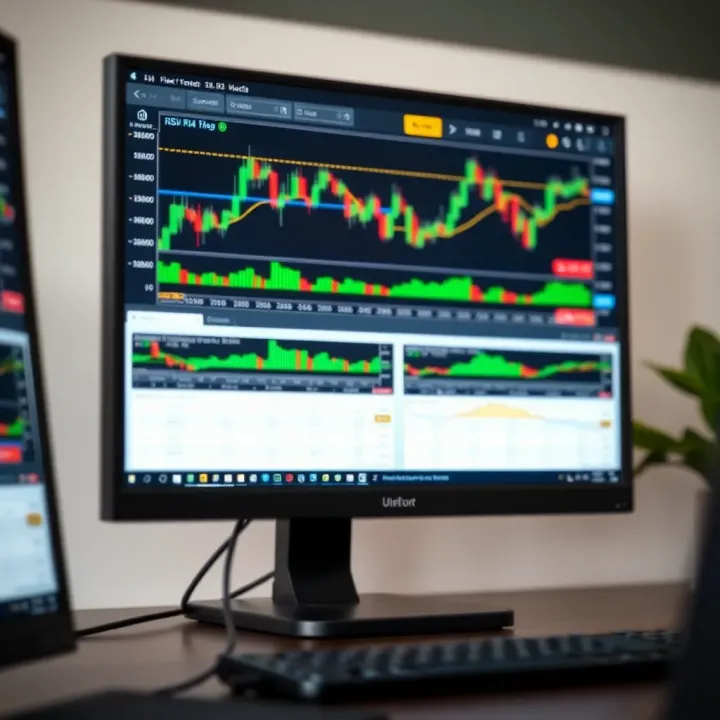
Durban traders should always verify that their broker holds a valid FSCA licence. This licence proves the broker meets financial capabalities and ethical standards to trade in South African markets. Beware of brokers operating without FSCA authorisation; while some international brokers may not be locally licensed, they should be regulated by recognised global authorities like the FCA (UK) or ASIC (Australia). Watch out for red flags such as unrealistic promises, unclear fee structures, or a lack of clear contact details. Ensuring your broker is transparent about licensing helps minimise scams and legal headaches.
Profits from forex trading in Durban are subject to tax and must be declared to the South African Revenue Service (SARS). The tax treatment depends on whether trading is done as a hobby or a business. If trading frequently and with substantial capital, SARS may treat it as a business activity, making profits taxable under income tax and possibly triggering VAT registration. On the other hand, casual traders might be taxed on capital gains. Recordkeeping is key — keep detailed transaction histories and proof of costs. SARS expects honesty, and proper documentation can prevent disputes during audits.
Staying on the right side of regulations protects you financially and legally, letting you focus on your trading strategies without worry.
In summary, Durban traders benefit greatly by understanding the roles of regulatory bodies, confirming broker licencing authenticity, and keeping tax obligations in mind. These practical steps lay a solid foundation for safer and more confident forex trading locally.
Picking the right forex broker is one of the most important steps you'll take as a trader in Durban. The broker acts as your gateway to the global currency market, so a poor choice can cost you more than just money — it can cost you time, confidence, and opportunity. A reliable broker offers transparency, swift trades, and solid support, all of which help you trade smarter in Durban's unique market context.
When selecting a broker, focus on these features:
Regulation and licensing: Make sure the broker is regulated by respected bodies such as the Financial Sector Conduct Authority (FSCA) in South Africa or comparable international agencies. This guards against shady operators.
Trading platform and tools: The platform should be stable and user-friendly, offering essential tools like charts, indicators, and responsive order placement. Platforms like MetaTrader 4/5 remain popular for a reason.
Spreads and fees: Low spreads reduce your trading costs, but watch out for hidden commissions or withdrawl fees that can eat away your profits.
Deposit and withdrawal options: Convenience matters. Brokers offering local payment methods like EFT, as well as widely used options such as credit cards or instant EFT, make managing your funds easier.
Customer support: Localised support via phone or chat during Durban business hours can be a lifesaver, especially when technical issues pop up.
Several brokers serve Durban traders well, including:
IG Markets: FSCA-regulated with a solid reputation. Offers extensive educational content and advanced tools.
Saxo Bank: Known for competitive pricing and a wide range of currency pairs.
AYO Technology Solutions: Local fintech players sometimes provide tailored forex services with South African compliance at heart.
Exness and HotForex: Popular global brokers accessible via Durban, offering flexible account types and strong platforms.
Remember to check each broker’s standing with the FSCA and independent review sites before committing.
Avoid falling into common traps:
Overlooking regulation: Sometimes brokers appear attractive due to flashy offers but lack proper licensing. This risk is especially high with overseas brokers with no local oversight.
Ignoring leverage risks: High leverage is tempting but can wipe your account in no time. Understand the leverage limits and use them cautiously, especially given rand volatility.
Skipping the demo account phase: Testing the broker’s platform and execution speeds with a demo account helps avoid nasty surprises.
Not reading terms and conditions: Withdrawal limits, rollover fees, or inactivity penalties can catch you unawares if you don’t review the fine print.
Falling for bonuses without conditions: Many brokers offer bonuses but with stringent rules attached that make withdrawing profits difficult.
Always take the time to research and test before depositing real funds. Your broker should feel like a partner, not a hurdle.
Choosing the right forex broker in Durban boils down to thorough research, understanding your trading needs, and prioritising security. The right broker equips you to navigate forex waters confidently, turning Durban's market quirks to your advantage.
Developing effective trading strategies is key for Durban’s forex traders to navigate the market confidently and sustainably. The local market’s unique features, including its exposure to currency volatility influenced by global commodity prices and South Africa’s economic news, mean traders must adapt their approach. Strategies that work well in other regions may falter here without awareness of these factors. Concrete plans help manage risk and identify opportunities amid volatile rand movements.
Both fundamental and technical analysis have their place in a Durban trader’s toolkit. Fundamental analysis focuses on economic indicators, such as South Africa’s GDP, inflation stats from Statistics South Africa, or monetary policy statements from the South African Reserve Bank (SARB). A trader tracking SARB’s repo rate changes might anticipate rand strength or weakness. Meanwhile, technical analysis examines price charts and patterns to predict market movements. For example, spotting support and resistance levels on the USD/ZAR chart using candlestick patterns can guide entry and exit points.
In practice, many experienced Durban traders blend both approaches. They might confirm a technical buy signal with solid economic news or avoid trades during periods known for local economic data releases that cause erratic moves. This combined strategy helps mitigate blind spots inherent in relying on only one method.
Risk management is vital given the rand’s occasional unpredictability. Durban traders should set clear stop-loss orders to limit their downside, especially during volatile phases linked to Eskom load-shedding announcements or political developments. Position sizing matters too; smaller trades can help conserve capital when market swings grow erratic.
Practical steps include:
Keeping leverage conservative – high leverage might mean big losses quickly
Monitoring global commodity trends impacting the rand, such as platinum and gold prices
Avoiding trading near major national events or public holidays when liquidity thins
Sticking to these principles preserves capital, allowing traders to remain active over the long haul despite local challenges.
Before risking real money, Durban traders should make full use of demo accounts offered by brokers such as IG or EasyEquities. These accounts provide a risk-free environment to test strategies and get comfortable with trading platforms. Practising during typical volatility periods can prepare traders for real-time reactions without financial stress.
Additionally, many brokers include analytical tools and economic calendars highlighting SARB meetings or Statistics South Africa releases. Incorporating these into demo trading routines builds discipline and sharpens market timing skills.
Stepping into the market without testing strategies first is like driving a bakkie blindfolded; it simply doesn’t pay off.
By applying tailored analysis techniques, managing risks wisely, and using available practice tools, Durban forex traders can enhance their chances of growing steadily in this challenging but rewarding market.
Trading forex in Durban comes with its own set of challenges that traders need to navigate thoughtfully. These issues can influence your ability to enter and exit positions profitably, maintain consistent performance, and handle the stress that trading naturally brings. Recognising these obstacles early and tackling them head-on helps you stay ahead and protect your capital.
Exchange rates can swing sharply due to global events, economic data releases, or sudden shifts in sentiment. For Durban traders, exposure to emerging market currencies like the ZAR means dealing with higher volatility compared to major pairs like EUR/USD. For example, unexpected news on the rand's performance against the US dollar may whip up large price moves within minutes. Liquidity can also thin out during South African public holidays or after local market hours, causing wider spreads and slippage. To manage this, it’s advisable to track the economic calendar closely, avoid trading during illiquid periods, and keep stop-loss orders tight to limit downside risk.
Durban’s internet infrastructure has improved over the years but still suffers sporadic blackouts and occasional load shedding interruptions. These outages can interrupt your trades, delay order execution, or cause disconnections that risk losses. Choosing a forex broker with a robust mobile app and reliable desktop platform is a must, particularly one that supports offline order placements or has fast reconnection options. Many local traders also invest in backup power solutions like UPS or battery-powered routers to reduce downtime, especially during Eskom’s loadshedding stages.
Forex trading demands a clear mind and disciplined approach. Many Durban traders struggle with the emotional rollercoaster — fear, greed, and overtrading can turn potential profits into losses. Fear might cause hesitation, missing good opportunities, while greed can lead to chasing losses or increasing position sizes recklessly. A strong grasp of risk management, plus routine mental check-ins, helps. Sticking to a trading plan, journaling trades, and learning from mistakes build resilience. It may be helpful to connect with local trading groups or mentors who understand the South African market’s unique pressure points.
Constantly battling these challenges calls for a steady temperament and practical safeguards. Durban traders who prepare for market swings, technological hiccups, and emotional ups and downs stand the best chance of sustainable success.
By keeping an eye on these specific hurdles and adopting practical solutions, Durban forex traders can sharpen their edge and trade with more confidence in a fast-moving market.
Navigating the forex market in Durban requires reliable resources and solid support structures. Understanding where to get trustworthy information, how to connect with fellow traders, and which tools to use can make a significant difference. Durban traders benefit greatly from local networks and tailored platforms that consider South Africa's unique market nuances.
Joining a local trading community provides more than just support; it often means access to first-hand market insights and shared experiences relevant to Durban's trading environment. Groups like the Durban Traders Network often host informal meet-ups where beginners and seasoned traders exchange ideas, and experts offer guidance tailored to South African market conditions. Educational centres such as the Forex Institute Durban or specialised workshops at local colleges provide structured learning, focusing on practical skills like technical analysis, reading candlestick charts, and managing risks within the South African context.
Successful forex trading hinges on the right tools. Platforms like MetaTrader 4 and MetaTrader 5 remain popular due to their user-friendly interfaces and robust features. South African traders also use platforms provided by brokers like IG Markets and easyMarkets, which offer access to Rand-based currency pairs and enable smoother transactions for local users. Tools such as TradingView help with charting and spotting trends, while economic calendars tailored for the South African market assist traders in tracking important dates like SARB announcements or economic data releases. Using demo accounts offered by these platforms can build confidence without risking real cash.
Staying current with market news is essential, especially with the volatile Rand exchange rates and fluctuating global influences that impact Durban traders. Reliable sources include local financial news outlets such as Moneyweb and BusinessTech, which provide up-to-date analyses and market commentary. International economic events affecting forex rates can be followed on platforms like Bloomberg and Reuters. Additionally, subscribing to newsletters from local brokers and financial analysts can keep traders informed about changes in regulations, tax updates, and recommendations specific to South African forex participants.
Staying connected and well-informed is crucial for mitigating risks and spotting opportunities in Durban’s forex market.
In sum, a well-rounded approach to forex trading in Durban involves engaging with local communities, using tailored online tools, and consistently monitoring both South African and global financial news. These steps create a solid foundation for both novice and experienced traders aiming to thrive in the forex space.
📊 Discover what forex trading seminars in Durban cover, who should attend, prep tips, and how they fit into South Africa's market. Get ready to trade smarter!
📈 Discover practical tips for forex trading in Johannesburg, South Africa! Learn the basics, local rules, proven strategies, and unique trading insights.
📈 Explore practical forex trading strategies designed for real-world success. Get free PDFs to master currency markets and boost your trading skills today!
Explore forex trading in Yokohama 🇯🇵 with insights on local rules, key players, strategies, and how global trends affect traders. Start smart today! 💹
Based on 6 reviews