
Forex Trading Terms Explained Simply
🌍 Get to grips with forex trading terms! A clear guide packed with essential concepts to boost your confidence and skills in the forex market. 📈
Edited By
Oliver H. Bennett
Forex trading involves buying and selling currencies to profit from fluctuations in exchange rates. Traders worldwide participate in this market, which runs 24 hours a day, five days a week, making it one of the largest and most liquid markets globally.
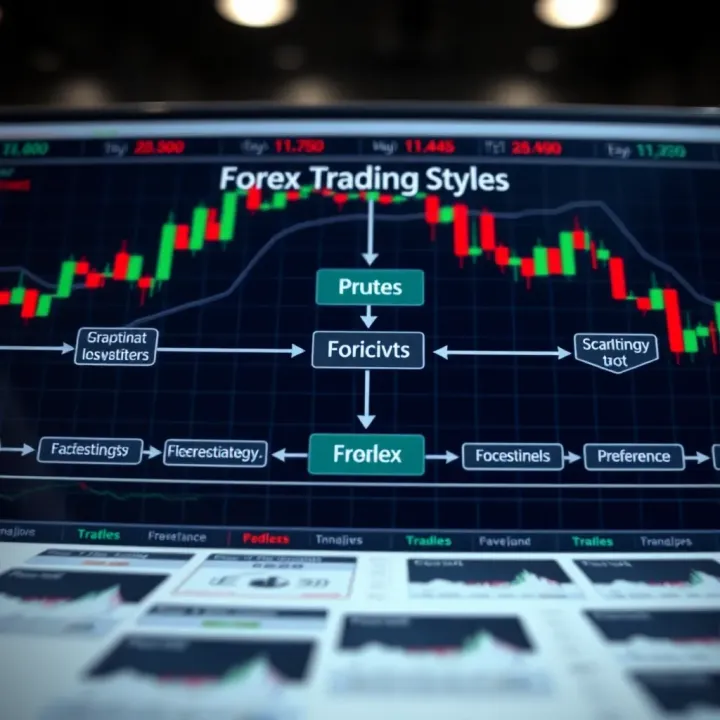
Understanding the different types of forex trading is vital before you put your money down. Each style has its unique features, risk profiles, and strategic approaches. For example, spot trading involves immediate currency exchange based on the current market price, while forwards and futures contracts allow traders to lock in rates for future transactions. These can protect businesses from currency risk or serve as speculative tools.
Another popular method is options trading, which gives the right, but not the obligation, to buy or sell currency at a specified price before a set date. It's a flexible approach but requires a deeper grasp of market movements and timing.
Then there are more sophisticated techniques like carry trades, where traders borrow in low-interest currencies to invest in higher-yielding ones, and algorithmic trading, which uses programmed instructions to execute trades at high speed.
When choosing a trading type, consider factors like your risk tolerance, capital, and market knowledge. Spot trading suits beginners wanting straightforward access to currency markets, whereas futures and options might appeal to those seeking structured strategies or hedging options.
In forex, there’s no one-size-fits-all. Picking the right trading style hinges on your goals and comfort with risk.
To sum up, gaining a solid grip on each forex trading type’s mechanics can help you make smarter decisions. Whether you’re a casual investor or handling larger portfolios, knowing the ins and outs of spot trades, forwards, futures, and options arms you to navigate the forex market more confidently.
Understanding forex trading begins with grasping its fundamental concept: the exchange of one currency for another in a global marketplace. Forex, short for foreign exchange, is the largest financial market worldwide, clocking a daily turnover exceeding US$6 trillion. This sheer volume reflects a broad range of participants, from multinational banks and corporations to retail traders in Durban or Cape Town.
At its core, forex trading involves buying one currency while simultaneously selling another. The goal is to profit from fluctuations in exchange rates. For instance, if you believe the euro will strengthen against the rand, you could buy EUR/ZAR. When the euro rises, you sell it back at a higher price, booking a profit in rands. Unlike stock markets confined to a single country, the forex market operates globally, with no central exchange, making it active 24 hours a day on weekdays.
Currencies in forex always trade in pairs because you're exchanging one for another. There are major pairs like EUR/USD and USD/ZAR, minors such as EUR/AUD, and exotic pairs involving currencies from smaller or emerging economies, like USD/NGN (US dollar and Nigerian naira). Each pair has a base currency and a quote currency—the price shows how much of the quote currency you need to buy one unit of the base currency. Understanding these pairs helps traders spot opportunities across global economic events.
The mix of players in forex ranges from central banks adjusting monetary policy to hedge funds making large-scale bets, corporations hedging costs on imports and exports, and individual traders speculating on currency movements. This diversity increases liquidity but also means different motivations shape market moves.
The forex market never really sleeps. It opens in Asia (starting with Tokyo), moves across Europe (London), then to North America (New York). For South African traders, the overlap of London and early New York sessions is key, usually providing the best volatility and trading opportunities between 3 pm and 9 pm SAST. Apprehending these hours and participants helps newcomers avoid pitfalls like trading during thin liquidity when spreads widen and trades cost more.
Knowing how forex markets function lays a solid foundation. It helps you align your trading style with the timings, instruments, and market behaviour that fit your goals and risk tolerance.
This overview sets the stage for exploring specific trading types, offering clarity and context for making smarter forex decisions.
Spot forex trading is the most straightforward type of currency trading, where currencies are bought and sold for immediate delivery — typically settled within two business days. This immediacy means the transaction reflects the current exchange rate on the market at the moment the trade is executed, without any future contracts involved. For many traders, spot trading offers a clear, tangible way to engage with the forex market compared to more complex instruments like futures or options.
In spot forex trading, you exchange one currency for another at the current price. For instance, if the USD/ZAR pair trades at R19.50, buying USD with ZAR at that moment locks in that rate, and the currencies usually change hands within two days. The trade happens "on the spot," hence the name. This differs from derivatives, where contracts specify future exchange rates and dates.
Spot forex trading operates through a network of banks, brokers, and electronic platforms, which keep it highly liquid and accessible around the clock, barring weekends or public holidays. Traders can take advantage of smaller price moves using leverage, which banks and brokers commonly offer, allowing for bigger exposures with less upfront capital.
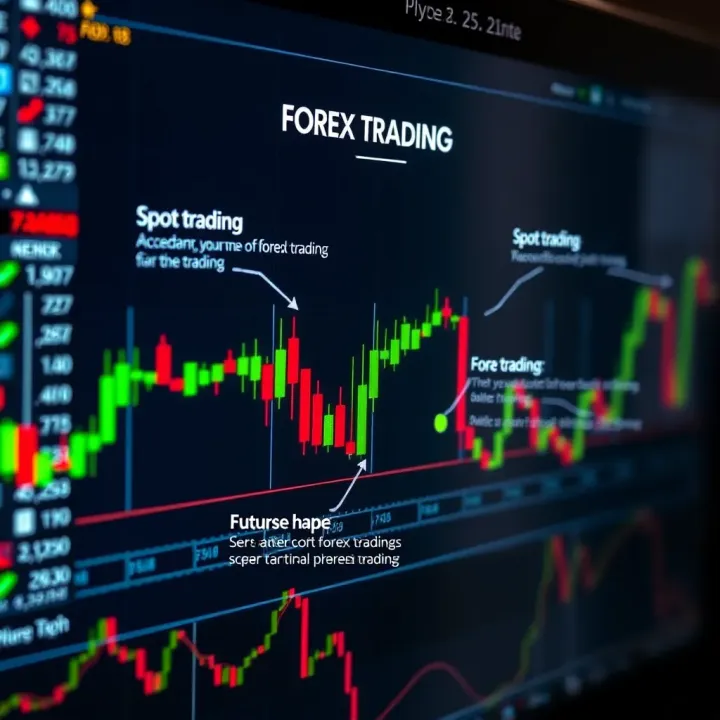
Spot forex stands out for its simplicity and transparency. Since trades settle quickly, traders get immediate exposure to currency moves without the complexities of managing contract expiration or rollover fees found in futures or options. Plus, the high liquidity ensures tight spreads, making it easier to enter and exit positions efficiently.
However, spot trading carries notable risks. The use of leverage can magnify losses just as easily as profits, so careful risk management is key. Currency prices can be unpredictable, often influenced by global events, central bank announcements, or even a sudden Eskom loadshedding stage affecting business confidence. For example, a trader betting on the ZAR strengthening against the USD during election uncertainty might see volatile swings that wipe out gains fast.
Remember, spot forex trading requires vigilance and quick decision-making, as the market's swift movements can lead to significant outcomes in minutes.
In practice, spot trading suits those who prefer active, hands-on strategies rather than holding contracts for future dates. It appeals to day traders looking for short-term gains and investors tracking global economic trends in real-time. If you want a direct way to buy or sell currency pairs reflecting live market conditions, spot forex trading could be your go-to approach.
Forwards and futures contracts are vital tools in the forex market, especially for traders and businesses looking to manage currency risk over time. Unlike spot trading, which deals with immediate currency exchange, forwards and futures allow you to lock in exchange rates today for transactions set to happen at a later date. This helps safeguard against sudden currency swings that can impact profits or costs.
A forward contract is a private agreement between two parties to exchange currencies at a specified rate on a future date. These contracts are customised, meaning you can negotiate terms like the amount, settlement date, and currency pair to fit your specific needs. For example, a South African exporter expecting payment in US dollars six months from now might enter a forward contract to sell those dollars at a fixed Rand rate, protecting against a weaker dollar.
The personal agreement nature of forwards means they are typically traded over-the-counter (OTC), outside formal exchanges. This flexibility makes forwards ideal for businesses or traders with particular requirements, but it also carries some counterparty risk—the risk the other party may default.
Unlike forwards, futures contracts are standardised agreements traded on regulated exchanges like the CME Group. These contracts specify a standard amount and maturity date, making them more liquid and transparent than forwards. Futures require margin deposits and are marked to market daily, which can help manage credit risk.
For instance, a trader in Johannesburg might use futures contracts to speculate on the US dollar to Rand exchange rate without the need to organise a bespoke deal. Since futures are regulated, they offer some protection through clearinghouses, reducing default risk.
The key differences lie in standardisation, trading venue, and counterparty risk. Forwards are private, flexible deals with terms negotiated individually, traded OTC, and expose parties to more credit risk. Futures, however, are standardised contracts traded on formal exchanges with daily settlement and require margin, which minimises credit exposure.
Other distinctions include:
Customisation: Forwards can be tailored; futures have fixed contract sizes and dates.
Liquidity: Futures are generally more liquid, making entry and exit quicker.
Regulation: Futures trade on regulated platforms, while forwards operate mainly OTC.
In practice, businesses focused on specific needs or those requiring exact date contracts often favour forwards. Traders looking for ease of access and standardised conditions might prefer futures.
Forex forwards and futures provide essential mechanisms to handle currency exposure, balancing flexibility and risk depending on the trader's goals and operational needs.
Understanding these contract types helps you pick the right hedge or trading method, ensuring your forex activities align with your risk appetite and market outlook.
Forex options bring flexibility that most other forex trading instruments lack. Unlike spot trading or futures contracts, options provide the right—but not the obligation—to buy or sell a currency pair at a set price before a specified expiry. This allows traders more control over risk management and strategy tailoring.
At its core, a forex option is a contract that gives you the choice to exchange currencies at a specific rate, known as the strike price, within a certain timeframe. You pay a premium upfront for this right. There are two main types: call options (betting that the currency will go up) and put options (betting that it will drop). This differs from simply owning currencies or futures contracts where you must complete the trade.
For example, say you expect the USD/ZAR rate to move upward from R17.50. You could buy a call option with a strike price of R17.60, which might cost a small premium like R0.10 per unit. If the rate goes beyond R17.60 before expiry, you profit by exercising the option or selling it on the market, less the premium paid.
Options prove useful when you want to limit potential losses without capping your gains entirely. They work well in uncertain markets where you expect volatility but are unsure of direction. Hedge funds and institutional traders often use options to protect large positions against adverse currency moves while still benefiting from favourable swings.
Retail traders might use options to speculate on news events such as South African Reserve Bank (SARB) rate announcements or US Federal Reserve decisions, where sudden sharp currency moves can happen. For instance, buying a put option on EUR/USD before an expected rate cut might limit losses if the euro drops sharply.
Options are also handy when you don’t want to tie up significant capital in outright currency positions. Instead of buying R100,000 worth of GBP/ZAR, you could pay a fraction of that in premiums for an option, thus controlling exposure with less upfront risk.
The main benefit of forex options lies in controlled risk through premium payment, while allowing for unlimited profit potential if the market moves favourably. This is different from futures, which have symmetrical risk and rewards.
However, options are not without downsides. The premium paid can expire worthless if the currency doesn’t move as expected, resulting in a total loss of that premium. Also, pricing complexities and time decay (the loss of value as expiry nears) make options more challenging to manage.
Forex options require understanding of expiry dates, strike prices, and underlying market conditions to be effective. Proper research and disciplined risk management are key.
All in all, forex options add a valuable layer of versatility to your trading toolbox, especially when navigating volatile or uncertain currency markets. They’re worth exploring if you seek more nuanced ways to balance risk and reward beyond standard spot or futures deals.
Forex trading isn’t limited to just spot, forwards, futures, or options. Traders often use various other styles and strategies that fit their schedules, risk appetite, and market understanding. These styles help tailor trading to individual goals, using different timeframes and techniques to guide when to enter and exit the market.
Scalping involves jumping in and out of the market quickly, often holding positions for just seconds or minutes to grab small profits. It demands intense focus and quick decision-making, ideal for those who can sit by their screens for hours and respond instantly to price moves. For example, a scalper might trade the USD/ZAR pair during peak trading hours, taking advantage of volatility around economic data releases.
Day trading, while slightly less frantic, still closes all positions within a single trading day. This helps avoid overnight risk and unexpected price gaps. Day traders use technical indicators and charts to spot trends and reversals, often focusing on liquid pairs like EUR/USD or GBP/USD to ensure tight spreads and decent volume.
Both scalping and day trading require strong discipline and access to reliable, low-latency trading platforms. The constant activity can be taxing mentally and financially, with commissions and spreads eating into profits if not managed carefully.
Swing traders take a middle ground, holding trades from several days to a few weeks. They aim to capture bigger price swings by analysing market momentum, often using fundamental analysis alongside technical patterns. For instance, a swing trader might buy AUD/USD after a significant correction, betting on a rebound fuelled by positive economic indicators.
Position trading spans even longer periods — weeks, months, or occasionally years. Position traders focus on long-term trends, basing decisions on macroeconomic factors like central bank policies, inflation, or geopolitical events. A South African trader might hold a position in ZAR/USD expecting the rand to strengthen following an interest rate hike by the South African Reserve Bank (SARB).
These longer-term approaches suit traders who can’t monitor the market constantly and prefer a less stressful style. However, position trades require patience and a good understanding of global economic indicators.
Technology has blurred the lines between manual and automated trading. Algorithmic trading uses computer programmes to execute trades based on pre-set rules, such as price levels or technical indicators. Automated systems can monitor multiple currency pairs simultaneously and react to market shifts without human hesitation.
For example, a trader might deploy a bot that buys USD/JPY when the 50-day moving average crosses above the 200-day one, closing the position when the opposite happens. These systems can eliminate emotional bias and stick to a strategy consistently.
That said, algorithmic trading needs rigorous testing and constant adjustment to cope with changing market conditions. In South Africa, where internet speeds and connectivity can sometimes be patchy, ensuring a reliable setup is crucial to prevent costly errors.
Different forex trading styles come with their own demands, risks, and rewards. Choosing the right one depends largely on your time availability, risk tolerance, and familiarity with market dynamics.
Traders should weigh these factors carefully and consider starting with a demo account to test which style fits best before committing real funds.
🌍 Get to grips with forex trading terms! A clear guide packed with essential concepts to boost your confidence and skills in the forex market. 📈
🎨 Discover the purpose & types of forex trading wallpapers! Find where South African traders get quality images to personalise their workspace 📈🌍

💹 Ready to trade forex from Pietermaritzburg? Learn local tips, choose the right broker, and manage risks with a focus on South African market conditions and regulations.
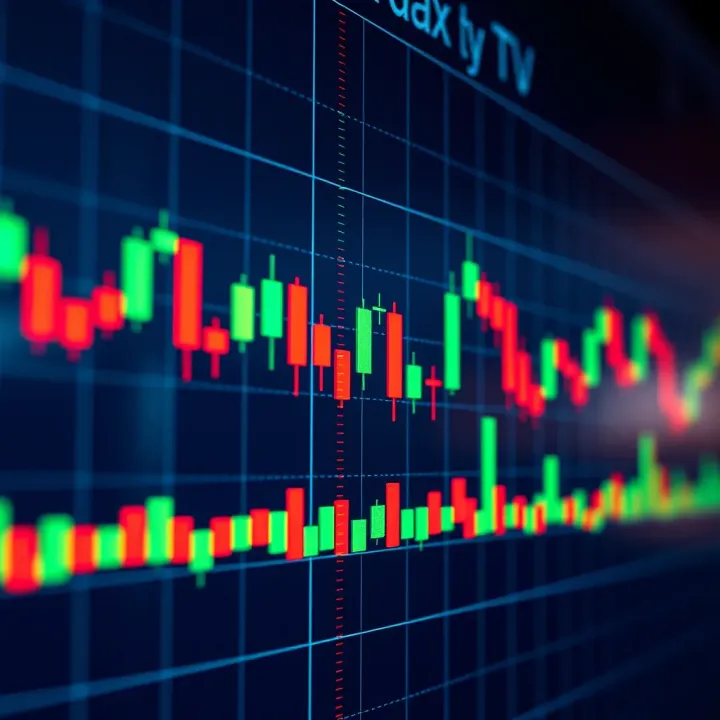
📈 Master forex trading graphs with clear explanations of chart types, key indicators, and common patterns tailored for South African traders seeking smarter decisions.
Based on 11 reviews