
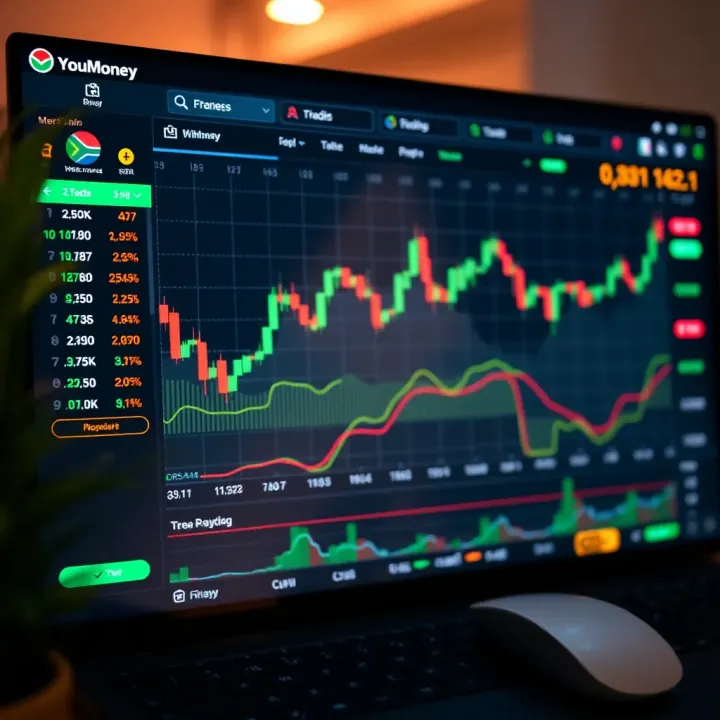
Understanding YouMoney Binary for South African Traders
📊 Discover YouMoney Binary's features, risks, and smart strategies for South African traders. Get practical insights into binary options trading today! 🇿🇦
Edited By
Grace Thompson
When you’re looking to start binary trading in South Africa, picking the right platform is a must. It’s not just about flashy graphics or easy sign-ups — you want a platform that’s trustworthy, fits your trading style, and keeps your money safe. Binary options trading can be risky, so choosing carefully can make all the difference.
The South African market has seen a number of brokers offering binary trading services, but not all platforms operate under proper regulatory supervision. The Financial Sector Conduct Authority (FSCA) oversees trading activities here, so platforms authorised or at least recognised by the FSCA provide a safer environment for your investments.

Beyond regulation, test how user-friendly the platform is. Can you easily navigate your trades on desktop or mobile? Does it offer reliable real-time data and clear charts? For example, platforms like Binomo or IQ Option have gained traction due to their simple layouts and useful features tailored for beginners and seasoned traders alike.
Look out for features such as:
Multiple asset options including stocks, indices, commodities, and currencies
Various trade expiry times to suit your strategy
Quick withdrawal and deposit methods catering to local payment systems like EFT and credit cards
Avoid platforms that promise guaranteed returns or sound too good to be true. Binary trading is inherently speculative, and no platform can eliminate risk entirely.
Before committing your money, check for reviews or feedback from South African traders. Forums like MyBroadband or even trading groups on social media can provide practical insights. Also, most platforms offer demo accounts — use these to get a feel of the trading environment without risking real Rand.
Finally, keep an eye on fees and commissions. Some platforms may have hidden costs that eat into your profits. Transparency about charges is a good sign of a reliable operator.
Choosing the right platform helps you trade smarter, reduces potential losses, and can turn the learning curve a little less steep. It’s worth taking the time to research thoroughly and pick the one that fits your goals and comfort level.
Remember, trading binary options is no walk in the park — select your platform with both care and awareness.
Choosing the right binary trading platform matters a lot for South African traders. A solid platform can make trading straightforward and safer, while a poor one might lead to frustration or even financial loss. It’s not just about flashy features; it’s about how the platform fits your needs, offers clear information, and operates fairly within the rules.
A platform that’s simple to navigate will save you headaches, especially if you’re starting out. Clear layouts, understandable charts, and intuitive controls help reduce mistakes. For instance, if you have to fumble through cluttered menus or confusing buttons to place trades, you could miss good opportunities or incur losses unintentionally. Think of platforms that feel as straightforward as using a banking app on your cellphone—that’s a good benchmark.
Diversity matters. The platform should offer a range of underlying assets such as stocks, indices, commodities, and currencies. Local relevance counts too. For example, having South African assets like the JSE Top 40 index or Rand-based currency pairs adds value. This variety lets you explore different markets depending on your strategy or economic news that might influence prices.
Not all binary options are the same. Some platforms provide simple high/low options, while others offer one-touch, ladder, or boundary options. Each type carries different risk and reward profiles. Access to several option types lets you tailor trades better. Say, in volatile times, one-touch options might suit aggressive traders looking for quick gains, whereas more conservative traders might prefer classic high/low options.
Timing is everything in binary trading. Delays can cost you real money. A good platform executes trades swiftly and maintains uptime even when the market gets busy or volatile. For example, a laggy platform during a big event, like a SARB announcement, could block trades or quote incorrect prices. Reliability also means avoiding technical glitches that interrupt trading or misreport balances.

Regulation safeguards traders by enforcing standards and accountability. Recognised licences from bodies like the Financial Sector Conduct Authority (FSCA) or comparable international regulators show that a platform operates under rules designed to protect clients. Non-regulated platforms can be risky, as they might not segregate client funds or could manipulate prices.
Don’t rely on claims alone. Check official regulator websites or trustworthy reviews to confirm licensing details. Look for platform registration with FSCA or mention of other respected bodies like the Cyprus Securities and Exchange Commission (CySEC) or the UK’s FCA. If a platform claims South African connections but lacks proper credentials, be wary.
Platforms serving South African clients must comply with laws like the Financial Intelligence Centre Act (FICA) for Know Your Customer (KYC) checks. This means you’ll be asked for ID and proof of address when signing up. These checks are part of ensuring anti-money laundering compliance and maintaining a fair trading environment. Moreover, South African laws aim to protect consumers against fraudulent investment schemes, so sticking with regulated, FICA-compliant platforms is wise.
Picking a good binary trading platform isn’t just about features or promotions; it’s about trust, straightforward use, and legal compliance. Trading on a platform that meets these criteria gives you a solid footing to trade smarter and safer.
For traders in South Africa, selecting a widely used binary trading platform can offer reassurance through established reputations and tested features. Platforms popular globally often come with a range of assets, swift execution times, and comprehensive support systems. Meanwhile, brokers with a specific focus on South African traders tend to tailor their services to local needs, including payment options and compliance with regional regulations.
Global platforms like IQ Option, Binary.com, and ExpertOption have gained notable traction among South African traders. They typically offer an extensive selection of binary options across forex, commodities, indices, and cryptocurrencies. These platforms are designed for quick order execution with minimal downtime, which is vital in binary trading where seconds can make a difference. The user interfaces tend to be intuitive, catering to both beginners and seasoned traders, often featuring live charts and analysis tools.
Customer support on these platforms usually includes 24/7 live chat, email, and phone assistance, which is important for resolving trading queries promptly. Educational resources such as webinars, video tutorials, and detailed FAQs help traders sharpen their skills and understand market dynamics better. Such learning tools are vital since binary options trading can be complex, with a steep learning curve for new entrants.
Some platforms focus explicitly on the South African market, recognising local regulations and preferences. For instance, certain brokers are registered under South African Financial Sector Conduct Authority (FSCA), aligning with local legal requirements, which offers extra peace of mind. These platforms often provide services in South African English and support trading in ZAR, which removes currency conversion hassles and related costs.
Payment methods are another key area where local platforms shine. They typically accept popular South African payment options such as EFTs, credit/debit cards from local banks, and even digital wallets commonly used in South Africa. Using local payment options reduces withdrawal delays and transaction fees, making trading smoother for the average user. Platforms that integrate PayPal and mobile money solutions such as SnapScan also add convenience, especially for traders who prefer mobile-first payments.
Choosing a platform that balances global expertise with local sensitivity can help South African traders navigate the binary options landscape more securely and efficiently.
Choosing the right binary trading platform starts with knowing what to look out for, especially in a South African context. Traders need to assess each platform not only for its technical features but also for how it fits their personal trading habits, security requirements, and local needs. This section will help you weigh user experience, accessibility, and costs — all vital factors that could make or break your trading success.
Mobile app availability and performance play a major role for South African traders who are often on the move or rely heavily on mobile devices for internet access. A platform that offers a well-built mobile app enables you to place trades, monitor your portfolio, and manage funds conveniently. For example, Vodacom's coverage in rural areas can be spotty, so a lightweight app that operates well on slower networks can prevent missed trade opportunities. Conversely, clunky or buggy apps can lead to costly delays and frustration.
Then there's language and local currency support. Platforms that allow trades in South African Rand (R) help you avoid exchange rate fees and simplify your accounting. Also, handling the platform interface in English—which is widely understood—ensures clearer communication. Some platforms go further by offering support in isiZulu or Afrikaans, which might not be essential but can enhance comfort for some users. Having such language options and Rand as the base currency means fewer surprises when withdrawing funds or viewing trade results.
Understanding fees and commissions is key to knowing the real cost of trading binary options. Some platforms upfront charge per trade, while others bake their fees into the payout percentages. For instance, a platform might advertise high payouts but then deduct withdrawal fees or have hefty inactivity charges. South African traders should be alert to all these costs at the start to avoid net losses.
Similarly, reviewing average payout rates helps estimate potential profits. Payouts typically range from 70% to 90% depending on the asset and platform. A platform offering a 85% payout means you earn R85 for every R100 bet won, which can be a significant difference over time. Remember, platforms with higher payouts sometimes come with more risk or less regulation, so balance is necessary.
Lastly, consider minimum deposits and withdrawals. Some international platforms require minimum deposits of $250 or more — not always ideal for South African traders starting out with limited budgets. Look for platforms letting you deposit as little as R100 or R200, with withdrawal processes that execute within a few business days. This flexibility helps especially when navigating local banking practices which can vary widely in speed and charges.
When comparing platforms, think like a regular trader: How easy is it for you to move money in and out? What hangs on your phone without eating data? Does the platform speak your language and currency? These practicalities matter more than fancy features.
In summary, carefully checking these aspects—user experience, accessibility, fees, and payout structures—helps you pick a binary trading platform that suits your trading style, financial means, and day-to-day realities in South Africa.
Trading binary options carries several risks that every trader in South Africa must understand before getting involved. Without recognising these dangers and knowing how to protect yourself, you could easily end up losing more than you expect or falling victim to scam platforms. By learning to spot dubious brokers and adopting safe trading habits, you can limit losses and trade with confidence.
Warning signs of fraudulent brokers: Fraudulent brokers often promise high returns with little or no risk, which should immediately raise a red flag. Another warning sign is a lack of proper regulation or licence—genuine platforms will display credentials from reputable authorities like the Financial Sector Conduct Authority (FSCA). Also, be cautious if a broker pressures you to deposit more money quickly or restricts withdrawals. For example, some rogue platforms may delay payouts indefinitely or require suspicious verification procedures.
How to report and avoid scams: To avoid scams, always verify a platform’s regulatory status before signing up. Use trusted sources like the FSCA’s public registers and seek user reviews on forums such as MyBroadband or Reddit. If you detect fraud, report it immediately to the FSCA and Consumer Protection organisations to help others steer clear. Keeping evidence like emails and transaction details is vital when lodging a complaint. Remember, prevention is better than cure: thoroughly vet platforms before trading any real money.
Setting limits and responsible risk management: One of the best ways to protect yourself is to set clear limits on how much you trade and lose per day or week. Don’t get carried away chasing losses—establish both daily loss caps and maximum trade sizes. This helps avoid the temptation of reckless bets, especially during volatile market phases. Responsible money management preserves your capital and keeps your trading sustainable over the long haul.
Using demo accounts for practice: Most binary trading platforms offer demo accounts that allow you to practise without risking real money. Using these accounts helps you learn how trades work, test strategies, and get comfortable with the platform interface. Treat the demo environment seriously; this reduces costly mistakes when you eventually start trading with actual funds. In fact, practising with a demo account is one of the smartest steps for beginners.
Keeping personal and financial information safe: Protecting your personal data is crucial. Always trade using secure devices with up-to-date antivirus software. Avoid public Wi-Fi networks when logging in to your account to reduce hacking risks. Choose strong, unique passwords and enable two-factor authentication if available. Also, only transact with payment methods known for security and transparency, like South African bank EFT or major credit cards through trusted processors.
Staying vigilant against scams and practising safe trading habits are key to a positive binary options experience here in South Africa. It’s not just about choosing the right platform but also about trading smartly and protecting your finances every step of the way.
Starting off on a binary trading platform can feel a bit overwhelming if you don’t know the exact steps. That’s why practical guidance is key—it helps you avoid common pitfalls and get trading efficiently. South African traders especially benefit from understanding specifics like regulatory requirements and local payment options.
To start trading, you first need to open an account with your chosen platform. This usually involves submitting official documents—specifically a valid ID (passport or South African ID book) and proof of residential address, such as a utility bill or bank statement dated within the last three months. These documents confirm your identity and prevent fraud. Many platforms won’t allow you to trade or withdraw funds until verification is complete.
South African regulations mean you must comply with the Financial Intelligence Centre Act (FICA). Platforms will ask for these documents to ensure they’re not used for money laundering or other illegal activities. In practice, this means your details will be securely checked against government databases. Meeting FICA requirements helps protect you, ensuring the trading environment stays lawful and fair.
Once your account is set up, funding it is the next step. South African traders often use local payment methods tailored for ease and security—common options include EFT (Electronic Funds Transfer), credit/debit cards, and e-wallets like Skrill and Neteller. Some platforms also accept payments through solutions like SnapScan or Zapper, which South Africans are already familiar with.
Keep an eye on processing times and fees involved. EFT payments might take a day or two to clear, whereas card and e-wallet deposits are usually instant. Withdrawal times vary but generally fall within 1 to 3 business days, depending on the platform and payment method. Be cautious of any excessive charges; some brokers may deduct fees for withdrawals, so checking these costs upfront saves unnecessary surprises.
Deciding what and when to trade is a big step. Start by choosing assets you understand—stocks, currencies, indices, or commodities. If, for example, you follow the JSE or currency pairs like ZAR/USD, trade something familiar as it makes trend spotting easier.
Expiry times, or the duration until your binary option closes, impact your trading strategy. Short expiries may bring quick returns but more volatility, while longer ones allow more analysis but slower results. Experiment with different expiry times on demo accounts before putting real money in.
If your platform offers analysis tools, use them to your advantage. Tools like price charts, historical data, and technical indicators help you make more informed decisions rather than guessing. Combining your own market research with these features can significantly improve your chances of success.
Taking these practical steps seriously lays a solid foundation for safer, smarter trading. Remember, starting correctly means fewer headaches down the line.
📊 Discover YouMoney Binary's features, risks, and smart strategies for South African traders. Get practical insights into binary options trading today! 🇿🇦

Discover free forex trading platforms for South African traders 📈 Learn key features, safety tips, pros & cons to start trading without upfront costs 🇿🇦

Explore how free money offers for binary options trading work in South Africa 🇿🇦. Learn to spot risks, understand rules, and use bonuses wisely. 💰📊

Learn the fundamentals of forex trading 🇿🇦, from market basics and risk management to choosing brokers and strategies tailored for South African traders 📉💹.
Based on 7 reviews