

Best Trading Apps for Beginners in South Africa
Looking for the best trading app in South Africa? 📱 Discover easy-to-use platforms with low costs and helpful guides to start your investing journey smoothly.
Edited By
Hannah Mitchell
Choosing the right trading app can be a bit of a maze, especially for South Africans looking to invest locally or across global markets. With so many options cluttering app stores, it pays to know what matters in day-to-day trading, from fees charged in rand to the ease of accessing the JSE (Johannesburg Stock Exchange).
South African investors should focus on apps that not only offer a solid trading platform but also understand local regulations and tax requirements. The Financial Sector Conduct Authority (FSCA) oversees brokers and trading platforms, so selecting a regulated app helps protect your investments.
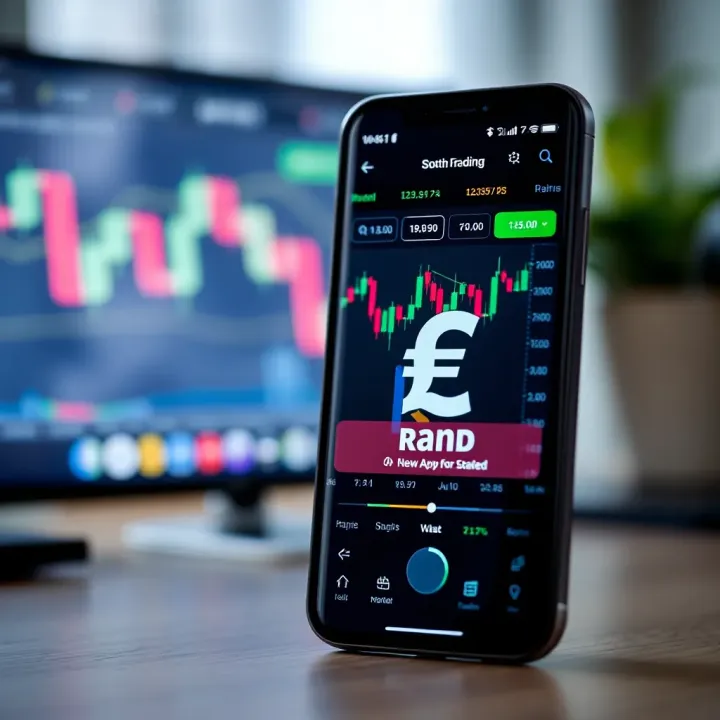
A good place to start is checking how an app handles fees and commissions. Some charge fixed amounts regardless of trade size, while others use percentage cuts that can add up, especially on small trades. For instance, if you’re trading fractional shares on Takealot shares or offshore counters, watch carefully for currency conversion fees and how transparently these are displayed.
Security is non-negotiable. Look for apps offering two-factor authentication (2FA), encryption, and regular security audits. Many local traders prefer apps linked to established banks like FNB or Standard Bank since these often ensure better integration and customer support.
User experience also carries weight, especially if you’re a beginner or juggling trades on the go. Clear charts, easy navigation, and quick order placement reduce stress during volatile market hours. Some apps even offer tailored educational content or demo accounts, which helps sharpen your skills without risking capital.
When it comes to customer support, quick responses can save you from costly mistakes — nothing worse than being stuck when the market moves against you.
To sum it up, South African traders should balance cost, security, ease of use, and local market access. That way, you’re not just trading — you’re trading smarter. Over the next sections, we’ll dig into the best apps available to you and what they bring to the table.
Selecting the right trading app can make all the difference in how effectively you manage your investments. It’s not just about buying and selling shares—your app needs to support your trading style, offer practical tools, and work well within South Africa’s specific market environment. Think about what really matters to you daily: ease of use, access to a variety of assets, smart research options, and smooth mobile performance.
A clean, intuitive user interface is a must, especially if you're diving into the market for the first time or juggling trading alongside a busy schedule. Apps like EasyEquities have gained popularity for a straightforward setup—no cluttered screens, just clear options and neat layouts. When navigating between shares listed on the JSE (Johannesburg Stock Exchange) or making quick trades during a hectic day, it helps to have an interface that’s responsive and easy on the eyes. A cumbersome app can lead to costly mistakes or missed opportunities.
Don't limit yourself to just shares on the JSE. The best trading apps often offer a mix of assets, including offshore stocks, ETFs (exchange-traded funds), commodities, and even forex markets. Sizwe, for example, lets you invest in both local and some global assets, giving you some breathing space to diversify your portfolio. This flexibility is handy considering how currency swings and global events impact local investments differently. Look for apps that let you explore beyond the basics without complicated sign-up processes.
Having the right tools close at hand can sharpen your decision-making. Whether it’s live price alerts, technical charts, or access to research reports from recognised sources, these features can set one app apart from another. Platforms like Standard Bank Webtrader offer decent research aids tailored for South African investors, including market news impacting local companies. Practical tools like simulated trading (or 'demo' accounts) can also help you practise without risking your hard-earned cash.
In South Africa, many traders rely on their mobiles to stay connected, especially with spotty broadband or during loadshedding. A trading app that runs smoothly on Android and iOS, with efficient data usage and quick load times, can prevent frustration when you need to act fast. Plus, look out for features like offline browsing for research or the ability to place orders even on low-bandwidth networks. Apps that eat up data or frequently crash will only slow you down in volatile markets.
A trading app isn’t just a tool — it’s your partner in navigating the market’s twists and turns. Pick one that fits your needs and complements how you trade.
By focusing on these key features, you can weed out apps that promise the earth but fall short where it really counts. Your ideal app should empower you to trade confidently and conveniently, with local context always in mind.

Choosing the right trading app means looking closely at which platforms are popular and reliable within South Africa. Local relevance matters because apps tailored for South African investors often have features that reflect our market specifics—like fees in rand, integration with the Johannesburg Stock Exchange (JSE), and compliance with local regulators. This section breaks down top apps that South Africans trust for trading on their local exchange as well as platforms that provide access to global markets.
South Africans looking to trade shares listed on the JSE will find that apps like Sizwe, EasyEquities, and Standard Bank Webtrader cater well to local needs. Sizwe stands out by offering commission-free trading, which is great for retail investors watching fees closely, while its minimum account opening is affordable, helping ease the entry barrier. EasyEquities enjoys strong popularity for its straightforward interface and fractional share trading, which means you can buy small portions of big-name stocks without needing a large sum upfront—perfect for building a diverse portfolio on a budget.
On the other hand, Standard Bank Webtrader offers more traditional brokerage services with direct access to the JSE, appealing to users who may want a bit more support and additional banking integration. Though its fees are higher than Sizwe and EasyEquities, it adds value with research reports and access to personalised portfolio advice.
Local trading apps put a focus on understanding South African investors’ preferences, from rand-denominated fees to regulatory safeguards under the Financial Sector Conduct Authority (FSCA).
Investors who want to look beyond our borders should consider trading platforms like Interactive Brokers, eToro, and Plus500. These apps provide access to a vast range of international markets, covering shares, ETFs, Forex, and commodities. Interactive Brokers is popular with serious traders for its competitive pricing and advanced trading tools, though the learning curve can be steep for newcomers.
eToro combines social trading features with an easy-to-use platform, which appeals to investors wanting to mirror top traders or learn through community insights. It supports fractional shares on international stocks and is fairly straightforward for those familiar with app trading. Meanwhile, Plus500 offers a simple trading interface focused on CFDs (Contracts for Difference), which allows speculating on price movements without owning the underlying asset, but it's suited more for experienced traders comfortable with higher risks.
For South Africans, these international platforms often involve currency conversion from rand to foreign currencies, which impacts costs. Knowing this upfront helps when weighing options between local and global trading apps.
By comparing local apps with global platforms, traders can weigh benefits like cost, market access, ease of use, and tools—making a choice that fits their investment goals and comfort with risk.
When choosing a trading app in South Africa, understanding costs and fees is essential. These expenses can seriously affect your returns if you don't pay attention, especially if you trade frequently or deal in smaller amounts. It's not just about headline fees; knowing the finer details like currency costs and hidden charges can save you more rand than you’d expect.
Most trading apps charge a commission for each trade you make, but these fees vary widely. For instance, EasyEquities offers commission-free investing for shares listed on the Johannesburg Stock Exchange (JSE), which can be appealing for local traders. However, platforms like Interactive Brokers may charge a fixed commission or a percentage per trade, which could add up if you’re dealing regularly. Besides commission, the spread—the difference between the buying and selling price—also affects costs, particularly in forex or CFD trading. A tighter spread means you're getting closer to the true market price, helping your trades start on better footing.
South African investors often access global markets, meaning currency conversion fees come into play. If you trade US stocks, your rand must convert to dollars, and brokers usually mark up the exchange rate. For example, some apps add a 0.25% to 0.5% fee on top of the standard rate. Withdrawal charges also matter; while some platforms let you withdraw funds without cost, others might charge monthly or fixed fees. When comparing apps, factor in these expenses—especially if you plan to move money frequently in and out.
Not all charges are upfront. Some trading apps impose account maintenance fees if your balance falls below a certain threshold or if you’re not active for a while. Others may charge for inactivity or data access. It's worth checking the app's terms to avoid surprises. For instance, certain brokers might charge a monthly fee of R50-R100 if you don't meet minimum trading volumes. These costs can eat into your profits, particularly for beginner traders or those experimenting with small portfolios.
Keeping a close eye on all the costs—be it commissions, spreads, or hidden fees—helps you pick a trading app that keeps more money in your pocket. Always compare the full fee structures, not just the flashy offers.
Choosing the right app isn't just about features or market access. Understanding all the costs involved will ensure you make an informed decision tailored to your trading habits and financial goals.
Security and regulatory compliance form the backbone of any reliable trading app. For South African investors, these elements safeguard your money and personal data against fraud and misuse. Without proper oversight, apps could expose you to risks like data breaches, unfair trading conditions, or worse — outright scams. That’s why knowing which apps comply with local rules and regulations is crucial.
A trustworthy trading app should be licensed or approved by South African financial regulators, chiefly the Financial Sector Conduct Authority (FSCA). This approval means the app follows specific standards designed to protect investors, such as transparent fee structures and fair trading practices. For example, EasyEquities is FSCA-registered, reassuring users that it operates within South Africa’s legal framework. Avoid apps that lack this stamp of approval, as they may not be subject to appropriate oversight.
Data protection has become a major concern, especially with the Protection of Personal Information Act (POPIA) demanding strict measures for handling user data. The best trading apps store your personal information securely and are clear about how they use it. They employ encryption methods and limit data sharing with third parties. For instance, platforms like Standard Bank Webtrader have dedicated privacy policies and safeguards that comply with POPIA, ensuring your details stay confidential.
A simple password isn’t enough these days. Two-factor authentication (2FA) adds an extra layer of security by requiring a second form of confirmation—like a code sent to your mobile—before allowing access. This helps prevent unauthorised logins, even if your password is compromised. Many apps, such as Interactive Brokers and eToro, offer 2FA as standard. Along with ongoing fraud monitoring and alert systems, these features reduce the risk of hacking and protect your funds.
When choosing a trading app, prioritise security and regulatory compliance above all. Your investments and personal details deserve nothing less than solid protection.
In short, an ideal trading app for South Africans will hold local regulatory approvals, follow strict data privacy rules, and offer robust security measures like two-factor authentication. These features aren’t just nice-to-haves; they’re essential to trade confidently and safely in today’s digital market environment.
When picking a trading app, solid customer support and an engaged user community can make a big difference. Especially in South Africa, where loadshedding and variable network coverage can affect access, getting help when you need it is crucial. Plus, hearing real user experiences gives insight beyond marketing promises.
Local customer service means quicker, more relevant support tailored to South African traders’ specific needs. For instance, an app with call centres or chat support during SA business hours can solve issues faster than automated systems or overseas call centres operating in different time zones. Consider apps backed by major banks like Standard Bank or FNB, as they often provide more accessible local support.
A trader stuck during a volatile market can lose out if they wait hours or days for help. Support in local languages or with South African finance knowledge also helps clear up confusing topics like tax implications or rand conversions. WhatsApp support has become popular, offering a convenient way to get help for many users.
Reading honest user reviews reveals strengths and weaknesses that don’t show up in feature lists. Traders on platforms like Takealot or MyBroadband frequently share their experiences with platforms like EasyEquities or Sizwe, highlighting issues like withdrawal delays or app crashes.
Community forums and social media groups also give you a sense of how responsive a platform is to user concerns and updates. For example, if many users point out glitches after an update and the company acts fast, that app earns trust. Likewise, stories from seasoned traders about hidden fees or customer service quality can save you from nasty surprises.
Strong educational content within the app or on its website helps both beginners and advanced traders sharpen their skills. Look for apps that provide South Africa-specific guides covering topics like NSX trading, navigating SARS taxes, or understanding BEE impacts on shares.
Interactive tutorials, webinars, and explainer videos from apps such as EasyEquities empower users to make smarter decisions rather than guesswork. Localised content that considers common South African investment paths and regulations adds real value. For example, learning how to set up a tax-free savings account (TFSA) through the app’s resources can be a game changer.
Quick, local help and honest user feedback paired with good educational tools can transform your trading experience. Choose apps that support you not just with a platform, but with a community and knowledge.
By prioritising apps with dependable local support, active user communities, and practical tutorials, you give yourself a better shot at navigating South African markets confidently and efficiently.
Looking for the best trading app in South Africa? 📱 Discover easy-to-use platforms with low costs and helpful guides to start your investing journey smoothly.

Find the best forex trading app for South Africa 🇿🇦! Compare features, security, costs & regulations to pick the perfect fit for your trade goals 📈💼

🔍 Find the perfect trading app in South Africa by comparing features, security, fees, ease of use, and local support to trade smart and safe.

📱 Discover how to pick the best free forex trading app in South Africa! Learn key features, spot risks, find top platforms, and get tips to boost your mobile trading success.
Based on 10 reviews