

Free Money Offers for Binary Options Trading in South Africa
Explore how free money offers for binary options trading work in South Africa 🇿🇦. Learn to spot risks, understand rules, and use bonuses wisely. 💰📊
Edited By
Emily R. Thompson
Binary options have become a drawcard for many South African traders who want to tap into fast-paced markets with relatively low starting capital. In essence, binary options let you predict whether an asset’s price will rise or fall within a set time frame, often just minutes or hours. If you guess right, you get a fixed payout; if you’re wrong, you lose your stake.
That said, binary options trading carries inherent risks—especially since not all platforms are trustworthy or transparent. For South African traders looking to avoid scams or shady brokers, reading reliable binary options reviews is a smart move before investing any money.
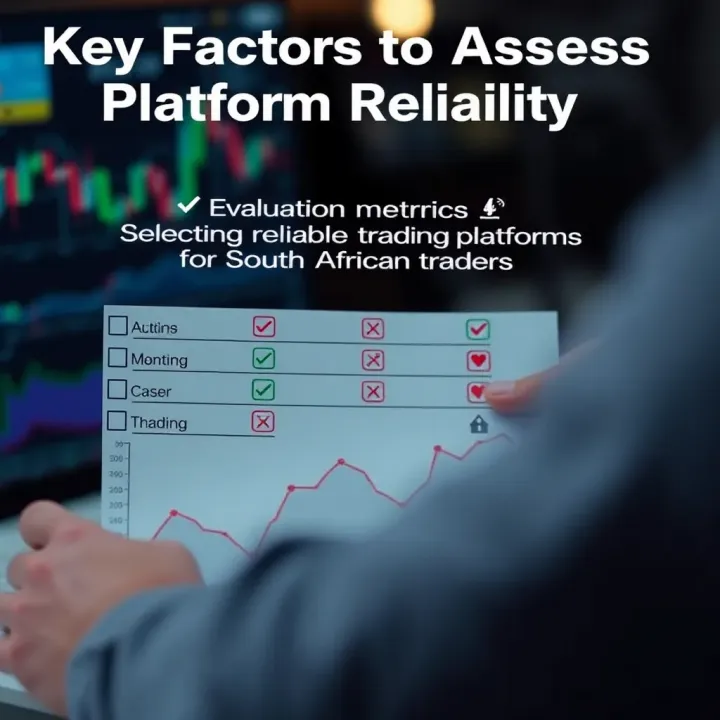
Regulation and licensing: Only trade on platforms regulated by recognised authorities. While South Africa’s Financial Sector Conduct Authority (FSCA) provides regulation, many brokers operate offshore. Check if platforms hold licences from credible jurisdictions like CySEC or FCA.
Platform usability and transparency: A straightforward, user-friendly interface with clear information on fees, expiry times, and payout percentages is vital. Watch out for platforms promising unrealistic returns.
Payment and withdrawal options: Reliable brokers offer multiple withdrawal methods and timely payouts. Delays or restrictions can be red flags.
Customer service: Efficient support accessible via live chat or phone reflects a platform’s commitment to users. In South Africa, having support during local trading hours adds value.
Remember, trading with unverified platforms risks your capital, sometimes without any chance of recourse. Reviews from experienced South African traders can uncover these hazards and help you avoid costly mistakes.
Ultimately, the key to success lies in thorough research combined with good money management. Read well-rounded reviews that detail both positives and negatives. Look for platforms that offer demo accounts so you can test strategies without risk.
By staying informed and cautious, South African traders can navigate binary options markets more wisely and safeguard their hard-earned money against pitfalls.
Grasping the basics of binary options is critical for anyone looking to trade in this space, especially in South Africa where the market is still evolving and fraught with both opportunities and pitfalls. Binary options are all about predicting price movements over short periods, so understanding exactly how they work helps traders avoid costly mistakes.
Binary options are a type of financial instrument where you predict whether an asset's price will be above or below a certain level at a specific time. It's a simple yes-or-no bet; you either win a fixed amount or lose your stake. For example, you might predict that the price of gold will rise above R1,000 per ounce in the next 15 minutes. If correct, you make a profit; if not, you lose the money you invested.
Unlike traditional trading, you're not buying the underlying asset but instead betting on its price direction. This makes binary options easier to understand at first glance but also means your exposure is fixed — you can't lose more than your original investment in that trade.
There are several types, but the two most common are high-low (call-put) and one-touch options. The high-low option involves predicting whether an asset's price will be higher or lower than a set strike price at expiry. One-touch options pay out if the asset price touches a pre-defined level anytime before expiry.
Each type appeals to different trading styles. High-low is straightforward, while one-touch can suit traders aiming for bigger payouts by betting on volatility. In South Africa, platforms often offer these types with varying expiry times — from 30 seconds up to a few hours or days. Understanding which suits your risk tolerance is key.
When you place a trade, you choose the asset, the direction you think it will move (up or down), and how much to invest. The trade then runs until the chosen expiry time, after which it’s settled. Expiry times can range from a minute to several hours, though ultra-short terms (like 60 seconds) come with high risk and often resemble gambling.
For example, on a South African platform, you might opt for a 15-minute expiry on a Rand/US dollar pair. This means your prediction must hold true at that exact moment to win. With quick expiry times, market noise can sway prices unpredictably, so setting realistic timeframes helps manage risk.
Binary options generally offer fixed returns if you win — often between 70% and 90% of your investment. So, investing R1,000 might bring a profit of R700 to R900 if correct. If the trade goes against you, you lose your R1,000 stake, but rarely more.
It's worth noting that some platforms also refund a small portion of your stake if you lose (for instance, 10% back), but this is platform-dependent. Keep in mind that frequent losses, even small, add up quickly, so successful trading requires discipline and often a good strategy to identify when to enter trades.
Understanding these fundamentals will help you critically assess platforms and offers, filter out unrealistic promises, and make more informed decisions with your money.
In sum, knowing how binary options function — from the basic yes/no bets to the variety of expiry times and payout structures — sets the groundwork for effective trading and sensible platform selection. This knowledge is even more valuable in the South African context, where local regulations and market conditions add layers of complexity.

Choosing the right binary options platform can make all the difference, especially for South African traders dealing with a largely unregulated international market. Reviews offer practical insight into how platforms operate daily, revealing whether they deliver on promises or fall short. For instance, a platform boasting quick withdrawals but frequently criticised for delays in user reviews signals caution. On the other hand, positive feedback on responsive support and clear terms can inspire confidence.
Regulation remains a fundamental checkpoint. Even though many binary options platforms operate offshore, it's vital for South African traders to prioritise platforms regulated by credible authorities. These could be bodies like the UK’s Financial Conduct Authority (FCA) or the Cyprus Securities and Exchange Commission (CySEC). Regulation often means there's oversight to protect you from outright scams or unfair practices, though it doesn’t eliminate all risk.
A local trader, for example, might avoid a flashy platform with no visible licence and focus instead on one that clearly states regulatory details and compliance, recognising that this cuts the risk of losing money to reckless operators.
How a platform feels can affect your entire trading experience. User reviews shed light on interface usability, feature availability like live charts or demo accounts, and how stable the platform is during volatile market conditions. A platform that crashes while placing orders or is cluttered with confusing menus will frustrate even experienced traders.
Features tailored for South African users, like ZAR account options or mobile-friendly design for those relying on smartphones, make a platform more appealing. For instance, a well-rated platform offering simple navigation and intuitive tools tends to build user trust and satisfaction.
Practicality around deposits and withdrawals can’t be overstated. South African traders should check for platforms supporting popular local payment methods like EFT (electronic funds transfer), credit or debit cards, or e-wallets such as Skrill and Neteller. Reviews often highlight withdrawal speed and any unexpected fees, key considerations before committing funds.
Delays or a tech support team that stonewalls withdrawal queries are red flags. Conversely, platforms with transparent, quick payment methods noted in reviews suggest reliability. For example, a review mentioning a 24-hour withdrawal turnaround is a good sign.
Transparency about terms, fees, and trading conditions is non-negotiable. A reliable platform is upfront about its rules, payout rates, and hidden charges. Customer service responsiveness, as reflected in reviews, tells you how well the platform supports you when issues crop up.
If reviewers mention prompt responses and helpful staff, it indicates a robust support system. In contrast, constant complaints about unanswered queries hint at trouble, especially when it comes to fund withdrawal or technical glitches.
Several warning signs frequently pop up in reviews of risky platforms. These include promises of guaranteed returns, pressure tactics to deposit more, unexplained account freezes, or poor software performance. Traders sharing stories of difficulties withdrawing funds or sudden account shutdowns should raise alarm bells.
Take note if many recent reviews highlight the same problems; it's often a pattern indicating problems rather than isolated incidents. For example, if a platform has multiple reports of manipulating trades or offering false bonuses, it’s best avoided.
When choosing a binary options platform, carefully sift through reviews focusing on regulation, user experience, and payment transparency. These elements help spot trustworthy operators amid a crowded market, reducing the chance of nasty surprises while trading.
Binary options trading comes with its fair share of pitfalls, especially for South African traders who might be new to this fast-paced market. It’s essential to understand these risks not just to protect your hard-earned Rands but also to trade with a clear head and realistic expectations.
Binary options are often pitched as a quick way to make money, but the flip side is you can lose your entire stake in a single trade. Since outcomes are typically a simple "yes or no" — like predicting if the price of gold will rise within 30 minutes — if your prediction misses, you lose the full investment for that trade. This can mount rapidly, especially if you trade impulsively or without thorough research. For example, if you place smaller bets repeatedly on volatile assets, you risk eroding your capital much faster than with traditional investments.
South African traders must be wary of brokers operating without proper licence from the Financial Sector Conduct Authority (FSCA). Unregulated brokers often promise unrealistic returns or use shady tactics to lure you in, like withholding withdrawals or manipulating prices. There have been cases where platforms disappeared overnight, taking traders’ money along. This not only causes financial loss but complicates any attempts to get legal recourse. Always check if the broker is FSCA-licensed and read reviews carefully to spot common scam warning signs.
The binary options market’s rapid results can trigger addictive behaviour. Traders may find themselves placing trades back-to-back, chasing losses, or getting drawn into high-risk bets just for the thrill. This impulsiveness can quickly blow out your account and create stress. For instance, a trader might see a run of losses and try to "win it back" by doubling stakes recklessly, leading to a quick wipeout.
Many traders expect consistent profits or easy wins from binary options, but reality rarely matches this. Success requires patience, strategy, and understanding market trends — no magic formula exists. Accepting that losses will happen and treating trading like a disciplined activity rather than a quick cash scheme helps manage disappointment. Keeping limits on daily losses and having a solid plan can stop emotions from taking over decisions.
Keeping financial and emotional risks in check is vital when trading binary options. Being aware of these challenges helps South African traders trade smarter and safer, not just hoping for luck but preparing for the realities of the market.
Choosing the right binary options platform is not just about flashy features or big promised returns. For South African traders, understanding the local landscape of regulation, security, and practical trading advice makes a real difference in protecting capital and trading smartly.
The Financial Sector Conduct Authority (FSCA) oversees financial services regulation in South Africa, including the monitoring of trading platforms offering binary options. While many international platforms offer access, South African traders benefit most from dealing with FSCA-regulated entities or those with clear compliance frameworks aligning with FSCA standards. This ensures better protection against fraud, more transparency, and recourse if issues arise.
Without FSCA regulation, you’re essentially trading in the dark. Many scammers target locals by exploiting perceived regulatory gaps, so confirming FSCA oversight or at least adherence to global standards safeguards your investments. Realistically, some reliable brokers operate outside direct FSCA control, but it’s wise to research their reputations and whether they work closely with South African laws before committing funds.
Both the Regulation of Interception of Communications and Provision of Communication-Related Information Act (RICA) and the Protection of Personal Information Act (POPIA) govern data security and privacy. Any platform handling your personal and financial details should comply with these laws to protect you from identity theft and data misuse.
Platforms that align with RICA and POPIA protocols will have clear, transparent processes for verifying your identity and safeguarding your information. In practice, this means you should expect to submit ID documents under secure protocols and receive clear explanations about how your data will be used and stored. This compliance is not just red tape but a shield, especially given the rise in cybercrime affecting South African traders.
Most reliable binary options platforms offer demo accounts where you can practise trading without risking actual money. This is a real boon for beginners or those trying a new platform. Using a demo account helps you familiarise yourself with the market movements, expiry times, and how different trades play out.
For example, a South African trader could try a demo account on a platform like IQ Option or ExpertOption to test strategies in real time, getting a feel for volatility and payout structures. It’s a low-cost way to build confidence before moving to live trades.
Avoid platforms insisting on unconventional or anonymous payment methods. Trusted platforms provide multiple options such as EFT (electronic funds transfer), major credit/debit cards, or well-known digital wallets compatible with Rands transfers.
In South Africa, EFT is often preferred for transparency and traceability. Be cautious if a broker demands Bitcoin or other cryptocurrencies as the only payment method without credible justification. Using established payment routes also helps in faster withdrawals and dispute resolution, sheltering you from potential scams.
Trading on impulse or staking large amounts too quickly is a common pitfall. Most platforms feature tools to set daily or weekly deposit limits, loss caps, or automatic trade pauses. Using these controls helps guard against runaway losses, which can be devastating.
It also pays to keep a trading journal or spend time monitoring your trades regularly to spot any emerging patterns of risky behaviour. For South African traders balancing other financial commitments or dealing with unpredictable conditions like loadshedding interruptions, disciplined limits keep trading from becoming a financial burden.
Starting small, staying informed, and using local regulatory checks isn’t just sensible—it’s how you keep your trading journey steady and under control in South Africa’s evolving financial environment.
Explore how free money offers for binary options trading work in South Africa 🇿🇦. Learn to spot risks, understand rules, and use bonuses wisely. 💰📊
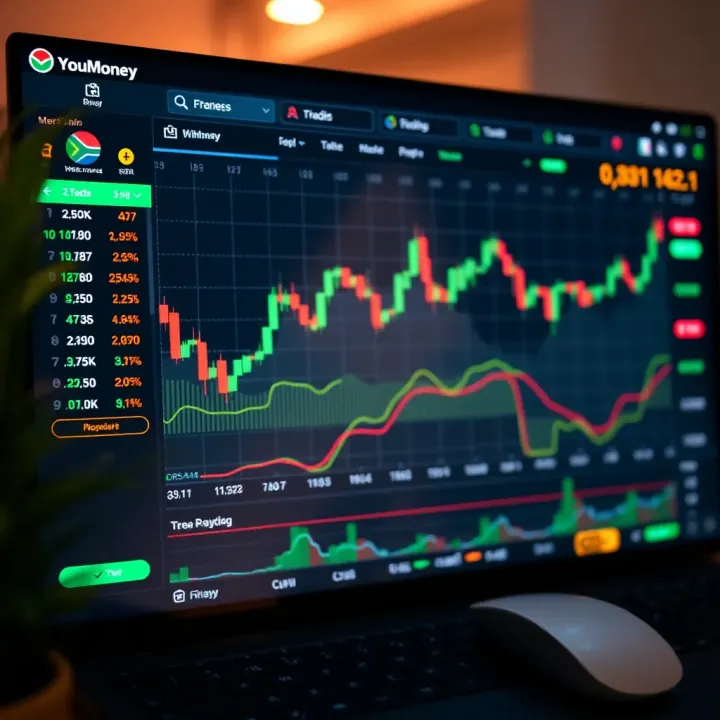
📊 Discover YouMoney Binary's features, risks, and smart strategies for South African traders. Get practical insights into binary options trading today! 🇿🇦

📈 Learn how free binary options signals work and how South African traders can spot reliable ones. Discover tips to trade smarter and avoid common pitfalls.

Explore why binary options are risky💸, how they work⚙️, and the ethical issues⚖️. Learn why many South African investors avoid them.
Based on 10 reviews