

Free Binary Trading Demos Explained for South African Traders
📈 Explore free binary trading demos to sharpen skills! Learn how South African traders select reliable platforms, manage risk, and gain confidence before going live.
Edited By
Daniel Wright
Binary trading has attracted more attention from South African traders in recent years, but it remains essential to understand its characteristics before diving in. Unlike traditional investing, binary options offer a fixed return based on a simple yes-or-no proposition—typically whether an asset’s price will rise or fall within a given timeframe.
This straightforward setup appeals to many, yet the market involves unique risks that demand caution. For example, a trader might predict if the price of gold will increase within the next hour. If they're correct, they earn a predetermined payout; if not, they lose the initial stake. This 'all or nothing' approach means managing risk well is crucial.
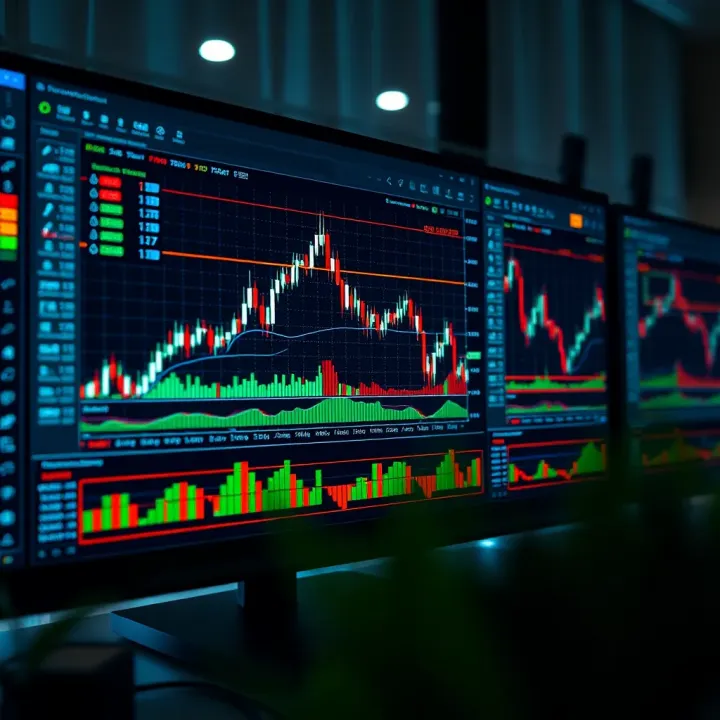
Binary trading’s appeal comes from its simplicity, but it’s not a get-rich-quick scheme. Understanding the steps and risks can help South African traders avoid common pitfalls.
A dedicated PDF guide tailored for South African traders serves as a practical tool, consolidating essential information in one place. Instead of piecing together snippets from various websites, you get actionable knowledge on topics like:
Setting up a trading account with reputable brokers
Step-by-step trading processes
Identifying market indicators relevant to binary options
Managing risk and setting stop-loss strategies
Compliance with South African financial regulations
Such a resource helps decode jargon and clarifies what to expect, saving time and frustration. It also points you toward trusted platforms and explains the importance of regulation by South Africa’s Financial Sector Conduct Authority (FSCA).
South African traders must navigate the landscape carefully. The FSCA oversees financial products and warns against unregulated platforms that may operate scams. Binary trading, while legal under certain conditions, still requires vigilance.
Traders should verify if their broker is registered with the FSCA or recognised international bodies. Ignoring this can lead to losses or legal troubles.
Begin with a demo account to practise without risking real money. Pay attention to market news, especially factors influencing local and global commodities or currencies. Manage your exposure: never risk more than you can afford to lose in these fast-moving trades.
Above all, treat binary trading not as gambling but as a disciplined activity. A solid guide PDF can keep you focused and informed. It’s like having a concise manual that fits in your digital stoep, ready whenever you’re planning your next move.
Understanding the basics of binary trading lays the groundwork for anyone interested in this form of speculative investment. Unlike traditional trading where profits rely on the extent of price change, binary trading boils down to a simple yes-or-no proposition: will an asset reach a certain price by a set time? This simplicity distinguishes it and often draws in newcomers who might find stock or forex trading too complex.
Binary trading centres on predicting whether an asset's price will move up or down within a predetermined period. Instead of owning the underlying asset, you're simply betting on its price direction, with fixed outcomes. For example, you might place a trade on whether the JSE Top 40 index closes higher within the next hour. If you're right, you receive a set payout; if not, you lose your stake. The fixed nature of the returns differs sharply from traditional trading, which has variable profits depending on market movement.
Common assets in binary trading include stocks, indices, commodities, and currencies. South African traders might focus on local favourites like the rand (ZAR), platinum prices, or JSE-listed companies alongside global assets such as gold or oil. This range offers flexibility and allows traders to choose markets they understand or feel comfortable with.
Trades themselves are structured as options with two possible outcomes: a 'call' (price will rise) or a 'put' (price will fall). Each trade comes with a fixed expiry time, varying from minutes to hours. The appeal is clear: you know your risk and possible reward upfront, with no surprises about the size of potential losses or gains.
The straightforward nature of binary trading is a major draw. Unlike the often overwhelming complexity of other markets, the clear yes/no proposition means many South Africans can get started without a deep dive into technical analysis or charts. This simplicity leads to confidence, especially for those new to financial markets.
Also, binary trading offers the chance for short-term gains. Some traders appreciate the ability to make quick decisions and see results within minutes. For instance, a trader might place several quick trades around key economic announcements or market openings. However, while potential returns are tempting, this fast pace also requires discipline to manage risks effectively.
Accessibility plays no small part either. Thanks to online platforms accessible via mobile and desktop, it’s possible to trade anytime and anywhere in South Africa. This is big for people balancing jobs, studies, or family commitments. Plus, deposits and withdrawals in rand make transactions straightforward, avoiding forex conversion hassles.
Binary trading’s clear structure and access through online platforms have democratised trading opportunities, making the market approachable for many South Africans keen to explore beyond traditional investments.
Through understanding these key elements — how trades work, what assets are available, and why this appeals locally — traders can approach binary trading with a practical, well-informed mindset.
Getting started with binary trading in South Africa requires making informed choices. Whether you’re a beginner or have dabbled in trading before, knowing the right broker and platform is key. This first step determines not only your trading experience but also affects your security and potential returns.
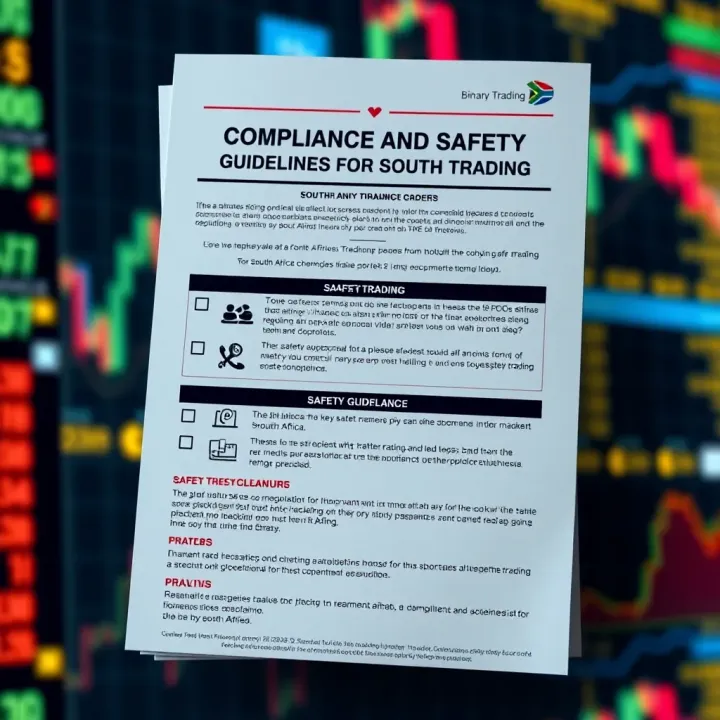
When picking a broker, the first thing to check is if they’re regulated, especially by South Africa's Financial Sector Conduct Authority (FSCA). Regulation offers a layer of protection against scams and ensures the broker meets financial standards. Equally, look into the broker’s reputation — reviews from actual traders on forums like MyBroadband or Facebook groups can be eye-openers. High fees can quickly eat into profits, so those with transparent and reasonable spreads or fixed fees work best. Some brokers charge high commissions or withdrawal fees, so shop around smartly.
Local brokers may offer smoother Rand deposits and withdrawals, plus customer service during South African office hours. They often understand local contexts like FICA verification and exchange controls. However, international brokers sometimes provide broader market access and better technology. Keep in mind the currency conversion fees when using offshore brokers. For example, an international broker operating globally might offer access to options on commodities like gold or Brent crude but might require deposits in USD or EUR, incurring extra currency charges.
An intuitive and stable trading platform is essential. Features like live charts, real-time quotes, clearly laid out options, and fast execution make trading easier. Platforms optimized for mobile matter since many South Africans prefer trading on smartphones. Bonus features such as demo accounts, educational resources, and quick customer support can boost your confidence, especially early on.
South African brokers and platforms must comply with the Financial Intelligence Centre Act (FICA). That means you will need to submit ID documents, proof of residence, and possibly proof of income to comply with anti-money laundering laws. While this might seem like a hassle, it’s for your protection. Completing FICA verification promptly will stop delays when you want to deposit or withdraw funds.
FICA verification is a must-have step. Holding off only slows you down and can lead to account restrictions.
To avoid unnecessary currency conversion fees, choose a broker that lets you fund your account in South African Rand (ZAR). Payments via local bank transfer, EFT, or even SnapScan are often accepted by local or South Africa-friendly platforms. Keep in mind some brokers may offer minimum deposits around R500 to R1,000, which is manageable for most new traders looking to test the waters.
Once your account is funded, spend time getting familiar with the platform interface. Placing trades on a binary options platform typically involves choosing your asset, selecting a direction (up or down), setting the trade amount, and picking the expiry time. It sounds simple, yet knowing how to read price movements and managing timing well can improve your outcomes. Always start with smaller trade amounts until you’re comfortable navigating the platform and understanding how trades settle.
Beginning with the right broker and platform, complying with FICA smoothly, and learning the basics of trade execution form the groundwork. This sets you up to approach binary trading with more confidence and safeguards.
A binary trading guide PDF is more than just a manual—it’s your map through the often tricky trading terrain. For South African traders looking to understand this niche market, a good guide helps cut through jargon and reveals practical steps to improve trading habits and results. Using one well can save you time and money, and even help you avoid common pitfalls.
A quality guide breaks down how binary trading actually works, without drowning you in technical language. It explains the basic mechanics—the "yes or no" nature of trades where you predict whether an asset’s price rises or falls within a set timeframe. Such clarity is essential, especially if you're a beginner grappling with terms like "expiry time," "strike price," or "in the money." For example, understanding that picking a call option means you're betting the price will rise helps you make smarter choices without second-guessing.
Managing how much you stake per trade and deciding when to step back are covered thoroughly in a good guide. It doesn’t just say "manage risk" but offers tangible advice—like limiting trades to no more than 5% of your available capital at a time or diversifying between assets rather than putting everything on one bet. In South Africa, where market volatility can spike due to global or local events, knowing how to shield your account from big losses is crucial.
Recognising trends and signals is key to timing your trades, and good guides offer simple ways to read these from charts, news, or economic indicators. They might highlight how sudden news about, say, a Rand weakness due to political developments could suggest a short-term dip to trade on. Even simple tools like moving averages or support and resistance levels are explained with examples, giving you a leg up in spotting opportunities before the crowd.
An effective guide includes exercises or scenarios that let you test strategies without risking real cash. It could be a simulated trade where you decide which option to pick based on a given asset’s price movement. Practicing this way builds confidence and helps embed the lessons so they stick when you do go live. Instead of just reading theory, you're applying it, and that makes a difference.
Binary trading isn’t one-size-fits-all. A solid guide points out how to adjust tactics depending on South African market quirks—like the impact of Eskom loadshedding on certain stocks or how commodity prices affect the JSE. It encourages you to stay aware of your home market news and incorporate that insight rather than blindly following international signals.
Since binary trades often close in minutes, you need to act fast but also avoid rash moves. Good guides teach you how to prep with quick checks rather than knee-jerk reactions. For example, glancing over key market news or recent price action before executing trades can prevent mistakes. This balance is vital; you want speed on your side without throwing caution to the wind.
Treat the trading guide PDF as an ongoing resource, not a one-time read. Returning to it regularly helps sharpen your skills while adapting to shifting markets and personal experience.
With practical advice tailored to South African trading realities, a solid binary trading guide PDF arms you with knowledge to trade smarter, recognise risks, and boost your chances of success.
Understanding the risks and regulations associated with binary trading is vital for South African traders. This segment focuses on the potential pitfalls and the legal framework governing binary trading locally, helping you navigate this high-risk market with your eyes open.
Binary trading carries a high-risk profile due to its all-or-nothing nature. You bet on the outcome of an asset—whether its price will rise or fall—within a specified time. If your prediction misses the mark, you lose your entire stake. This quick, binary outcome means losses can pile up fast if you’re not careful. It’s like crossing a busy robot without looking thoroughly; the stakes are palpable and mistakes costly.
Scams are unfortunately widespread in this sphere. Promises of guaranteed profits or insider tips are major red flags. Many bogus platforms target South Africans by exploiting the excitement around easy gains, but they often disappear with deposits or fail to allow withdrawals. To avoid falling prey, always scrutinise platform legitimacy, read user reviews, and check compliance with South African regulations before parting with your Rands.
Market volatility also plays a big role. Swings in the value of forex pairs or commodities can be sudden and unpredictable, affected by global events or local issues like political shifts or economic announcements. This unpredictability means even well-educated guesses might lose. Traders should understand this ‘wild ride’ aspect and avoid betting more than they can afford to toss away.
The Financial Sector Conduct Authority (FSCA) oversees financial markets in South Africa, aiming to protect consumers from risky or fraudulent investments. While the FSCA currently does not license binary trading specifically, its broader mandate means it keeps a close eye on related activities and warns consumers about unregistered entities.
South Africa’s regulatory stance is cautious—binary options are generally seen as high-risk speculative products, and many forms of binary trading fall outside formal regulation. This means traders have to take extra care to choose platforms that either have international licences or are transparent about their operations. The FSCA regularly issues warnings against unregulated binary brokers to shield South African investors from malpractice.
Trading through licensed platforms is crucial. A verified brokerage will follow rules about client fund protection, transparent pricing, and dispute resolution. This provides some recourse if issues arise, unlike unregulated sites where users often have no protection. By sticking to FSCA-registered or well-recognised international brokers active in South Africa, you safeguard your capital and trading experience against avoidable hazards.
Always check for proper licensing before trading. This simple step can save you from costly scams and steep losses.
In summary, binary trading in South Africa demands awareness of its risks and the fragmented regulatory landscape. Act cautiously, use reputable platforms, and keep your trading amounts manageable. That approach will help you trade smarter and safer in this high-stakes environment.
When trading binary options, protecting your capital while aiming for steady gains comes first. This section focuses on key tips to keep your trading effective, minimise unnecessary losses, and stay informed in the fast-moving markets South African traders operate in.
Setting limits on trade size helps you control how much money you risk on any single bet. For example, if you have R10,000 in your trading account, limiting each trade to 2% or R200 protects you against losing your entire balance on a bad streak. This approach keeps you in the game longer and reduces the emotional strain that bigger losses cause.
Recognising when to stop is equally important. Traders often feel pressured to keep trading after a loss to quickly recover, which usually leads to deeper losses. It’s practical to set daily or weekly loss limits — say, 10% of your total capital — and walk away once reached. This discipline guards your funds against impulsive decisions often fuelled by frustration or desperation.
Keeping emotions in check is a challenge for many traders. Greed after winning streaks or fear during downturns can lead to poor choices. To stay calm, establish clear trading rules beforehand, stick to your strategy, and avoid chasing losses. For instance, if you plan to trade only between 8 am and 10 am, finish strong and pause rather than impulsively jumping in with unfocused trades.
Using updated PDFs and guides matters because financial markets and trading tools evolve constantly. A binary trading guide PDF written a year ago may lack the latest platform features or regulatory changes affecting South African traders. Regularly refreshing your resources ensures your strategy remains aligned with current market realities.
Following news impacting assets and markets equips you to make smarter decisions. For example, political changes in South Africa or shifts in commodity prices like gold or oil can influence market trends underlying binary options. Access reliable financial news sources and keep tabs on announcements from bodies like the South African Reserve Bank (SARB) or global economic reports.
Participating in local trading communities provides valuable peer support and practical insights you won't always find in guides. South African forums or social media groups allow you to share experiences, ask questions about broker reliability, or discuss how loadshedding affects your trading schedule. Active involvement keeps your perspective grounded and sharp.
Successful binary trading is as much about mindset and discipline as knowing the mechanics. Managing risk, keeping cool, and staying informed help navigate the market’s ups and downs, especially in a dynamic environment like South Africa.
By following these practical tips, you build safer trading habits and improve your chances to make consistent, sensible decisions.
📈 Explore free binary trading demos to sharpen skills! Learn how South African traders select reliable platforms, manage risk, and gain confidence before going live.

🌍 Explore global forex trading essentials & risks, top currency pairs & strategies tailored for South African traders. Stay informed and trade smart! 💹
📊 Practical Forex Trading Tips PDF for South African traders! Learn smart strategies, risk controls, and analysis tools to boost your forex success today.
📈 Learn how South African traders can use free forex trading signals effectively. Discover types, sources, benefits, risks & tips to choose providers wisely. 📊
Based on 8 reviews