
Understanding YouMoney Binary for South African Traders
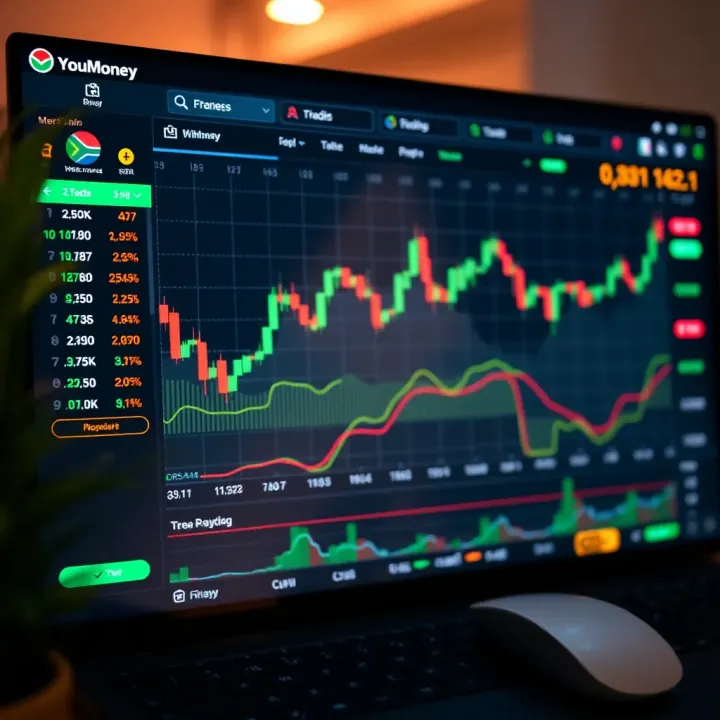
📊 Discover YouMoney Binary's features, risks, and smart strategies for South African traders. Get practical insights into binary options trading today! 🇿🇦
Edited By
Oliver H. Bennett
Selecting a trustworthy binary broker can be tricky, especially in South Africa where regulation and market conditions add layers of complexity. To trade confidently, you must understand what makes a broker reliable and well suited to your trading style.
At the core, South African traders need brokers regulated by reputable authorities, preferably those recognised locally or internationally, such as the Financial Sector Conduct Authority (FSCA) or the UK’s Financial Conduct Authority (FCA). Regulation ensures compliance with standards designed to protect your funds and personal data.

Next comes the trading platform itself. A broker’s software should be stable, user-friendly, and compatible with both desktop and mobile devices. For example, many South African traders appreciate platforms offering MetaTrader 4 or 5 due to their comprehensive features and local support.
Fees and commissions vary widely. Some brokers charge fixed fees per trade, while others take a percentage of profits or impose withdrawal charges. Assessing all related costs upfront avoids surprise deductions that can eat into your returns.
Diversity of assets to trade is another key point. The best brokers for South African users should offer a wide range of binary options on currencies (forex), indices, commodities like gold or platinum familiar to the regional market, and even cryptocurrencies where permitted.
Customer support counts a lot, especially if issues arise during trading. Prefer brokers offering timely help in English and possibly Afrikaans through phone, live chat, or email. Real-time assistance can prevent a small snag turning into a costly problem.
Beware of brokers promising outrageous returns or pushing you to invest large sums quickly. Numerous scams operate under the guise of binary trading. Always verify broker credentials and read multiple independent reviews before committing.
In summary, prioritise:
Proper regulation and licence verification
Intuitive, reliable trading platforms
Transparent fee structures
Asset variety matching your trading interests
Responsive, multilingual support
Understanding these factors arms you to avoid common pitfalls and pick a binary broker who fits your goals and the South African trading environment well.
Binary trading offers a simple way to speculate on the direction of various assets without owning them outright. Understanding this form of trading is crucial for traders in South Africa who want to navigate the market with clarity and ensure they pick brokers that suit their needs. This section breaks down what binary trading means in practice and why it has caught the attention of many South African traders.
Binary trading, often called all-or-nothing trading, involves predicting whether the price of an asset will rise or fall within a specific time frame. Traders choose between two outcomes: they either win a fixed payout if their prediction is correct or lose their stake if it is not. For example, if you speculate that the price of gold will be higher than R1,000 per ounce in an hour and it is, you receive a predetermined return—typically between 70% and 90%.
Unlike traditional share or forex trading, you don’t buy the asset itself. Instead, you’re betting on price movement, which makes binary trading more accessible and quicker for beginners or those looking for short-term opportunities. The straightforward yes/no structure is easier to understand than complex chart analysis or margin trading.
South African traders are drawn to binary trading for several reasons. First, the market works across various assets like forex pairs (e.g., USD/ZAR), indices such as the JSE Top 40, commodities like gold and platinum, and international stocks such as Apple or Tesla. This range allows traders to tap into both local and global markets without opening multiple accounts or platforms.
Second, binary trading platforms often have low minimum deposits, sometimes as little as R250, making them accessible even for those starting with a modest budget. Plus, trades can be as short as 60 seconds, enabling users to react quickly to market news or local events—like interest rate announcements from the South African Reserve Bank (SARB) or unexpected Eskom loadshedding affecting company performances.
Traders should remember, though, that while binary options offer simplicity and quick returns, they carry substantial risks. It’s vital to understand the mechanics and approach each trade with discipline to avoid significant losses.
South African traders appreciate how binary trading fits alongside other investment types, especially as a tool for quick speculation rather than long-term wealth building. Understanding binary trading’s basics helps ensure you pick the right brokers, avoid scams, and make the most of the opportunities available in Mzansi’s unique financial landscape.
Choosing the right binary broker isn't just about picking a name off a list; it's about understanding what makes a broker trustworthy and suitable for your trading style. Several key factors help you steer clear of trouble while maximising your potential for success. These include regulation, trading platforms, available assets, costs, and customer support. Let’s break these down and see why they're vital for South African traders.
Regulation serves as your first line of defence against dodgy brokers. In South Africa, no domestic regulatory body specifically oversees binary brokers, so the spotlight falls on international authorities with solid reputations. Look out for brokers licensed by organisations such as the Financial Conduct Authority (FCA) in the UK, the Cyprus Securities and Exchange Commission (CySEC), or the Australian Securities and Investments Commission (ASIC). These regulators enforce transparency, fair trading, and client fund protection which can help avoid scams.

It’s crucial to remember that a broker regulated abroad does not automatically guarantee safety, but it reduces risk significantly compared to unregulated operators. South African traders should be wary of brokers claiming registration with unknown or dubious authorities.
Beyond official licences, check for clear company information, physical business addresses, and owner transparency. A credible broker will provide detailed terms and conditions, clear contact information, and proof of using segregated client accounts — important for safeguarding your funds.
Trust indicators might include membership of recognised international organisations or adherence to anti-money laundering (AML) rules consistent with the Financial Intelligence Centre Act (FICA) standards South Africans know well. For instance, brokers who insist on proper identity verification during account setup tend to be more reliable.
Trading convenience starts with a user-friendly platform. Most reputable brokers offer both web-based and mobile platforms, so you can trade anytime, anywhere from your laptop or cellphone. For South African traders, mobile access is particularly useful due to on-the-go lifestyles and spotty data availability.
A good platform runs smoothly without constant crashes or freezes and works well even on modest data packages. Taking a test drive via demo accounts before committing real money can reveal if the platform fits your needs.
Beyond basic execution, look for platforms that offer helpful tools like real-time charts, customisable indicators, and alert notifications. Some platforms provide educational materials, market news updates, or automated trading options that can sharpen your edge.
For example, an South African trader using a platform with built-in risk management features like stop-loss settings can better protect capital during volatile sessions influenced by global events or local economic news.
Variety in assets lets you diversify and seize different market chances. Most brokers offer currency pairs (Forex), global stocks, commodities like gold and oil, as well as indices such as the JSE Top 40 or the S&P 500.
If you primarily follow local economic trends, access to JSE-related indices or South African companies may be more relevant than solely international assets. Being able to switch between markets based on timing or preference is a handy feature.
While many brokers focus on international markets, some also provide access to local assets familiar to South African traders. This can offer better insight and comfort when trading. However, local availability sometimes comes with higher fees or limited trading hours.
Weigh how important country-specific exposure is against the costs and trading conditions. A balance between local and global assets might serve best.
Fees can eat into profits if not clear upfront. Common fees include trading commissions, deposit or withdrawal charges, inactivity fees, and currency conversion costs. For example, funding your account via local bank transfer might be free, but using international credit cards could attract fees.
Ask brokers to disclose all fees openly—hidden costs can erode your bankroll without you realising.
Payout rates show what percentage of your investment you receive on a successful trade, often ranging between 70% and 90%. Higher payouts mean less trades are needed to break even. Even a small dip in payout percentages can affect profitability over many trades.
Compare brokers' payout rates alongside fees and asset choices to decide the best overall value.
Problems can pop up anytime, so good customer support is a must. Look for brokers offering quick response times, preferably via live chat or call centres operating during South African trading hours (SAST).
A delay in addressing withdrawals or trade disputes can cost you time and money, so solid support matters.
Check that the broker supports multiple contact channels including email, phone, and chat. A local Johannesburg or Cape Town contact number or at least regional mobile-friendly support can make communication easier.
Some brokers offer FAQs and guides tailored to South African regulations like FICA compliance, which simplifies onboarding for locals.
Choosing a broker is more than a click—it's about trust, usability, accessibility, and clear costs. South African traders benefit from doing their homework upfront to avoid pitfalls and focus on smart trading.
Trading binary options carries risks that every South African trader should understand upfront. While the idea of quick returns can be tempting, the potential pitfalls demand careful attention, particularly when selecting a broker. Recognising common hazards and warning signs helps you avoid losing your hard-earned money to unscrupulous operators or poor trading conditions.
One of the biggest dangers in binary trading is falling prey to scam brokers. These entities often promise unrealistic profits, push high-pressure sales tactics, or make it difficult to withdraw funds. Warning signs include lack of clear regulatory licences, aggressive cold calls or messages, and vague contact details. For instance, brokers claiming to be regulated but failing to provide verifiable licences from recognised authorities should raise immediate suspicion.
Avoiding these scams means doing your homework: check if the broker is registered with South African authorities like the Financial Sector Conduct Authority (FSCA), or internationally respected bodies such as the Cyprus Securities and Exchange Commission (CySEC). Also, search for independent reviews and user feedback—if multiple traders report delayed withdrawals, sudden account freezes, or poor customer service, move on. Remember, a reputable broker will have transparent terms and clear channels for support.
Leverage allows traders to control larger positions with less capital, but it comes with the risk of magnified losses. Some brokers offer high leverage ratios which can quickly erode your balance if a trade turns against you. Managing this exposure is vital to preserve your funds and trade sustainably.
Practical risk control includes setting limits on how much of your capital you're willing to expose on a single trade. For example, using no more than 2-5% of your account on one position helps prevent devastating losses. Some brokers provide risk management tools like stop-loss orders or guaranteed downside protection, which can help you contain losses.
Understanding both the potential and limits of leverage empowers you to trade with greater discipline and foresight, reducing surprises when the market swings.
In short, be cautious with brokers offering extremely high leverage without clear risk warnings. Prioritise platforms that educate you on risk and provide controls that fit your strategy. This approach lays a solid foundation for more informed decisions and longer-term success in binary trading.
Opening and managing an account with a binary broker requires care, especially for South African traders. Ensuring your registration goes smoothly and your funds are protected helps build trust and confidence in the trading process. This section breaks down what documentation you’ll need, how to fund your account securely, and what to expect with withdrawals.
South African traders must provide valid identification to comply with regulatory standards like the Financial Intelligence Centre Act (FICA). Typically, this means submitting a certified copy of your green bar-coded ID book or smart ID card. Proof of residence, such as a recent utility bill or municipal rates statement not older than three months, is also needed to verify your address. This helps brokers confirm your identity and location, reducing fraud risks.
Brokers often require these documents during account registration or before your first withdrawal, so it pays to have everything ready. For example, submitting a clear scan or photo of your ID and proof of residence can speed up verification, letting you start trading sooner without hiccups.
Most reputable South African binary brokers support several payment methods suited to local traders. Common options include EFT (electronic funds transfer) from major banks like FNB or Standard Bank, credit or debit cards, and e-wallets such as Skrill or Neteller. Some platforms also accept deposits via PayFast, a popular local payment gateway.
Choosing a method with low or no fees and quick processing is important. EFT deposits typically take one to three business days, while card and e-wallet transactions can be almost instant. This allows you to react faster to market moves without being held up by delays.
Withdrawal methods usually mirror deposit options, but processing times can vary depending on the broker and payment type. EFT withdrawals might take up to five business days due to banking procedures. E-wallet and card withdrawals tend to be quicker, often within 24 to 72 hours. Always check the broker’s terms for withdrawal limits and potential fees before funding your account.
Keeping your account safe and your funds accessible depends on following proper verification steps and choosing trusted payment options. Preparedness with the right documents and selecting reliable, locally accepted payment methods can make managing your trading account hassle-free.
📊 Discover YouMoney Binary's features, risks, and smart strategies for South African traders. Get practical insights into binary options trading today! 🇿🇦

Explore how free money offers for binary options trading work in South Africa 🇿🇦. Learn to spot risks, understand rules, and use bonuses wisely. 💰📊

Learn the fundamentals of forex trading 🇿🇦, from market basics and risk management to choosing brokers and strategies tailored for South African traders 📉💹.
Learn how forex trading seminars in South Africa can boost your skills 📈 Discover top providers, key topics, and tips for maximizing your trading education.
Based on 13 reviews