

How to Convert Fractions to Binary Easily
Learn how to convert fractional decimals to binary with clear steps, tips, and examples 🔢 Perfect for students and pros wanting deeper understanding.
Edited By
Sophie Hughes
Binary trading has become increasingly popular among South African traders looking for quick gains without hefty initial investments. Starting with a $100 minimum deposit is a common entry point offered by many brokers, allowing you to test the waters without breaking the bank. But before you dive in, it’s smart to understand what this deposit level means for your trading options and risk exposure.
A $100 minimum deposit sets the stage for trading on platforms tailored to both beginners and modest investors. These brokers usually have straightforward account verification processes, supportive customer service, and user-friendly interfaces. However, the quality and terms can vary widely, so a critical eye is necessary when choosing where to place your money.

Trade size and leverage: Brokers with a $100 minimum deposit might limit the minimum trade size, often around $1 or $2. Leverage, if offered, tends to be conservative to protect smaller accounts.
Asset variety: Expect a decent range of assets such as major forex pairs, indices, commodities, and sometimes stocks. Still, some platforms limit access to premium assets for higher-tier accounts.
Payout rates: Typical payout percentages for successful trades hover between 70% and 90%, but these can fluctuate depending on the asset and market volatility.
Starting with $100 requires careful money management: even a few losing trades can rapidly erode your balance, so set clear limits and use demo accounts before committing real funds.
Selecting the right broker also means verifying their regulatory compliance and trading conditions. South African traders should prefer brokers registered with recognised financial authorities or with clear adherence to international standards to avoid falling prey to scams.
In this article, we will explore how brokers with $100 minimum deposits operate, what you should expect, and practical tips for managing both risk and returns effectively in this budget range. This knowledge will help you make an informed choice, suited to your trading style and goals.
Binary brokers that ask for a $100 minimum deposit serve as a practical entry point for traders looking to test the waters without committing too much capital. This deposit amount reflects a balance between accessibility and the broker’s need to cover operational costs. For traders, it means getting access to a full trading platform, but with a manageable sum that can be increased as confidence and experience grow.
Putting down a $100 deposit typically means you can start trading with a decent range of binary options, without stretching your budget too thin. It’s especially useful for new traders who don’t want to risk large amounts while they’re still learning the ropes. This deposit size usually qualifies you for standard trading conditions rather than premium services, though some brokers may offer special perks even at this level.
Beyond the initial amount, remember that this deposit often sets the tone for the account features available to you. Some brokers use it to determine eligibility for bonuses, customer support tiers, and withdrawal limits.
Most brokers accept common payment options, making it straightforward to fund your trading account. Debit and credit cards like Visa and Mastercard are nearly universally accepted. In South Africa, many platforms also provide for payments via EFT (electronic funds transfer), which can take a bit longer but is a familiar method.
Additionally, e-wallets such as Skrill or Neteller are widely supported and offer faster transactions with extra security layers. Some brokers may even accept cryptocurrencies, but that’s less common and often comes with higher risks. Always check if your preferred deposit method has any fees or processing delays.
At a $100 deposit, traders typically gain access to the most popular types of binary options. These usually include high/low (predicting whether the price will rise or fall), one-touch, and range options. While more exotic or complex options might be reserved for higher deposits, the options available at this level cover a broad spectrum, suitable for building foundational strategies.
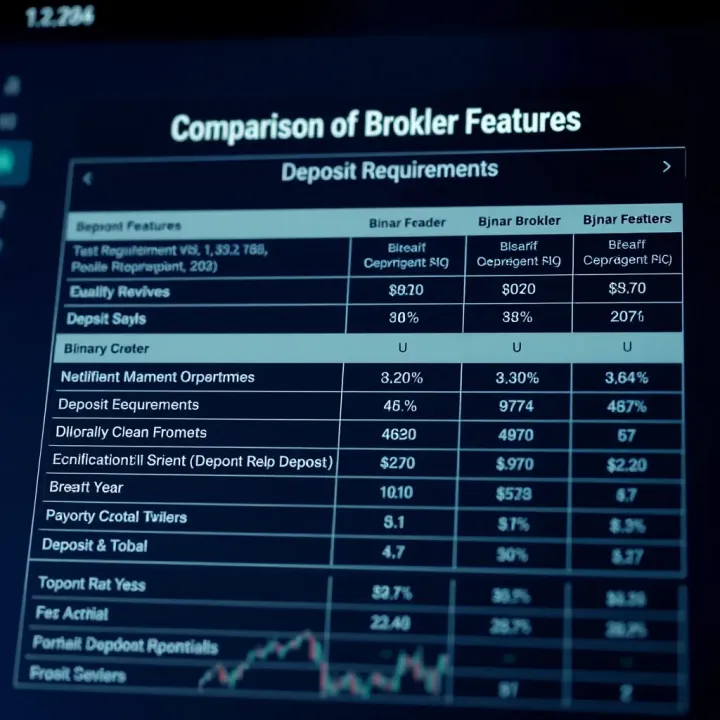
This range lets you diversify trades across various assets such as currencies, commodities, stock indices, and sometimes individual shares, keeping your portfolio varied without blowing your budget.
Platforms supporting $100 deposit accounts usually offer a solid set of tools, though advanced features like algorithmic trading or extensive technical indicators might be limited. Essential tools include real-time price charts, basic technical analysis indicators, and clear expiry times.
Many brokers pair these features with user-friendly interfaces suited for both beginners and more experienced traders. Mobile compatibility is common, letting you trade on the go through apps or mobile-optimised websites. Demo accounts often come bundled as well, which help you get comfortable with the platform before committing real funds.
Brokers with a $100 deposit requirement tend to balance affordability with functional trading features, making them a suitable starting point while still offering room to grow your trading skills and portfolio.
This structure keeps trading accessible without sacrificing the essential tools needed to make informed decisions.
Starting binary options trading with a $100 deposit offers several practical benefits, especially for new traders or those mindful of their budget. However, it also comes with limitations traders need to understand before committing their money.
Affordability and accessibility make a $100 deposit level quite appealing. For many traders, especially those just testing the waters, this sum strikes a good balance between risk and opportunity. It’s not so small that you can’t really get a feel for the market, but also not too high to put a heavy dent in your available funds. For instance, a Johannesburg-based trader might find this deposit amount manageable alongside other living expenses, making it a sensible entry point without putting financial strain on everyday budgets.
The low deposit requirement also lowers the barrier to entry for individuals in smaller towns or more rural areas where alternative investment opportunities may be limited. With access to a reliable internet connection and a mobile device, traders from places like KwaZulu-Natal or the Northern Cape can start experimenting without needing large capital.
Lower financial risk is another key benefit of this deposit level. With only R1,500 or so (roughly $100) on the line, traders don’t expose themselves to large losses from the outset. This encourages learning by doing without the stress that comes from risking vast sums. It’s easier to accept setbacks and refine strategies with less money at stake. For example, a student in Cape Town deciding to try out binary options won’t risk their entire monthly allowance, which helps keep trading stress to a minimum.
One of the limitations relates to trading volume and position size. A $100 deposit naturally restricts how many trades you can place or the size of each position. Brokers often impose minimum trade sizes too, meaning you could be limited to placing just a handful of trades before needing to top up. This can stifle the learning experience and reduce profit potential. For example, if the minimum trade size is $10, you only get to make ten trades before running out of capital.
There can also be constraints on bonuses and promotions when starting with a $100 deposit. Brokers sometimes reserve their best offers—like deposit matches or risk-free trades—for clients who invest larger sums. While these bonuses can add real value, small depositors may miss out or get significantly reduced incentives. This makes it tougher to boost trading capital early on and could slow overall growth for those looking to scale up.
Traders with $100 deposits need to weigh these pros and cons carefully. While the entry point is accessible and less risky, growth opportunities and trading flexibility might be limited. Understanding these factors can help you choose the right broker and get the most from your investment.
Balancing these benefits and limitations will guide you towards a trading approach that fits your financial reality and goals.
Selecting the right binary broker when you're starting with a $100 deposit isn't just about finding the lowest minimum. You need to look closely at the broker's credibility, costs involved, and the quality of their service. These elements can greatly impact your trading experience and your potential returns.
Checking licences and oversight bodies: Always check whether a broker holds a valid licence from a recognised regulatory body. In South Africa, bodies like the Financial Sector Conduct Authority (FSCA) provide oversight to ensure brokers play by the rules. A broker regulated by a reputable authority means your funds are safer and the company follows certain transparency and fairness standards. Without this, you risk dealing with untrustworthy or even fraudulent operators.
Reviews and user feedback: Beyond licences, it pays to read what other traders say. Real user reviews can reveal problems like slow withdrawals, tricky terms, or poor platform performance. For example, if multiple traders complain about withdrawal delays or hidden charges, these red flags shouldn't be ignored. Online forums and financial review sites geared to South African traders will often give you a clearer picture of a broker's reputation.
How fees affect profitability: Even a tiny fee can eat into your profits over time, especially with a starting deposit of $100. Brokers might charge fees on deposits, withdrawals, or trades. Some fees could be hidden in the form of wide spreads or reduced payout percentages. Knowing the fee structure upfront lets you calculate your break-even point and forecast potential returns more realistically.
Comparing payout percentages: The payout rate tells you how much you stand to gain from a successful trade. A broker offering a 85% payout on a winning option means a R100 bet could return R185. However, some brokers tempt traders with higher payouts but charge heavier fees elsewhere. Comparing payout rates alongside fees helps you find a broker where your hard-earned R100 stretches further.
Availability and responsiveness: Ideally, you want a broker who offers reliable customer support when things go awry. Slow or unhelpful responses can cause unnecessary frustration, especially if you need help with deposits, withdrawals, or technical glitches. Good brokers offer multiple contact channels—such as live chat, email, and telephone—and respond promptly during business hours.
Ease of use on desktop and mobile: Since not everyone trades from a desktop, a broker’s platform must be user-friendly on mobile devices too. Whether you’re sitting in a café or on your stoep, smooth navigation and quick execution of trades count. Platforms that are clunky or slow on mobile might cost you valuable opportunities, particularly in fast-moving binary markets.
Remember, when working with a small deposit like $100, every cent and second matters. Choosing a well-regulated, cost-effective broker with solid support and a smooth platform will set you up for smarter trading decisions.
In summary, regulation and reputation safeguard your funds, fee structures impact your bottom line, and solid customer support plus user-friendly platforms make your trading journey manageable and more enjoyable. Keep these factors front-of-mind when choosing a binary broker to get the most out of your investment.
Allocating just $100 to binary trading calls for a sharp focus on risk management and maximising each rand's potential. It's not about making quick, risky bets but about building steady, informed trading habits that preserve capital and encourage gradual growth. This section sets out practical tips to help traders stretch their $100 deposit wisely.
Balancing risk with potential reward is essential when working with a limited deposit like $100. Given the smaller bankroll, chasing large profits through high-risk trades often backfires. Instead, aim for modest, consistent wins. For example, rather than betting half your deposit on a high-volatility asset expecting quick returns, spread your risk over smaller trades to survive losing streaks.
Discipline is the backbone of successful trading, especially when funds are tight. Sticking to your trading plan prevents emotional decisions that drain your account quickly. For instance, decide in advance how much of your capital to risk per trade—say 2-5%—and resist the temptation to increase stakes after losses or wins.
Learning the ropes without risking real money is a wise move. Practising strategies in demo accounts lets you experiment with different approaches, timings, and asset types before putting your $100 on the line. This hands-on experience highlights what works and what doesn’t, saving you from unnecessary losses.
Most respected brokers provide educational materials like video tutorials, articles, and webinars tailored to beginner traders. Using these resources helps build your knowledge base efficiently. For example, a broker might explain how economic indicators affect asset prices, allowing you to anticipate market movements better.
With limited capital, avoiding overconcentration on one asset helps manage risk. Putting all your eggs in one basket means a single bad outcome could wipe your account. Instead, diversify across a few assets, such as stocks, commodities, and indices, to balance potential downturns.
Keeping an eye on economic news and market events is equally important. Global and local happenings—like interest rate changes by the South African Reserve Bank or unexpected Eskom loadshedding—can impact asset prices. Being informed helps you adjust your trading decisions timely to avoid surprises.
Managing your $100 deposit with clear goals, steady discipline, continual learning, and smart diversification improves your chances of turning a modest start into a more rewarding trading journey.
Learn how to convert fractional decimals to binary with clear steps, tips, and examples 🔢 Perfect for students and pros wanting deeper understanding.

🔢 Learn how to convert hexadecimal to binary with clear steps, examples, and tips. Perfect for tech enthusiasts and students in South Africa! 💻

Explore the gender binary's roots, its social effects, and diverse views from South Africa and beyond 🌍 Understanding beyond traditional labels.

Explore why binary options are risky💸, how they work⚙️, and the ethical issues⚖️. Learn why many South African investors avoid them.
Based on 7 reviews