

Basics of Forex Trading for South African Traders
Learn the fundamentals of forex trading 🇿🇦, from market basics and risk management to choosing brokers and strategies tailored for South African traders 📉💹.
Edited By
Ethan Marshall
Starting out in forex trading without a clear plan is like sailing off the coast of Cape Town without a map—you might drift aimlessly or run aground. A well-crafted forex trading plan lays the groundwork for consistent decision-making and helps you navigate the twists and turns of volatile currency markets, especially here in South Africa where local factors often add complexity.
This plan isn’t a rigid rulebook but rather a personalised framework that keeps your trading disciplined and focused. It pulls in your goals, risk appetite, strategies, and review processes so you stay on track even when emotions run high. For example, with the rand often reacting sharply to news from SARB or Eskom’s latest loadshedding stage announcement, having a plan prepared means you’re less likely to chase quick wins and more likely to protect your capital.
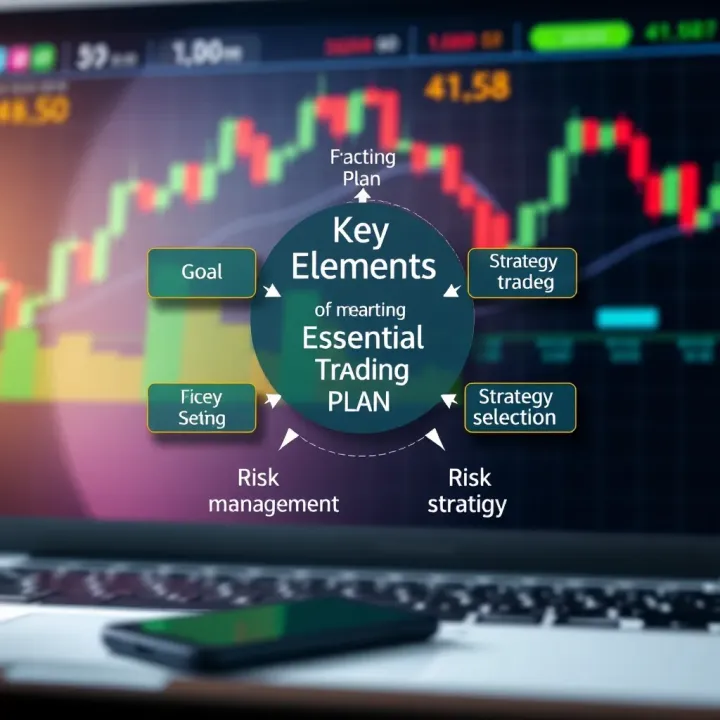
A trading plan is your financial compass—it guides you through uncertain market conditions and helps you avoid costly mistakes.
Here’s what a practical forex trading plan covers:
Clear goal setting: Defining realistic objectives like percentage returns or monthly trade targets.
Risk management: Determining how much capital you’re willing to lose per trade or day.
Trading strategy: Choosing and documenting the methods and indicators you rely on, such as Fibonacci retracement levels or support/resistance zones specific to USD/ZAR movements.
Performance review: Regularly assessing your trades to tweak weaknesses and build on strengths.
Using this approach will sharpen your focus, improve consistency, and bolster your confidence for trading South Africa’s currency markets. The following sections outline a step-by-step template so you can start building or refining your own effective forex trading plan today.
A forex trading plan acts as your map in the often turbulent and fast-changing currency markets. Without it, traders may find themselves sailing without bearings, reacting to every twitch of the market rather than making measured choices. This plan brings structure, discipline, and clear direction, allowing you to trade confidently amid South Africa's volatile forex environment.
Volatility in forex markets is the norm, not the exception. Having a trading plan helps you stick to your strategy instead of chasing every sudden shift. For example, if the rand suddenly weakens due to an unexpected Eskom loadshedding announcement, a solid plan prevents panic trades. It keeps you focused on long-term goals and prevents knee-jerk reactions that could erode your capital.
Emotions like fear and greed are traders' worst enemies. When you have no plan, these feelings tend to guide your trading, resulting in impulsive decisions. Say you experience a losing streak; without preset rules, you might double down on bad trades out of frustration. A trading plan sets clear rules for when to enter and exit positions. This helps keep emotions in check, making your decisions based on logic, not stress or excitement.
Clear goals serve as benchmarks that define success and failure. These objectives could be financial—like aiming for a 5% monthly return—or skill-based, such as refining technical analysis. Having these targets written down in your plan guides your daily decisions and keeps you accountable. Without them, your trading can feel like shooting in the dark, with no way to gauge progress or know when to adjust your tactics.
Without a plan, the temptation to trade frequently just to "feel active" often arises. This overtrading, especially on low-confidence or random setups, quickly depletes your account through spreads and commissions. Traders sometimes jump into the market off a hunch or gossip about a currency, instead of waiting for clear signals according to a strategy. Overtrading drains your capital and morale, making consistency impossible.
A structured plan includes tracking each trade's reasons, outcomes, and lessons learned. Without this, it’s tough to spot what’s working or where mistakes happen. Imagine trying to improve your game without ever checking your scores. Many traders just recall wins and forget losses, leading to a skewed perception of their skill. Keeping a journal as part of your plan helps identify successful strategies and weeds out weak spots.
In forex, protecting your capital is key. Some traders set stop losses here and there but without consistency or clear rules, the results vary wildly. Without a plan, risks can balloon unnoticed, exposing you to big losses. For example, risking 5% of your capital on multiple trades simultaneously can wipe out your account fast if markets turn. A good trading plan standardises risk—such as never risking more than 1.5% per trade—ensuring you survive losing streaks.
A forex trading plan isn’t merely paperwork; it’s your trade compass, keeping you steady through the unpredictable South African currency markets and helping you avoid costly mistakes.
Crafting a detailed plan tailored to your goals and risk appetite is the first step toward becoming a more disciplined and consistent forex trader.
Establishing clear and realistic goals lays the foundation for successful forex trading. Without definite targets, trading can quickly become aimless, leading to poor decision-making and eroded capital. Goals help you focus your efforts, measure progress, and stay motivated amid South Africa's often unpredictable currency market.
Determining target returns and timeframes sets the stage for your trading journey. For example, if you aim for an average monthly return of 2% on your trading capital, you know what success looks like. This figure must align with your available time and risk appetite. A day trader with a spare two hours daily may have different return expectations than a part-time trader juggling work and study obligations. Clearly stating your desired returns and realistic timeframes establishes a benchmark for strategy selection and risk management.
When setting financial objectives, keep in mind that forex markets can be volatile, especially with factors like global economic shifts and local events affecting the rand. Overly ambitious targets, such as expecting to double your R50,000 trading account in a month, are usually unsustainable and may tempt reckless trades.
Balancing ambition with market realities is essential. The forex market doesn’t reward guesswork or wishful thinking. Aiming for steady gains of 1-3% per month is achievable for most disciplined traders, even amidst loadshedding disruptions or shifts in monetary policy. For instance, expecting hefty profits every week underestimates the necessary patience and discipline. Traders must recognise that occasional losses are part of the game. Setting reasonable goals guards against overtrading or emotional breakdowns, which are common in overly optimistic plans.
Improving trading skills is as important as chasing profits. Mastering technical analysis tools like Fibonacci retracements or Japanese candlestick patterns improves your ability to read market signals. For example, a trader might set a goal to learn a new indicator every month or sharpen entry timing for EUR/ZAR trades. Enhancing skills over time builds confidence and reduces reliance on guesswork.
Understanding the nuances of the forex market, especially local factors affecting currency pairs involving the rand, should also be a focus. Understanding market behaviour means noticing patterns like how the rand reacts to SA Reserve Bank announcements or changes in global commodity prices. This insight helps adjust strategies in real-time rather than sticking rigidly to setups that may not apply under certain economic conditions.
Developing emotional control is a non-financial goal that protects your capital from impulsive decisions. Forex trading can be stressful, especially when a sudden spike or drop feels personal. Setting targets to improve patience—such as refusing to enter trades without a proper setup—prevents chasing losses or overleveraging. Traders who work on managing emotions tend to stick to their plans, avoid revenge trading, and ultimately maintain steadier account growth.
Clear, measurable goals—both financial and non-financial—anchor your trading plan. They help you navigate the rand's volatility and the broader forex market with calm confidence and discipline.
To sum up, setting well-defined targets for returns, timelines, skills, market insight, and emotional resilience creates a comprehensive framework. This framework turns trading from guesswork into a manageable, learnable craft, especially in the fluctuating South African context.
A solid forex trading plan acts as the backbone of disciplined and consistent trading. It pulls together the key elements that guide every decision, from analysing the market to managing risk and executing trades. Without these components clearly defined, even seasoned traders can fall prey to impulsive choices or undefined strategies.
Picking between a technical or fundamental approach is a major step in crafting your trading plan. Technical analysis involves reading charts, spotting patterns, and using indicators to predict price movements—for instance, tracking the EUR/ZAR currency pair on an hourly chart for short-term moves. Fundamental analysis, on the other hand, focuses on economic news, interest rates, and geopolitical events impacting currency values, like following South Africa's economic data releases or commodity prices that influence the rand.
Choosing one or combining both depends on your trading style and time availability. For example, a trader with limited time might rely on daily charts and technical signals, while a full-time trader could balance these with fundamental insights.
Selecting appropriate timeframes and currency pairs is equally important. Concentrate your efforts on a few pairs, such as USD/ZAR and EUR/USD, to develop familiarity with their behaviours and spreads. Timeframes should align with your strategy; scalpers prefer 1- to 5-minute charts, whereas swing traders might focus on 4-hour or daily charts. This focus helps prevent spreading yourself thin across too many markets, which can lead to poor decision-making.
Understanding position sizing and setting maximum drawdown limits protects your capital from sudden, heavy losses. For example, risk no more than 1-2% of your total trading account on a single trade. If your account holds R50,000, that’s roughly R500 to R1,000 risk per position. This guards against one bad trade wiping out a large portion of funds.
Using stop losses and take profit levels locks in control over your trades. A stop loss exits the trade if the market moves against you beyond a set point, limiting losses. Take profit levels secure gains when the market hits your target. For instance, if trading USD/ZAR at 18.00, setting a stop loss at 17.80 and a take profit at 18.30 ensures you have defined risk and reward, avoiding emotional exits.
A solid plan defines exact conditions to open trades. This could be a combination of indicators signalling a buy or sell—like a moving average crossover confirmed by RSI (Relative Strength Index) moving above 50. Clearly stated entry rules prevent rash decisions based on gut feelings.
Exit strategies need just as much clarity. Decide upfront when to close winning trades to secure profits, and when to cut losses to stop bleeding. For example, you might set rules to exit if the price hits your take profit, or if a key support level breaks, even before your stop loss triggers.
Trading during active market hours avoids low liquidity periods that can cause erratic price moves and wider spreads. For South African traders focusing on USD/ZAR, active hours include overlaps between Johannesburg and London market times. Avoid sitting with open positions during the quiet Asian session unless your strategy suits low-volume trading.
Economic data releases affect volatility significantly. Knowing your plan’s stance on such events is vital—do you close trades beforehand to avoid unpredictable swings, or use the news as a trigger for new openings? For example, South African inflation numbers or US Federal Reserve announcements can drastically move the rand, so adjusting your exposure around these events protects your account.
Developing a forex trading plan is about removing guesswork and emotional trading by committing to clearly defined, tested components. It’s this structure that offers South African traders a real chance to navigate the often volatile currency markets with confidence and consistency.
Keeping tabs on your forex trading plan isn’t just for show — it’s a lifeline for staying ahead in South Africa’s often unpredictable currency markets. Monitoring means consistently checking how your trades and strategies are performing, while reviewing and adjusting involve careful reflection and tweaking to keep your plan relevant as markets shift.
Tracking every trade matters. This involves noting entry points, exit points, the outcome, and the reasoning behind each decision. For example, if you bought USD/ZAR at a specific rate because of a set economic indicator, adding this context helps you remember what worked (or didn’t) later. Such detail makes your trading journal more than just a record — it becomes a personal coach.
Analysing the patterns from your trade journal helps spot trends in your behaviour and strategy effectiveness. Maybe you notice you close profitable trades too early or keep losing positions open too long. Over time, these insights can lead to better discipline and strategy tweaks that sharpen your edge. Many local traders find that without this reflection, it’s easy to repeat costly mistakes, especially when market swings get sharp, like during Eskom load shedding periods.
Assessing your strategy’s performance is crucial. This means looking beyond profit or loss to factors like win rate, risk-to-reward ratios, and drawdowns. For instance, a strategy that wins 50% of the time but protects capital well can be more sustainable than one with more wins but bigger losses. Regular reviews help confirm if a strategy remains effective or if it's time to reconsider.
Markets don’t stand still. South African forex traders must adapt to changes like shifts in the rand’s volatility, economic policy updates from SARB (South African Reserve Bank), or global events influencing currency flows. Adjusting your plan accordingly—whether by refining entry criteria, adjusting risk limits, or shifting focus to different currency pairs—keeps your plan practical. Without this, you risk clinging to outdated strategies that no longer fit the trading environment.
Keeping a live, evolving forex trading plan turns guesswork into informed decisions and can be the difference between consistent gains and unnecessary losses.
Regular monitoring, honest reviewing, and nimble adjustment form the backbone of a trading plan that works in real South African market conditions.
Forex trading in South Africa comes with its own set of unique challenges and opportunities. Considering local market conditions, regulatory landscape, and available tools can make a world of difference. Understanding these specifics helps traders manage risks better and enhances the chance of steady profits.
When choosing a broker, South African traders should prioritise those licensed by the Financial Sector Conduct Authority (FSCA). This regulatory oversight ensures brokers adhere to strict standards around client fund security, fair trading practices, and transparent reporting. For example, brokers like EasyEquities and IG Markets comply with FSCA rules, giving traders added peace of mind that their money isn’t at unnecessary risk.
Exchange rate fluctuations and spreads also demand close attention. The South African Rand (ZAR) is known for volatility, especially against major currencies like the US dollar or euro. Higher volatility often leads to wider spreads—the difference between buying and selling prices—which can eat into profits. A practical approach is to trade during peak market hours when liquidity tightens spreads, such as during London or New York sessions. By avoiding periods of low activity, traders reduce the risk of sudden, costly price swings.
Forex trading is impacted by data expenses and internet reliability, both critical in South Africa. Data bundles can quickly add up when streaming live charts or running trading platforms continuously. Many traders save on data costs by using Wi-Fi at home or work and limiting mobile data usage to essential updates only. Additionally, having a stable and fast internet connection minimises the risk of lag or disconnections during crucial trade moments.
Local payment methods offer convenience and cost-effectiveness. Platforms such as SablePay or PayFast enable easy deposits and withdrawals in Rand, avoiding costly currency conversion fees. Using local e-wallets linked to South African banks streamlines transactions and speeds up access to funds. Plus, some brokers accept deposits via EFT or card payments directly in Rand, sparing traders from unnecessary foreign transaction charges.
Fine-tuning your forex trading approach with these South African-focused tips won’t just save you money but also improve your trading efficiency and safety in a market that’s often unpredictable.
By factoring in regulatory compliance, market timing, cost management, and practical payment options, South African traders build a more grounded and resilient forex plan suited to local realities.
Learn the fundamentals of forex trading 🇿🇦, from market basics and risk management to choosing brokers and strategies tailored for South African traders 📉💹.

Learn how forex trading seminars in South Africa can boost your skills 📈 Discover top providers, key topics, and tips for maximizing your trading education.

📈 Learn the key forex trading sessions impacting South African markets, understand their timing and volatility, and get practical tips to sharpen your trading strategies.

Discover how forex trading seminars in South Africa boost your skills 📍 Learn to pick the right event, understand costs, and trade smarter 💡
Based on 10 reviews