

Key Functions of Risk Management Explained
Explore how risk management identifies, assesses, and handles potential threats to protect assets and improve business decisions 💼🔍📊 in South Africa.
Edited By
Emily R. Thompson
A degree in risk management is increasingly relevant in South Africa’s dynamic business environment. This qualification equips students with skills to identify, understand, and control risks that affect organisations' financial and operational health. Whether it’s managing credit risks at a bank, tackling supply-chain vulnerabilities for a retailer, or advising on insurance claims, risk management forms the backbone of decision-making across industries.
South Africa’s market volatility, fluctuating rand, and the impact of regulations such as the Financial Sector Conduct Authority’s (FSCA) guidelines create a strong demand for qualified risk managers. Companies seek professionals who can spot red flags early, reduce exposure to losses, and ensure compliance with laws like the Protection of Personal Information Act (POPIA).

Skilled risk managers help businesses steer clear of costly pitfalls while complying with complex local and global regulations.
Students pursuing this degree should expect a curriculum grounded in practical business scenarios, blending theory with hands-on work. Topics often include quantitative risk assessment, financial modelling, statistics, insurance principles, and regulatory frameworks. Many universities align their courses with South Africa’s National Qualifications Framework (NQF), ensuring graduates meet nationally recognised standards.
Career paths for graduates are diverse:
Working as risk analysts or credit controllers in banks like FNB or Standard Bank
Joining insurance firms to assess underwriting risks
Advising investment houses or brokers on portfolio risk
Taking on governance roles to develop risk policies within corporations
The entry requirements often include a National Senior Certificate (matric) with competency in mathematics and accounting. Some universities might consider relevant work experience or other recognised qualifications for mature students.
In short, a risk management degree provides concrete, marketable skills tailored to South Africa’s economic context. For traders, investors, and analysts, these skills translate into better risk control and improved business resilience, underpinning sound financial decision-making in an ever-changing world.
Risk management is more than just a corporate buzzword; it’s a practical framework for identifying and handling uncertainties that could impact any organisation’s objectives. In South Africa’s fast-changing economic environment, understanding this field is a valuable tool for businesses to stay ahead. Without a solid grasp of risk management, companies may find themselves blindsided by financial losses, operational setbacks, or compliance issues.
Risk management involves spotting, analysing, and controlling threats that could arise from various sources such as financial markets, operational processes, regulatory shifts, or even natural disasters. For example, a retail chain in Johannesburg faces the risk of looting during social unrest, which requires careful planning beyond just insurance coverage.
This discipline is practical and hands-on. It equips businesses and institutions with methods to make calculated decisions amid uncertainties. In essence, it helps minimise negative outcomes while supporting sustainable growth.
Several sectors in South Africa heavily depend on risk management, particularly finance, mining, insurance, and public administration. In banking, risk management prevents losses linked to credit defaults or volatile currency exchange rates. Take the JSE, for instance, where traders constantly react to global shifts—knowing how to manage such risks is critical.
Public sector entities also use risk management to navigate regulatory requirements and deliver services despite challenges like loadshedding or infrastructure constraints. Meanwhile, mining companies face risks ranging from commodity price swings to safety hazards underground, calling for robust risk controls.
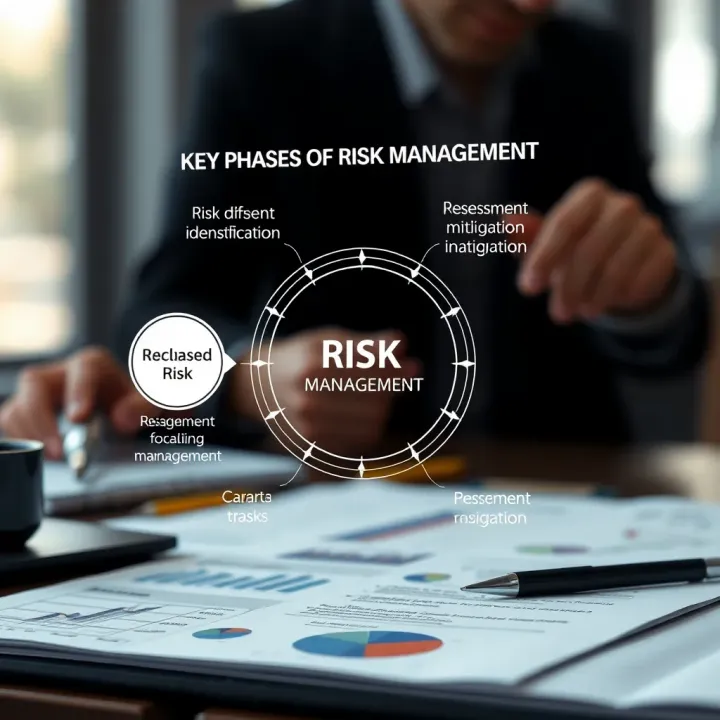
The first step lies in recognising potential risks. This isn't just spotting obvious threats but digging into underlying factors that could cause harm. For instance, a telecom company might assess risks from network failures, cyberattacks, or data breaches. The degree teaches you to use tools like risk registers and probability-impact matrices to lay these risks out clearly.
Once risks are identified, the focus shifts to managing them. South African businesses might use a range of strategies—from transferring risk through insurance to redesigning processes to avoid hazards. A practical example is a logistics firm altering routes to avoid areas prone to strikes or heavy traffic delays. The degree teaches balancing cost and benefit when deciding how much risk to accept.
Given South Africa’s complex legislative environment, compliance forms a major part of risk management. Areas such as the Financial Sector Conduct Authority (FSCA) regulations, the Protection of Personal Information Act (POPIA), and B-BBEE requirements mean that companies must be vigilant. Students learn not only about these rules but also about embedding compliance into business operations, reducing the likelihood of penalties or reputational damage.
Risk management isn’t theoretical—it’s a toolkit for businesses across sectors to navigate uncertainty, safeguard assets, and seize opportunities responsibly.
This foundational knowledge is essential if you’re looking to make a real impact in South Africa’s business and financial sectors through a risk management degree.
Choosing the right academic pathway is key for anyone aiming to build a career in risk management. South Africa offers a range of options tailored to different career stages and educational backgrounds. These pathways help students gain the skills and qualifications necessary to understand, assess, and manage risks in various industries ranging from finance to mining and public sector governance.

Bachelor’s degrees specialising in risk management provide a solid foundation in core principles such as risk assessment, financial risk, and regulatory compliance. Universities like the University of Pretoria and the University of Cape Town offer dedicated programmes that blend theory with real-world case studies. Graduates leave with qualifications recognised nationally and aligned with industry standards, enhancing employability in roles like risk analyst and compliance officer.
For those seeking shorter courses or specific skill upgrades, diplomas and certificates in risk management serve as practical entry points. These programmes are often offered by TVET colleges and private institutions, focusing on hands-on training useful for immediate application in the workplace. A good example is the Certificate in Risk Management available through certain colleges that equip students with skills to identify operational and strategic risks, ideal for professionals looking to add risk competence to their existing roles.
Postgraduate options, including honours degrees and specialised master’s programmes, offer further specialisation and research opportunities. They are well-suited to individuals aiming for senior risk management positions or consultancy roles. Universities like Wits University provide postgraduate studies emphasising advanced risk techniques and regulatory environment analysis, providing graduates with the edge needed for complex risk environments in sectors like banking and insurance.
Matric results play a significant role in determining admission into risk management programmes. Most bachelor’s degrees require a National Senior Certificate (NSC) with a bachelor’s pass, alongside competent marks in mathematics or mathematical literacy. Subjects such as accounting, economics, and business studies can strengthen an applicant’s profile by laying a relevant foundation for risk studies.
Adult learners without traditional matric passes have alternative routes via bridging courses or recognition of prior learning. These options open doors for working professionals wanting to upskill or switch careers. For example, some universities offer access programmes that prepare candidates for degree studies in risk management, focusing on academic skills and industry knowledge to bridge gaps. This flexibility supports lifelong learning and broadens access to the field.
Getting the right academic start will not only make your study period smoother but also position you better for the competitive South African job market in risk management.
With these varied pathways, students and professionals in South Africa can find routes that fit their experience and career goals, making risk management a reachable and rewarding discipline.
Understanding the curriculum and skills developed during a risk management degree gives a clear picture of its practical value. South African industries face unique challenges, from financial market volatility to operational disruptions caused by loadshedding, making these competencies highly relevant.
Financial risk management focuses on identifying, measuring, and controlling risks related to financial markets. For instance, a graduate might analyse how fluctuating interest rates impact loan portfolios in a local bank or assess currency exchange risks for companies importing goods. Mastery here helps businesses avoid significant losses through smart hedging or insurance.
Operational and strategic risk looks beyond just finances to examine risks in day-to-day business activities and long-term planning. In South Africa, this could involve preparing organisations for supply chain disruptions caused by strikes or ensuring contingency plans for data breaches, which are increasingly common. Students learn to anticipate problems that could halt operations or derail strategic goals.
Enterprise risk management principles tie these elements together, providing a comprehensive framework that covers all types of risks an organisation might face. This module teaches students to design integrated risk policies that help companies stay resilient and compliant with local regulations, such as the Financial Sector Conduct Authority’s guidelines or the Protection of Personal Information Act (POPIA).
Analytical thinking is central to risk management. Graduates learn to sift through complex data, spot patterns, and draw meaningful conclusions. For example, analysing credit risk reports or market trends enables them to advise on sound investment choices or credit lending policies.
Decision-making under uncertainty prepares students to act confidently despite incomplete information. In volatile markets or when unpredictable events like Eskom load-shedding strike, this skill means making swift, informed decisions that balance risk and opportunity — crucial in roles like risk analyst or compliance officer.
Communication and reporting skills ensure graduates can clearly present findings to non-specialists. Whether drafting risk reports for senior management or explaining compliance protocols to a team, this ability ensures that vital information drives action. Precise reporting helps prevent misunderstandings that can cause costly mistakes.
Combining these modules with practical skills equips graduates to handle the risks facing South African businesses today. From banks and insurers in Johannesburg to manufacturing firms in Durban, these competencies make risk management graduates valuable assets to employers.
Risk management as a profession offers solid career prospects in South Africa due to the country's complex business environment and strict regulatory framework. Companies across various sectors require expertise to navigate risks related to compliance, finance, operations, and reputation. For students considering a degree in risk management, understanding the career opportunities helps align academic choices with market demands.
Risk analysts and consultants play a key role in helping organisations identify potential threats that could derail their operations or financial health. They analyse data, assess business processes, and suggest strategies to minimise exposure. In South Africa, risk analysts are especially important in industries like mining, banking, and manufacturing, where fluctuating commodity prices, credit risks, and operational hazards are common. For example, a risk analyst in a Johannesburg mining firm may assess safety risks alongside environmental compliance to prevent costly downtime.
Consultants often work across several companies, advising on tailored risk frameworks. These roles demand strong analytical skills and industry knowledge, offering variety for graduates.
Compliance officers ensure that companies meet legal and regulatory requirements. They monitor changes in laws, such as those related to the Financial Sector Conduct Authority (FSCA) or the Protection of Personal Information Act (POPIA), and implement internal policies accordingly. Compliance is critical in South Africa's finance, healthcare, and telecommunications sectors where non-compliance penalties can be severe. For instance, banks in Cape Town rely on compliance officers to oversee anti-money laundering controls and protect customer data.
This role appeals to graduates interested in legal frameworks and governance, and it requires detailed understanding of regulatory landscapes.
Insurance and banking sector roles often attract risk management graduates because these industries centre on evaluating and managing financial risks. Positions can include underwriters, who decide on policy terms and premiums; claims assessors managing risk exposures; or credit risk analysts examining borrower profiles. South Africa’s banking system, led by institutions like FNB and Standard Bank, frequently recruits risk-aware professionals to protect against loan defaults and market volatility.
Insurance companies also value graduates who can develop innovative products that balance profit and risk, drawing on local economic trends.
Impact of regulatory changes is a critical driver of demand for risk professionals. New rules often translate to increased compliance work and fresh risk assessments. For example, revised banking regulations by the South African Reserve Bank (SARB) or updated corporate governance codes require companies to adapt quickly, creating ongoing opportunities for specialists. These changes mean risk managers must stay updated and help firms recalibrate their controls.
Staying ahead of evolving regulations is vital for South African businesses to avoid hefty fines and reputational damage, making risk experts invaluable.
Growing need for risk expertise in financial and public sectors reflects broader economic shifts. Public entities must manage risks linked to service delivery, corruption, and loadshedding interruptions, while financial institutions face mounting pressure from global events and digital security threats. This reality pushes up demand for graduates who understand enterprise risk management and can apply it in public and private contexts.
With South Africa’s focus on strengthening governance and transparency, especially post-COVID-19, the importance of skilled risk managers is set to grow.
In short, a degree in risk management opens doors to dynamic roles that keep South African organisations resilient and compliant amid ongoing challenges.
Making the right choice of institution and carefully planning your studies can have a lasting impact on your career in risk management. The quality of education, recognised qualifications, and opportunities for practical experience matter a lot when it comes to standing out in South Africa’s competitive job market. It’s worth doing your homework to ensure your degree is well respected and that your study path fits your lifestyle and career goals.
Accreditation confirms that a university or college meets specific quality standards set by education authorities. For risk management, this might include recognition by the Higher Education Quality Committee (HEQC) or relevant professional bodies such as the South African Institute of Risk Management (SAIRM). Studying at an accredited institution ensures your qualification is valid, respected by employers, and accepted if you want to pursue further study locally or abroad.
Professional recognition is equally crucial. For example, some institutions have arrangements that allow graduates to fast-track membership or professional designations relevant to risk management, such as Certified Risk Manager (CRM) or memberships with the Global Association of Risk Professionals (GARP). Such affiliations can be a leg up when looking for work, especially in sectors like banking, insurance, or corporate governance.
Universities that maintain good relationships with industry players offer students valuable access to internships, workplace projects, and mentorship programmes. These connections enable you to apply theory to real-world situations, build a network, and gain experience that’s highly valued by employers.
For example, the University of Johannesburg (UJ) often partners with firms in financial services, enabling students in risk management to intern at banks or consulting firms. Meanwhile, some universities run career fairs and bring in guest speakers from leading businesses. This exposure can provide insight into the latest trends in risk management and open doors for job opportunities post-graduation.
Many South Africans juggle work, family, and study commitments. Luckily, some universities and colleges offer part-time or distance learning in risk management. This flexibility lets you study at your own pace and schedule, especially if you’re working full-time or based far from major institutions.
For instance, the University of South Africa (Unisa) is well-known for its distance education model and offers risk management courses that cater to busy professionals. This means you don’t have to clock in excessive campus hours, making it easier to keep earning an income without sacrificing your studies.
Studying can be costly, so planning your finances upfront is essential. Tuition fees for risk management degrees vary widely between institutions. Look for bursaries, scholarships, or financial aid available specifically for risk-related courses or broader finance and commerce fields.
Additionally, some employers support staff members through study bursaries or time-off arrangements to boost skills relevant to their business. Checking bursary options with institutions like NSFAS (National Student Financial Aid Scheme) or private foundations can ease the burden. Also, consider budgeting for study materials, transport, and possible internet costs if opting for online learning.
Choosing an institution that balances quality education, industry ties, and flexible study methods can set you up well for a risk management career, even with work and life commitments on your plate.
Making these informed decisions early on helps you avoid unnecessary setbacks and keeps you motivated towards your qualifications and career goals.
Explore how risk management identifies, assesses, and handles potential threats to protect assets and improve business decisions 💼🔍📊 in South Africa.

Explore different risk management frameworks 🔍 Understand their purposes, key components, and how to pick the right one for your organisation’s needs in South Africa.

Discover why risk management is essential for businesses ⚖️, how it shapes decision-making 🧠, identifies risks ⚠️, and prevents costly pitfalls.
📊 Learn how to spot, evaluate, and manage risks confidently. A clear, practical guide with easy steps and real-world tips for smart risk handling.
Based on 13 reviews