
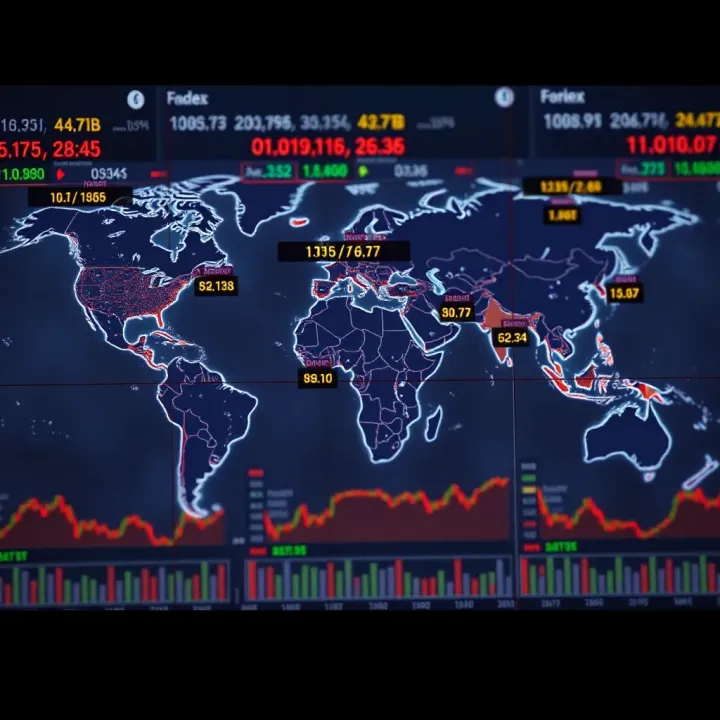
Forex Trading Sessions and Their Market Effects
📊 Understand forex trading sessions, their timing, and overlaps. Learn how this impacts market volatility and boost your trading and risk strategies effectively.
Edited By
Charlotte Mason
Forex trading companies serve as the bridge between individual traders and the global currency market. These firms provide platforms where traders can buy and sell foreign currencies, aiming to profit from fluctuating exchange rates. Their role is much like that of a broker in the stock market but focused purely on currency pairs.
South African traders typically access the forex market through these companies, which offer various account types tailored to different experience levels and trading needs. For example, beginners might start with a demo account simulating real trade without risking actual funds, while experienced traders often opt for standard or premium accounts that allow larger transaction volumes and more features.
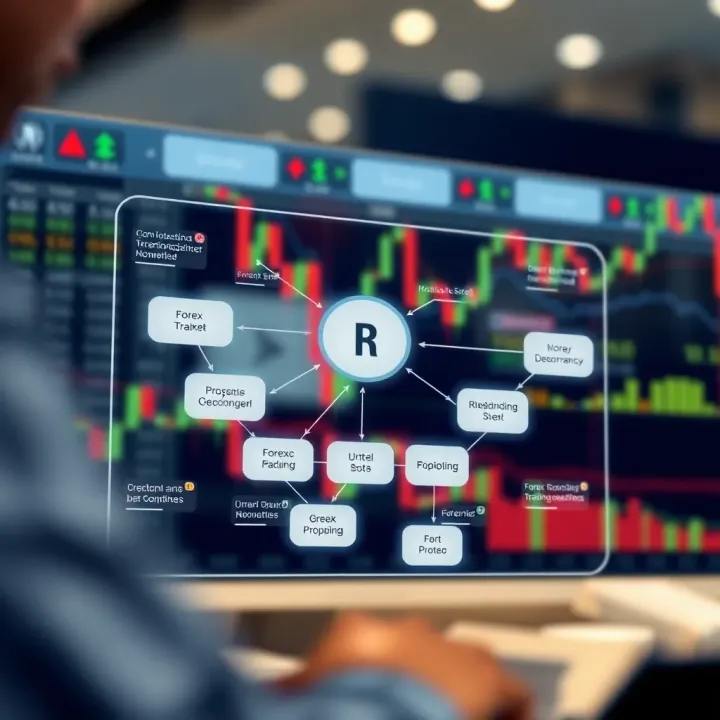
Most forex companies operate using online trading platforms — software tools that let users analyse currency price charts, place orders, and manage their trades. Popular platforms in South Africa include MetaTrader 4 and 5, as well as proprietary systems developed by individual firms. These platforms differ in usability, indicators available, and speed, so traders should pick one that matches their style.
Regulation is vital in the forex landscape. Firms authorised by recognised bodies such as the Financial Sector Conduct Authority (FSCA) in South Africa provide greater security for clients’ funds. A regulated company must comply with rules on capital adequacy, fair pricing, and transparency, helping to reduce the risk of fraud or malpractice.
Traders should always verify a forex company's regulatory standing, especially given the number of unregistered operators targeting South African markets.
Beyond trading, these companies often offer additional services like educational materials, market analysis, and customer support. For instance, some provide daily outlooks on major currency pairs like USD/ZAR or EUR/USD, helping traders make informed decisions.
In summary, forex trading companies play a practical role by connecting local traders to the vast currency market while offering tools and support. Understanding how they operate and the protections available helps South Africans navigate forex trading more safely and effectively.
Forex trading companies act as the bridge between everyday traders and the vast, fast-moving currency markets. For South African traders, understanding their role is key to navigating this space confidently and safely. They provide a suite of essential services beyond just buying and selling currencies.
At their core, these companies enable currency exchanges across the globe. Think of them like currency exchange counters at airports, but online and on a much larger scale. When you want to convert rands to US dollars or euros, the broker executes this for you instantly at market rates. Many firms offer direct access to the interbank market or aggregate prices from multiple liquidity providers, ensuring competitive rates. This service makes global currency movements possible for anyone with an internet connection.
A crucial offering of forex companies is the trading platform where you place your trades. These platforms are the trader’s workstation, displaying real-time price feeds, charts, and order execution options. Popular platforms like MetaTrader 4 or 5 and cTrader are often standard, but some brokers develop proprietary platforms tailored for user experience and specific tools. South African traders appreciate brokers with reliable platforms that handle low latency execution—important during volatile market moves and Eskom loadshedding times when internet connections may fluctuate.
Leverage is a double-edged sword that forex trading companies provide to amplify traders' market exposure using borrowed funds. For example, with 1:100 leverage, a R1,000 deposit controls a position worth R100,000. This means potential profits are larger, but so are potential losses. Brokers set margin requirements and make sure traders have enough funds on hand to cover open positions. Margin calls happen if funds fall short, prompting some trades to close automatically. Understanding these services is vital because misusing leverage can wipe out accounts fast, especially in the highly liquid currency market.
Choosing a reputable forex trading company that clearly outlines their transaction methods, platform reliability, and leverage terms can make a big difference in managing both opportunities and risks.
By grasping what forex trading companies actually do, South African traders get a stronger footing to make informed decisions and tailor their trading strategies accordingly.
Regulation and compliance form the backbone of trust and security in the forex trading industry. For traders in South Africa and beyond, understanding the regulatory environment helps protect investments against fraud and unfair practices. Forex companies operating without proper regulation pose significant risks, including the chance of losing funds to unscrupulous operators or facing unfair trading conditions.
The Financial Sector Conduct Authority (FSCA) governs financial markets in South Africa, including forex trading. It ensures that brokers operate transparently, maintain adequate capital, and protect clients' funds. For instance, licensed brokers must keep client money separate from their operational funds, reducing the risk of misuse during financial troubles. The FSCA also requires firms to implement fair marketing practices and disclose risks clearly, helping traders make informed decisions.
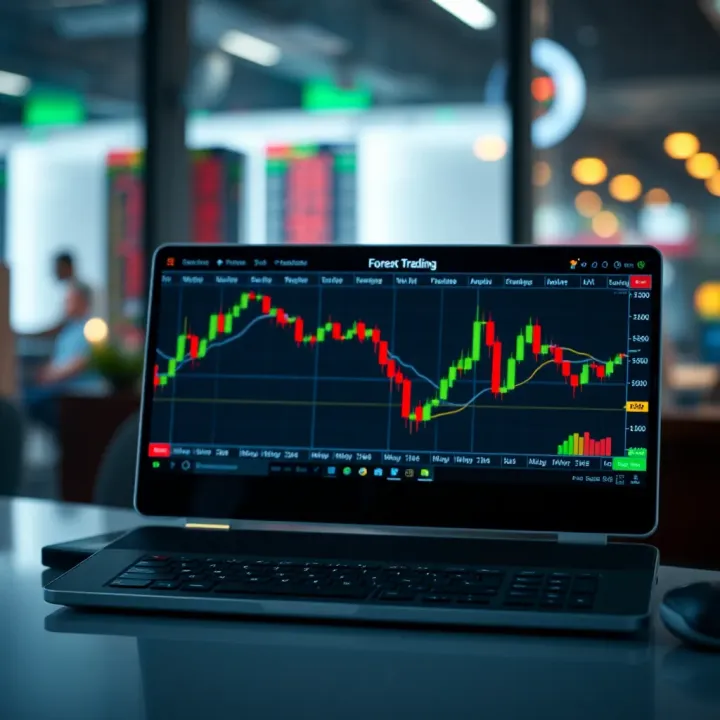
Comparing the FSCA with regulatory bodies like the UK's Financial Conduct Authority (FCA) highlights differences and similarities that matter to traders. The FCA is known for stringent rules around client fund security and regular audits, which often result in added confidence for traders dealing with FCA-regulated brokers. While the FSCA's framework aligns broadly with global standards, it focuses on local market dynamics and investor protection tailored to South African traders.
Both FSCA and FCA issues licences only to brokers meeting rigorous criteria but international regulators tend to enforce stricter leverage limits and more frequent reporting requirements. Knowing these distinctions helps traders weigh the safety and conditions provided by their chosen broker.
Selecting a broker regulated by recognised authorities like FSCA or FCA is vital to avoid pitfalls common in unregulated forex trading. A regulated broker offers recourse in disputes, transparency in pricing, and compliance with laws designed to prevent market manipulation.
Trading with an unregulated company can leave you vulnerable to scams, withdrawal difficulties, or poor trade execution, which experienced traders know to steer clear of.
Moreover, many regulated brokers provide negative balance protection, meaning you cannot lose more than your deposit—crucial in volatile markets. As South African traders, opting for FSCA-regulated firms or those authorised by respected international bodies means trading in a safer environment, with oversight that follows financial sector rules designed to protect you.
By understanding regulation and compliance, you reduce your exposure to fraud and increase your chances of trading profitably with peace of mind.
Choosing the right forex trading company can make a significant difference in your trading experience and potential success. Not every broker fits every trader’s needs, so it's worth taking time to evaluate options carefully. You want a firm that's trustworthy, reasonably priced, has the types of accounts you need, and offers quality support when things go sideways.
One of the first steps is checking the broker's reputation. Look for feedback from other traders, preferably from South African sources familiar with local conditions. Forums and social media groups can be useful but take extreme caution with overly positive or negative reviews, as some might be biased or fake. Instead, focus on consistent themes, like how long they’ve been around, how responsive their support is, and if there have been any major complaints about withdrawing funds.
The costs associated with trading can quietly eat into your profits, so understanding the fee structure is essential. Some brokers offer tight spreads (the difference between buy and sell price) but charge commissions, while others might offer commission-free trading but with wider spreads. Also, watch out for hidden fees, such as charges for deposits, withdrawals, or inactivity. A practical example: if a broker charges a spread of 1.5 pips on EUR/USD and a commission of R50 per 100,000 traded, you need to calculate which option is more affordable based on your trading style.
Brokers typically offer a selection of accounts catering to different levels of traders, most commonly Standard, Mini, and VIP accounts. Standard accounts are suited to most traders and involve trading with lots of 100,000 units of currency. Mini accounts allow trading with smaller lot sizes, such as 10,000 units, making them ideal for beginners or those with smaller capital.
VIP accounts often come with perks like tighter spreads, higher leverage, dedicated account managers, and advanced tools, which experienced traders might value. However, VIP accounts usually require a significantly larger deposit, which might not be practical for everyone.
When things don’t go as planned—say the platform crashes during a volatile market session—you want responsive customer support. Accessibility here means more than just contact availability; it’s about how quickly and effectively they resolve issues. Prefer brokers with multiple contact channels: phone, email, live chat, and ideally in local time zones like SAST. Also, assess the quality of their educational material and FAQs, which can make a difference when you need quick guidance.
Remember, a dependable forex trading company is not just about the bells and whistles; it's about providing a reliable, transparent, and supportive environment for your trading activities.
Choosing well reduces risks and can improve your trading confidence, making it easier to focus on strategy rather than frustration.
Trading platforms lie at the heart of forex trading companies' services. They provide the interface where traders execute currency transactions, analyse markets, and manage positions. The choice of platform affects not only ease of use but also how effectively a trader can respond to fast-changing forex markets. In South Africa, where internet speeds and mobile usage vary greatly, technology must be both reliable and accessible.
MetaTrader 4 and 5 remain the most widely used platforms globally and hold strong popularity in South Africa. Their appeal lies in customisability, extensive charting tools, and support for automated trading via Expert Advisors (EAs). cTrader is another favoured platform known for its clean interface and advanced order types, suited for traders seeking more precision and transparency.
Besides these, many brokers offer proprietary platforms tailored to their services. For instance, some South African brokers build platforms with local banking integration and payment gateways like SnapScan or Zapper for convenience. While proprietary platforms may lack the broader community support of MetaTrader or cTrader, they sometimes provide unique features targeted to local trader needs.
Mobile trading has become essential here due to high smartphone penetration and the country's diverse internet access quality. Since many traders rely on mobile data bundles and variable coverage, brokers that optimise platforms for mobile use gain a clear edge. Leading platforms like MetaTrader and cTrader offer dedicated mobile apps, enabling traders to monitor price movements, place trades, and use technical indicators on the go.
For a South African trader juggling daily commutes or affected by loadshedding, being able to trade or manage open positions anywhere mitigates missed opportunities. Mobile trading fosters active engagement but requires platforms to be lightweight and responsive under varying network conditions.
Charting and technical indicators are a forex trader’s bread and butter. Platforms include multiple chart types—line, bar, candlestick—and hundreds of indicators like moving averages, RSI (Relative Strength Index), and Fibonacci retracements. These tools help traders spot trends, momentum shifts, and potential reversal points.
Automated trading is also a growing feature. This involves using algorithms or scripts to execute pre-set trading rules without manual input. For example, a trader could set an automated stop-loss to limit losses or deploy a strategy that buys when a certain technical condition is met. Automated trading reduces emotional decision-making and improves consistency—a real benefit when markets move fast, like during major economic announcements affecting South African rand pairs.
Tip: When choosing a platform, ensure it offers the tools that fit your strategy—whether manual analysis or algorithmic execution—so you trade efficiently and confidently.
By focusing on platform reliability, mobile access, and analytical tools, forex trading companies enable South African traders to engage with the market in a way that suits their lifestyle and trading approach.
Navigating the forex market comes with its fair share of risks. Market fluctuations can affect your investments quickly. That’s why understanding these risks and how brokers help manage them is vital for anyone getting involved in forex trading, especially here in South Africa.
The forex market is known for its volatility – prices can swing wildly within minutes. This is because currency values react to economic data, political events, and even unexpected news. For example, Eskom’s load shedding announcements can ripple through the South African rand (ZAR), causing sudden shifts. Traders need to be prepared for this unpredictability as it can lead to significant gains but also steep losses.
Volatility can work in your favour if you time trades well, but it also raises the stakes. Unforeseen events like interest rate changes by the South African Reserve Bank (SARB) or geopolitical tensions can make the market uneasy. Forex trading companies play a role in cushioning these shocks by offering tools and services to protect traders.
Stop-loss orders are among the most basic yet effective safety nets brokers provide. They allow you to set a specific price point where your trade automatically closes, limiting potential losses. For example, if you buy USD/ZAR at R17 and set a stop-loss at R16.50, your broker will sell your position if the rate falls to that level, keeping losses manageable.
Negative balance protection is another critical feature offered by reputable South African brokers. Without it, a sudden market plunge could wipe out your entire trading balance and leave you owing money. Negative balance protection ensures you can’t lose more than you’ve deposited. Such safeguards are especially important in volatile markets to prevent being caught off guard by wild price movements.
Forex trading companies often provide educational material and support designed to help traders understand risks and improve strategies. This includes webinars, tutorial videos, and detailed articles tailored to different experience levels. For South African users, some brokers offer guides and market updates relevant to local economic factors like SARB rates or municipal elections.
Customer support teams are also crucial for helping traders navigate difficulties and answer questions related to trading tools or risk management features. Some brokers have dedicated representatives who speak to clients in English, Afrikaans, or isiZulu, reflecting the diverse trading community here.
A good broker won’t just be a conduit for trades but a partner in helping you manage risk and sharpen your trading skills.
In summary, understanding market volatility and making full use of risk controls like stop-loss orders and negative balance protection are key to safeguarding your investments. Combined with solid educational resources and accessible support, these features shape a safer trading environment in the turbulent forex market.
📊 Understand forex trading sessions, their timing, and overlaps. Learn how this impacts market volatility and boost your trading and risk strategies effectively.

💱 Curious if forex trading will keep thriving? Explore how tech, regulations, and market trends shape currency trading’s future. Stay ahead in SA’s forex scene!
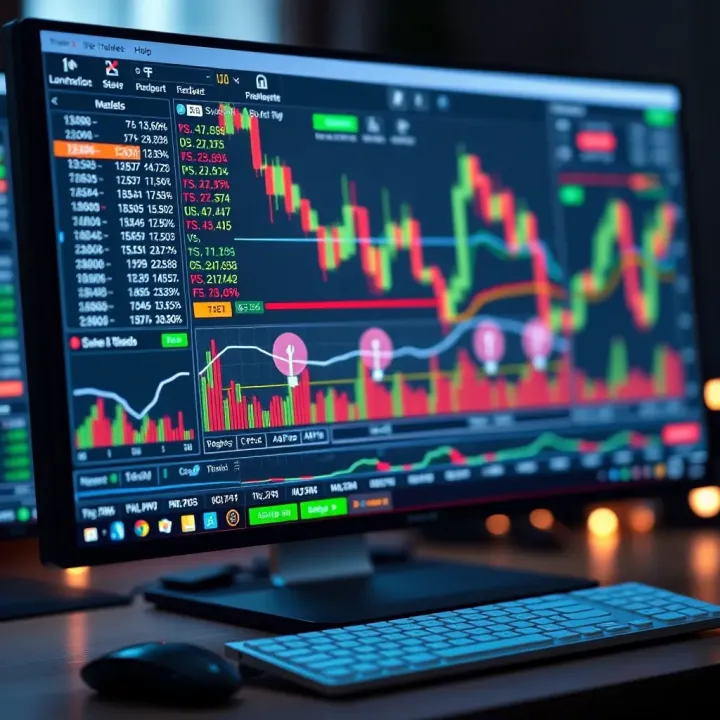
🔍 Explore essential forex trading software tools to analyze markets, spot trends, and trade smarter. Learn core features and safe tips for traders in South Africa.

📈 Explore how forex trading time zones shape market moves and strategies. Learn to spot session overlaps and perfect your timing for smarter trades in South Africa!
Based on 6 reviews