
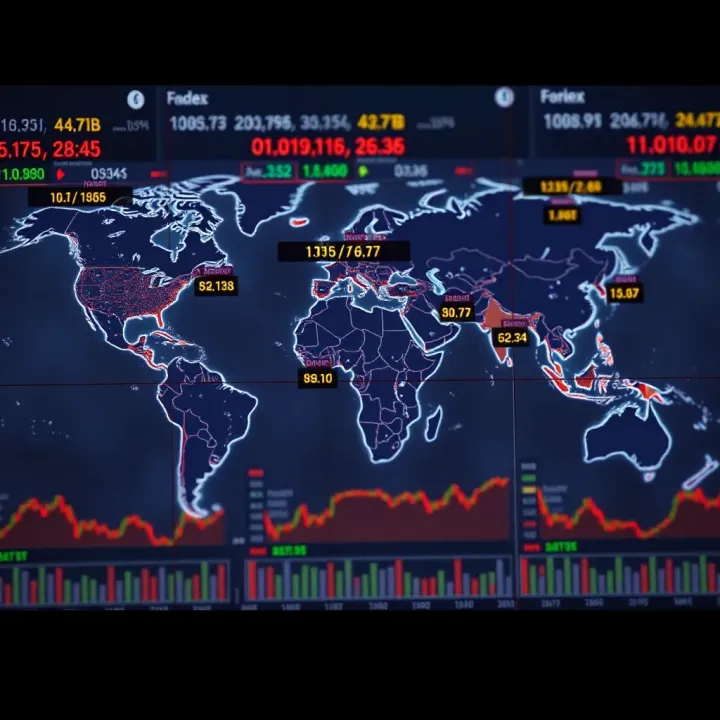
Forex Trading Sessions and Their Market Effects
📊 Understand forex trading sessions, their timing, and overlaps. Learn how this impacts market volatility and boost your trading and risk strategies effectively.
Edited By
Sophie Bennett
Movies about forex trading often paint a picture of thrilling currency battles and quick profits. But real-life forex markets are far less glamorous — they're complex, volatile, and require careful analysis and strong discipline. Films like Rogue Trader or Wall Street provide glimpses into trading culture, though their focus tends to exaggerate risks or rewards for dramatic effect.
Understanding forex trading through cinema means looking past the glitzy façade. The market operates 24 hours a day, influenced by economic data, geopolitical events, and central bank policies. Traders use strategies ranging from technical analysis to fundamental research, yet movies rarely showcase this depth.
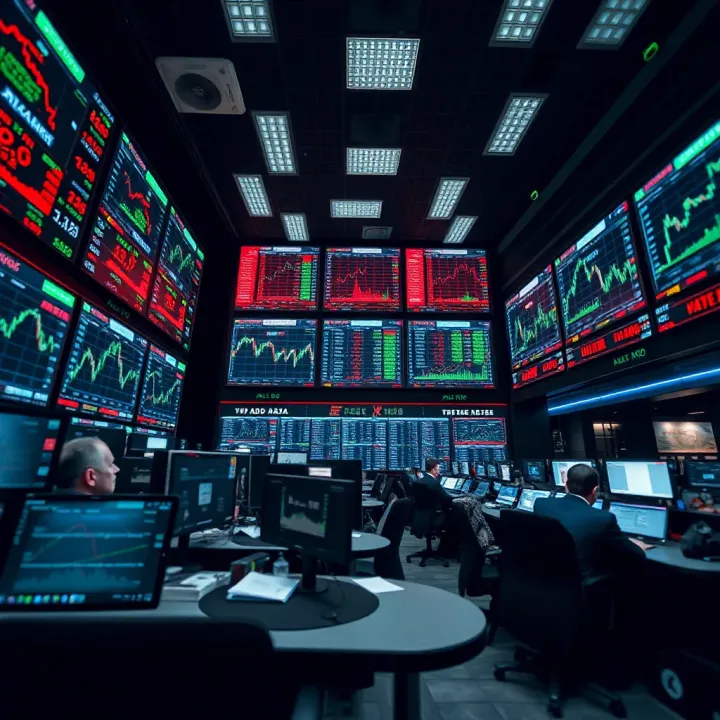
Films create powerful impressions that shape public perception. While some give useful insights into trader psychology and market mechanics, others promote misconceptions like guaranteed wins or highly risky, reckless behaviour.
Here are a few key points to keep in mind when approaching forex trading as depicted in movies:
Market complexity is often simplified. The real forex environment demands constant monitoring of global events and quick decision-making.
Strategies shown are usually dramatized. Film traders tend to take outsized bets or act impulsively, unlike disciplined strategy execution in true trading.
Trader psychology matters. Movies highlight stress and greed, reflecting genuine challenges faced by individuals in fast markets.
By critically viewing how forex trading gets portrayed, traders and analysts can separate entertainment from reality. It helps in developing a realistic mindset and avoids falling into traps set by exaggerated cinematic storytelling.
This article will examine popular forex-related films, point out what they get right and wrong, and offer practical lessons for those involved in currency markets. You'll also find useful takeaways that inform smarter investing and trading decisions based on a more grounded understanding than typical movie narratives provide.
With this foundation, you're better equipped to explore how film mirrors, distorts, or educates on the world of forex trading.
Movies often serve as a window into the complex world of forex trading, simplifying its intricacies while adding drama and tension to keep viewers hooked. Understanding how films portray forex trading allows traders and analysts to separate entertainment from reality and absorb practical lessons hidden within. These portrayals influence how newcomers approach the market, setting expectations and sometimes creating misconceptions.
Many films dramatise forex trading as a high-stakes game with quick, spectacular profits. You'll often see traders taking massive risks for the chance of huge pay-outs, like in "Rogue Trader" where Nick Leeson’s gamble brought Barings Bank to its knees. While exciting, this overemphasises the possibility of quick wins, often ignoring the slow, disciplined approach most traders rely on. Nevertheless, this theme serves as a cautionary tale, reminding viewers that big rewards come with big risks.
Market manipulation and covert insider knowledge feature heavily in forex films, adding intrigue and tension. These portrayals explore scenarios where traders gain unfair advantages by accessing confidential information, skewing currency moves for personal gain. While films can exaggerate such schemes, they highlight the legal and ethical boundaries that real-world traders must navigate, reinforcing the importance of compliance with regulations like the Financial Intelligence Centre Act (FICA) in South Africa.
The narrative arc of a trader’s rise and downfall is common, often tracing a hero’s climb from obscurity to fortune, followed by dramatic setbacks. This storyline reflects real challenges many face, including emotional strain, volatile markets, and overconfidence. It emphasises the importance of risk management and mental resilience, lessons vital for local traders who might face Rand volatility and international uncertainties.
This character defies convention, relying on intuition and aggressive tactics to beat the market. The maverick is usually portrayed as brash but brilliant, often clashing with corporate culture. While such figures may inspire boldness, real trading demands patience and strategy over impulsiveness. South African traders should take from this the need to balance innovation with careful analysis.
Often, films depict characters embedded within large financial institutions, using their inside access to influence forex markets. These insiders highlight the relationship between institutional power and market impact. For local brokers and analysts, this reminds us how significant corporate moves can ripple through the Rand and affect trading environments.
Rogue speculators are freelancers operating outside traditional systems, sometimes bending rules or taking unethical shortcuts. While movies may glamorise this rebel image, actual forex trading requires strict adherence to ethical practices to avoid penalties under regulatory bodies like the FSCA. Traders should view this profile as a warning against temptation to cut corners.
Movies condense forex trading’s complexity into relatable stories and characters. However, understanding their dramatization helps traders remain grounded in real-world market dynamics and regulatory frameworks.
By recognising these narrative patterns and traits, South African traders, investors, and educators can better distinguish cinematic flair from practical trading wisdom, leading to more informed decisions and realistic expectations.
Movies that centre on forex trading provide a fascinating window into the complex, fast-paced world of currency markets. Exploring these films helps traders and investors gain insight into market dynamics, human behaviours involved, and how trading operates under pressure. These movies often highlight the drama behind rapid decisions, market swings, and the stakes of financial risk-taking.
Understanding how forex markets are depicted in films can help viewers pick up on cinematic storytelling techniques as well as real trading lessons. Such films play a pivotal role in shaping public perceptions, sometimes glamorising the action while omitting crucial details. For example, films like Rogue Trader and Floored showcase trading floors and currency speculation that echo certain truths but also exaggerate others for dramatic effect.
The depiction of forex markets in each film often blends actual trading settings with cinematic flair. Commonly, movies show bustling trading floors filled with shouting traders, flashing screens, and ticker tapes—a visual shorthand for the hectic world of forex. While this paints a vivid picture, real forex markets often feel less theatrical, as much of the trading today happens electronically and quietly. Films like Margin Call offer a more restrained but tense portrayal of financial crisis management, including currency exposures that resonate closely with real trading challenges.
Plot summaries highlighting trading scenes focus on moments where decisions about buying or selling currencies pivot the story. Whether it’s a trader executing a high-risk deal or battling against market manipulation, these scenes keep the audience hooked. For instance, Trader (a documentary rather than a feature film) gives viewers a raw, unfiltered view of forex speculation in Chicago, demonstrating both the thrill and pressure of live trading. Such films can inspire new traders by showing the emotional highs and lows that come with the territory.
Realism of market behaviour in forex films varies widely. Some productions capture the unpredictability and volatility characteristic of currency markets, while others simplify complex cycles to fit storytelling needs. For example, sudden currency crashes or spikes in movies might overlook underlying global economic causes or the layered mechanics of central bank interventions. That said, presenting volatile shifts effectively illustrates how forex prices respond to news events — a practical takeaway for traders learning market sensitivity.
Portrayal of risk and reward often tilts toward extremes in movies. They show rapid gains or catastrophic losses played out dramatically, sometimes neglecting the steady, disciplined strategies actual forex traders rely on. This can lead audiences to believe forex trading is either a quick path to wealth or a gamble akin to roulette. Still, films like The Big Short manage to show risk prudently, explaining how a well-calculated bet can pay off by carefully analysing market signals—something every trader should keep in mind.
Inclusion of technical analysis and strategies is generally light in many forex movies. Instead, the focus tends to be on intuition, gut feeling, or insider information rather than charts and data-driven decisions. While this overlooks the technical groundwork traders depend on, it reflects the storytelling need for drama over methodical processes. However, films like Floored briefly touch on algorithmic trading and strategy development, hinting at the growing role of technology in forex markets today.
Films about forex trading offer more than entertainment; they provide real-world lessons and cautionary tales. But it’s important to separate cinematic storytelling from practical trading realities to develop informed and resilient trading habits.
In the South African context, where Rand volatility and global events heavily impact trading, these film insights help local traders contextualise market behaviours better, avoiding pitfalls inspired by misrepresented forex trading in popular culture.
Movies about forex trading often shape public perception more than actual market experience. Understanding what films get right and wrong helps traders separate fact from fiction — essential for anyone looking to engage with currency markets seriously.
Films frequently capture the intense emotional rollercoaster traders face. The pressure to make split-second decisions while balancing fear and greed plays a significant role in real-world forex trading. For example, scenes showing traders losing their nerve during a volatile session highlight a universal challenge: staying calm when the market moves against you. Managing this emotional strain is crucial; failure to do so often leads to impulsive decisions that wipe out gains.
Forex markets are famous for rapid price swings, and movies that portray this volatility convey an important reality. High volumes of currency exchange and the influence of geopolitical events can cause sudden market shifts. Although films tend to dramatise these moments for effect, they do reflect the need for traders to act swiftly and have strategies in place for fast execution. This aspect reminds traders that markets don’t wait — hesitation can translate into missed opportunities or bigger losses.
Movies often show traders hitting it big overnight or losing everything in seconds, giving the impression that forex trading is a quick wealth scheme. This simplification ignores the months or years of study, practice, and analysis behind successful trading. Traders should beware of expecting constant wins; in reality, losses are part of the game, and managing these is where skill lies.
Films rarely touch on the regulatory frameworks overseeing forex trading, which can mislead viewers into thinking it's a free-for-all. In South Africa, the Financial Sector Conduct Authority (FSCA) regulates forex brokers to protect traders from fraud and ensure fair practices. Understanding these safeguards can prevent traders from falling prey to scams that movies might overlook entirely.
Several movies blur the line between trading and gambling, depicting forex as a high-stakes roulette wheel. Although both activities involve risk, trading relies on analysis, strategy, and discipline — unlike gambling's chance-based outcomes. Mistaking one for the other can lead to reckless behaviour and financial harm. Educated traders know to treat forex as a serious investment endeavour, not a game of luck.
Films may entertain, but the truth about forex trading lies in discipline, regulation, and realistic expectations — lessons vital for anyone stepping into the market.
Films about forex trading play a notable role in shaping how the public views the currency market and its players. They reach a broad audience, many of whom may have little prior exposure to forex trading. Through compelling narratives and intriguing characters, these movies can spark curiosity while also influencing newcomers’ expectations and attitudes towards the market.
For many, a movie might be the first glimpse into the world of forex trading. Films that feature traders navigating fast-paced market shifts or celebrating big wins can inspire viewers to explore forex as a potential income source or hobby. This spark of interest is valuable, especially in South Africa where retail trading is growing but still less common than in other markets. When viewers see relatable characters taking risks and achieving financial goals, it nudges them to learn more about foreign exchange and financial markets.
Movies often simplify complex financial jargon and obscure processes through engaging stories that make forex trading more approachable. By focusing on the human side—ambition, stress, wins, and losses—they portray trading as a dynamic activity rather than an abstract economic concept. This accessibility can demystify forex for new traders, helping them stick with the learning curve instead of being overwhelmed by technical details.
A common issue in forex films is the oversimplification of making money. Quick profits, dramatic ‘big wins’, and high returns are often exaggerated for cinematic effect. This can lead new traders, especially those in South Africa, to believe success requires little effort or knowledge. They might underestimate the real risks involved, including market volatility, unexpected swings in the Rand, and the costs of leverage, which can swiftly wipe out accounts.
Many aspiring traders jump in armed only with enthusiasm from movies but lack the realism needed for long-term success.
Traders emerging from a cinematic experience might overlook how much education and discipline forex trading demands. Films rarely show the months or years spent studying charts, understanding macroeconomic factors, or developing strategies. Without recognising this, new entrants could neglect critical practices like risk management, ongoing learning, and emotional control—key pillars that support success in the unpredictable forex market.
In South Africa, where local factors such as Rand volatility, loadshedding, and geopolitical events add complexity, this gap between fiction and reality can be especially pronounced. It’s important for viewers to take what cinema shows with a grain of salt and seek out formal training, mentorship, and real-market experience before committing significant capital.
By capturing attention and making forex relatable, films can serve as a useful gateway. Yet, they should be balanced with solid education to prevent costly misconceptions that come from believing trading is simpler or quicker than it truly is.
Forex trading films can offer more than just entertainment; they provide insights into market psychology, risk, and strategy that South African traders can adapt to their own context. Though cinematic portrayals may be dramatized, certain lessons about managing volatility, understanding global influences, and exercising discipline are particularly relevant given South Africa’s unique market environment.
Market volatility influenced by Rand fluctuations
The South African Rand (ZAR) is known for its sharp swings influenced by domestic politics, commodity prices, and economic indicators. Forex films frequently depict volatile markets where currency pairs react swiftly to news. For South African traders, understanding how local factors—like changes in SARB’s repo rate or shifts in mining output—can cause sudden Rand moves helps them interpret the wild swings often shown on screen as more than just dramatics.
For instance, a sudden drop in Rand value after a credit rating downgrade mirrors market emotions captured in films through high-tension trading scenes. These cinematic examples underscore the need for watchful attention to fundamentals and news-flow within the South African setting.
Impact of international events on local forex trading
Films often show how global incidents—such as geopolitical unrest or central bank decisions—rattle currency markets worldwide. South African traders experience similar shocks when, say, a shift in US Fed policy or a crisis in China triggers risk-off sentiment, driving the Rand lower. Forex films remind traders that no market acts in isolation; local currency pairs are tugged by distant events.
Recognising this interconnectedness enables South African traders to better anticipate volatility stemming from foreign developments, rather than focusing solely on domestic news. Films that feature sudden market reversals due to international headlines illustrate why traders should monitor global economic calendars consistently.
Importance of risk management
Cinematic scenes frequently highlight the devastation caused by ignoring risk controls—massive losses wiping out traders overnight. For South African traders dealing with a frequently unstable Rand, prioritising risk management is essential. This means setting stop-loss orders, limiting position sizes, and avoiding putting all capital into one trade.
Lessons from films demonstrate how even skilled traders can be undone by overconfidence or greed. South African traders can take this to heart by having clear rules and sticking to them, especially when local markets can jump unexpectedly due to political or economic shocks.
"Respecting risk isn’t just good practice; it can be the difference between surviving another trading day or wiping out your account."
Avoiding shortcuts and hype
Movies often showcase charlatans promising quick riches through forex, luring newcomers into scams or risky bets. South African traders should watch out for similar hype, particularly given the rise of social media influencers claiming easy forex success with little effort.
Cinematic cautionary tales underscore the need for education, patience, and critical thinking. Trying to replicate flashy moves without solid knowledge or relying on tips without research spells trouble. Staying grounded, prioritising learning, and resisting the temptation of ‘get-rich-quick’ schemes is a practical strategy that films unintentionally teach.
In summary, while forex films exaggerate for effect, they also reflect truths about market unpredictability, global influence, and the value of caution—lessons invaluable for South African traders navigating the lively currency scene here.
📊 Understand forex trading sessions, their timing, and overlaps. Learn how this impacts market volatility and boost your trading and risk strategies effectively.
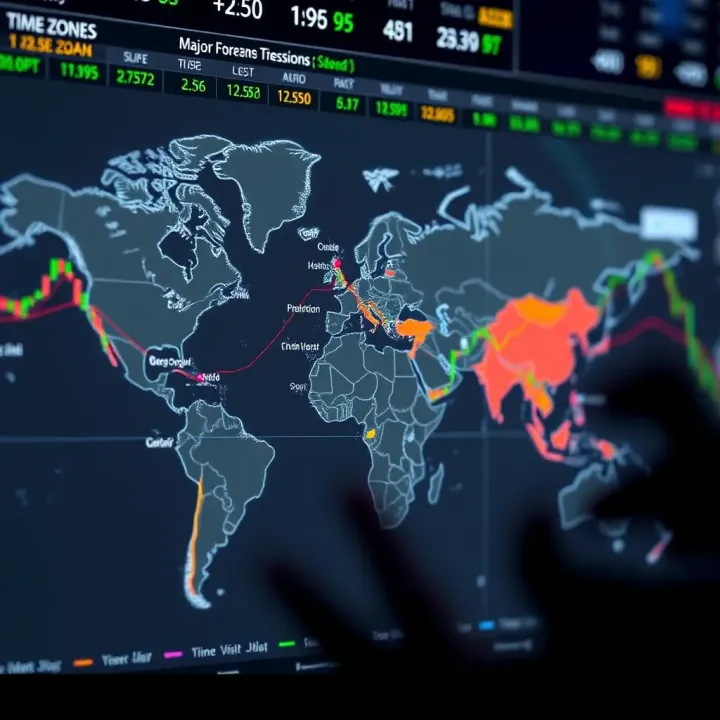
📈 Explore how forex trading time zones shape market moves and strategies. Learn to spot session overlaps and perfect your timing for smarter trades in South Africa!
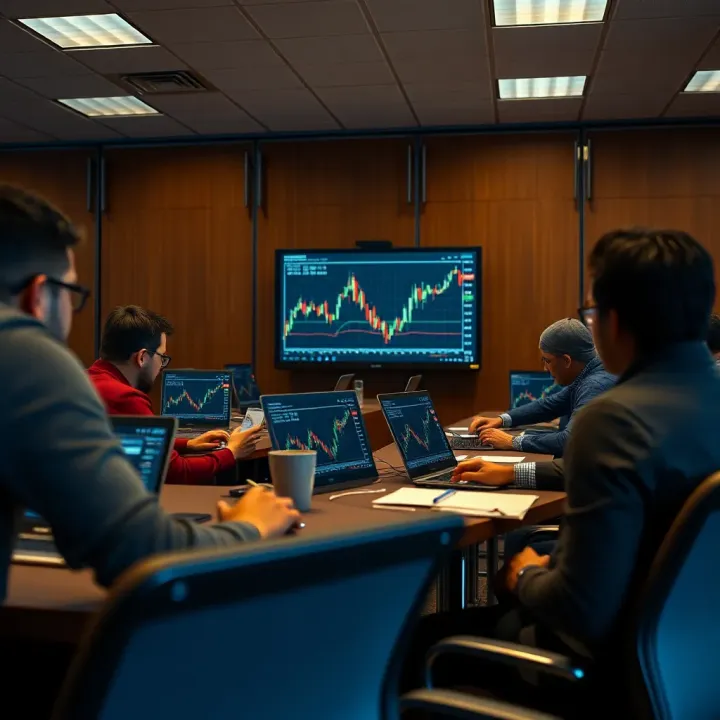
Discover top forex trading schools in Johannesburg 📊 Learn how to pick the best program and gain practical skills for success in South Africa's market 🇿🇦
Learn how forex trading sessions affect currency markets worldwide 🌍. Discover key time zones, overlaps, and tips for South African traders 🇿🇦📈. Grab handy PDF guides!
Based on 9 reviews