

Wynberg Home Affairs Hours and Visitor Tips
Plan your visit to Wynberg Home Affairs with ease! 🕒 Find updated hours, services, and helpful tips for a smooth visit in Cape Town. ✅📄
Edited By
Emily Sutton
The Department of Home Affairs plays a significant role in South Africa’s administrative landscape, and the Cape Town offices serve thousands daily. Whether you need to apply for a passport, renew a green barcoded ID, or handle citizenship queries, knowing when and how the Cape Town Home Affairs office operates boils down to saving you time and hassle.
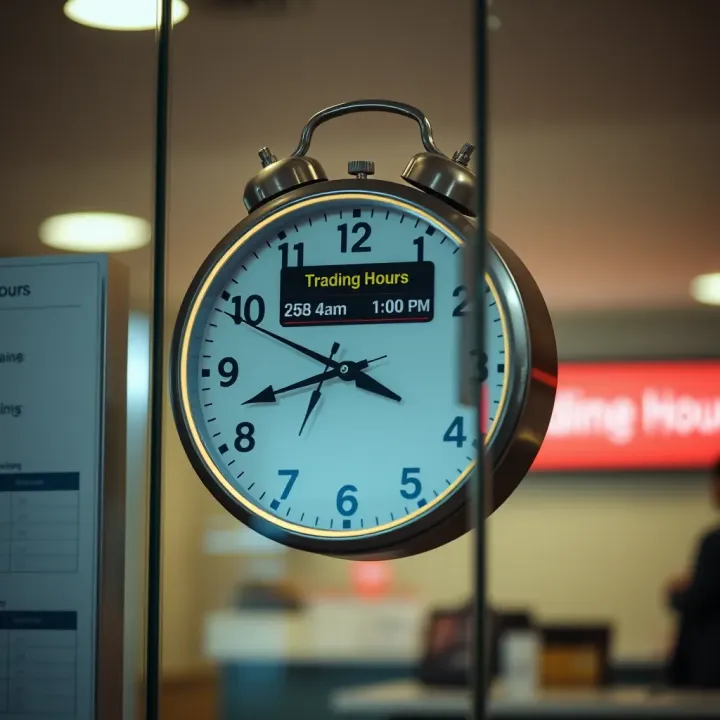
The main Cape Town Home Affairs offices generally open from Monday to Friday, 7:30 am to 3:00 pm. Some branches might close earlier or later, so checking your local office before heading out is wise. They usually close on public holidays and weekends, so plan visits accordingly.
Tip: Arriving early, just after opening time, helps beat the crowds and keeps your visit short.
Home Affairs offices follow strict visitor protocols for document verification and queue management. Typically, Mondays and the first week of each month are busiest, with queues stretching from early morning. Midweek tends to be calmer.
Keep these points in mind:
Bring all original documents and necessary copies
No unaccompanied children allowed
Masks and hand sanitiser might still be recommended due to ongoing health guidelines
Different services require different forms, but generally:
For ID applications: a birth certificate, proof of address, and supporting documents if applying for a first ID
For passports: a valid ID and proof of payment
For address changes or amendments: current ID and relevant proof of new address
Always double-check the exact requirements for your service beforehand.
If you can't visit during office hours or want to avoid the lines, many Home Affairs services can now be accessed online or via third parties authorised to assist, such as certain banks and accredited agencies. This is particularly useful for renewing passports or applying for birth certificates.
Ultimately, planning your visit with the right documents and timing saves time and stress. Cape Town’s Home Affairs centres are busy places, but getting it right upfront makes a difference.
Understanding the range of services offered by Home Affairs in Cape Town is fundamental for anyone planning a visit. Whether you're renewing your identity document, registering a birth, or applying for a visa, knowing exactly what to expect helps you prepare properly and saves time.
Home Affairs handles the issuing and renewal of South African identity documents and passports. This service is essential because the ID book or card remains the primary proof of citizenship and is required for various legal and financial transactions. For example, opening a bank account at FNB or applying for a new job almost always demands a valid South African ID. Likewise, passports are necessary for international travel, and processing times can vary — so it's wise to check ahead.
Registering births and deaths falls under Home Affairs’ responsibilities, playing a crucial role in official records. A timely birth registration ensures the child’s access to healthcare, schooling, and social grants. Similarly, death registration is necessary for estate administration and claiming insurance or pension benefits. Families often need to visit Home Affairs soon after these events to avoid complications later.
For legally recognised marriages, Home Affairs issues marriage certificates and provides related documentation services. These are needed when changing surnames, updating marital status for tax purposes, or applying for spousal benefits. Couples married by civil or customary law must ensure their marriage is properly registered to avoid legal issues down the line.
Many who want to live, work, or study in South Africa must apply for visas or permits through Home Affairs. This includes work permits, study visas, and residency permits. The application process can be detailed, requiring various supporting documents, so it's useful to understand what forms and proofs Home Affairs expects. Businesses in Cape Town, particularly in sectors relying on foreign labour, often assist employees with these procedures.
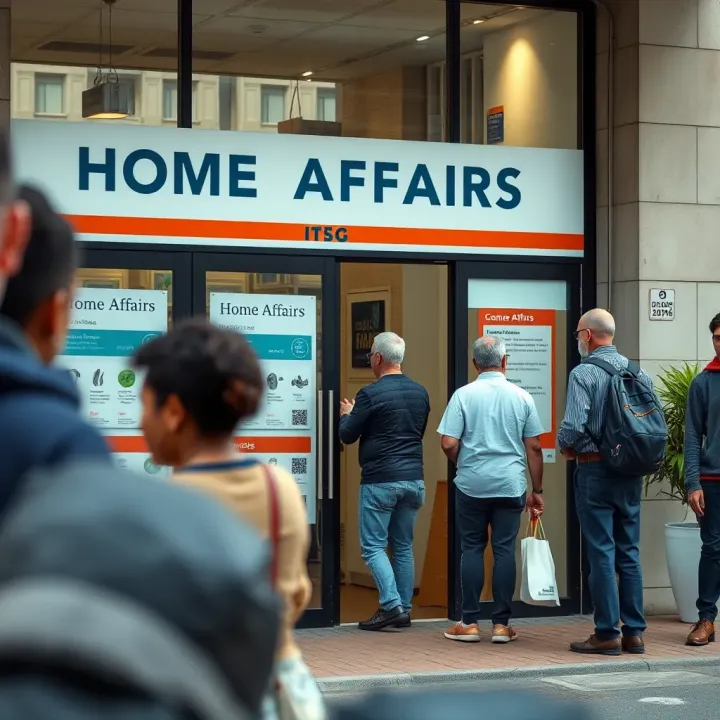
Home Affairs offices in Cape Town often experience long queues, especially during peak seasons such as before school terms or public holidays. Knowing the exact trading hours helps you avoid arriving too late when the office is about to close, or at peak times when queues are longest. For instance, visiting early in the morning can mean finishing your transaction before lunch.
Planning your visit around Home Affairs trading hours can prevent wasted trips. Many services require an appointment, and some branches open later or close earlier than others. Plus, some offices observe a lunch break, so arriving just before can mean waiting while the office is closed internally. Awareness of these details smooths your journey considerably.
Home Affairs offices close on public holidays, and occasionally on provincial holidays specific to the Western Cape. This affects timelines for document applications — if you miss these dates or don’t plan ahead, your application might be delayed by days or weeks. For example, the offices typically close for Freedom Day (27 April) and Heritage Day (24 September), so factor this into your plans.
Knowing exactly what services Home Affairs offers and their trading hours is a practical step to reduce stress and increase the chances of a successful visit. Planning saves you from queue chaos and unexpected closures, especially in a busy city like Cape Town.
Knowing the standard trading hours for Home Affairs in Cape Town makes a real difference when you need to plan visits. These hours dictate when you can access key services such as applying for IDs, passports, or registering vital records. Missing the window can mean waiting an extra day or even longer, which isn't ideal for busy traders or investors managing tight schedules.
Moreover, understanding these hours helps avoid long queues, especially at busy central offices. For example, someone knowing that a suburban branch closes earlier than the main city office can choose the most convenient site, saving time. Keep in mind that public holidays and weekend closures also affect availability, so planning ahead is key.
Home Affairs offices in Cape Town typically open at 7:30 am and close at 3:30 pm from Monday to Friday. This early schedule offers a chance to get services done before the day runs away. Traders dealing with document renewals, for instance, can aim to be there just as doors open to skip long morning queues.
Break times are also worth noting. Most branches have a lunch break from about 12:30 pm to 1:30 pm. During this window, services might slow down or briefly close, so it’s best to avoid visiting then if you want to be in and out quickly. Planning your visit either before or after this break keeps things smoother, especially if you have other commitments in the afternoon.
Generally, Home Affairs offices do not operate on weekends, which means Saturdays and Sundays are off-limits for in-person visits. So if you need to handle official paperwork, it's important to factor in that weekend days won’t count towards processing times.
National and provincial holidays also impact opening times. For example, on Human Rights Day or Freedom Day, offices close entirely. Some services resume the day after, but queues often grow because everyone deferred their visits. If you’re aware of these closures, you can avoid peak post-holiday rushes by planning your visit before the holiday or a few days after.
Not all Home Affairs offices in Cape Town follow the exact same schedule. Central, high-traffic branches tend to keep the standard hours mentioned earlier, but suburban or satellite offices might close earlier, around 3 pm, or open slightly later. This variation can help if you want to avoid city-centre traffic or crowds.
Some satellite offices, especially in malls or community centres, offer shorter opening times or operate only on certain days of the week. It's a practical move for locals who can’t easily reach the main offices during rush hour. Checking which branch suits your needs saves unnecessary travelling and waiting.
When planning your Home Affairs visit, always confirm specific branch hours in advance. This small step can mean the difference between a swift, hassle-free trip and a frustrating waste of time.
Planning your visit to Home Affairs in Cape Town can save you a lot of hassle. It helps you avoid long queues, unexpected closures, and ensures you have everything you need to complete your application or inquiry in one trip. Being prepared also cuts down on the amount of time spent waiting, which is especially important when dealing with busy government offices.
Booking an appointment is highly recommended if you want to skip the first-come, first-served queues. You can make a booking through the Home Affairs website or by calling their call centre. Having an appointment slot means you’re more likely to be attended to promptly, reducing your time spent at the office. For example, if you need a new ID or passport, booking ahead can secure a specific time and avoid arriving at the peak hours when the office floods with visitors.
Besides appointments, many Home Affairs services are increasingly available online. Functions such as checking application status, downloading forms, or submitting certain types of requests can be done via the Department of Home Affairs’ digital platforms. This reduces how often you’ll need to visit a physical office, which is handy, especially if you live far from central Cape Town or have mobility constraints.
Having all your required documents ready is one of the most important steps for a smooth visit. Typically, you’ll need your ID book or smart ID card, proof of residence, application forms (where applicable), and payment proof. For birth registration or marriage certificates, additional paperwork like hospital records or marriage notices must be at hand. Bringing photocopies can help speed things up, as officials sometimes request these.
Fees for applications or certificates vary depending on what service you require. Most Cape Town branches accept cash and EFT payments, but not all take card payments. It’s wise to carry the exact amount for fees, which currently range between R140 and R400 for standard documents. Confirm the latest fee structure before heading out, to avoid unexpected delays.
Visiting in the early morning right when the office opens is usually the best way to beat the rush. Many people avoid midweek afternoons because those are frequently the busiest times — especially just before public holidays. Weekends are rarely open, so plan your visit on a weekday if possible.
Home Affairs offices typically use a token or queuing system to manage visitors. This helps maintain order and keeps track of waiting times. When you arrive, you’ll collect a token from the queue desk and wait for your turn to be called. Some locations also display queue numbers on screens, which allows you to move freely nearby without missing your spot. Understanding this system can reduce stress and help you plan better, particularly if you have other commitments later in the day.
Planning ahead not only saves time but also helps you avoid frequent trips, which can be costly and tiring, especially in Cape Town's busy city environment.
Alternative access to Home Affairs services in Cape Town plays a significant role in easing the burden on main offices, especially for those who might struggle with timing or travel. These options present practical routes to getting essential documents without long waits or multiple visits. In many cases, using these alternatives can save time and reduce the hassle that often comes with standard office visits.
Mobile offices are set up by the Department of Home Affairs at various community centres, malls, and townships on scheduled days. These units bring essential services like ID applications, birth registrations, and passport renewals directly to areas where access to fixed offices is limited. For example, a mobile office could be found serving the Cape Flats or Mitchells Plain for a week, making it easier for residents who might otherwise need to travel to the city centre.
These outreach programmes usually operate during weekdays, between 8 am and 4 pm, although the exact times and locations vary. Notices often appear at local community halls or neighbourhood centres well in advance. The practical benefit here is clear: rather than battling traffic or queues at central offices, many find it easier to pop into a nearby mobile office within their community.
Those who should consider mobile services include elderly people, parents with young children, and anyone with limited transport options. The mobile offices reduce travel costs and lower waiting times significantly. Moreover, individuals who work regular hours and cannot visit during standard trading times might find mobile services more accessible.
Private companies can assist with document applications such as passports, ID renewals, and visa processing. These agencies handle the paperwork and submissions on behalf of clients, often communicating directly with Home Affairs. This can be especially helpful for businesses needing multiple documents or individuals unfamiliar with government procedures.
However, using third-party providers comes with both costs and risks. Service fees can add several hundred rand to the official charges. For instance, a simple passport application might cost R500 to R1,000 more through an agent. Additionally, not all providers are reliable—there's the risk of scams or delays if a provider doesn't follow through properly.
Before choosing a third party, check their reputation and ensure they are registered and compliant with South African law. Always compare fees carefully and ask if they provide official receipts and guarantees. While convenience is a tempting factor, protecting your personal information and documents should be a top priority.
Alternative service options can make a real difference, particularly for those facing travel challenges or tight schedules. Still, it pays to be cautious, informed, and well-prepared whether using mobile offices or private agents.
This approach to accessing Home Affairs services helps many Cape Town residents avoid the stress and unpredictability of traditional queues, making essential bureaucratic processes considerably more manageable.
Visiting Home Affairs can sometimes turn into a long, drawn-out ordeal if you're unprepared. Knowing how to make the process smoother doesn’t just save time—it cuts down on stress and helps you leave the office without any unpleasant surprises. Having a good grasp of trading hours, what you need to bring, and what to expect lets you focus on the task rather than the hassle.
Checking updated trading hours online is a practical step that many overlook. Trading hours can change without much notice, especially around public holidays or due to administrative adjustments. For instance, the Cape Town office might close early on certain days or even open late because of staff shortages. By checking the official Department of Home Affairs website or reputable news sources before you head out, you avoid a wasted trip.
This also helps if you’re relying on satellite or mobile branches, which might have different schedules. Imagine travelling all the way to a branch open only to find it closed because of unplanned maintenance—some proper online confirmation saves you that hassle.
Arriving early and dressing appropriately plays a key role in how your visit unfolds. Getting there right when the office opens makes a difference because queues tend to build up mid-morning. For example, if the office opens at 8 am, aim to get there by 7:45 am. Not only will this cut waiting time, but it also gives you a buffer if the queue is unexpectedly long.
Dressing comfortably but neatly also matters. Offices can get cold during winter mornings, so layering your clothes helps. On the other hand, informal attire is acceptable, but avoid clothing with offensive slogans or images to keep interactions professional and respectful.
Security measures at Home Affairs are taken seriously to protect staff and visitors. On arrival, you’ll go through a security checkpoint where your belongings might be scanned and checked. Large bags and certain items like knives or aerosols aren’t allowed inside. Such procedures can feel time-consuming, but they’re standard to maintain order, so expect this and plan accordingly.
If you travel with children or older adults, it’s helpful to arrive prepared—consider packing light and explaining the process to everyone to avoid stress.
Interaction with officials usually requires patience and clear communication. Home Affairs officers handle many enquiries daily, so being polite and straightforward improves the tone of your encounter. For example, if you’re applying for a passport, having your documents neatly organised and ready to present shows respect for their time and makes the process quicker.
Should there be delays or requests for additional documents, remain calm and ask questions politely. Officials are more willing to assist when visitors are cooperative.
Arriving prepared and knowing what to expect can transform your Home Affairs visit from a frustrating wait into a manageable errand.
By following these tips, you set yourself up for a smoother experience and reduce the chance of having to return multiple times.
Plan your visit to Wynberg Home Affairs with ease! 🕒 Find updated hours, services, and helpful tips for a smooth visit in Cape Town. ✅📄
📅 Find Bellville Home Affairs' trading hours, public holiday closures & key services. Get practical tips tailored for smooth visits. Plan ahead with local guidance! 🛂

🍷 Know Cape Town's liquor trading hours, rules for extensions, area variations, plus sales changes on public holidays & events to stay compliant and plan smart.

📅 Need to visit Home Affairs in Alberton? Discover exact trading hours, office locations, key services, and top tips to skip queues and save time!
Based on 5 reviews