

Forex Trading Schools in Johannesburg: A Clear Guide
Discover top forex trading schools in Johannesburg 📊 Learn how to pick the best program and gain practical skills for success in South Africa's market 🇿🇦
Edited By
Oliver Bennett
Managing risk in forex trading is a daily challenge, especially given the currency market's twists and turns. South African traders need tools that provide clarity amid the noise. Forex risk management calculators are just that — practical aids to estimate potential losses, position sizes, and risk-to-reward ratios before entering a trade.
These calculators help traders make informed decisions instead of guessing or relying solely on intuition. For example, if you’re trading a pair like USD/ZAR and want to risk 1% of your trading capital, the calculator tells you the maximum number of lots to trade based on your stop-loss level and account size. This removes doubts and keeps risk consistent.
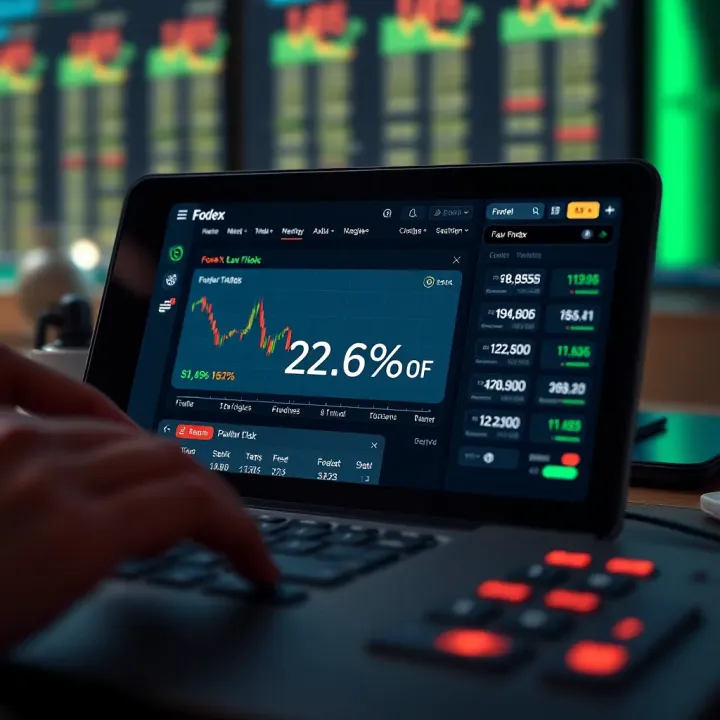
Good risk management means staying in the game longer and avoiding emotional decisions driven by outsized losses.
Crucial features of these calculators typically include:
Position size calculation: Determines how many units or lots you should trade
Pip value calculation: Shows how much each pip movement costs in your account currency, essential for non-ZAR pairs
Risk percentage input: Lets you decide what portion of your capital to risk per trade
Stop-loss and take-profit levels: Helps visualise potential loss and gain points
Using these tools is straightforward but requires accurate inputs such as account balance, currency pair, and stop-loss distance in pips. For instance, if you set a stop-loss of 50 pips on a R10,000 account risking 2%, the calculator will show how many lots correspond to a R200 risk.
Besides safeguarding funds, these calculators support disciplined trading. Many South African traders struggle with sizing positions properly, especially amid volatile moves during Eskom load-shedding uncertainty or global news events affecting emerging market currencies.
In short, a forex risk management calculator acts like your trading compass. It keeps your exposure in check, helps tailor trades to your comfort zone, and adds much-needed structure to your strategy. With the right calculator, you won’t just guess on risk — you’ll manage it confidently every time.
Grasping the nature of risk in forex trading is the foundation of managing your investments effectively. Forex risk involves the chance that currency price movements can lead to financial loss. Understanding this helps you make smarter decisions, keep your capital safe, and plan trades aligned with your risk tolerance.
Market volatility and currency fluctuations form the bedrock of forex risk. Currency pairs rarely move in a straight line—they react to economic reports, political events, and global developments. For example, when South Africa’s inflation numbers deviate from expectations, the rand (ZAR) might swing sharply against the US dollar (USD), impacting open positions.
Impact on trading positions is direct and swift. If you hold a long position on USD/ZAR and the rand suddenly strengthens due to positive domestic news, your trade can turn from profit to loss in minutes. This unpredictability means that small market shifts can have outsized effects, especially if position sizes are too large or stop-loss levels aren’t well planned.
Examples relevant to South African traders often include local events like changes in SARB’s (South African Reserve Bank) repo rate or Eskom load shedding announcements. These can cause unexpected currency movements. For instance, when load shedding increases, the rand often weakens as investors become cautious, highlighting the importance of factoring in such local risks when trading.
Protecting trading capital is the core purpose of risk management. Without capital, you can't continue trading. By setting a maximum risk per trade—say 1% of your account—you ensure a single loss won’t wipe out your ability to trade further. This discipline keeps your funds intact, even through tough market swings.
Avoiding excessive losses is about staying in control. Jumping in without clear risk parameters or ignoring stop-loss levels can lead to rapid depletion of your account. It’s common to see traders lose large sums because they over-leverage or ignore how quickly markets can move during volatile periods.
Sustaining long-term trading success depends on consistent, cautious approaches to risk. No matter how promising a trade looks, preserving your capital and managing losses allows you to stay active in the market. Traders who overlook risk control often burn out within months. This applies just as much to South Africa’s markets, which can be volatile around earnings seasons, political uncertainties, or global shocks.
Understanding and managing forex risk is not about avoiding losses altogether but making sure those losses do not stop you from trading tomorrow.
By appreciating what forex risk is and why managing it matters, you’re better prepared to use tools like forex risk calculators. These can help you make sound decisions and avoid common pitfalls that catch many traders off guard in both local and global currency markets.
Forex risk management calculators serve as vital tools in helping traders control potential losses and optimise trade decisions. By automating complex calculations, these calculators simplify decision-making and ensure that trades align with a trader's risk appetite. This section explains how these calculators operate, detailing their core functions and what input data they require.
One of the primary functions of a forex risk calculator is to determine the ideal trade size. Position sizing involves calculating the number of lots or units a trader should buy or sell based on the specified risk percentage of their account. For example, if a trader has an account balance of R20,000 and is willing to risk 2% per trade, the calculator will suggest a position size that limits the potential loss to R400.
This prevents overexposure and helps conserve trading capital during periods of market turbulence. Without accurate position sizing, traders might place trades that are too large relative to their account, increasing the chances of significant losses.
Stop-loss levels protect traders by automatically closing out a losing trade at a predetermined price, limiting potential losses. Risk calculators can suggest appropriate stop-loss positions based on market volatility, support and resistance levels, or preferred risk limits.
For instance, a trader entering a EUR/USD position may use the calculator to determine a stop-loss level 30 pips away from the entry price. This suggestion helps balance risk and reward, preventing premature stop-outs while guarding against excessive loss.
Calculators often assist in assessing the risk-reward ratio—the relationship between the potential loss and gain on a trade. A common benchmark is a minimum ratio of 1:2, meaning the expected profit should be at least twice the risked amount.
By inputting entry, stop-loss, and take-profit levels, the calculator can instantly provide this ratio. If the ratio is unfavourable, traders can adjust their trade parameters before committing, improving the potential for profitable trades over time.
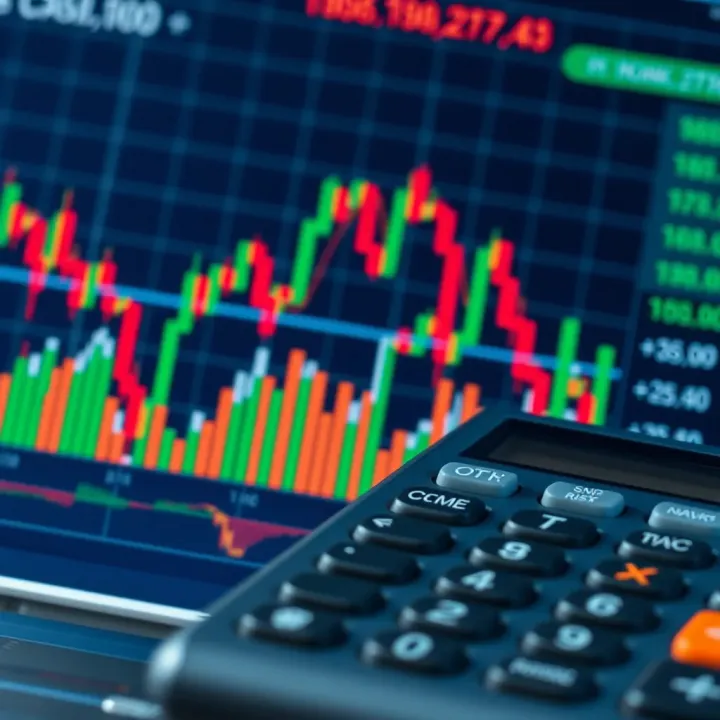
The calculator first needs the trader’s current account balance and the maximum percentage of that balance they are willing to risk on a single trade. For example, with R50,000 in the account and a 1.5% risk limit, the calculator will ensure potential losses do not exceed R750.
Setting this correctly is crucial because it keeps trading disciplined and prevents emotional decisions that can wipe out accounts quickly.
Traders must input the planned entry price and stop-loss level for each trade. The difference between these prices measures how much the trade risks per unit.
For example, if entering USD/ZAR at 18.25 with a stop-loss at 18.00, the risk per unit is 0.25 ZAR. The calculator uses this to determine the maximum number of units or lots based on the risk amount allowed.
Since pip values vary between currency pairs, the calculator requires the specific pair being traded. Different pairs have different pip sizes and may involve placing stop-loss levels differently because of the pair's volatility.
For South African traders, currency pairs involving ZAR (such as USD/ZAR or EUR/ZAR) are common. The calculator accounts for these pairs’ unique characteristics to provide accurate position sizing and risk calculations.
Using a forex risk management calculator with accurate inputs ensures trades are sized appropriately, stop-losses are placed sensibly, and risk-reward ratios remain favourable. This practical approach keeps traders disciplined and their accounts protected amid market fluctuations.
Forex risk calculators offer a clear edge by helping traders manage exposure and make smarter decisions. They aren’t just convenient gadgets; these tools help you plan trades realistically and safeguard your capital throughout turbulent market swings often seen in pairs like USD/ZAR or EUR/ZAR.
Avoiding overexposure is one of the most important practical benefits of using a risk calculator. Without clear measures, a trader might enter a position too large relative to their account size. For instance, if a trader with R50,000 in their account risks 5% per trade, that means no more than R2,500 should be at risk. A calculator quickly works out the exact lot size or number of units to buy or sell so losses don’t blow the trading budget apart. This is especially vital during volatile periods when exchange rates can swing sharply, such as during South African election cycles or global economic shocks.
Aligning trade size with risk limits ensures consistent money management. Traders often set a maximum risk percentage per trade based on their comfort level and trading strategy. The calculator ties this risk limit to concrete position sizes and stop-loss distances. For example, if your stop-loss is 100 points away in the USD/ZAR market and you only want to risk 2% of your R100,000 account (R2,000), the tool calculates how many units you can safely trade. This disciplined approach prevents chasing losses or overcommitting funds, which can quickly snowball into ruin.
A critical aspect is the clear assessment of potential losses before getting into a trade. When you enter details into a forex risk calculator, it instantly tells you the worst-case loss if the stop-loss is hit. Seeing this figure upfront stops emotional trading and guesswork. Say you find the calculated loss too steep compared to your budget or mental readiness, you can adjust the trade setup or pass on the opportunity. This upfront clarity is invaluable, especially when trading pairs with inherent volatility like GBP/ZAR or volatile commodity-linked currencies.
Adjusting trades to suit risk tolerance goes hand in hand with better decisions. Traders vary wildly in the risks they can stomach, influenced by personal finances and market experience. A risk calculator lets you play with different inputs—trade size, stop-loss distance, risk percentage—and instantly see how these changes impact the risk profile. For a more risk-averse trader, smaller positions and tighter stops can be tested. For a more daring one, the tool can show what bumping risk to 3% looks like in numbers. This flexibility helps traders stay aligned with their personal limits, avoiding surprises and stress that come from unexpected losses.
By taking the guesswork out, forex risk calculators ground your trading decisions in numbers, not just hopes or gut feel. In volatile, ever-shifting markets like those South Africans face, this kind of clarity helps you stay in the game longer and trade smarter.
Using a forex risk management calculator is more than crunching numbers; it’s about making trading decisions clearer and safer. These calculators help traders, whether novices or pros, to size positions correctly and set stop-loss points based on their account size and risk tolerance. For South African traders, facing currency volatility and sometimes unexpected market shifts, having this tool is practically a necessity. It helps avoid grabbing trades recklessly and keeps losses within manageable limits.
Before punching numbers into a risk calculator, you need detailed trade info. This includes your account balance, the percentage of that capital you’re willing to risk on a single trade (often between 1% and 3%), and the currency pair you’re planning to trade. You’ll also need the entry price and your planned stop-loss level based on technical analysis or market research. For example, if you hold R100,000 in your trading account and decide to risk 2%, then you’re exposing no more than R2,000 to any one trade.
Once this info is on hand, enter it into the calculator. Many online tools have straightforward interfaces where you fill in fields like account size, risk percentage, entry price, and stop-loss price. The calculator then factors in pip value for the currency pair, which can vary, especially with pairs involving ZAR, and spits out a recommended position size. This step reduces guesswork, ensuring you don’t accidentally take on a position that’s too large or too small.
After inputting your data, reviewing the output is crucial. The calculator will suggest the number of lots or units you should trade to keep your risk within your set percentage. It also shows the potential loss in Rand, giving you a clear sense of what you stand to lose if the stop-loss hits. This review phase lets you confirm that the trade fits your overall risk plan and prevents nasty surprises from oversized trades.
Incorporating a risk calculator before each trade makes risk management habitual. Before clicking 'buy' or 'sell', take a moment to assess how much you could lose relative to your comfort level. This step forces discipline and helps avoid emotional decision-making. For instance, during loadshedding or volatile sessions after economic data releases, sticking to calculator recommendations can stop you from blowing out your account.
Risk calculation doesn’t stop once a trade is live. If you adjust your stop-loss or consider scaling into a trade, use the calculator again to reassess your risk exposure. This is especially relevant in the forex market where prices swing rapidly. For example, if the rand suddenly weakens and you move your stop-loss to break-even, recalculating ensures you understand how much capital remains at risk. Continuous risk monitoring keeps your trading sustainable and prevents creeping losses.
Using a forex risk management calculator isn’t just a step — it’s a mindset. It trains you to think about risk before reward, helping you stay in the game longer and trade smarter.
Risk calculators are handy tools, but they aren’t foolproof. Traders often stumble by misusing these calculators, which can lead to bigger losses instead of managing risk properly. Spotting common mistakes helps you avoid pitfalls and use risk calculators more effectively.
A major error is not accounting for volatility changes when relying on a risk calculator. Forex markets can swing wildly, especially around events like South Africa’s SARB interest rate announcements or unexpected global news. If a calculator assumes average volatility but you’re trading during a stormy market, your stop-loss might be set too tight, resulting in premature exits.
Similarly, relying solely on calculator outputs is risky. A calculator crunches numbers but doesn’t factor in live news, sudden political shifts, or load-shedding disruptions that affect market sentiment. For example, a trade setup indicating low risk could quickly become dangerous if Eskom announces an unexpected loadshedding stage affecting business confidence and currency moves. Always blend calculator results with your own market analysis.
Choosing too high a risk percentage per trade is a common misstep. Some traders might think risking 5-10% of their forex account on a single trade is acceptable. In reality, risking more than 2% per trade across multiple positions can drain an account fast during a losing streak. South African traders especially should remember that data costs and access constraints can influence how easily they adjust trades or respond to losses.
Another trap is failing to factor in cumulative losses. Risk calculators usually calculate risk per trade independently, which can mask the impact of several consecutive losses. Imagine if you lose 3 trades at 2% each without adjusting; your effective drawdown might be closer to 6%, significantly reducing future trading power. Keeping track of cumulative losses and adjusting position sizes accordingly is crucial to staying afloat.
Mistakes with risk calculators can cost you dearly. Combine these tools with sharp judgement, keep an eye on market shifts, and be conservative with your risk approach for steadier trading.
By avoiding these errors, you harness risk calculators as valuable helpers rather than blind guides. This balance is key for solid forex trading in South Africa’s often volatile environment.
Choosing the proper forex risk calculator plays a significant role in helping traders manage their exposure effectively. A good calculator not only simplifies complex calculations but also ensures that traders understand their potential losses in real terms. For South African traders dealing with fluctuating Rand exchange rates and local brokerage platforms, picking a calculator that matches these specific needs prevents costly miscalculations.
An intuitive design is crucial since forex risk calculations often need to be done quickly, especially when market conditions shift unexpectedly. A cluttered or complicated interface can lead to errors or delays, which in trading can mean real financial losses. For example, calculators that display clear input fields for account balance, risk percentages, and entry/stop-loss prices reduce the chances of entering incorrect data.
Moreover, a user-friendly calculator should work smoothly on mobile devices. South African traders often rely on mobile platforms when away from their desks, so responsiveness is vital. A slow or unresponsive tool can disrupt your trading routine and force you to guess risk levels without proper data.
Accuracy goes beyond just correct calculations; it includes how the tool updates currency pair data and factors in spreads or commissions. An unreliable calculator might overlook transaction costs, leading to an underestimated risk. For South African traders, who may face wider spreads or overnight fees on Rand pairs, this can be a hidden pitfall.
Reputable calculators usually detail their formulae or source data and offer regular updates. Some even notify users when underlying market data has changed. These features help maintain the integrity of risk assessments, which ultimately safeguards your trading capital.
Using a calculator compatible with your broker's platform ensures calculations reflect the actual conditions of your trading account. For instance, brokers like IG, HotForex, or EasyEquities might have different margin requirements or pip value calculations for Rand pairs.
If the calculator cannot account for these specifics, your position sizing or stop-loss placement may be off, risking either overexposure or missed opportunities. A good tool will allow you to set broker-specific input parameters or link directly with your trading account to fetch real-time figures.
Free forex risk calculators often cover the essentials—position sizing, stop-loss distance, and simple risk-reward assessments. These are usually enough for beginner traders or those with straightforward trading strategies.
For example, a basic free tool might allow you to enter your account size, risk percentage, and trade entry details to give you a recommended lot size. While such tools do the job, they might lack customisation options or fail to integrate recent market changes, which could matter when volatility spikes.
Paid calculators often include enhanced features like multi-currency account support, integration with trading platforms, or advanced analytics such as volatility-adjusted risk suggestions. They can also offer ongoing support and regular updates aligned with changes in South African market conditions.
For traders handling multiple trades or needing granular control over risk parameters, these tools can be worth the investment. A paid tool might highlight risk clustering when you have several correlated open positions or alert you when cumulative losses approach your risk limits.
Selecting the right forex risk calculator tailored to your trading style and local market specifics can make a tangible difference to your risk control and overall trading success.
In sum, balance your needs with the features offered. Start with free tools to get a feel, then upgrade if your strategy demands more precision or advanced capabilities suited for the South African forex scene.
Discover top forex trading schools in Johannesburg 📊 Learn how to pick the best program and gain practical skills for success in South Africa's market 🇿🇦

Learn how forex trading sessions affect currency markets worldwide 🌍. Discover key time zones, overlaps, and tips for South African traders 🇿🇦📈. Grab handy PDF guides!
Learn forex trading in Johannesburg with expert training📈! Explore course types, practical strategies, and tips to thrive in the South African market🇿🇦.
🌍 Get to grips with forex trading terms! A clear guide packed with essential concepts to boost your confidence and skills in the forex market. 📈
Based on 9 reviews