
Practical Forex Trading Tips and Strategies
📊 Discover practical forex trading tips and strategies from top PDF guides. Learn market analysis, risk control, emotional discipline, and smart trade execution for success.
Edited By
Isabella Foster
Forex trading, or trading foreign currencies, has become more accessible to South Africans thanks to online platforms and lower entry costs. However, mastering forex requires more than just opening an account and clicking "buy" or "sell."
At its core, forex trading involves buying one currency while selling another simultaneously. It operates 24/5 across international markets, influenced by global events, central bank decisions, and economic conditions. For example, a sudden change in South Africa's repo rate by the South African Reserve Bank (SARB) can sway the rand's value against the US dollar, offering trading opportunities.
Understanding this market demands a grasp of essential concepts like currency pairs, leverage, and spread. Consider the USD/ZAR pair—the US dollar against the South African rand—as a popular choice among local traders. Movements in this pair reflect factors specific to both economies.
Risk management isn’t optional in forex—it is necessary. Many rookie traders jump in without clear limits, only to face quick losses. Setting stop-loss orders and only risking a small percentage of your trading capital per trade can prevent substantial damage to your wallet.
Besides theory, successful forex traders rely on practical tools: charting software, economic calendars, and real-time news feeds. Platforms like MetaTrader 4 or TradingView offer features tailored to analyse price action and identify entry and exit points.
Consistent learning and disciplined strategies separate profitable traders from those who burn through capital.
For South Africans, forex trading also means navigating local challenges such as loadshedding, which can disrupt online trading sessions, and understanding regulations under the Financial Sector Conduct Authority (FSCA).
This guide will break down the process into clear steps, provide tested strategies, risk management advice, and access to PDF resources you can refer back to. Whether you are a trader, analyst, or broker, these insights aim to build your confidence and improve your skill set in the fast-moving foreign exchange market.
From grasping how currency pairs work to managing your risk and using the right tools, you’ll get a practical foundation to tackle forex trading realistically and responsibly.
Grasping the basics of forex trading sets the foundation for any trader, especially in a complex and fast-moving market like foreign exchange. It’s not just about knowing what forex is, but understanding how the currency pairs behave, when the market opens and closes, and which platforms and brokers best serve your trading style. This knowledge helps you make smarter decisions, manage risks better, and avoid common pitfalls that trap newcomers.
Forex trading involves buying one currency while simultaneously selling another. These are called currency pairs—for instance, the USD/ZAR pair spells out the value of the US dollar against the South African rand. This means when you trade forex, you’re essentially speculating on whether one currency’s value will go up or down compared to another. Understanding this is more than academic; for example, knowing that the rand tends to be more volatile during South African business hours helps you pick the best times to trade.
The forex market operates 24 hours a day during weekdays but is divided into different sessions: the Asian, European, and North American sessions. Each session sees varying activity depending on the currencies involved. For instance, EUR/USD is highly active during the European and US sessions, while USD/ZAR might have increased volatility when both Johannesburg and New York markets overlap.
Brokers act as the gateway between you and the forex market. They provide the trading platform where you execute your trades. The quality of your broker and trading platform profoundly affects your trading efficiency and cost. For example, low spreads and fast order execution can make the difference between a profitable trade and a loss.
In South Africa, it’s important to choose brokers regulated by the FSCA (Financial Sector Conduct Authority) for safety and compliance. The trading platform should also be user-friendly, offer real-time data, and allow easy setting of stop-loss and take-profit orders. Platforms like MetaTrader 4 and 5 remain popular, offering comprehensive charting tools and customisation.
Getting familiar with forex jargon like pips, lots, leverage, and margin is essential. A pip is the smallest price move a currency pair can make, usually 0.0001 for most pairs. Lots refer to trade sizes, with a standard lot representing 100,000 units of the base currency. South African traders often start with mini or micro-lots to manage risk.
Leverage lets you control a bigger position with a smaller amount of capital, boosting both potential gains and losses. If you use 1:100 leverage, R1,000 controls R100,000 in the market. Margin is the actual amount you need in your account to open a leveraged position. It’s a balancing act: while leverage increases earning potential, it can also dramatically increase losses.
Understanding how to place orders is critical. A market order executes immediately at the current price, making it ideal for entering or exiting trades quickly. A limit order lets you set the price at which you want to buy or sell, so your trade activates only when the price hits that level; this is useful when you expect the price to pull back before continuing in your favour.
A stop-loss order helps control losses by automatically closing trades at a predetermined level. For instance, if you buy USD/ZAR at 18.00 but don’t want to lose more than R500, you can set a stop-loss at 17.80. If the pair drops to that level, the trade closes automatically, protecting your capital.
Mastering these basics ensures you’re not swimming in deep waters without a life jacket. Each element plays a practical role in how you enter, manage, and exit trades.
Having a solid trading strategy is what separates casual participants from consistent forex traders. A well-thought-out plan serves as a roadmap, helping you make informed decisions rather than relying on gut feelings or guesswork. In the fast-moving forex market, this can save you from costly mistakes and emotional trading.
Fundamental analysis involves examining economic indicators, geopolitical events, and central bank policies to understand why currencies move. For instance, if the South African Reserve Bank signals an interest rate increase, the rand often strengthens. Traders keeping an eye on such news can anticipate trends rather than reacting late. It's like tracking the weather forecast before heading out — gives you a heads-up on what to expect.
Understanding the relationship between economic data such as employment figures, inflation rates, and political developments can provide clear clues about currency direction. For example, weaker-than-expected GDP growth in South Africa compared to the US might weaken the rand against the dollar. So, staying connected to these fundamentals helps identify long-term trends.
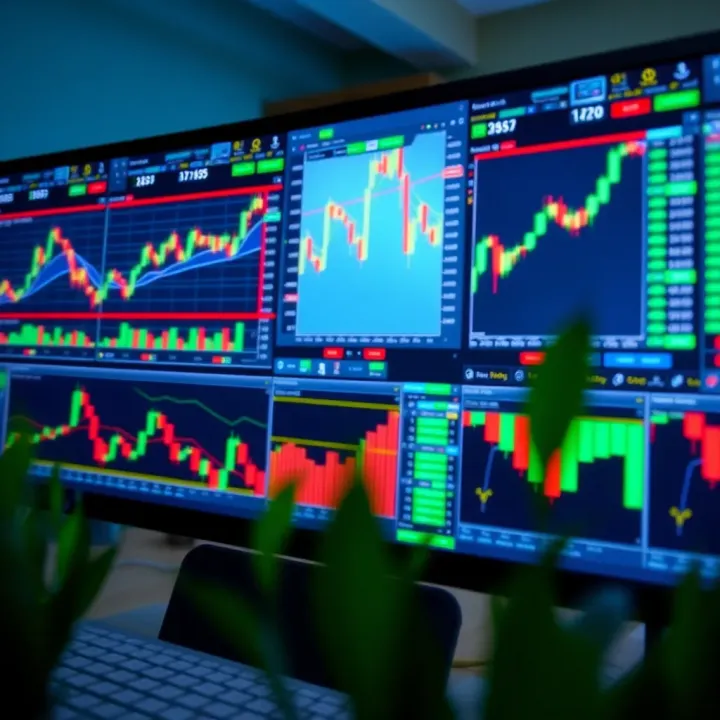
Technical analysis focuses on price movements and patterns, using charts and indicators to predict future market behaviour. Common tools include moving averages, Relative Strength Index (RSI), and Fibonacci retracements. These help identify entry and exit points by highlighting overbought or oversold conditions or potential support and resistance zones.
Imagine watching how a taxi moves through traffic: technical analysis tries to spot patterns in these movements to predict the next turn. For example, a moving average crossover might signal a good time to buy or sell. Regular use of these tools enables traders to spot short-term opportunities even without in-depth economic knowledge.
There are various trading styles to suit different preferences and schedules. Scalping involves making many quick trades throughout the day, aiming for small profits each time. Day trading closes all positions before the market sleeps to avoid overnight risk. Swing trading holds positions for several days to catch medium-term moves, while position trading means holding trades for weeks or months based on broader trends.
For example, a busy South African professional might prefer swing trading as it requires less screen time than scalping, while a full-time trader might find scalping suits their fast-paced style. The key is matching your style with your lifestyle, risk appetite, and trading experience.
Time investment in trading has a direct impact on risk management. Quick trades demand constant attention and can result in rapid gains or losses, while longer trades require patience but might carry exposure to unexpected political shifts or economic data releases.
Finding a balance means assessing how much time you realistically have to monitor the market without getting stressed or distracted. For instance, someone who can commit only evenings might opt for swing trading to avoid the pressure of intraday volatility. Plus, adapting your risk per trade to your style keeps your capital safer — scalpers may take smaller but more frequent risks, whereas position traders can afford wider stop-loss levels.
A solid strategy blends market analysis with a trading style suited to your schedule and appetite. It’s the backbone for steady progress in forex trading.
Managing risks and protecting your capital form the backbone of successful forex trading, especially in a market as volatile as foreign exchange. This isn't just about avoiding losses but also about making your trading sustainable in the long run. In South Africa, where local factors like exchange rate swings and even loadshedding can influence trading conditions, good risk management helps you stay afloat even when the unexpected occurs.
Poor risk management is like driving a bakkie without brakes: you might get far, but the sudden stop will hurt badly. By setting clear rules for how much you're willing to risk on a trade before you even enter it, you give yourself a safety net. The main goal is to preserve your capital so you can keep trading another day, even after a series of losses.
Setting realistic profit targets and stop-losses is vital to managing risk effectively. The risk-to-reward ratio compares the potential loss (risk) to the possible profit (reward) on a trade. For example, if you set a stop-loss at 50 pips and a profit target at 150 pips, your ratio is 1:3. This means you're risking 1 unit to potentially gain 3 units, which is generally considered a favourable setup.
In practice, South African traders may find it tempting to aim for massive profits quickly, but ignoring reasonable stop-loss levels often leads to wiping out hard-earned savings. Setting stop-losses depends on market volatility, so using tools like the Average True Range (ATR) indicator can help you place these limits smartly rather than arbitrarily.
Overtrading usually happens when emotions run high—after a loss, you might try to get your money back by placing too many trades or risking too much. This behaviour often spirals into bigger losses. Instead, take a step back and stick to your trading plan. For instance, if your daily loss limit is R500, respect it strictly, regardless of how stubborn you feel about recovering that day.
Chasing losses is another common pitfall where traders throw caution to the wind, hoping luck will turn. On the forex market, luck isn't a strategy. Remember, even the most seasoned traders deal with losses; the key is to control them and not let frustration dictate your next move.
Discipline is what separates good traders from gamblers. Pressure can come from various directions—market swings, peers boasting about big wins, or personal financial stress. Discipline means sticking to your rules for entry, exit, and risk management even when your gut says otherwise.
A practical tip is to keep a trading journal. Writing down why you took each trade and how you felt can reveal recurring emotional traps. Over time, this reflection builds mental resilience, making you less likely to act impulsively during high-pressure moments in the market.
Protecting your capital isn't just about the numbers; it's about mastering your mindset and having a clear plan. Without these, even the best strategies fall short. Remember, forex trading is a marathon, not a sprint.
Using PDFs as part of your forex learning toolkit offers a neat, organised way to keep essential information at your fingertips. PDFs present structured guides that help you follow the learning journey step-by-step without feeling overwhelmed by too much information all at once. Whether you're grasping basic concepts or fine-tuning advanced trading strategies, these documents break down complex topics logically
One major plus of forex trading PDFs is the clear, stepwise approach they provide. Unlike articles or videos that might jump around topics, PDFs often start with foundational concepts before moving on to more complex material, allowing you to build understanding gradually. Imagine having a manual that takes you from understanding currency pairs to managing risk—this kind of flow is invaluable when you’re learning on your own.
Another practical benefit: the ability to highlight, annotate, or bookmark sections for quick reference later. Say you're revisiting how to place stop-loss orders; a PDF lets you jump directly to that section without sifting through endless pages online.
Having forex guides saved as PDFs means you’re not tied to internet access or worrying about slow connections. This is especially handy given South Africa’s occasional internet or mobile data challenges. You can study while commuting, during power cuts (loadshedding), or any time offline.
Plus, a PDF’s compact format keeps your resources organised in one place on your device, avoiding clutter from multiple tabs or apps. For instance, downloading a well-regarded PDF from a trusted broker means you’ll always have a solid reference whether you’re at home, the coffee shop, or even at a braai.
Many forex traders turn to online forums and communities, such as those on MyBroadband or dedicated Telegram groups, to find credible PDF resources shared by fellow traders. These platforms often include links to broker-produced guides, which tend to be reliable since these companies want knowledgeable clients using their platforms safely.
For example, brokers like IG Markets or Easy Equities often publish beginner-friendly PDF guides tailored to local South African traders, covering regulatory points and common trading practices. Such broker-backed material often includes explanations on risk management tools aligned with local market conditions.
On the international front, there are well-known forex education providers like Babypips and FxStreet that offer comprehensive PDF guides you can download free of charge. These documents cover everything from basic trading vocabulary to detailed technical analysis.
Closer to home, the South African Futures Exchange (SAFEX) and the JSE occasionally publish market info and trading manuals in PDF form, useful for traders interested in both forex and derivatives. Using a mix of local and international PDFs broadens your understanding while ensuring you stay grounded in South Africa’s unique trading environment.
Accessing well-structured forex PDFs from trusted sources can keep you ahead of market dynamics while giving you study flexibility that suits busy South African traders.
By integrating these PDFs into your learning routine, you create a practical resource library you can revisit any time, strengthening your forex trading journey with clarity and confidence.
Starting out in forex trading can be a steep climb, but with practical tips tailored to your context—especially as a South African trader—you can make that climb manageable and even profitable. This section covers key areas you need to pay attention to right from the start and as you develop your skills.
South African traders must prioritise brokers regulated by the Financial Sector Conduct Authority (FSCA). This regulation ensures your broker follows local rules that protect your funds and guarantee decent operational standards. Using an FSCA-regulated broker also means you can seek recourse within the local legal framework if problems arise.
Many international brokers operate here but lack local regulation, which can be risky. For example, while some offer no-deposit bonuses or highly attractive leverage, these often come with hidden costs or unreliable service. Staying with an FSCA-approved broker like IG or EasyEquities helps you avoid such pitfalls.
Trading costs can eat into your profits faster than you realise. Look for brokers who offer competitive spreads (the difference between buying and selling prices), reasonable commission fees, and fair swap rates for overnight positions.
Beyond costs, consider the trading platform's usability and tools. Platforms like MetaTrader 4 or 5 are popular in South Africa, offering a balance between beginner-friendly design and advanced charting tools. A smooth, stable platform with local payment options (like EFT or SnapScan) also makes deposits and withdrawals easier, saving you headaches.
Demo accounts simulate live forex trading without using real money, which is golden for newcomers. You can test strategies, get familiar with order types, and experience live market conditions without risking your savings.
For instance, try trading on a demo account using various methods such as scalping or swing trading to see which suits your style. Just remember, a demo account won't replicate the emotional pressure of real trading but is a crucial step before going live.
Shifting from demo to live trading is a milestone but requires caution. Many traders stumble by treating real accounts the same as demos, risking impulsive decisions.
Start small on your live account and accept that losses are part of the process. Track your progress, avoid increasing your position sizes too quickly, and continue practising good money management. This steady approach helps build confidence without wiping out your capital.
Keeping an eye on economic events and market news is vital. Currency values often shift quickly after central bank announcements, inflation reports, or geopolitical developments.
Services like Bloomberg, Reuters, and local business news outlets provide timely updates. For example, a change in South Africa's repo rate by the South African Reserve Bank (SARB) can significantly impact the rand. Staying informed helps you anticipate market moves rather than chase them.
Learning by yourself can feel isolating. Joining online trading forums or local groups gives you a chance to share ideas, discuss strategies, and learn from others' successes and mistakes.
Platforms like MyBroadband’s trading discussions or Facebook groups dedicated to South African forex traders offer a support network. Just be wary of hype and always verify advice with your own research.
Starting smart with a regulated broker, practising on a demo, and continuous learning will save you from costly mistakes. Forex trading demands patience and a willingness to grow gradually.
With these practical tips, South African traders can approach forex trading confidently, balancing caution with ambition as they develop their skills and sharpen their strategies.
📊 Discover practical forex trading tips and strategies from top PDF guides. Learn market analysis, risk control, emotional discipline, and smart trade execution for success.
Master forex trading in South Africa with practical PDF strategies 📈. Get tips to navigate markets and tailor your approach for better results.
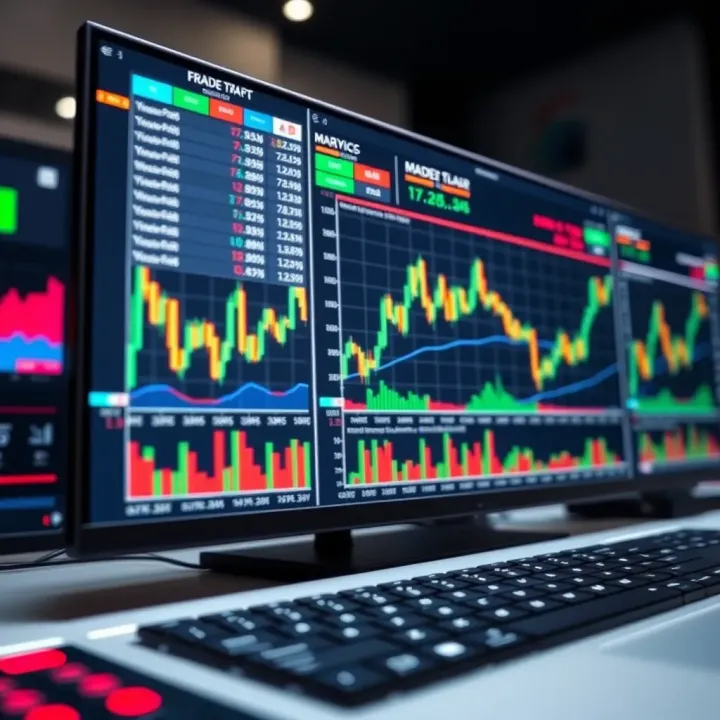
Explore essential forex trading software 🖥️, compare features, and get practical tips to boost your trading success while managing risks effectively.
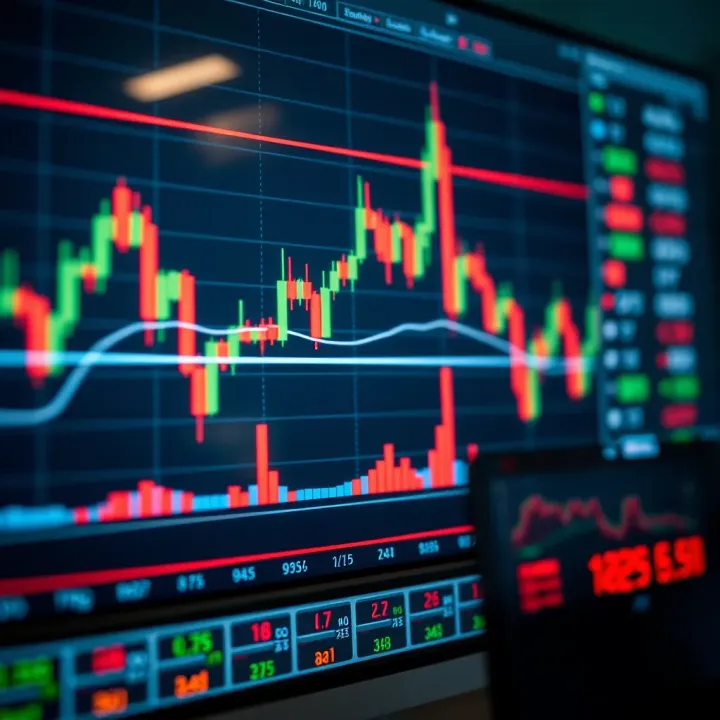
📈 Master forex trading with practical tips, smart risk management, sharp analysis, and avoid common pitfalls for better market success in South Africa.
Based on 13 reviews