

Forex Trading Strategies Guide with Free PDFs
📈 Explore practical forex trading strategies designed for real-world success. Get free PDFs to master currency markets and boost your trading skills today!
Edited By
Isabella Hughes
Short-term forex trading, especially the 1-minute strategy, demands swift decisions and solid groundwork. It’s about spotting tiny price moves and grabbing quick profits before the market shifts again. This method suits traders who thrive on fast-paced environments but also comes with intense risk—you must stay sharp and disciplined.
Understanding 1-minute forex trading means knowing how to read tick charts, interpret candlestick patterns, and identify entry and exit points within a tight timeframe. Standard tools here include technical indicators like the Moving Average Convergence Divergence (MACD), Relative Strength Index (RSI), and Bollinger Bands, which provide signals on momentum, trend strength, and volatility.
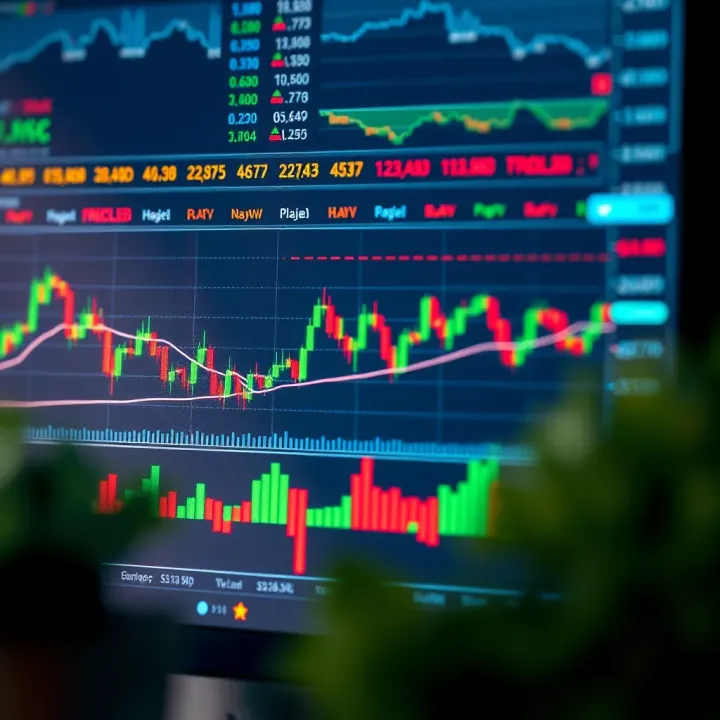
The key to success lies in combining these indicators with strict risk management — using tight stop-loss orders and position sizing to protect your capital when trades turn against you.
For South African traders, local factors such as internet speeds, trading platform reliability, and time zone differences with global markets matter. A stable connection through providers like Vodacom or MTN can make or break your timing in executing trades accurately.
Speed and precision: Decisions happen in seconds — hesitate and the opportunity disappears.
Technical setup: Use a well-tuned chart layout with fast-refreshing data and clear visual cues.
Money management: Limit your risk on each trade, typically no more than 1-2% of your trading capital.
If the EUR/USD pair forms a 'hammer' candlestick on the 1-minute chart near a support level, while the RSI dips below 30 (oversold), that setup could signal a quick buy opportunity. However, place a stop-loss just below the support to guard against a sudden decline.
Once you grasp the basics, accessing dedicated PDF guides can deepen your knowledge without overwhelming you. These concise resources often break down complex strategies into manageable steps, perfect when you just want to tighten your skills and start trading confidently.
This guide lays the groundwork for quick, informed trades within the hectic world of forex — a world where every second counts, and every rand must work hard.
Grasping the fundamentals of 1-minute forex trading is essential before jumping into the fast-paced world of short-term trades. This style demands quick decision-making and a solid understanding of market movements that occur within seconds. Traders who master these basics tend to avoid costly mistakes and fine-tune strategies that fit their trading style and risk tolerance.
1-minute forex trading involves entering and exiting trades within one-minute intervals, often known as scalping. It’s the quickest way to take advantage of price fluctuations in the foreign exchange market. For example, a trader might spot a brief spike in the EUR/USD currency pair and open a position that lasts less than 60 seconds to lock in small profits. Because trades are so rapid, this approach often requires tight stop-loss orders and rapid response times.
This style suits traders comfortable with high-frequency actions and often uses software or platforms capable of quick order execution. In South Africa, where internet reliability can be an issue during loadshedding or in outlying areas, it’s especially important to consider technical readiness before adopting this approach.
Short-term trading focuses on immediate price movements, often ignoring broader market trends. The goal is to capitalize on small gains from market volatility rather than waiting for long-term trends to develop. For instance, while a swing trader might hold a position for several days or weeks to capture a larger trend in the ZAR/USD pair, a 1-minute trader looks for quick entry and exit points to capture brief price changes.
Unlike longer-term investors who might use fundamental analysis, short-term traders primarily rely on technical indicators like moving averages, RSI (Relative Strength Index), or Bollinger Bands. They also need to be vigilant about spreads and transaction costs since frequent trading can eat into profits.
Successful 1-minute traders understand their markets deeply and have the discipline to stick to their strategy despite the market's rapid ups and downs.
Getting these basics clear sets the stage for building effective strategies, managing risk, and making the most of quick trades without falling prey to impulsive decisions or technical glitches.

Trading on the 1-minute forex chart demands precision and quick thinking, making certain components non-negotiable for success. The key elements include grasping market volatility and liquidity, selecting the right currency pairs, and timing your entries and exits with appropriate technical indicators. Overlooking any of these aspects can turn fast-paced trading into costly guesswork.
Market volatility shows how much a currency's price moves within a period, while liquidity indicates how easily you can buy or sell without moving the market. For 1-minute trading, vibrant volatility alongside good liquidity is ideal—it means you get active price movement without big gaps or delays in order execution. For example, during London and New York sessions overlap, the EUR/USD pair sees higher volatility and tighter spreads, making it more attractive for scalpers and quick traders. Conversely, a thinly traded pair in an illiquid session could leave you stuck with unfavourable prices.
Remember, fast moves can bring quick profits but also sharp losses—knowing when to trade, based on volatility and liquidity, can reduce nasty surprises.
Not all currency pairs are suited for the rapid pace of 1-minute trades. Popular majors like EUR/USD, GBP/USD, and USD/JPY generally offer the speed and volume needed. They tend to have thinner spreads and move in tighter, more predictable ranges—key for entering and exiting trades fast. Exotic pairs, for instance USD/ZAR or EUR/TRY, often have wider spreads and erratic swings that aren't ideal for this style. That said, if you follow the local market times and news events, you might spot windows where exotic pairs behave more smoothly.
Focus on pairs with a clear, consistent pattern during your preferred trading hours. It’s about working smart, not hard.
In 1-minute trading, time is your biggest enemy and ally. Using technical indicators helps you catch those tiny windows of opportunity. Moving averages, especially the 5-period and 20-period on a 1-minute chart, help spot trend direction quickly. When a fast MA crosses over a slower one, it can signal a potential entry or exit.
Oscillators like the Relative Strength Index (RSI) set at a shorter length (e.g., 7 periods) provide clues when the market is overbought or oversold—perfect for quick reversals. However, relying on a single indicator is risky; combining volume analysis or Bollinger Bands tightness can confirm signals.
Remember, indicators are tools—not crystal balls. Combine them with price action and market context to reduce false signals.
By focusing sharply on these core components, traders can increase their chances of capitalising on the swift moves that 1-minute forex trading offers, especially in the fast-moving environment South African traders often navigate.
Risk management plays a vital role in 1-minute forex trading due to the fast-paced nature of this strategy. In such a short time frame, price swings can be sudden and unpredictable, making losses quick and steep without proper safeguards. Traders who overlook risk control often face rapid depletion of their accounts. Emphasising risk management helps maintain trading discipline, preserve capital, and sustain profitability over time.
Stop losses are an absolute must in 1-minute trading. Because trades might last barely longer than a minute, a stop loss protects you from outsized losses when the market moves against your position unexpectedly. For example, if you're scalping the EUR/USD and set a tight stop loss of 5 pips, you limit your potential loss to that amount before exiting automatically. This prevents emotional decisions during volatile swings.
Take profit points work hand in hand with stops by locking in gains before the trade reverses. Since 1-minute strategies aim for small, quick profits, setting realistic take profit targets, such as 8–10 pips, ensures you bank profits consistently instead of chasing larger moves that rarely happen in such tight windows. A typical approach is the 1:1 or 1:2 risk-to-reward ratio; if your stop loss is 5 pips, your take profit might be 10 pips.
Without disciplined stop loss and take profit settings, even the best 1-minute strategy can crumble due to emotional trading and large unexpected losses.
Keeping position sizes appropriate to your account balance is critical when trading one-minute charts. Overleverage can wipe your account out in seconds during a sudden market spike or spike in volatility caused by news. A common guideline is risking no more than 1% of your total capital on a single trade. For instance, if your trading account holds R10,000, you limit the maximum loss to R100 per trade.
Smaller position sizes also help reduce the emotional pressure that encourages reckless trading moves. Because profits per trade tend to be small, the temptation to beef up positions for bigger returns is strong. But staying consistent with sizing helps you survive losing streaks and keeps you in the game longer. Position sizing tools built into brokers’ platforms like IG or Standard Bank’s trading portals can help automate this discipline.
Managing risk well keeps you on an even keel amid rapid, minute-by-minute decisions. Without it, chasing quick profits can so easily turn into chasing losses.
Balancing stop losses, take profit points, and position sizes are the core pillars that protect your capital in 1-minute forex trading. Master these to build a foundation for consistent success in the fast, sharp world of short-term forex moves.
For traders focusing on 1-minute forex trading, accessing the right PDF guides can be a solid way to gain practical knowledge and refine strategies effectively. These PDFs provide concise, targeted insights suitable for quick trades, cutting through the clutter of bulky textbooks or generic articles. Whether you're a beginner or have some experience, well-chosen PDFs help sharpen your understanding of fast-paced forex markets.
Finding dependable PDFs isn’t as simple as a quick Google search. It’s best to look for materials from reputable sources such as established trading education platforms, brokerages with educational arms, or well-known forex community websites. For example, brokers like FXTM and IG often provide free downloadable strategy guides that include sections on ultra-short timeframes like 1-minute charts.
Local forums and trading groups, especially within South Africa’s trading community, can also recommend useful PDFs shared by experienced traders. Always check the publication date and author credentials — forex markets evolve quickly, so outdated materials might lead you astray.
PDF guides on 1-minute forex trading often emphasise technical analysis, including candlestick patterns, moving averages, and momentum oscillators like the RSI or stochastic indicator. When working through these PDFs, start by grasping the core concepts without rushing. Note down any terms or indicators unfamiliar to you, and revisit these areas through practical demo trading.
Practical application is key here. Use demo accounts to experiment with strategies suggested in the guides before moving to live trading. For instance, if a PDF highlights using a 5-period moving average crossover on a 1-minute chart, try this out during different market sessions (like London open vs. New York close) to see how market volatility affects results.
Keep in mind that no PDF or guide offers a one-size-fits-all solution. Your success depends on tailoring the strategies to your risk tolerance, trading style, and prevailing market conditions.
Also, watch out for PDFs that promise quick riches — credible guides focus on risk management and realistic expectations. Incorporating notes from your trading experiences into these PDFs helps turn theory into personalised practice.
In summary, reliable 1-minute forex trading strategy PDFs serve as valuable tools if sourced carefully and used alongside consistent practice. They break down fast, complex markets into digestible, actionable steps, helping traders in South Africa and beyond develop confidence in micro-scaled trading environments.
Trading in the forex market using 1-minute strategies demands speed, sharp focus, and technical preparedness. For South African traders, these requirements come with unique challenges and opportunities linked to local market conditions, internet access, and the brokers available. Getting practical about these factors means you can trade more confidently and avoid common pitfalls.
The broker you choose has a significant impact on your ability to trade 1-minute forex strategies effectively. Look for brokers that offer low latency execution and tight spreads, especially on currency pairs like USD/ZAR or EUR/USD, which tend to be liquid and popular among South African traders. Platforms like MetaTrader 4 or 5 are widely used because they support rapid trade execution and fully customisable charting tools. Consider brokers regulated by the Financial Sector Conduct Authority (FSCA) for some local protection. Beware of platforms with slow order processing or poor mobile versions, as any lag can cost you dearly when trades last mere seconds.
Fast, reliable internet is non-negotiable for 1-minute forex trading. In South Africa, where network outages and speed fluctuations happen, it’s wise to have a backup internet option—perhaps a mobile data plan alongside your home broadband. A wired connection tends to be more stable than Wi-Fi, especially during peak Eskom loadshedding stages or heavy network use. Also, your device must handle trading platforms smoothly; an older laptop struggling with multiple indicators can freeze at the worst moment. Investing in a modestly powerful computer and a UPS (uninterrupted power supply) to bridge minor power interruptions can make all the difference.
The nature of 1-minute strategies means trades occur rapidly and often. This fast pace can lure you into rash decisions or “overtrading,” chasing every twitch in the price. Discipline is your best defence here. Set strict rules for when to enter and exit trades, and stick to your risk management parameters without exceptions. Using alerts or automated stop losses helps keep emotions in check. Also, remember to take regular breaks to reset your focus, especially during intense sessions. Fatigue dulls judgement quicker than you might expect, and one bad trade can wipe out several good ones.
Successful 1-minute forex trading isn’t just about quick fingers – it’s a careful blend of choosing the right tools, preparing for technical hiccups, and managing your mindset in a high-speed environment.
South African traders should also adapt their approach to local realities like data costs and unpredictable power supply, integrating these elements into their trading plan for better consistency and results.
📈 Explore practical forex trading strategies designed for real-world success. Get free PDFs to master currency markets and boost your trading skills today!
📈 Discover practical tips for forex trading in Johannesburg, South Africa! Learn the basics, local rules, proven strategies, and unique trading insights.

Explore forex trading in Yokohama 🇯🇵 with insights on local rules, key players, strategies, and how global trends affect traders. Start smart today! 💹
Explore top forex trading websites 🌐, learn to set up accounts, manage risks, and analyse markets to trade confidently and safely in South Africa 🇿🇦.
Based on 5 reviews