

Understanding Binary Systems in the World Wide Web
Explore how binary systems power the World Wide Web 🌐, decode digital communication 🔢, and support modern computing technology 💻 in daily internet use.
Edited By
Emily Parker
Cashier binary refers to the representation of transaction data in two distinct states, typically zeroes and ones, within a point-of-sale (POS) system. This binary approach underpins how cashiers record, process, and verify sales, impacting both speed and accuracy at the till. Understanding this system helps traders, investors, and analysts appreciate its role in improving retail operations.
At its core, cashier binary converts complex transactions into simple on/off signals that a computer can interpret. For instance, payment methods—cash, card, or mobile—may be assigned specific binary codes, facilitating rapid processing and reducing human error. In South African retail outlets, where queues can stretch long during peak hours, this efficiency can make a real difference to customer experience.
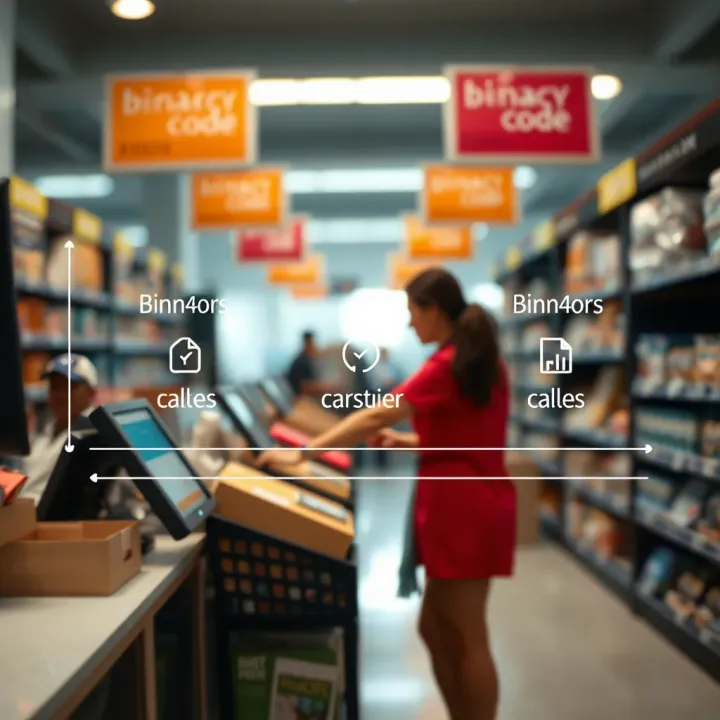
Some key aspects include:
Transaction Encoding: Each item scanned translates into a binary sequence, capturing product details, price, and quantity.
Status Flags: Binary flags indicate states such as "payment approved" or "item returned," allowing the system to update stock levels automatically.
Error Detection: Systems use binary checksums to verify data integrity, helping spot inconsistencies before finalising the sale.
The practical value of cashier binary lies in how it streamlines the flow of data, ensuring that every sale, refund, or adjustment is accurately logged in real time.
From a business perspective, implementing cashier binary means better integration with inventory management and financial reporting. For example, a small supermarket in Pretoria can link their POS data directly to accounting software, enabling near-instant updates on cash flow and stock turnover.
Traders and analysts monitoring retail performance benefit from this transparency. Detailed binary-coded records allow for in-depth data crunching—tracking peak sale times, popular products, and payment preferences. This in turn informs smarter purchasing decisions and promotional strategies.
In summary, cashier binary is not just a technical detail, but a fundamental part of modern South African retail systems. It shapes how transactions are captured and verified, influencing operational efficiency and data reliability in day-to-day business.
Understanding cashier binary begins with recognising the role binary code plays in modern retail operations. At its core, cashier binary refers to the use of binary (1s and 0s) data systems to manage transactions, stock levels, and payment processing at the point of sale (POS). This system underpins the digital signals exchanged between cashier terminals and central databases, ensuring quick, precise handling of customer purchases and sales records.
Binary systems simplify complex retail data into sequences of 1s and 0s, which computers process efficiently. In cashier operations, every transaction detail—items bought, prices, discounts—is encoded in binary for swift electronic handling. For example, when a cashier scans a barcode, that barcode is translated into a binary format that communicates with the POS software to fetch product details and pricing.
This binary backbone keeps operations flowing smoothly. By converting everyday retail inputs into binary signals, cashiers rely on systems that minimise human error and speed up checkout processes. It’s much like turning words into Morse code to send a message quickly without confusion.
Every function at a cashier’s terminal—calculating totals, triggering discounts, managing payment authorisations—relies on binary data exchanges. When a payment is made, the card data, transaction amount, and approval status all travel as binary sequences between devices like card readers, the POS system, and bank servers.
For instance, the approval or decline of a payment hangs on the correct interpretation of these binary signals. If something goes wrong in this chain—say, a corrupted binary message—the transaction can flag an error, prompting the cashier to try again or seek alternative payment methods.
Cashier binary is integral to the smooth integration of POS systems with various payment methods and backend databases. South African retailers using POS terminals from brands like NCR or Toshiba depend on the binary framework to facilitate communication between the till and stock or payment systems.
This integration means inventory updates happen instantly as sales are processed, helping store managers keep accurate stock counts without manual entry. A small Spaza shop in Soweto, for example, can track sales of biltong packets throughout the day to reorder on time without overstocking.
Binary computation is lightning fast and reliable, critical for high-volume retail environments. At peak trading times—like Black Friday sales or the December festive rush—POS systems must handle hundreds of transactions per hour without delay.
The binary system’s design reduces the risk of lag or calculation errors. Unlike older mechanical registers, digital systems process payments and update records in a blink, keeping queues moving and customers satisfied. Reliable binary processing also means less downtime due to system errors, a major advantage for any retailer wanting to avoid losing sales during busy spells.
Cashier binary lays the groundwork for accurate, seamless, and speedy transaction processing, providing a solid platform for retailers to operate efficiently in today’s fast-paced market.
In sum, understanding cashier binary underlines how seemingly simple 1s and 0s shape modern South African retail—from the smallest tuckshops to large supermarket chains. Appreciating these inner workings helps traders and business operators grasp the importance of investing in well-configured POS systems and offers insight into daily operational reliability.

Binary systems underpin many key functions of modern cashier operations, particularly in retail and financial transactions as well as inventory management. Their simple yet efficient way of representing data enables rapid processing, improves accuracy, and enhances security. Let's unpack how these applications play out on the ground.
Using binary data for payment approvals is at the heart of cashier systems. Payment approvals rely on converting card details and transaction amounts into binary code that the Point of Sale (POS) system processes swiftly. For example, when a customer swipes or taps their bank card, the data is translated into binary signals that communicate with the bank's server to confirm sufficient funds and authorise the payment. This binary communication ensures the approval happens in seconds, reducing queues and customer frustration — a relief in busy stores around Maboneng or Sandton.
On the security side, binary systems play a significant role in fraud prevention. Binary encryption methods scramble sensitive information, such as card numbers and PINs, making it difficult for unauthorized parties to intercept or manipulate data during transactions. Modern POS systems use encrypted binary keys that continually update, adding a layer of protection against skimming or cloning. In South Africa, where card fraud remains a concern, this technical approach helps retailers safeguard their customers and comply with Payment Card Industry Data Security Standards (PCI DSS).
Inventory management benefits from binary-coded data for stock control by encoding product information such as SKUs, batch numbers, and quantities into binary. This allows quick scanning and accurate tracking of stock levels. Traditionally, paper-based stock takes could lead to miscounts or delays, but digital binary systems automate this by instantly updating records as items are scanned at the till or warehouse. For instance, Checkers and Pick n Pay use these systems to monitor stock instore and replenish shelves just in time.
Another valuable feature is real-time updates and reporting. Binary data enables instant syncing between sales points and back-office systems, giving store managers up-to-the-minute insights on product movement. This aids decision-making around promotions or identifying slow-moving items. For example, a fashion retailer in Cape Town could see immediately if a popular jacket style is nearly sold out and request urgent restocking to meet weekend demand. This immediacy wouldn’t be achievable without efficient binary communication embedded in cashier systems.
In sum, binary systems form the backbone of cashier operations by speeding up transaction approvals, bolstering security, and streamlining stock management with real-time data flow. These practical benefits translate into smoother everyday retail experiences for both businesses and customers across South Africa.
Successful implementation of cashier binary systems hinges on technical factors that ensure smooth operations and data accuracy. These considerations are vital because cashier binary directly affects transaction speed, security, and reporting integrity. Without addressing hardware and software compatibility, businesses risk inefficiencies, data errors, or costly downtime.
POS hardware compatibility with binary processing plays a key role in system performance. Older point of sale machines often struggle to handle binary-coded instructions efficiently, causing slower transaction times or outright failures. For example, a grocery store using outdated POS terminals may see delays when scanning barcoded items encoded in binary. Therefore, upgrading to modern terminals that support rapid binary processing is crucial. These devices generally include processors capable of fast data conversion and error checking, reducing wait times during busy hours.
When it comes to software solutions and configuration, flexibility and correct setup determine how well the binary system integrates with existing infrastructure. Retailers typically deploy software that translates binary inputs into meaningful data—like product prices or stock levels—while managing the backend processes such as transaction logging. Configuring this software correctly means setting up clear binary-to-action rules and ensuring compatibility with other systems like inventory management or payment gateways. For instance, some South African retailers link cashier binary software with ERP solutions to synchronise sales data seamlessly, improving both accuracy and reporting.
Ensuring accuracy in binary data transmission is essential for trustworthy cashier operations. Transmission errors can result in wrong prices being charged or incorrect stock quantities recorded. Binary data is especially sensitive to noise and interference during transfer between devices, such as from a barcode scanner to the POS terminal. Implementing error-detection methods like parity checks or cyclic redundancy checks (CRC) helps catch these faults early. In settings with frequent power interruptions or loadshedding, common in parts of South Africa, added protection layers maintain data fidelity despite unstable electrical supply.
Handling errors and system recovery is another critical area. When a cashier binary system encounters a glitch—whether it's corrupted data or software crashes—quick recovery mechanisms prevent transaction loss and maintain customer trust. For example, a system that automatically rolls back incomplete transactions and logs errors enables staff to fix issues without undue hassle. Backup routines and failover systems also play a role, especially in chain stores with high sales volumes where downtime directly impacts revenue.
Practical planning for cashier binary deployment means balancing cutting-edge technology with local realities like intermittent power and existing hardware capabilities. Prioritising reliability over complexity helps streamline retail environments while safeguarding key business processes.
Understanding these technical considerations gives South African traders and analysts a clearer picture of how cashier binary systems can fit their operational landscape and what challenges to anticipate. Paying attention to hardware compatibility, software configuration, data integrity, and error handling makes the difference between a system that runs smoothly all day and one prone to hiccups.
Cashier binary systems offer a clear boost in transaction efficiency and security for businesses, but they're not without hurdles, especially for smaller traders. Understanding these benefits and challenges helps businesses decide how best to adopt this technology while anticipating what to watch out for.
One major perk of cashier binary systems is the speed with which transactions are processed. By working with binary data, these systems convert purchase information into a quick, machine-friendly format. This drastically reduces the time a cashier spends manually entering data. For example, in a busy Gauteng supermarket, this can cut queues significantly, improving customer flow during peak periods like December holidays.
This swiftness doesn’t just keep customers happy; it also means retailers can handle higher volume without bottlenecks or lost sales. Smaller shops in Cape Town, for instance, have reported smoother operations after implementing cashier binary tech, showing that faster processing helps both ends of the supply chain.
Cashier binary intensifies security by encoding transaction data in ways that are harder to intercept or tamper with. This is especially important given South Africa’s rising concerns around payment fraud and skimming at POS terminals. Binary encryption methods help in safeguarding sensitive information during card swipes or mobile payments.
For retailers, this means fewer losses due to fraud or chargebacks, and customers gain peace of mind when shopping. Some local banks partnering with retailers are already requiring cashier binary compatibility for certain terminals to meet compliance standards, illustrating its growing role in securing retail transactions.
While cashier binary systems pack advantages, their technical setup can intimidate small traders lacking dedicated IT support. Integrating these systems into existing POS infrastructure might require hardware upgrades, software patches, or specialist configuration.
A spaza shop in a township may struggle to afford or maintain such updates, slowing adoption despite the clear long-term benefits. The cost of continuous systems maintenance and ensuring compatibility with South African standards could place additional financial strain on these businesses.
Adopting cashier binary also calls for staff training, which presents a non-trivial challenge for many retail outlets. Even experienced cashiers must understand how to navigate the digital interface and troubleshoot basic issues.
Retailers noted in Durban emphasise that inadequate training leads to transaction delays or errors, offsetting some of the potential gains in speed. Regular upskilling programmes, adapted to local languages and shop realities, are crucial for smooth operation but can add to operational costs.
Businesses should weigh technology benefits against practical challenges, choosing solutions that fit their size and capacity while planning for ongoing support and training.
In summary, cashier binary systems can transform transaction handling in South African retail but require careful implementation. For businesses ready to invest in upgrading infrastructure and skills, the payoffs in speed and security are well worth the effort. For others, overcoming technical and training hurdles remains the immediate focus before these benefits can be fully realised.
The role of emerging technologies in cashier binary systems is becoming more visible, particularly as retailers and financial service providers seek faster, more secure transaction methods. Staying abreast of these future trends is essential for businesses aiming to improve cashier operations and maintain competitiveness in a rapidly changing market.
Artificial intelligence (AI) and machine learning are increasingly being integrated into cashier binary systems to optimise processes and reduce human error. Through pattern recognition, these technologies can predict transaction anomalies or potential fraud instantly, enabling real-time intervention. For example, if the system detects an unusual purchasing pattern at a petrol station, it can flag the transaction for review before processing.
Furthermore, AI-powered chatbots and customer assistance tools can streamline cashier interactions, shortening queues and improving customer experience. These applications make binary-based cashiers smarter and more adaptable to complex transaction needs.
Security remains a top priority, especially given rising cybercrime in South Africa’s retail sector. New encryption algorithms, specifically designed for binary transaction data, offer stronger protection against hacking and data breaches. Techniques like quantum-resistant encryption could soon safeguard cashier binary systems against future cyber threats.
An example would be encrypting payment data end-to-end within point-of-sale (POS) systems, so customer card details never reside unprotected on store servers. This approach limits exposure to data theft and supports compliance with the Protection of Personal Information Act (POPIA).
South African retailers face unique challenges such as frequent loadshedding and varying levels of internet connectivity. To address this, cashier binary technologies are being tailored to function offline or in low-bandwidth conditions without disrupting sales operations. For instance, some systems cache transaction data securely during power outages and sync automatically once power or connectivity is restored.
This adjustment helps smaller shops in townships and rural areas continue trading smoothly despite infrastructural constraints, narrowing the gap with their urban counterparts.
Improved cashier binary technologies can significantly boost both security and operational speed in the local retail context. Enhanced encryption reduces fraud risk, reassuring consumers and complying with strict banking standards. At the same time, AI-driven transaction checks speed up approvals without needing human oversight.
As a result, shoppers benefit from shorter wait times and safer payments, while retailers minimise losses and compliance headaches. This dual impact is particularly welcome where electronic payments are growing rapidly but infrastructure remains inconsistent.
Forward-looking businesses that embrace these innovations will find themselves better equipped for South Africa’s evolving retail environment, where security, speed, and reliability matter more every day.
Explore how binary systems power the World Wide Web 🌐, decode digital communication 🔢, and support modern computing technology 💻 in daily internet use.

Explore the gender binary's roots, its social effects, and diverse views from South Africa and beyond 🌍 Understanding beyond traditional labels.

🔢 Curious how "Hello World" converts to binary? Explore ASCII encoding & text processing with practical examples to see computers speak in ones and zeros! 💻
🔍 Explore Gray code basics, practical uses, and step-by-step conversion to binary. Understand differences with binary code & its role in digital systems.
Based on 14 reviews