

Understanding Risk Management Frameworks
Explore different risk management frameworks 🔍 Understand their purposes, key components, and how to pick the right one for your organisation’s needs in South Africa.
Edited By
Edward Collins
Enterprise Risk Management (ERM) is more than a buzzword in today's business environment—it's a framework for identifying, assessing, and managing risks that could disrupt an organisation’s objectives. In South Africa, where the economic and regulatory landscape shifts frequently, businesses must be agile. ERM provides the structure needed to balance risk and opportunity effectively.
For traders, investors, analysts, brokers, and educators alike, understanding ERM means having a clearer view of potential pitfalls and the measures to manage them. It extends beyond ticking boxes on compliance; it is about embedding risk awareness into decision-making. For example, a mining company in Gauteng facing volatile commodity prices might use ERM to forecast financial risks alongside environmental and regulatory concerns.

Accessing reliable resources is key to grasping ERM principles. Many authoritative textbooks and guidelines come in PDF format, offering detailed explanations and frameworks—from the COSO ERM framework to ISO 31000 standards. These documents are typically rich in case studies and practical examples tailored for different industries, including specifics relevant to South African contexts like B-BBEE compliance, load-shedding impact, and currency volatility.
Understanding ERM is not a one-off task but an ongoing process that requires up-to-date knowledge and practical tools.
When searching for ERM PDFs, focus on materials published by recognised bodies or authors with expertise in South African markets. This approach ensures the guidance matches local legal and economic conditions.
Local application of ERM involves:
Setting up clear risk ownership within your organisation.
Regular risk assessments aligned with South African legislation and compliance requirements.
Using software platforms or templates designed for practical risk tracking.
Training staff across departments to recognise and report risks early.
By establishing a strong ERM practice, businesses can better navigate challenges like fluctuating rand exchange rates or regulatory changes from the South African Reserve Bank (SARB). This foundation aids in building resilience and long-term stability.
In the following sections, we'll explore the core concepts of ERM, how to identify credible PDF resources, and concrete steps to integrate ERM within South African enterprises effectively.
Enterprise Risk Management (ERM) helps businesses identify, assess, and prepare for potential risks that could affect their operations or financial health. These risks range from security threats and market fluctuations to operational failures and compliance issues. ERM is about having a clear picture of what could go wrong and having strategies in place to minimise impact. For example, a retail company might use ERM to anticipate supply chain disruptions caused by transport strikes or sudden regulatory changes.
ERM's value lies in supporting better decision-making. It encourages businesses to look beyond single risks and instead understand how different risks interact across the organisation. By doing so, companies can avoid siloed responses and instead adopt a coordinated, strategic approach that safeguards their objectives and reputation.
ERM is a holistic approach to managing risks by integrating risk considerations into all parts of a business. It involves a continuous process of identifying risks, evaluating their likelihood and impact, and deciding on actions like avoidance, reduction, sharing, or acceptance. The goal is to balance risk and reward, ensuring the organisation stays resilient in the face of uncertainties. Practical relevance shows in regular risk assessments and risk appetite statements shaping everyday business decisions.
Traditional risk management often focuses on specific risks within departments—like fire safety in facilities or credit risk in finance—typically managed in isolation. ERM, however, takes a whole-enterprise view. It brings together risk data from across departments and levels to understand the bigger picture and prioritise risks that could affect the entire organisation. This shift allows companies to prepare not just for isolated events but for combinations of risks or cascading consequences.
South African businesses operate under evolving regulations like the Companies Act, King IV Code, and the Protection of Personal Information Act (POPIA). ERM frameworks help companies keep track of these rules, ensuring compliance and avoiding heavy penalties. For instance, data protection risks are a major focus under POPIA, compelling firms to embed strong controls across operations. ERM bridges legal requirements and practical risk management to create a compliance culture.
The South African economy presents distinct hurdles such as load shedding, currency volatility, and fluctuating commodity prices. Companies using ERM can manage operational risks like power interruptions by investing in backup systems or negotiating flexible supplier contracts. Financial risks, including exchange rate swings affecting imports, get closely monitored to avoid unexpected losses. By addressing these risks proactively, businesses remain competitive and avoid shocks that could erode margins or halt growth.
In essence, ERM equips South African companies with a robust way to handle diverse risk factors. This systematic approach supports survival and success amidst uncertainty and rapid changes in the business environment.
Locating trustworthy books and PDFs on enterprise risk management (ERM) is the first step to gaining solid knowledge that you can apply with confidence. In a fast-changing world like South Africa’s, having access to credible, relevant resources helps you stay ahead of risks specific to local business environments, from compliance demands to economic fluctuations.
Trusted South African academic and business publishers often provide content that is tailored to local contexts, which is invaluable for understanding specific regulatory landscapes like the Companies Act or POPIA. Universities such as the University of Cape Town or Wits offer digital libraries where you can find research papers and books authored by South African academics familiar with regional risk factors. Business publishers also produce PDFs that focus on sectors like mining, agriculture, and financial services, reflecting local industry challenges.

Relying on these trusted sources ensures you’re not just reading generic ERM concepts but materials that consider local infrastructure challenges such as loadshedding and transport logistics. For instance, a PDF guide explaining risk mitigation in a South African mining operation would address unique supply chain disruptions that wouldn’t appear in international texts.
International sources offering free or paid PDFs widen your perspective and expose you to a variety of ERM frameworks widely recognised worldwide. Websites of institutions like the Committee of Sponsoring Organisations (COSO) or the International Organization for Standardization (ISO) provide official publications, sometimes free or through affordable purchase options. These resources often outline the global standards, such as ISO 31000, that South African companies can adapt.
While international PDFs might lack local tailoring, they bring foundational knowledge and global best practices that underpin effective ERM. This blend of international frameworks and local insights ensures risk managers get both broad and applicable expertise.
Author qualifications and professional background are a key indicator of reliability. Check the author’s experience in the risk management field, including their academic credentials and industry history. For example, a South African author with a background in financial risk at a major bank or expertise in regulatory compliance will offer practical insights grounded in real-world experience.
Knowing who is behind the material helps you avoid outdated or theoretical-only content. Some authors also publish continuously, contributing to industry discussions via seminars or webinars, which speaks to their active involvement in shaping ERM practices.
Updated editions and relevance to current practices matter a lot. Risk environments evolve quickly, especially with rising cyber threats and political-economic shifts in South Africa. PDFs published or revised in the past two to three years are preferable, as they likely consider the latest legislative changes and emerging operational risks.
Older editions might still hold value for foundational concepts, but they won't cover recent developments like the integration of data analytics in risk monitoring or new compliance requirements. Always verify the publication date to ensure you’re working with information that reflects today’s realities.
Reliable ERM books and PDFs form the backbone of effective risk management; sourcing material that’s credible and applicable can make the difference between reactive firefighting and proactive planning.
In sum, combining South African academic publications with global standards, while scrutinising author expertise and update frequency, equips you with well-rounded, practical ERM knowledge suited for the local market.
Enterprise Risk Management (ERM) literature lays out core principles and established frameworks that guide businesses in identifying, assessing, and managing risks effectively. Understanding these frameworks is vital, especially for traders, investors, and analysts who need a systematic method to evaluate uncertainties and make informed decisions. These principles provide a clearer picture of how risks interconnect and impact business objectives.
The COSO ERM framework is one of the most widely accepted approaches globally for managing risks holistically. It emphasises aligning risk management with an organisation's strategy and performance goals. COSO breaks down risk management into components like governance, risk assessment, control activities, and information communication.
Practically, a South African investment firm might apply COSO to assess how market volatility and political uncertainty could affect their portfolio returns. By embedding ERM into strategy-setting, they can anticipate risks early and adjust their investments proactively rather than reactively.
ISO 31000 offers broad guidelines adaptable by any organisation, regardless of size or sector. It focuses on principles such as integrating risk into organisational processes, customised risk assessment, and continuous improvement. The standard promotes clear risk appetite definitions and transparent communication with stakeholders.
For example, a local manufacturing company juggling loadshedding and supply chain risks could use ISO 31000 to develop tailored risk management processes. This enables proactive responses and strengthens operational resilience while complying with regulatory expectations like those found in the Companies Act.
Books on ERM often teach how to visually chart risks through risk maps or heat maps. These tools help businesses rank risks by their likelihood and potential impact. The visual element simplifies complex risk data, making it easier for management to prioritise and allocate resources.
In practice, a retail chain might use risk mapping to highlight risks like theft, supplier delays, or customer churn. This approach helps pinpoint where attention is needed most to minimise profit loss.
Reliable ERM books go beyond theory by providing real-world case studies that show how companies manage specific risks. These examples help readers grasp how frameworks work in everyday business, shedding light on both successful initiatives and pitfalls.
For instance, a South African bank case study could detail how they tackled cyber risk through multifactor authentication and staff training. Such insights can inspire other organisations to tailor similar treatments for their unique risk landscape.
Understanding these core principles and frameworks equips you with the tools to build stronger, smarter risk management practices adapted to South Africa's distinct business environment.
Learning the core concepts of enterprise risk management (ERM) from PDF resources is a solid base, but applying that knowledge effectively in South Africa means adapting it to local realities. South African businesses face specific challenges—like loadshedding, complex legislative requirements, and infrastructure limitations—that global ERM frameworks alone don’t fully address. This means using ERM tools and practices in a thoughtful, localised way to truly manage risks and protect assets.
Loadshedding remains one of the major operational risks confronting South African companies. Regular power interruptions by Eskom impact everything from manufacturing lines to data servers. When applying ERM lessons from PDFs, it’s vital to factor in these disruptions as high-probability risks that affect business continuity.
Businesses should assess the likelihood and impact of loadshedding on their processes and include mitigation strategies, such as investing in backup generators or solar power systems. Risk assessments should also consider indirect risks like supply chain delays caused by power outages at suppliers. Practical case studies in ERM resources can help local companies figure out how to evaluate these impacts quantitatively.
South African legislation imposes industry-specific risks that ERM must capture. The Companies Act regulates governance standards, requiring directors to manage risks prudently to avoid personal liability. ERM frameworks should include procedures for compliance monitoring and risk reporting aligned with these legal requirements.
Similarly, the Protection of Personal Information Act (POPIA) introduces data privacy risks. Organisations collecting client or employee data need to manage information security carefully. Applying ERM strategies means identifying data-related risks, setting controls to prevent breaches, and preparing incident response plans. Including regulatory risk as a discrete category within the risk register can keep compliance front of mind.
Digital tools have become essential for streamlining ERM processes in South African businesses. Locally available software like Resolver, RiskWatch, and SAP GRC are gaining traction because they accommodate regulatory nuances such as POPIA compliance and B-BBEE scorecard considerations.
These platforms support risk identification, tracking, and reporting, offering dashboards that help executives monitor risk exposures at a glance. Employing such software reduces reliance on spreadsheets, which can be error-prone and inefficient. When selecting software, companies should ensure compatibility with existing IT infrastructure and prioritise user training.
Data analytics is increasingly used to track risk indicators in real time. South African firms can analyse patterns like credit defaults, operational delays, or supplier performance fluctuations using tools such as Power BI or Tableau integrated with risk management systems.
By analysing historical and current data, decision-makers can detect emerging risks early and respond proactively. For example, analytics can highlight rising financial risk in volatile sectors or flag areas vulnerable to disruption due to regional load shedding. Incorporating data-driven risk insights improves accuracy and responsiveness in ERM.
Applying ERM knowledge from PDFs is more than theory; it demands adapting strategies to South Africa's unique business environment, tapping into available technology, and accounting for local risks like loadshedding and regulation. Doing this well ensures your risk management efforts truly protect your business and add value.
Navigating through enterprise risk management (ERM) PDFs effectively can save you time and deepen your understanding of risk frameworks relevant to South African businesses. These resources are dense with important concepts and practical case studies, so having a strategy to engage with the material maximises learning and application.
Best practices for digital note-taking involve creating concise summaries that capture key points and personal insights as you read. Using tools like OneNote, Evernote, or even simple Word documents allows you to categorise notes by topics such as risk identification, assessment methods, or legislative requirements like POPIA. These platforms often support tagging and searching, making it easier to revisit essential sections later.
Taking notes as you study encourages active engagement. For example, if a PDF describes managing risks related to loadshedding, jotting down specific mitigation steps—like investing in backup power systems or updating business continuity plans—helps translate theory into actionable ideas.
Highlighting and bookmarking key sections makes returning to crucial parts straightforward, especially during busy workdays. Most PDF readers allow you to colour-code highlights—use one colour for definitions, another for examples, and a third for regulatory references. This visual system speeds up retrieval and improves revision efficiency.
Moreover, bookmarks help you jump directly to chapters or case studies without scrolling. Imagine you’re preparing a risk report for a client; quick access to sections on financial risk assessment methods saves time and shows professionalism.
Designing risk scenarios based on your business turns reading into practice. After studying a chapter on operational risks, draft scenarios tailored to your sector. For instance, a retailer might consider how supply chain disruptions due to transport strike action could affect inventory. These exercises help anticipate problems and build contingency plans grounded in your specific environment.
Applying ERM concepts like this bridges the gap between theory and real-world challenges faced by South African businesses, from informal sector risks to compliance hurdles.
Setting up periodic reviews using ERM frameworks ensures your approach stays relevant and effective. Establish a calendar—quarterly or biannually—to revisit risk registers and key PDF learnings. Use each review to update assessments in light of current economic or regulatory changes, such as shifts in tax laws or new guidelines from the Companies and Intellectual Property Commission (CIPC).
This habit helps embed risk management into the fabric of daily operations, making it proactive rather than reactive.
Organising your ERM PDFs and entries, then actively applying knowledge with regular reviews, transforms static documents into powerful tools to navigate South Africa’s unique business risks.
Explore different risk management frameworks 🔍 Understand their purposes, key components, and how to pick the right one for your organisation’s needs in South Africa.
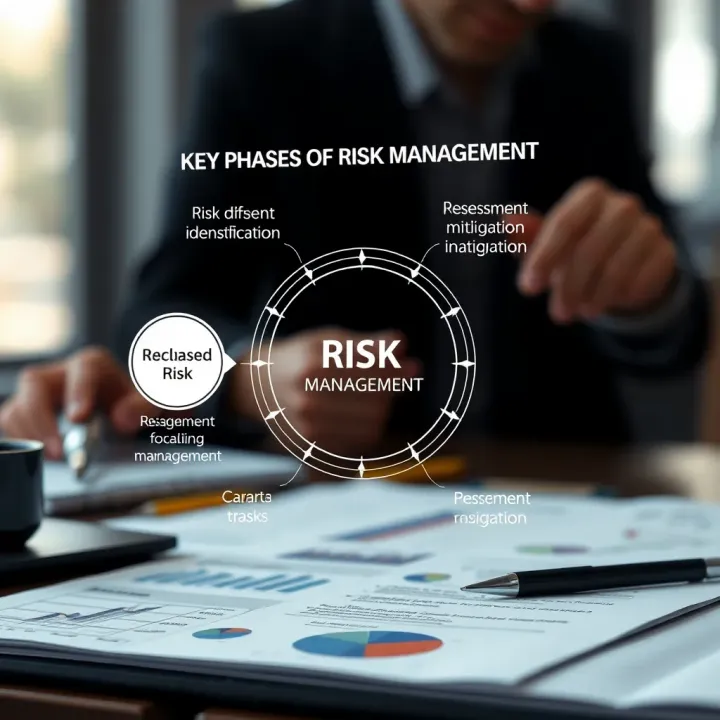
📊 Learn how to spot, evaluate, and manage risks confidently. A clear, practical guide with easy steps and real-world tips for smart risk handling.
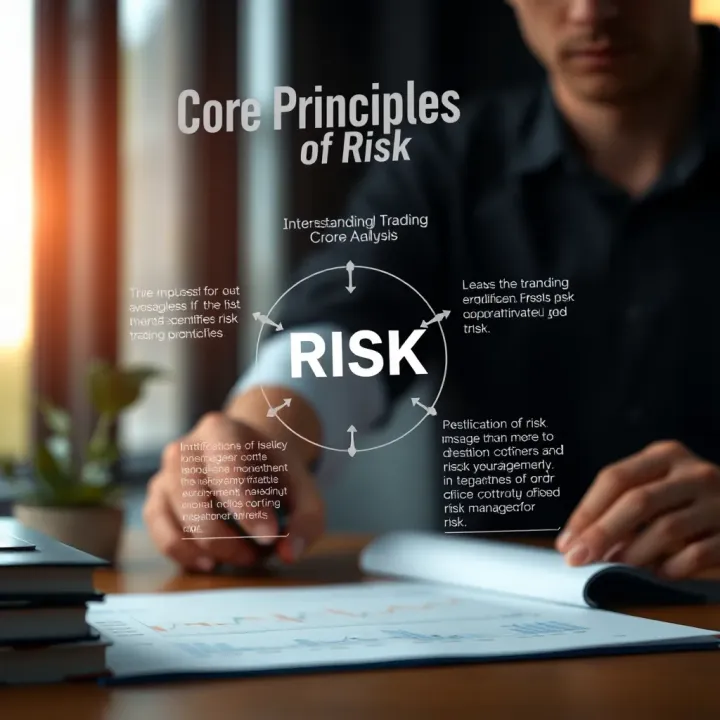
📊 Explore risk management principles and practical steps tailored for South African businesses. Learn how to identify, assess, and control risks effectively.

Explore how risk management identifies, assesses, and handles potential threats to protect assets and improve business decisions 💼🔍📊 in South Africa.
Based on 12 reviews