
Understanding Gender Non-Binary Concepts and Challenges
Explore gender non-binary concepts, challenges, and social views 🌍. Learn about acceptance, rights, healthcare, and fostering inclusive communities 🤝.
Edited By
Daniel Wright
Non-binary gender refers to an identity that doesn’t fit neatly into the traditional categories of male or female. In South Africa’s rich cultural mosaic, understanding non-binary identities helps to respect the many ways people experience and express their gender.
The concept challenges the binary view—that everyone is either a man or a woman—and recognises a spectrum of gender experiences. Non-binary people might identify somewhere in between male and female, feel like neither, or fluctuate between identities.

Non-binary is about recognising gender diversity beyond the usual two options and respecting each person’s unique expression.
Here are some common non-binary identities:
Genderqueer: A broad term for those who reject conventional gender distinctions.
Genderfluid: Individuals whose gender identity changes over time.
Agender: People who identify as having no gender.
Bigender: Those who experience two gender identities, either at once or switching between them.
In South African workplaces and schools, recognising non-binary identities can mean updating forms, pronouns, and facilities to be more inclusive. This makes spaces safer and more welcoming.
Challenges persist, however. Non-binary people often face misunderstanding, legal hurdles, and social stigma. Many government and health services still operate under strict male/female frameworks.
Educators, analysts, and brokers engaging with South African society should grasp these nuances. Understanding non-binary gender fosters better communication and decision-making, especially in environments influenced by social dynamics.
Key takeaways:
Non-binary gender is a legitimate and diverse way people experience themselves.
Terminology varies, so always ask and respect chosen identities and pronouns.
Inclusion requires practical changes—language, policies, and attitudes.
By recognising and respecting non-binary identities, South Africans can contribute towards a more inclusive society reflecting the true diversity found in our communities.
Understanding what non-binary gender means is essential, especially as South Africa embraces a more diverse recognition of human identities. This knowledge helps break down the traditional view of gender as strictly male or female, offering clarity for individuals seeking to express themselves authentically. It also plays a big part in promoting respect and inclusion in workplaces, schools, and society at large.
Gender isn't just two boxes to tick. Instead, it spans a broad spectrum where people may identify anywhere between or outside the categories of 'male' and 'female'. This means that some people feel they don't fully fit into either category or shift between identities over time. For example, someone might feel more feminine some days and more masculine on others, or not strongly identify with any gender at all. Recognising this can help institutions adjust policies to accommodate varied experiences rather than forcing rigid classifications.
It is important to distinguish between gender identity and biological sex. Biological sex is about physical characteristics assigned at birth—like chromosomes, hormones, and anatomy—but gender identity is how a person personally experiences and understands their own gender. So, a person assigned female at birth could identify as male, non-binary, or any other gender. This distinction matters practically, for instance, in healthcare settings or administrative systems, where assumptions based only on biological sex may lead to misunderstandings or discrimination.
Non-binary serves as an umbrella term for gender identities that don’t fit solely into 'male' or 'female'. It’s inclusive of many variations, acknowledging that human experiences of gender are diverse and complex. Using non-binary as a descriptor respects individuals whose gender falls outside traditional definitions, promoting a sense of belonging and visibility. This inclusion is crucial in South African workplaces, schools, and public services to foster environments where all people feel acknowledged.
There are many non-binary identities, each reflecting unique experiences. For instance, genderfluid people shift between genders over time, while agender people may feel they have no gender. Bigender individuals experience two genders, either simultaneously or switching between them. Understanding these examples helps people and organisations respond appropriately—for example, by allowing flexible gender markers on forms or respecting varied pronoun preferences.
Recognising non-binary gender expressions enriches our understanding of human diversity and encourages respectful, supportive communities.
This clear explanation empowers you to appreciate non-binary identities within South Africa’s broad cultural fabric, supporting fair treatment and practical change in policies and attitudes.
Understanding common non-binary identities and terms helps clarify the diverse experiences of gender beyond the male-female binary. This awareness is crucial, especially for educators, analysts, and investors who engage with diverse individuals and communities. Being familiar with these terms can prevent misunderstandings and foster respectful communication in both social and professional settings.
The term genderqueer typically describes people who reject traditional gender categories altogether. They might identify with a mix of genders or challenge the very idea of fixed gender identities. For instance, someone might identify as genderqueer to express that they do not feel confined to being strictly male or female.
Genderfluid individuals experience shifts in their gender identity over time. This fluidity means their sense of being male, female, both, or neither can change, sometimes daily or over longer periods. Imagine an employee who feels more masculine some days and more feminine on others; recognising this helps create flexible and supportive environments.
Agender people identify as having no gender. They see themselves outside of the gender spectrum entirely. This identity underlines that not everyone fits into binary or even fluid categories—some simply do not associate with gender at all.
Beyond these common labels, other terms like bigender (identifying with two genders) and demigender (partially identifying with a gender) are also in use. These labels highlight how individual experiences of gender can be nuanced and specific. From a workplace perspective, knowing these variations helps in crafting inclusive policies and avoiding assumptions.
Some also opt for culturally specific terms, which hold particular meaning in their communities. Respecting such terms, especially in South Africa’s multicultural society, acknowledges the intersection of gender with ethnic and cultural identity.
Pronouns are a fundamental part of how we communicate identity. Using the correct pronouns signals respect and recognition of a person’s gender. Ignoring or misusing pronouns can cause discomfort or even distress, especially for non-binary people who often face erasure due to assumptions about gender.
In professional settings, such as trading floors or educational environments, adopting correct pronouns contributes to an inclusive culture. It encourages open dialogue and builds trust among colleagues and clients alike.
Many non-binary individuals choose pronouns outside the traditional "he" or "she". Common alternatives include they/them, which is widely recognised, as well as ze/hir or xe/xem. For example, a lecturer might introduce themselves as "Alex, they/them," signalling their preference clearly.
Using these pronouns correctly requires practice but pays off in fostering respect. Organisations can support this by including pronouns in email signatures or during introductions, normalising varied gender expressions in everyday interactions.
Respecting non-binary identities and pronouns reflects wider values of dignity and inclusion that benefit society and business alike.
Understanding these terms and practices helps break down barriers in communication and promotes mutual respect within South Africa’s diverse cultural landscape.
Recognising and supporting non-binary individuals matters because it touches on dignity, equality, and practical inclusion. South Africa's diversity means many people live beyond traditional gender categories, and failing to acknowledge this locks them out of vital social, legal, and economic opportunities.
Non-binary people often run into problems with legal documents in South Africa, which usually only allow 'male' or 'female' options. This mismatch creates barriers when applying for IDs, passports, or driver’s licences. For example, someone who identifies as non-binary might have to choose a gender that does not reflect their identity, which can be distressing and cause confusion in official settings.
Social acceptance is another hurdle. Many still view gender strictly in male or female terms, leading to misunderstanding or exclusion. This can affect everyday interactions, from being called the wrong pronouns to facing discrimination at public places or during municipal engagements. Awareness and advocacy groups are gradually pushing for changes, but progress remains uneven across provinces.
Healthcare services are not always geared to meet the specific needs of non-binary people. Medical forms, consultations, and treatments often assume binary gender norms, which can result in misdiagnosis or inadequate care. For instance, a non-binary person may avoid seeking help for fear of being misgendered or facing uninformed professionals.
The workplace poses similar challenges. Many companies lack policies protecting non-binary employees from discrimination or harassment. Practical issues also arise, like gendered dress codes or bathroom access. Supportive workplaces foster inclusion through clear policies, sensitisation workshops, and facilities that respect all gender identities.
Respect starts with language. Using the correct pronouns and chosen names signals acknowledgement and respect. If you’re unsure, it’s okay to ask politely or listen carefully when someone introduces themselves. For example, switching from "he/him" or "she/her" to gender-neutral pronouns like "they/them" or "ze/hir" can make a big difference in how comfortable someone feels.
Using correct names is equally vital, as deadnaming (calling someone by their birth name after they have changed it) can cause hurt and distrust. Organisations should encourage updating records and systems to reflect chosen names and pronouns, especially during recruitment, HR processes, and client interactions.
Creating spaces where non-binary people feel safe and valued benefits everyone. This includes clear anti-discrimination policies that cover gender identity, gender-neutral bathrooms or changing facilities, and training staff to understand gender diversity. Schools, government offices, and businesses that do this help reduce stigma.
For example, an investment firm that updates its dress code to allow non-binary employees to wear what aligns with their identity, or a trader welcoming diversity in client communication, helps broaden inclusion. Small changes, like offering options beyond just ‘male’ and ‘female’ on forms, also send a message of genuine acceptance.
Recognising and supporting non-binary people goes beyond politeness; it strengthens social fabric, upholds rights, and enables full participation in economic and community life.
Supporting non-binary identities is practical and necessary in South Africa’s evolving social and legal landscape. The focus must be on real change — embracing diversity, removing barriers, and ensuring equal rights and respect for every individual.
South Africa’s rich cultural tapestry includes a variety of traditions that shape how communities understand gender. Some indigenous cultures, like certain Khoisan and Zulu groups, historically recognised gender roles beyond just male and female. Acknowledging these traditions helps to ground discussions about non-binary identities in local realities rather than viewing them purely as imported concepts. This respect for cultural differences encourages more meaningful dialogue and acceptance.
By recognising that gender diversity isn’t entirely new to South Africa, society can bridge gaps between modern identity understandings and long-established cultural values. For example, some communities have roles or identities that don’t neatly fit the Western binary but have cultural significance. Respecting such differences prevents alienation and supports inclusive social cohesion.
Awareness around non-binary identities aids in breaking down misconceptions and prejudice that still circulate in many parts of South Africa. Stigma often arises from lack of understanding or fear of difference, which can lead to exclusion in workplaces, schools, or families. Public discussions, educational programmes, and inclusive policies all play a role in reducing this stigma.
A practical impact of building awareness is seen in environments like universities or offices where diversity training includes gender learning. When colleagues understand non-binary terms and experiences, they create safer spaces that encourage authenticity. This reduces mental health challenges linked to discrimination and social isolation.
South African law is progressive in some respects but still lacks explicit protections for non-binary individuals. The Constitutional Court recognises gender identity as part of the right to dignity and equality, yet official documents such as IDs mostly only allow for “male” or “female” markers. This gap creates practical problems, from difficulties in accessing services to feeling invisible in public spaces.
Efforts to change this include advocacy for more flexible identity documents and anti-discrimination laws that explicitly mention gender diversity. Progress here directly affects whether non-binary people can engage fully in economic and social life without legal hurdles.
Healthcare providers often struggle to meet the needs of non-binary patients because of limited training and rigid systems focused on binary gender models. Inclusive healthcare means recognising a patient's identity respectfully and providing care tailored to their specific physical and mental health requirements.
For instance, mental health services must understand the stressors related to gender dysphoria and societal stigma. Clinics and hospitals adopting inclusive language and practices create a more welcoming experience, improving health outcomes. Practical steps include using chosen names on files and offering staff training on gender diversity.
Understanding non-binary gender is not just about awareness — it influences legal recognition, social inclusion, and access to essential services in South Africa’s diverse society.
This knowledge supports everyone, from policymakers to educators and healthcare workers, in fostering a truly inclusive environment that respects all South Africans’ identities.
Explore gender non-binary concepts, challenges, and social views 🌍. Learn about acceptance, rights, healthcare, and fostering inclusive communities 🤝.

Explore the gender binary's roots, its social effects, and diverse views from South Africa and beyond 🌍 Understanding beyond traditional labels.
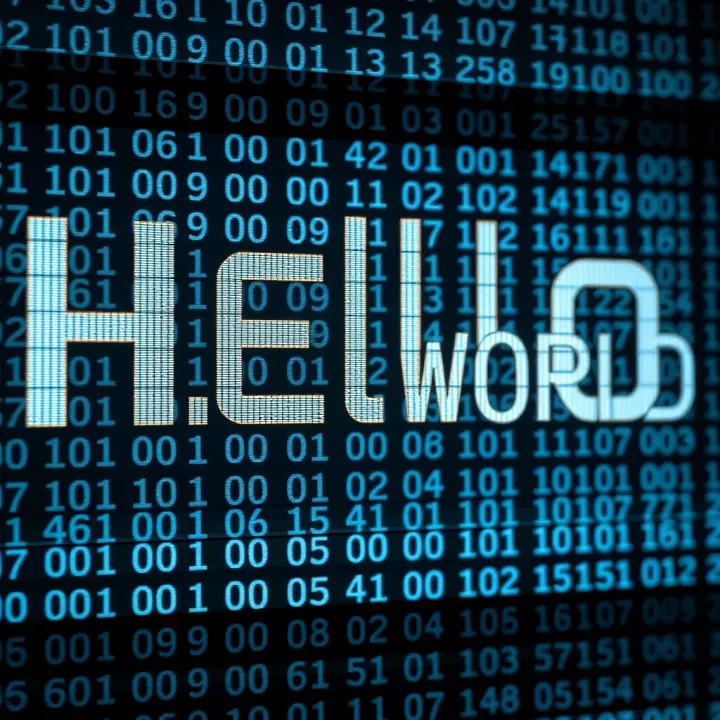
🔢 Curious how "Hello World" converts to binary? Explore ASCII encoding & text processing with practical examples to see computers speak in ones and zeros! 💻

Explore how binary systems power the World Wide Web 🌐, decode digital communication 🔢, and support modern computing technology 💻 in daily internet use.
Based on 11 reviews