

Understanding Daily Free Forex Trading Signals
📈 Discover how free daily forex trading signals work! Learn to find reliable sources, interpret signals, and blend them with your strategy for smarter trades.
Edited By
Sophie Bennett
Trading apps that promise free money have become quite the buzz, especially for newcomers looking to test the waters without a hefty initial investment. These platforms often claim to offer cash bonuses, free shares, or trading credits just for signing up or hitting certain milestones. But how do they actually work, and what should you keep an eye on?
Most of these apps make money the traditional way—through spreads (the difference between buy and sell prices), commissions, or interest on overnight trades. The "free money" typically comes as a welcome bonus or referral reward, designed to hook you in and encourage some trading activity.
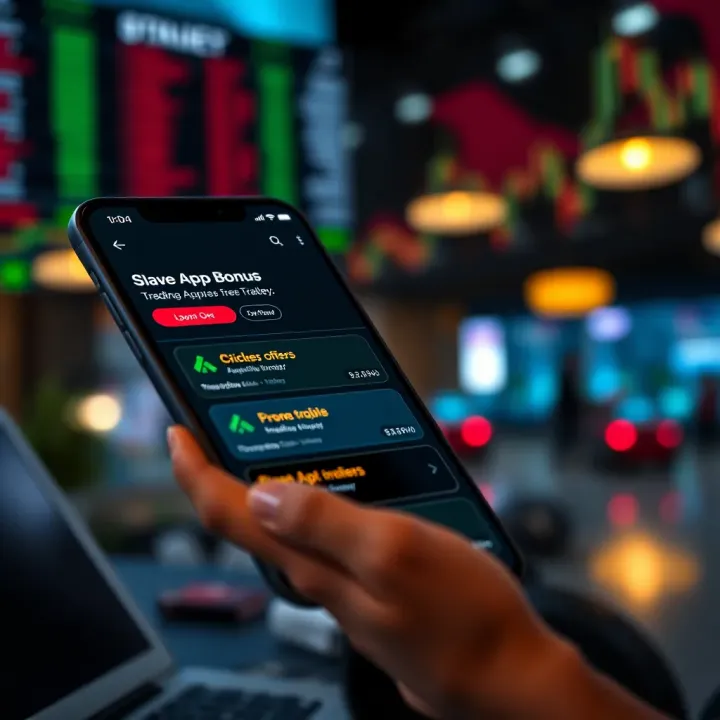
There are a few common types of free-money offers:
Sign-up bonuses: You open an account and get R100 to R500 in trading credit or a free share, often limited in value.
Referral incentives: Invite friends, and both of you earn bonus cash or shares.
Deposit matches: The app matches a percentage of your first deposit up to a set limit.
While these perks can be tempting, read the fine print. Many apps require you to trade a minimum amount before you can withdraw any bonus-related gains. Some limit the sale or transfer of free shares. Others might require you to keep your initial deposit or meet a holding period.
Remember, a bonus is rarely just 'free' money—you are often exchanging it for increased activity or loyalty.
For South African traders, it’s especially important to verify if these apps are regulated by the Financial Sector Conduct Authority (FSCA). Plus, keep an eye on their terms relating to currency conversions and how they handle local deposit and withdrawal methods. Apps ignoring these details might cause unexpected fees or delays.
Practical tips:
Use trading apps with clear regulations and good reputations.
Check the withdrawal terms for bonuses before committing.
Use bonuses to explore diverse shares or ETFs but don’t treat them as guaranteed profit.
Avoid apps pushing you to trade aggressively just to access funds.
Getting familiar with these basics helps you approach these offers with the right expectations. Free money might kickstart your trading experience, but smart decisions will keep you in the game longer.
Trading apps often attract new users by offering various types of free money or bonuses. These incentives help lower the initial barrier to entry, allowing traders to explore markets with less financial risk. For many South African users, this can be a useful way to get started or test an app's features without committing large amounts of Rand upfront.
Welcome bonuses are among the most common freebies. Typically, these include a fixed bonus amount credited to your trading account once you register and complete certain steps — for instance, verifying your identity or making a first deposit. An example might be an app offering R250 free trading credit or a percentage bonus on your first deposit. These bonuses serve as a practical incentive to try the platform and begin trading.
However, qualifying for and withdrawing welcome bonuses often comes with conditions. Most apps require you to meet minimum trading volume or hold the bonus for a set period before allowing withdrawals. For example, you might need to trade a cumulative value of R20,000 before you can withdraw your bonus or any profit made from it. It's essential to read these fine print conditions closely to avoid surprises.
Referral programmes reward you for inviting friends to join the trading app. When a friend signs up using your referral link or code and meets specified criteria (like depositing funds or making a trade), both you and your friend may receive bonuses. This approach encourages community growth and rewards loyal users.
Common referral structures include fixed cash rewards, trading credits, or even tiered bonuses where inviting multiple friends increases your rewards. For instance, an app may offer R100 in trading credit per successful referral, capped at five referrals per month. This setup can provide a steady boost to your trading funds if you have a network interested in trading.
Deposit match promotions top up your deposit by a certain percentage. For example, depositing R1,000 might earn a 20% match bonus, giving you R1,200 in trading capital. This effectively boosts your purchasing power but may tie you to rules about how and when you can withdraw or use the bonus.
Trading credits function similarly but are often separate from your deposited funds. They can be used to open trades but might not be withdrawable on their own. The tip is to use trading credits cautiously to familiarise yourself with the platform and try out strategies, while safeguarding your actual deposit and profits. Remember, trading credits usually come with expiry dates or specific terms, so plan your trades accordingly.
While trading apps offering free money sound attractive, understanding the types of bonuses and their conditions helps you make informed decisions and avoid pitfalls that could affect your South African Rand investment.
By knowing how welcome bonuses, referral rewards, and deposit matches work, you can navigate these offers wisely and get the most out of your trading experience.
When choosing a trading app, especially ones offering free money or bonuses, understanding the key features can make a significant difference in your trading experience. These features ensure you not only benefit from bonuses but also trade safely and efficiently, maximising your potential without unnecessary headaches.

Ease of navigation is a big deal when you’re dealing with financial transactions. A cluttered or complicated app will slow you down and increase the chance of making costly mistakes. Look for apps where charts, market data, and trading options are laid out intuitively. For instance, an app that allows you to switch quickly between your portfolio, trade window, and news feeds without hunting through multiple menus makes trading less stressful and more reliable.
Mobile app functionality is equally important since many traders use their phones on the go. A smooth, responsive app that works well across different devices and operating systems lets you keep an eye on the markets during daily commutes or while waiting in line. Apps like EasyEquities and Plus500 have mobile versions designed for South African users, balancing good performance with data efficiency—a factor to keep in mind given fluctuating mobile data prices.
Secure data handling is non-negotiable. Trading apps collect sensitive information, from your ID to banking details, so encryption and secure storage are critical. Apps that offer two-factor authentication (2FA) and notify you about suspicious logins add an essential layer of protection. Taking a simple step like checking whether the app uses HTTPS and complies with the Protection of Personal Information Act (POPIA) can save you from potential fraud and identity theft.
Compliance with South African financial rules matters because local regulations impact trading directly. For example, apps must adhere to FICA (Financial Intelligence Centre Act) requirements to prevent money laundering. Using a platform that’s registered with bodies such as the Financial Sector Conduct Authority (FSCA) gives confidence that your trading happens within the law. Also, compliance ensures transparency in tax reporting, helping you avoid surprises when SARS requests declarations on your trading profits.
Access to different stocks, forex, cryptocurrencies offers traders flexibility and the ability to diversify their portfolios. Relying on one asset class limits your opportunities and might increase risk. For example, an app like ThinkMarkets provides both forex and cryptocurrency trading, appealing to those keen on experimenting beyond shares. Having multiple markets accessible within a single app means you can quickly react to shifting market conditions without needing separate accounts.
The availability of educational resources is a practical feature that sets apps apart. Many newcomers jump in because of sign-up bonuses but end up overwhelmed without guidance. Some apps incorporate tutorials, webinars, or even demo accounts. These tools help users sharpen trading skills without risking real money, which is especially useful when bonuses come with conditions tied to trade volumes or asset types. Platforms like EasyEquities include educational content aimed at South African investors, making learning part of the trading journey.
The right combination of usability, security, compliant practices, and diverse offerings turns trading apps from mere gimmicks into valuable tools for smart investing.
Trading apps that dangle free money can seem like an easy way to boost your trades without spending extra cash. Yet, beneath these shiny offers lie some risks and drawbacks you need to keep in mind before diving in. These aren’t just theoretical concerns – they can have real impacts on your capital and overall trading experience.
Even when a trading app claims to give you free money, fees often lurk in the fine print. Common examples include withdrawal fees that reduce your actual payout once you cash out profits made with bonus funds. Sometimes, the app charges inactivity or account maintenance fees that kick in if you don’t trade often enough. These small deductions can erode the benefit you thought you were getting, especially if you are dealing with modest amounts.
Most trading apps require you to meet minimum trading volumes or deposits before allowing withdrawals of bonus-related earnings. For instance, you might have to trade ten times the bonus amount before you can cash out. In South African terms, if you get a R500 bonus, the app might expect trades worth R5,000 first. These limits lock your money in the platform longer than you may want, increasing exposure to market volatility and limiting your flexibility.
Free money offers tend to nudge users into trading more frequently or taking on higher-risk positions. This happens because the bonus feels like "extra" money, tempting you to trade beyond your usual comfort zone, chasing quick gains. Some platforms subtly apply timers or encourage trading during volatile periods. This can lead you to make hasty decisions that aren't based on sound analysis.
While the bonus is free, the flipside is that losing trades affect your actual deposited cash. Traders often forget this and risk more than they intend, assuming the bonus acts as a cushion. In truth, making a bad call can flush both your bonus and your own funds, especially where leverage is involved. That’s why it’s critical to treat bonus money cautiously and keep a clear eye on total exposure.
Not all trading apps offering free money are trustworthy. Warning signs include promises of guaranteed returns, lack of clear regulatory details, and pressure tactics like constant notifications pushing you to deposit or trade. If a platform’s terms are vague or the app interface looks cheaply done, it’s a signal to proceed with caution. Some scams operate simply to harvest your personal information or lock your deposits indefinitely.
Always check if the app is authorised by recognised South African regulators, such as the Financial Sector Conduct Authority (FSCA). Established platforms should openly display licensing details and offer transparent contact channels. Also, look out for user reviews in local forums or sites like MyBroadband to gauge real user experiences. Taking these steps helps shield you from fraudulent operators and maintain control over your investments.
When free money is involved, the old adage holds true: if it sounds too good to be true, it probably is. Being alert to hidden costs, pressured trading, and platform credibility makes all the difference.
By recognising these risks and approaching bonus deals with clear eyes, you can better protect your funds and avoid unpleasant surprises in the fast-moving world of trading apps.
Taking advantage of free money offers from trading apps can feel like a windfall, but the real challenge lies in using these bonuses wisely. Many new traders jump in expecting quick profits, only to be caught off guard by the risks involved. This section helps you approach bonus funds with a clear strategy, focusing on realistic goals, risk management, and skill development.
Using bonuses for practice: Free money from trading apps provides a useful opportunity to practise without the pressure of losing your own cash. For example, if you receive a R500 bonus, treat it as a testing ground. Use this to explore the app's features, try different trading strategies, or even test how various assets move under different market conditions. This way, you learn the ropes without risking your capital upfront.
Avoiding overconfidence: It's easy to feel invincible when trading with ‘free’ funds, but this can lead to taking unnecessary risks. Even if you score some gains using your bonus, remember those profits are often tied up by restrictions before withdrawal. Don't let successful trades with bonus money inflate your confidence to the point where you start gambling with your own money recklessly. Keeping a sober perspective helps you avoid costly mistakes down the line.
Setting stop-loss limits: One of the most solid ways to protect your bonus and real funds is by setting stop-loss orders. These are pre-set price points that automatically sell your investment to cap losses. For instance, if you buy a stock at R100, you might set a stop-loss at R90, limiting your downside. This discipline forces you to cut losses early instead of hoping for a rebound that might never come.
Protecting your capital: While the bonus is free money, your actual trading capital deserves careful protection. Avoid chasing losses or overextending yourself just to cash in on bonuses. Maintain a clear strategy — decide in advance how much you're willing to risk per trade and stick to it. Capital preservation allows you to stay in the game longer and increases your chances of growing wealth steadily.
Using demo accounts: Most trading apps offer demo or virtual accounts that simulate real market conditions without involving real money. Practising with a demo account before or alongside using bonus funds sharpens your skills in reading charts and executing trades. This reduces the chance of making beginner errors when your own money is at stake.
Taking advantage of educational tools: Many South African platforms like EasyEquities, IG, or Plus500 provide built-in tutorials, market news, and webinars tailored for local traders. Using these resources equips you with up-to-date market insight and practical tactics. Education helps you trade sensibly rather than relying on luck or impulsive decisions.
Bonus offers are a starting point, not a shortcut to wealth. Combine them with solid risk management and ongoing learning to turn free money into valuable experience and smarter investment choices.
When choosing and using trading apps that offer free money or bonuses, South African users face unique considerations. Understanding our local financial rules, tax implications, and practical issues like internet costs can make a big difference when trading with these platforms. It’s not just about grabbing the bonus but knowing how to use it safely and wisely within our regulatory framework.
Overview of FICA and financial requirements
Every South African user must comply with the Financial Intelligence Centre Act (FICA). This means you’ll usually need to submit identification documents when registering with a trading app, especially if you want to withdraw funds or trade with large sums. The aim is to prevent fraud and money laundering – so while submitting your ID and proof of residence might feel like a hassle, it’s a necessary safeguard. Some apps may delay activation of bonuses until you’ve completed FICA verification.
Tax implications of trading profits
Trading profits aren’t usually tax-free in South Africa. SARS expects you to declare income from trading as either capital gains or business income, depending on your trading style. Occasional traders might pay Capital Gains Tax (CGT), while frequent traders could face normal income tax. This means keeping accurate records of trades and profits is crucial. Ignoring tax rules can lead to penalties down the line, so it’s wise to check with a tax advisor, especially if you make consistent gains using these trading apps.
Benefits of Rand-based accounts
Trading in South African Rand (ZAR) offers practical advantages. You avoid currency conversion fees that eat into your profits, and deposits or withdrawals happen faster with less hassle. For example, funding your account from a South African bank like FNB or Capitec tends to be straightforward with ZAR accounts. This cuts down on extra costs and unexpected delays often found when trading in foreign currencies.
Common brokers available in South Africa
Several well-known platforms support Rand trading, such as EasyEquities, IG, and Plus500. These brokers comply with South African regulations and generally offer good customer support tailored for local users. EasyEquities, for instance, is popular for beginner traders with its low fees and interface accessible via mobile. Choosing a reliable, locally focused broker helps avoid scams and ensures smoother interaction with SARS for tax documentation.
Data-efficient app choices
South Africa has relatively high data costs compared to some countries, so choosing a trading app that uses less data can save you money. Apps like EasyEquities and FNB Share Trading are designed to work well on limited data packages, making them suitable for users who rely on mobile data. This is especially relevant if you trade from areas with expensive or prepaid data bundles.
Impact of network reliability
Network reliability varies greatly across regions in South Africa. A shaky connection can cause delays, missed trades, or issues withdrawing money. That said, some apps allow offline orders or quick refresh settings to help manage poor connectivity. If you live outside urban centres in Gauteng, Western Cape, or KZN, it’s worth testing an app’s responsiveness on your network before committing significant funds. Unstable connections could cause you to miss crucial trading opportunities.
Bottom line: It’s not just about the free money. South African traders must consider local rules, costs, and tech limitations to make trading apps work for them.
📈 Discover how free daily forex trading signals work! Learn to find reliable sources, interpret signals, and blend them with your strategy for smarter trades.

📱 Discover how to pick the best free forex trading app in South Africa! Learn key features, spot risks, find top platforms, and get tips to boost your mobile trading success.

Explore how AI trading apps operate and what South African investors must know before use. Learn benefits, risks & tips for smarter investing in today's market 🤖📈

Explore how free money offers for binary options trading work in South Africa 🇿🇦. Learn to spot risks, understand rules, and use bonuses wisely. 💰📊
Based on 11 reviews