
Understanding Forex Trading Systems Guide
📈 Explore forex trading systems in South Africa! Learn how strategies, indicators, risk management & automation work together to boost your trading results.
Edited By
Victoria Hughes
Choosing the right forex trading system isn't just about picking the flashiest tool out there. It’s about matching a system's features with your trading style, risk appetite, and goals. For South African traders, factors such as local market conditions, costs like spread and commission, and internet reliability during Eskom’s loadshedding cycles also weigh heavily.
A good forex trading system should balance three core elements: risk management, profitability, and ease of use. Too many rookies get drawn in by systems promising sky-high returns but that expose them to reckless risks. On the other hand, overly conservative setups may protect your capital but limit growth potential.
Successful trading hinges on understanding not just the system’s mechanics but also how it fits your unique circumstances — your schedule, your budget, and your temperament.
Some of the top features to look out for include:
Clear rules: The system should come with straightforward entry and exit criteria. Ambiguity only creates hesitation or careless trades.
Backtesting capability: Reliable systems offer historical data testing to show how they would have performed in various market phases.
Risk controls: Features like stop-loss orders and position sizing tools help manage potential drawdowns.
Customisation: South African traders often face different volatility patterns or trade the ZAR pairs specifically, so flexibility is a plus.
User support and updates: Markets evolve, and so should your system. Regular updates and responsive customer service are essential.
A local trader might favour a system that works well with volatile currency pairs like USD/ZAR or EUR/ZAR, considering their tight spreads and liquidity issues from certain brokers. Systems like MetaTrader with Expert Advisors (EAs) customised for these pairs could be a good match. Alternatively, those who prefer manual strategies can focus on price action systems that do not rely heavily on indicators, saving on unnecessary complexity and data costs.
Before settling on any system, test it thoroughly on a demo account or with small trades. Even a well-rated system may not suit your trading personality or your specific goals in the South African forex market. Shy away from “one-size-fits-all” solutions and invest time in finding a system that feels right for your everyday trading.
Grasping the ins and outs of forex trading systems lays a solid foundation for any trader hoping to succeed. These systems are basically frameworks that guide your trading decisions, helping you stay disciplined and consistent through the unpredictable waves of the currency markets. Understanding how these systems work lets you pick one that matches your style, risk appetite, and market conditions — no guesswork required.
At its heart, a forex trading system blends a set of rules and tools designed to spot trading opportunities. This usually involves entry and exit criteria, risk management rules, and sometimes specific money management strategies. Think of it as a recipe: just as a cook needs exact ingredients and steps to bake a cake, a trader relies on these components to make informed trades rather than flying by the seat of their pants.
Indicators act like the senses of your trading system, analysing price, volume, or momentum to signal when to buy or sell. Signals, then, are the actual triggers based on these indicators. For example, a moving average crossover might signal a change in trend direction, telling you when to jump in or out. Selecting indicators that suit your chosen markets and trading timeframe is crucial, as the wrong ones can cloud your view and lead to costly mistakes.
Some traders prefer to automate their systems using software or expert advisors (EAs), letting algorithms place trades based on preset rules. This cuts out emotional bias and allows trading around the clock — handy given South Africa’s volatile rand and sometimes after-hours news impacts. Others go the manual route, reading charts and market moods to call the shots themselves. Each approach has its merits: automation offers consistency and speed; manual trading offers the flexibility to adapt swiftly to unexpected events, like Eskom’s loadshedding affecting internet or market access.
Consistency is often the difference between scraping by and thriving in forex. A well-chosen system lays down clear, repeatable steps, helping you avoid impulsive trades driven by emotion. For instance, a trend-following system that waits for confirmation of a rally before entering keeps you disciplined, preventing hasty buys just because the rand suddenly jumps.
Not every system handles risk the same way. A solid trading system clearly defines stop-loss levels and position sizing, crucial for protecting your capital. Picture a trader ignoring risk limits during a sudden rand crash — losses could quickly pile up. By using a system that enforces strict risk controls, you keep your losses manageable and your trading sustainable.
Forex markets don’t sit still—economic shifts, geopolitical events, or local policy changes can tweak currency behaviour overnight. The right trading system isn’t rigid but flexible enough to adjust signals or parameters when conditions shift. For example, during heightened volatility surrounding South Africa’s budget announcements, your system should either scale back risk or adapt entry triggers, so you’re not caught off guard.

Without a good grasp of what defines and drives forex trading systems, you risk picking one that doesn’t suit your style or market realities. This understanding enables smarter choices, helping you stay consistent, manage risk better, and roll with market changes effectively.
Choosing the right forex trading system hinges on several key factors that determine how well the system performs in real-world conditions. By focusing on these elements, traders can avoid costly mistakes and find an approach that suits their personal style, risk appetite, and market environment. Whether you rely on manual trading or automated tools, considering reliability, adaptability, and ease of use ensures your system holds up over time.
Backtesting results offer an initial gauge of a system's potential. This involves running the strategy against historical market data to see how it would have performed in the past. For example, a system might have yielded consistent profits over multiple years on the USD/ZAR pair, indicating it can handle different market cycles. However, past success doesn’t guarantee future results, so treat backtesting as a useful guide rather than a sure bet.
Forward testing and live trading experience bring a system’s reliability into sharper focus. After backtesting, observe how the system behaves in current market conditions using demo accounts or small live trades. This step highlights issues overlooked in historical testing, such as slippage or unexpected volatility. For instance, a trending system that backtested well might struggle during periods of sideways movement, which forward testing reveals quickly.
Forex markets swing between trending phases and ranging or sideways markets. A successful trading system needs to specify its strength in these contexts. Suitability for trending vs ranging markets means your forex strategy should state whether it thrives on capturing directional movement or profiting from price oscillations within a defined range. For example, moving average crossovers often suit trending markets, whereas oscillator-based systems like RSI excel in ranges.
Responding effectively to volatility in major currency pairs such as EUR/USD or GBP/ZAR also matters. Systems designed to work with low volatility conditions may falter when sudden spikes hit, like during economic announcements or geopolitical events. Traders must select systems that either withstand such shocks or include risk controls like trailing stop losses to limit potential damage.
A system may be technically sound but too complex for practical daily use. User interface and setup therefore play a major role, especially for newer traders. A clean layout with clear entry, exit, and stop-loss signals helps avoid confusion during fast-paced trading. For example, MetaTrader 5 offers user-friendly dashboards that support streamlined trading decisions.
Compatibility with popular platforms like MetaTrader is another big plus. Choosing a system supported by well-established platforms ensures easy integration with brokers, access to a range of analytical tools, and community support. This practical aspect can save time and avoid headaches compared to niche platforms with limited utility.
When selecting a forex trading system, balancing historical reliability, market adaptability, and user-friendly access can make the difference between steady gains and frustration.
By keeping these key factors in sight, you set yourself up for smarter, more confident trading suited to South African market realities.
Understanding popular forex trading systems helps you match your trading style to the most effective methods out there. Knowing the benefits and limitations of each system lets you select one that fits your risk appetite, time availability, and technical know-how.
Moving average strategies rely on calculating the average price over a set number of periods to smooth out price fluctuations. For instance, a 50-day moving average filters out short-term noise, showing the overall trend direction. Traders use crossovers, like when a short-term average crosses above a long-term average, as buy or sell signals. This system works particularly well in trending markets such as the USD/ZAR during periods of economic stability.
Breakout techniques focus on identifying price levels where the market breaks out from a consolidation phase. For example, when the price moves above a resistance level, traders expect a strong upward move. This strategy requires watching key levels drawn from recent highs or lows and trading the momentum that follows. It suits volatile currency pairs and can capture fast moves, but false breakouts are a risk without confirmation.
Support and resistance based methods involve spotting price levels where the currency tends to reverse or pause. Support is a floor price where buyers step in, while resistance acts as a ceiling. Traders buy near support and sell near resistance, aiming to profit from price bouncing within these ranges. This method is practical for pairs like EUR/ZAR when market conditions lack clear direction and prices oscillate.
Oscillator indicators such as the Relative Strength Index (RSI) or Stochastic oscillator help spot overbought or oversold conditions within a range. They signal potential reversal points by measuring momentum and price strength. For example, an RSI reading above 70 might indicate an overbought market, prepping traders for a sell. These tools work best in sideways markets where price swings are predictable.
Expert Advisors (EAs) are automated programs running on platforms like MetaTrader that execute trades based on predefined rules. They remove emotions from trading and can operate 24/7, which is particularly helpful for South African traders dealing with round-the-clock global markets. However, EAs need careful testing to avoid unexpected losses.
Copy trading programs allow traders to mimic the trades of experienced professionals. This system benefits newcomers or busy traders by providing exposure to tested strategies without the need to analyse charts themselves. Popular platforms link investors and signal providers, but it's vital to check past performance and risk disclosures before committing funds.
Choosing the right trading system boils down to understanding how it fits your goals, market conditions, and your discipline to follow it consistently. Practical trial on demo accounts can give a feel for what works before risking real capital.
Trading forex from South Africa comes with unique challenges and opportunities. Local factors like rand volatility, economic events, and infrastructural limitations shape how you should choose and use a trading system. These practical tips focus on making your trading setup as resilient and cost-effective as possible in a South African context.
Rand volatility is a major factor in forex trading from Mzansi. The rand can swing quite sharply due to domestic political shifts, commodity price changes, or global risk sentiment. For example, Eskom’s loadshedding announcements or unexpected SACCI (South African Chamber of Commerce and Industry) reports often trigger rand volatility. Traders need systems that handle sudden price fluctuations robustly, avoiding overtrading in erratic conditions.
Timing your trades around local economic events is equally important. Events like the SARB (South African Reserve Bank) interest rate announcements, GDP releases, or budget speeches typically cause increased volatility in the rand pairs. If you know when these events happen, you can avoid entering trades right before to reduce risk or exploit the volatility afterwards for better entry points.
Spreads and commissions directly affect your trading profits, especially when you trade frequently or with tight stop losses. South African traders should compare brokers carefully since some local and international brokers charge wider spreads or hefty commission fees. Even a spread difference of 0.5 pips can chip away at your gains over time, so look for brokers offering competitive pricing on pairs like USD/ZAR or EUR/ZAR.
Choosing a broker regulated by the Financial Sector Conduct Authority (FSCA) is vital for protecting your funds. FSCA-regulated brokers must meet strict standards on client money protection and fair dealing. This regulation also means easier dispute resolution if things go south. Avoid unregulated platforms that may promise low trading fees but put your money at risk.
Loadshedding remains a reality in many parts of South Africa and can disrupt your trading if you rely solely on mains electricity. Having a backup power solution, such as an uninterruptible power supply (UPS) or inverter, ensures your trading setup stays live during short outages. This way, you won’t miss crucial exit points or risk open positions going unattended during power cuts.
Access to affordable and stable internet is another must. Forex trading systems need constant data feeds to execute trades and send alerts. Mobile networks like Vodacom and MTN have 4G coverage in most urban areas, but rural traders might experience spotty connections. Using fibre internet or a reliable mobile data plan with low latency improves both your reaction time and execution quality.
In South Africa’s trading environment, managing local factors — from rand swings to loadshedding — is just as important as choosing the right trading system itself.
By keeping these practical tips in mind, you build a stronger foundation for successful forex trading in Mzansi.
Testing and refining your forex trading system is not just a box to tick; it’s the backbone of growing as a trader who can consistently navigate the ups and downs of the forex market. Without proper testing, you might blindly rely on a system that looks good on paper but falters when real money is on the line. Through testing, you see how your strategy performs under various conditions and identify weak spots. Refining ensures you adapt your approach rather than sticking with something outdated or ineffective.
Demo accounts offer a vital playground where you can use virtual money to replicate live market settings closely. This allows you to experience the market's unpredictability — from sudden spikes in the rand’s value to quiet periods when price movements are narrow. For instance, when the South African Reserve Bank (SARB) announces an interest rate change, you can see how your system reacts to increased volatility without risking actual capital. It's a safe space to test your entries, exits, and overall risk management.
Beyond seeing if your strategy can turn a quick profit, it’s about watching how it performs across time and different market scenarios. Consistency means your system doesn’t just get lucky once but delivers steady outcomes. Use your demo account to monitor if your wins outweigh losses reliably over weeks or months. Say your trend-following system works well during strong currency runs but struggles during sideways markets. Identifying this helps you decide whether to tweak the system or apply it selectively.
Keeping a detailed log of every trade is crucial. This includes entry and exit points, position size, stop-loss levels, and the result of the trade. This record serves as your personal trading history from which valuable lessons emerge. For example, you might notice that trades during South African public holidays tend to underperform due to lower liquidity. Recognising such patterns helps you avoid repeating avoidable mistakes.
Trading systems aren’t set-and-forget. After reviewing your trade logs, you should adjust parameters like stop-loss distances, take-profit levels, or indicator sensitivity to better fit current market behaviour. Perhaps your initial take-profit was too ambitious during high rand volatility. Tweaking it slightly could protect profits better. Remember, these adjustments should be data-driven rather than emotional — changes based on solid evidence improve your edge while random tweaks can do more harm than good.
Rigorous testing and ongoing refinement form the foundation of a durable forex trading system. They help in spotting flaws early, tuning strategies to real-world conditions, and ultimately building confidence to trade live with greater certainty.
Testing your system through demos and careful analysis is how sound traders build their toolkit. South African traders, in particular, face unique local factors like rand volatility and economic announcements that make this practice even more valuable. Treat your testing phase as an investment that pays off in steadier, smarter trading decisions down the line.
📈 Explore forex trading systems in South Africa! Learn how strategies, indicators, risk management & automation work together to boost your trading results.
Discover how to pick and download reliable forex trading systems 🔍, with practical tips for South African traders to boost strategies and manage risks wisely 📈.
📈 Discover practical tips for forex trading in Johannesburg, South Africa! Learn the basics, local rules, proven strategies, and unique trading insights.
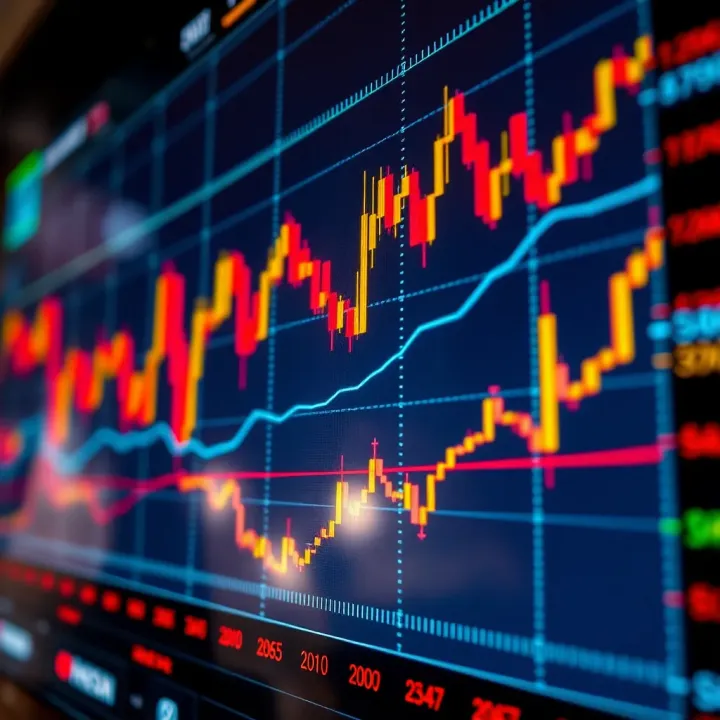
📈 Explore practical forex trading strategies designed for real-world success. Get free PDFs to master currency markets and boost your trading skills today!
Based on 5 reviews