
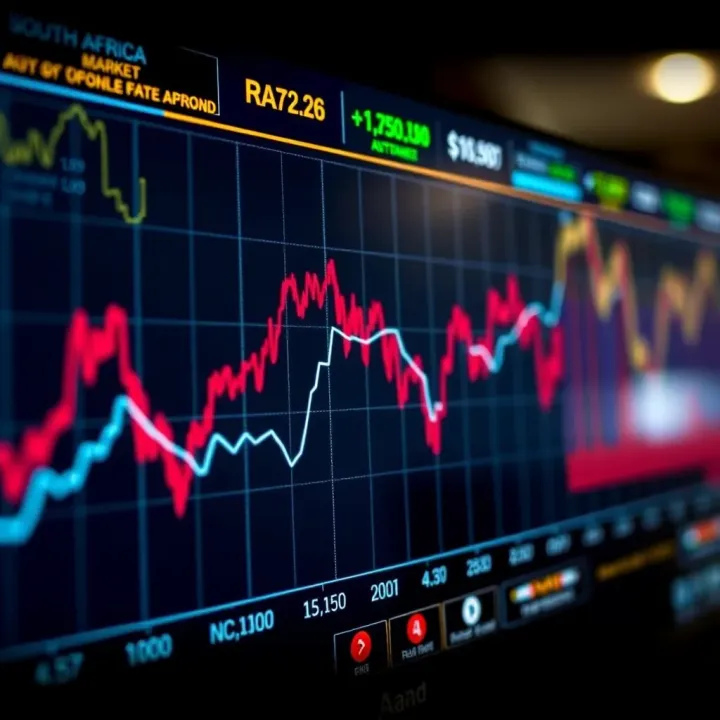
Forex Trading in South Africa: Key Facts You Should Know
📈 Discover key insights on forex trading in South Africa! Learn about market rules, top platforms, risks, and tips to trade smarter locally. 🇿🇦💹
Edited By
Emily Hargrave
Forex trading, or foreign exchange trading, is the act of buying and selling currencies to profit from their changing values. In South Africa, this market operates 24 hours during weekdays and is open to a wide range of participants, from retail traders to institutional investors.
South Africans are increasingly drawn to forex trading due to the accessibility of global markets and the potential for quick returns. Platforms like IG, Plus500, and the local Capex SA offer entry points suited for beginners and experienced traders alike.

Forex trading isn't a get-rich-quick scheme—understanding risks, regulations, and how to spot trustworthy platforms is key to safeguarding your investment.
At its core, forex trading revolves around currency pairs, such as the South African Rand (ZAR) against the US Dollar (USD/ZAR). The value reflects how much one currency is worth in terms of the other. Trades aim to capitalise on fluctuations caused by economic events, interest rate changes, or geopolitical developments.
The Financial Sector Conduct Authority (FSCA) regulates forex brokers in South Africa to ensure fair practices. Traders should verify that their chosen broker is FSCA-approved to avoid scams or unfair trading conditions. Furthermore, the South African Reserve Bank (SARB) oversees currency flows to maintain financial stability.
Modern platforms offer real-time data, technical analysis tools, and demo accounts for practice. For example, IG provides extensive charting options and news feeds, helping traders make informed decisions. Always test strategies on a demo account before risking real capital.
Forex carries significant risks, including market volatility and leverage dangers. A small movement in currency rates can result in large losses if using borrowed funds. Risk management techniques, such as stop-loss orders and position sizing, are essential.
To start trading forex in South Africa, you need:
A reliable internet connection and a computer or mobile device
An FSCA-registered broker account
Initial capital (which can range from a few hundred to several thousand rand)
Remember to begin with small amounts and avoid being lured by promises of guaranteed profits.
Forex trading offers exciting opportunities in South Africa but demands careful study and responsible practice. Next sections will cover detailed strategies, regulation nuances, and resource recommendations tailored for South African traders.
Forex trading, often known simply as forex or FX, revolves around buying and selling currencies on the global market. Unlike stocks or bonds, forex trading operates 24 hours a day across different time zones, making it highly liquid and dynamic. This continuous market means traders can respond to economic and political events almost immediately, which adds to the market’s appeal. For South Africans, engaging in forex trading offers a chance to participate in this global financial arena without needing to leave their homes.
At its core, forex trading involves exchanging one currency for another, betting on the direction in which currency pairs will move. For instance, a trader might buy the USD/ZAR pair if they expect the US Dollar to strengthen against the South African Rand. Understanding these market basics helps traders spot trends and make more informed decisions.
Market basics: The foreign exchange market is the world’s largest financial market by volume. It functions through a network of banks, brokers, and electronic platforms rather than a central exchange. This decentralised setup means prices can vary slightly from one platform to another, which traders use to their advantage by shopping around for the best rates or spreads. For South African traders, keeping track of global economic calendars and geopolitical developments is critical, as events in the US, China, or Europe can significantly influence local currency pairs.
Major currency pairs relevant in South Africa: The US Dollar to South African Rand (USD/ZAR) is the most popular pair for local traders, thanks to South Africa's trade and investment links with the US. The Euro to Rand (EUR/ZAR) and British Pound to Rand (GBP/ZAR) also draw attention due to key trading partners in Europe. Other commonly traded pairs include USD/EUR and USD/GBP, which, while not directly involving the Rand, give insight into global market trends impacting South African traders. Understanding these pairs and their drivers helps local traders manage exposure to currency fluctuations effectively.
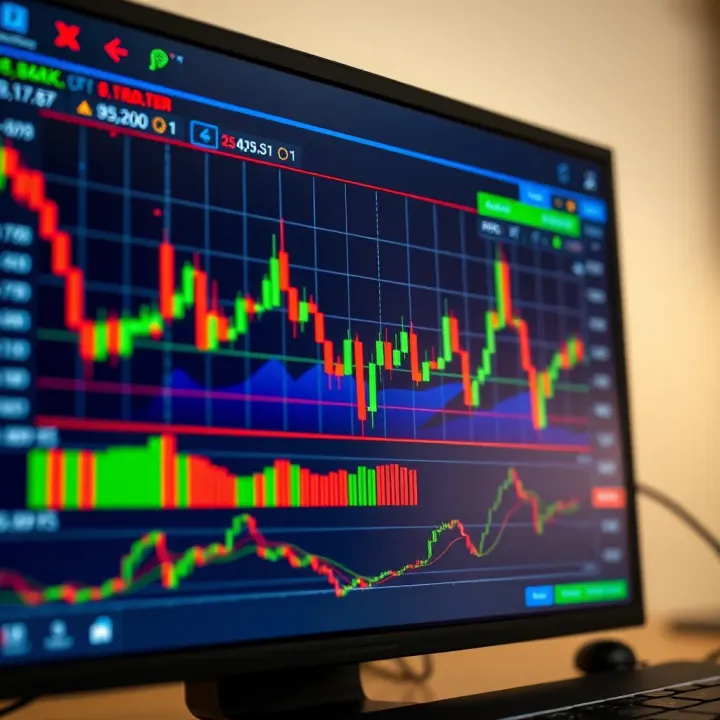
Accessibility through online platforms: Thanks to advancements in technology, South Africans can access forex markets via various online brokers and platforms right from their mobile phones or computers. Platforms like MetaTrader 4 and 5 offer user-friendly interfaces and downloadable educational materials. Some brokers even support ZAR deposits and withdrawals through familiar local payment methods. This ease of access lowers the barrier to entry, allowing new traders to get started without extensive capital or knowledge.
Potential for profit and risks: Forex trading offers the appeal of substantial returns for relatively small investments, especially with leverage—which allows traders to control larger positions than their capital would usually permit. However, this comes with increased risk; volatile markets can quickly erode funds, and leveraging mistakes may lead to losses beyond the initial deposit. South African traders must balance ambition and caution, ideally starting with demo accounts and applying strict risk management techniques to navigate the ups and downs.
Forex trading is not a guaranteed way to make quick money—success relies on education, discipline, and understanding the market movements well.
Overall, grasping what forex trading entails and why it appeals to South Africans is the foundation for entering the market with eyes wide open. With the right tools and mindset, it becomes a practical avenue for diversifying income streams, but only when treated as a serious discipline rather than a quick fix.
Understanding the regulatory framework for forex trading in South Africa is essential for anyone looking to trade currencies safely and legally. With the rise of online platforms attracting South African traders, knowing the rules and protections can help you avoid scams and protect your investments.
The Financial Sector Conduct Authority (FSCA) is South Africa's key regulator for financial services, including forex brokers. Any broker offering forex trading services to South African residents must be licensed by the FSCA. This licence means the broker meets minimum standards relating to capital adequacy, client fund segregation, and operational transparency. For example, an FSCA-licensed broker is required to keep client funds separate from their own business accounts — this reduces the risk of your money disappearing if the broker faces financial trouble.
Being regulated by the FSCA also means traders receive certain protections, like the requirement for brokers to provide clear risk disclosures and regular financial reporting. If disputes arise, traders can seek recourse through the FSCA’s complaints mechanism rather than relying on overseas legal systems, which can be expensive and complicated. Practically speaking, trading with an FSCA-approved broker offers peace of mind amid the unpredictable forex market.
Before signing up with a forex broker, verify their credentials via the FSCA’s public register. This list shows all brokers authorised to operate in South Africa. Simply cross-check the broker’s name and licence number. If a broker isn’t listed, that’s a clear red flag. Some brokers may claim foreign licences instead, but remember, if you’re trading from South Africa, an FSCA licence is what truly counts for local protection.
Unlicensed brokers often show certain traits: aggressive marketing, promises of guaranteed profits, or lack of transparency about regulatory status. They might operate solely through social media or messaging apps and demand upfront deposits without clear terms. Watch out for brokers whose websites lack verifiable contact details or who evade questions about where they’re regulated. Engaging with unlicensed brokers can leave you exposed to fraud, hidden fees, or sudden withdrawal blocks.
Trading with an FSCA-licensed broker offers South African traders vital safeguards — confirming regulation is a crucial first step towards responsible forex trading.
By familiarising yourself with the FSCA’s role and checking broker licences carefully, you reduce risks and set yourself up to trade in a more secure environment. This vigilance is especially valuable given the nature of forex markets, where volatility and leverage magnify both opportunities and dangers.
Selecting the right forex broker and trading platform is a vital step for any South African trader wanting to succeed in the forex market. A good broker offers not only competitive trading conditions but also ensures your investments are safe and transactions are smooth. The platform, meanwhile, must be user-friendly and responsive, supporting your trading style and needs.
Trading fees and spreads play a direct role in your profitability. Brokers typically charge a spread, which is the difference between a currency pair's buying (bid) and selling (ask) prices. Tight spreads mean lower costs per trade, which adds up to significant savings over time, especially for active traders. For example, a broker with an average EUR/USD spread of 1.2 pips is more cost-effective than one charging 3 pips. Also, watch out for additional fees, like commissions or inactivity charges, which can quietly eat into your returns.
Platform usability and support can make the difference between a smooth trading experience and constant frustration. Look for platforms that work well on both desktop and mobile, provide real-time charts, technical analysis tools, and fast execution speeds. Features like one-click trading or easy order modifications are practical for quick decisions. On top of that, reliable customer support—available during South African trading hours—helps resolve glitches or queries quickly. Local brokers often provide phone or WhatsApp support, which can be useful compared to international brokers relying only on email.
When looking at local versus international providers, each has its perks. Local brokers often understand South African market nuances and support Rand deposits, making funding straightforward. They usually follow FSCA regulations closely, which adds a layer of protection. International brokers typically offer broader access to global markets, more currency pairs, and innovative tools but may have limited local support or require currency conversion fees. For example, IG South Africa and HotForex are popular choices that balance global reach and local compliance.
Payment and withdrawal methods are another practical aspect to inspect carefully. Fast, affordable deposits and withdrawals matter. South African traders prefer brokers accepting e-wallets like PayFast or Peach Payments, EFTs (Electronic Funds Transfers), and even local credit/debit cards. Withdrawal waiting times can vary greatly; some brokers process payments within 24 hours, while others take several days, which can be frustrating if you need quick access to funds. Always read the fine print about withdrawal limits and fees to avoid surprises.
Choosing a forex broker is not just about fees or features—it's about trust, ease of use, and how well the broker fits your trading goals and circumstances. Taking time to compare will save you headaches down the road.
In summary, prioritise brokers and platforms that combine low costs with reliable service, local support, and straightforward payment options. This helps create a solid foundation for your forex trading in South Africa.
When entering the forex market, having the right tools and resources can make all the difference. These essentials equip you with the knowledge and practice needed to trade confidently, especially amid the ups and downs of currency fluctuations. For South African traders, where market dynamics and regulatory considerations differ, picking top-quality learning materials and practising properly before putting down real money is vital.
Reliable educational materials form the backbone of informed trading. Trustworthy PDFs and online guides often come from licensed brokers or reputable financial education platforms. For example, many FSCA-registered brokers offer free downloadable guides tailored to the South African context, explaining core concepts like leverage, margin, and risk management. Localised content is especially valuable since it reflects relevant regulations and trading nuances.
Accessing these materials through official broker websites or established trading communities helps avoid misinformation. Forums or discussion groups tied to recognised SA financial platforms can also point you to credible resources. Avoid random downloads from unverified sources, as they may contain outdated or incorrect advice.
Using PDFs effectively involves actively interacting with their content rather than passively reading. Take notes, highlight key points, and pause to apply concepts using example scenarios. For instance, when a guide explains how foreign exchange rates respond to economic news, try matching that example with current SA rand movements. This method boosts retention and helps you connect theory with real market behaviour.
One of the best ways to build skill without risking capital is by using demo accounts. These are practice trading platforms that simulate real market conditions with virtual money. For South African traders, many local and international brokers offer demos that mirror their live platforms.
Practising with a demo account lets you test strategies, learn platform functions, and understand how trades execute without pressure. It also exposes you to common pitfalls, like how spreads widen during volatile periods, which is crucial to grasp before committing Rands. Essentially, it serves as a safe environment for trial and error.
Using demo accounts is like learning to drive in an empty parking lot before hitting the busy streets — it builds confidence and understanding, reducing costly mistakes later.
Overall, combining solid educational PDFs with hands-on demo practice creates a well-rounded foundation for forex trading. It helps South Africans approach the market with better insight and lower initial risk, increasing chances for steady progress.
Forex trading in South Africa offers exciting opportunities but comes with its own set of challenges. Managing risks and developing a solid trading strategy are essential steps that protect your capital and help you stay on course amid market fluctuations. Without clear guidelines, traders can easily get swept up by emotions or false hopes, making poor decisions that lead to losses.
Market volatility refers to the rapid and often unpredictable price movements seen in forex markets. For South African traders dealing with pairs like USD/ZAR or EUR/ZAR, volatility can spike due to local events such as changes in the repo rate by the South African Reserve Bank or unexpected Eskom load shedding that affects economic confidence. Such swings might wipe out gains quickly if you’re not prepared. For example, a sudden weakening of the rand after a political announcement can lead to sharp losses if positions are held without caution.
Leverage pitfalls are another important risk. Forex platforms often allow traders to use leverage, meaning you can control a large position with relatively little capital. While this can amplify profits, it works both ways and losses can escalate very quickly. Imagine using 1:100 leverage: a mere 1% adverse move in the market might erase your whole investment. Many rookie traders fall into this trap, not realising how volatile leverage makes their trades. Always calculate how much you’re willing to risk before entering a leveraged position.
Setting realistic goals is the foundation of any trading plan. Instead of dreaming of turning R1,000 into R100,000 in a week, focus on gradually growing your account by small, consistent profits. For instance, aiming to make 3-5% per month is far more achievable and reduces the urge to take reckless risks. Pragmatic goals help maintain discipline and make reviewing your progress straightforward.
Risk management techniques are practical tools that help limit losses and protect profits. Use stop-loss orders to automatically exit trades when the market moves against you beyond a set level — this stops a small loss turning into a hefty one. Diversifying your trades across currency pairs can also reduce exposure to a single economic event, like the rand’s reaction to mining data. Lastly, never risk more than 1-2% of your trading capital on any single trade; this keeps you in the game even when some trades go south.
Successful forex trading demands a blend of caution and clear planning. Managing risks isn’t about avoiding losses completely but controlling them so you can stay steady and grow your capital over time.
Building a sensible trading strategy grounded in risk management puts you in control, making the unpredictable world of forex much more navigable. Knowing when to pull back and how much to risk are skills every South African trader must develop before making serious moves.
📈 Discover key insights on forex trading in South Africa! Learn about market rules, top platforms, risks, and tips to trade smarter locally. 🇿🇦💹
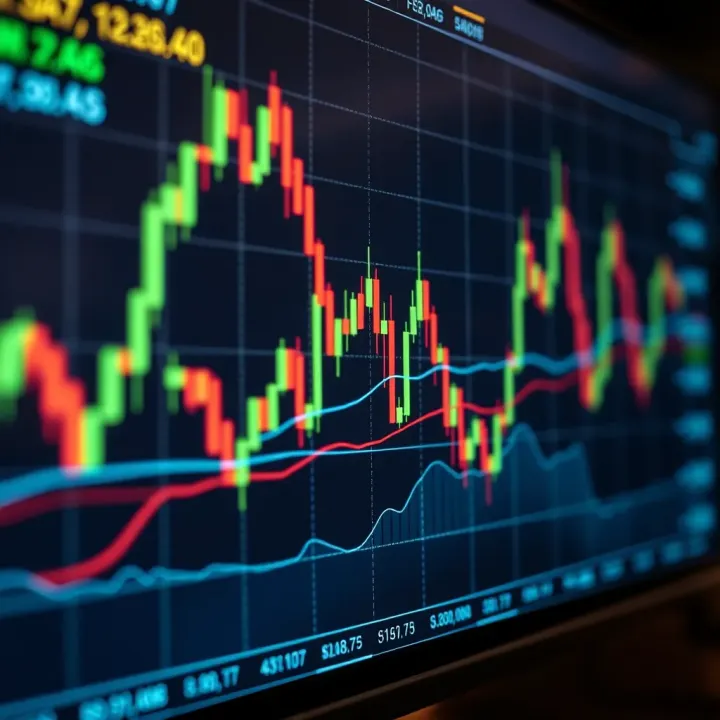
📊 Explore a hands-on guide to forex trading in South Africa! Learn key strategies, market rules, risks, and how to trade smart from the start. 💰
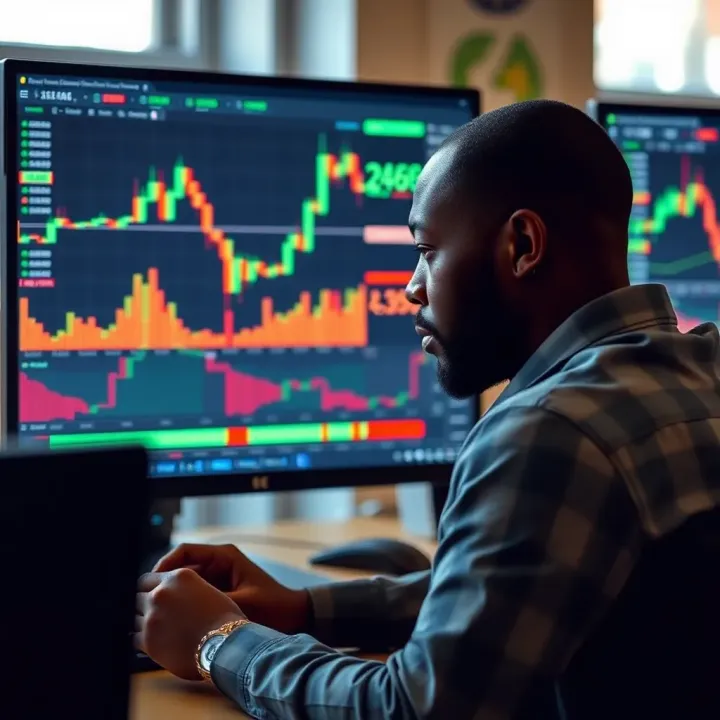
Start your forex journey right with demo accounts 🇿🇦. Practise trading safely, test strategies, and avoid common mistakes — all tailored for South African traders.
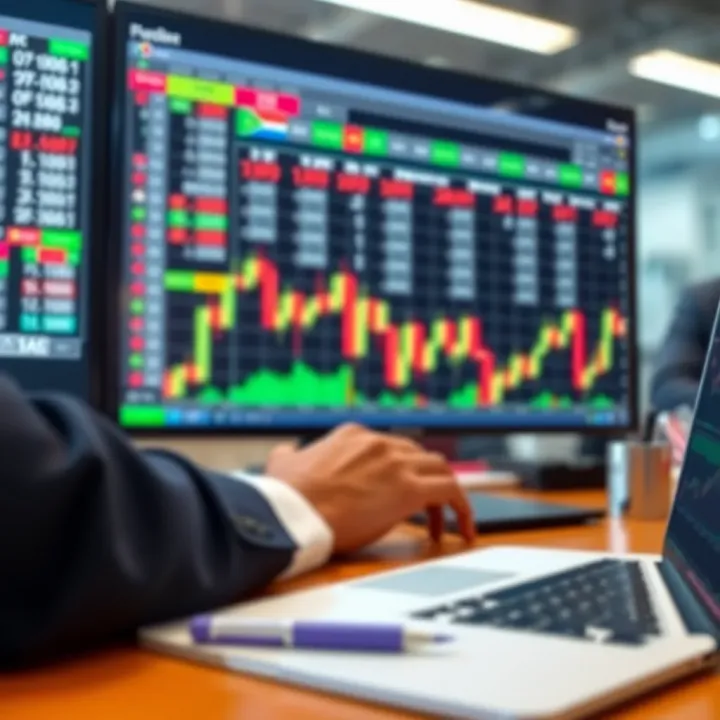
Learn how to manage your forex trading money effectively in South Africa 🇿🇦. Explore capital needs, risk control, funding, costs and local rules to trade confidently 💰
Based on 11 reviews