
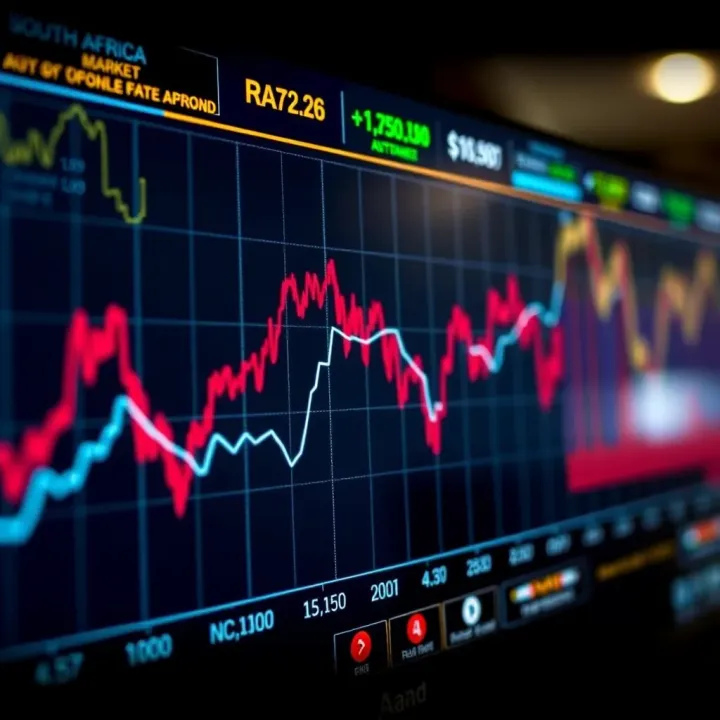
Forex Trading in South Africa: Key Facts You Should Know
📈 Discover key insights on forex trading in South Africa! Learn about market rules, top platforms, risks, and tips to trade smarter locally. 🇿🇦💹
Edited By
Victoria Hughes
Starting out in forex trading can feel a bit like stepping into a busy Johannesburg robot during peak hour—overwhelming and fast-paced. Forex demo accounts offer a practical and risk-free way to get your bearings without the worry of losing real money. For South African traders, these accounts provide a hands-on way to practise trading, understand market movements, and test strategies before committing actual rand.
A forex demo account is simply a simulation of real trading platforms, funded with virtual money. This allows you to experience live market conditions, placing trades and managing positions just like you would when trading for real. The key benefit? You can make mistakes and learn without financial consequences.
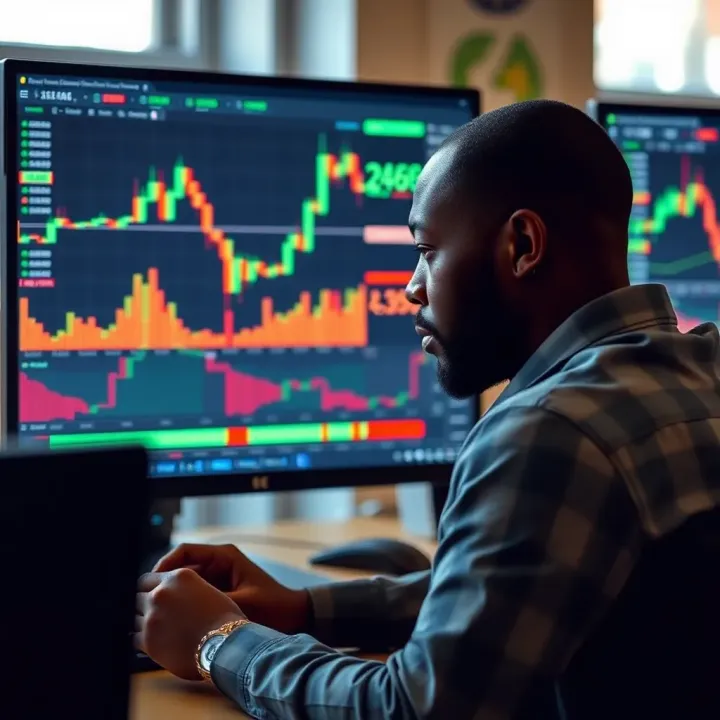
Whether you’re a newbie still grasping how currency pairs move, or a seasoned trader wanting to trial new methods, a demo account acts like your trading classroom.
South African traders should consider specific factors when choosing a demo platform:
Localised data and instruments: A good platform should offer currency pairs relevant to the Rand (ZAR), like USD/ZAR and EUR/ZAR.
Accessible interface: Especially important for users who may only trade intermittently due to work or family commitments.
Realistic trading conditions: The demo should mirror spreads, slippage, and execution speeds found on live platforms.
Educational resources: Platforms offering in-depth tutorials or market insights are a big plus.
The way you approach demo trading makes a difference too. Treat it as you would a live account: set realistic goals, manage emotions, and analyse your trades critically. Avoid the common trap of reckless risk-taking since the money isn’t real.
In South Africa, with widespread loadshedding affecting internet access and connectivity, practising on a demo account during stable power periods also helps you gauge how your trading routine may be affected and plan accordingly.
Demo trading fits into a broader learning strategy by letting you build confidence gradually, discover your own trading style, and experiment with different tools without pressure—all of which are essential to becoming a successful forex trader in the local market context.
A solid grasp of forex trading demo accounts is essential for new and experienced traders alike. These accounts allow you to practise trading currency pairs in a risk-free environment, which is particularly useful before committing real money. Understanding what demo accounts offer helps South African traders appreciate their benefits and limitations, ensuring smarter steps in the forex world.
A forex demo account is a simulated trading environment that mirrors live forex markets. It provides virtual funds, so you can place trades, explore platforms, and learn how currency pairs fluctuate without the worry of losing actual cash. For example, if you open a demo from brokers like IG or EasyEquities, you’re effectively training with R100,000 of virtual money to experiment with.
Demo accounts give access to the same charts, tools, and order types as live accounts, making them an excellent way to familiarise yourself with the mechanics of trading. They are particularly handy for understanding how economic events—such as changes to the repo rate announced by the South African Reserve Bank (SARB)—affect the rand's value.
The biggest advantage of a demo account is eliminating financial risk while learning. Many new traders jump straight into live trades and quickly burn through capital due to lack of experience. A demo lets you build confidence and understand market volatility without the pressure.
Besides practice, using a demo account helps you test different trading strategies in realistic conditions. Say you want to try scalping the USD/ZAR pair during the busiest hours to catch small price moves amid Johannesburg’s market hours; you can test this out first on a demo. This trial helps reduce costly mistakes later.
Moreover, a demo account familiarises you with a broker’s platform. If you switch between Vodacom’s mobile data and a home Wi-Fi during loadshedding, testing your platform’s responsiveness on a demo can save you from frustrating moments later with live trades.
Most demo accounts simulate real market flows, including fluctuating prices, spread costs, and order execution speeds. Brokers strive to reflect live conditions closely, even using live feeds, to ensure that your decision-making during practice feels authentic.
That said, there are some slight differences. For instance, demo platforms might not always replicate slippage—when order execution prices differ slightly from your expected entry or exit points during busy periods. Slippage impacts real trades, especially during high volatility or news events around SARB announcements or global market shocks.
Remember, while demo accounts are invaluable for practice, they can’t fully capture the emotional pressure and nuances of trading with real money. Still, they remain the best starting point before risking your rand.
In summary, understanding forex demo accounts provides South African traders with a low-stakes platform to learn, test strategies, and build confidence — all key steps before entering live markets where real risks and rewards await.
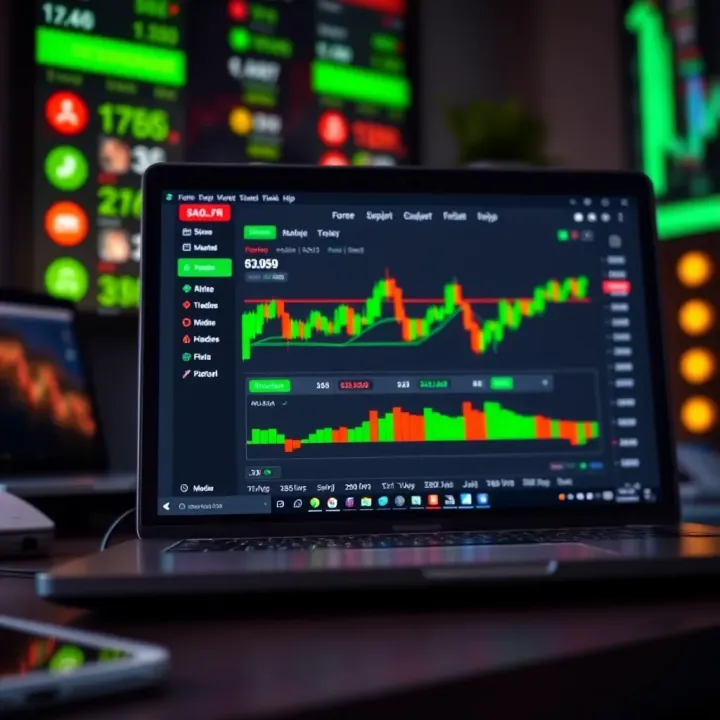
Selecting a forex demo trading platform shapes your learning experience and readiness for live trading. The demo platform forms the first touchpoint where you grasp how forex markets move and test your strategies without risking real money. It’s not just about playing with fake cash; the right platform reflects real market conditions closely and prepares you practically.
A quality demo platform should have realistic price feeds that react like live markets. Look for platforms offering real-time or near real-time data rather than delayed quotes because outdated information can lead to misguided trades. Basic charting tools and technical indicators, such as moving averages or RSI (Relative Strength Index), are essential to analyse trends during your practice.
Ease of use matters, too. If you can’t place trades quickly or access account details easily, you’ll struggle to build the muscle memory needed for live trading. Features like customizable watchlists and order types (market, limit, stop-loss) are crucial for realistic practice. Also, see if the platform supports backtesting trading strategies with historical data — this adds depth to your learning.
Several brokers cater to South African traders with robust demo accounts. For example, IG Markets offers a demo with access to global forex pairs and a broad suite of technical tools. Similarly, XM provides a well-regarded demo environment with no expiry, useful if you prefer slow and steady learning.
Local platforms like HotForex offer competitive spreads and a good variety of currency pairs on demo versions, making them popular choices for emerging traders. These brokers are typically regulated by South African authorities or hold international licences, adding a layer of trust and compliance important for new traders.
Your demo platform should work smoothly on devices you use daily — be it desktop, laptop, or mobile. Many brokers provide apps compatible with Android and iOS, allowing you to practice forex trading on the go. This flexibility helps you keep up skills during a commute or short breaks.
Internet speed is another factor. Although demo accounts don't require extremely fast connections, a stable internet ensures live price feeds update without lag, keeping your practice realistic. You don’t need fancy hardware; a basic modern smartphone or computer often suffices.
Picking the right demo platform means you’re not just fiddling with simulated trades—you’re gearing up for real decisions. Make sure it suits your schedule, tech setup, and learning style.
Choosing wisely will keep you grounded and confident as you move closer to live trading, avoiding nasty surprises and sharpening your skills realistically.
Using a forex demo account effectively can make a real difference in your trading journey. Demo trading isn’t just about clicking buy or sell; it’s about treating those virtual trades as though your own cash is on the line. This mindset helps bridge the gap between practice and live trading, especially for South Africans dealing with the specific market conditions we face.
Before you start clicking away, it pays to set clear and achievable goals. Instead of aiming for unrealistic targets like doubling your virtual account in a week, focus on consistent, small gains and recognising when losses occur. For instance, you might set a goal to learn how to spot key support and resistance levels on the rand-dollar pair or to simply understand how spreads affect short-term trades. These goals keep your practice grounded and prepare you for disciplined live trading.
One major advantage of a demo account is practising risk control without the worry of taking real losses. Try setting strict limits on how much of your demo balance you risk per trade — typically 1% to 2%. This habit carries over well when you'll trade with real money. Also, experiment with stop-loss orders and trailing stops to see how they protect your trades under different market moves. Remember, risk management is about protecting your capital, not chasing every opportunity on the screen.
A demo account is your sandbox for trying out various trading methods without financial risk. You could start with trend-following strategies using moving averages or experiment with breakout trades during busy market hours. It’s wise to keep a trading journal where you note what worked, what didn’t, and under which conditions. For example, the often volatile USDZAR might behave differently on a Friday afternoon than in the middle of the week. Testing strategies in these scenarios helps you discover what suits your style, and prepares you for live market surprises.
Practising with a demo account isn’t about winning virtual money; it’s about winning real knowledge and confidence so you trade smarter with real cash.
Focused demo trading builds not only your technical skills but also your emotional control. Take time with the demo; don’t rush to switch to live trading until you consistently meet your set goals and manage risk well. That’s how you truly maximise your learning and lay a solid foundation for success in South African forex markets.
Using a forex demo account is a smart way to get your feet wet without risking actual cash. However, it's not all roses—demo trading comes with its own set of limitations and common pitfalls. Being aware of these can save you from nasty surprises when you switch to live trading. Let's explore the key issues South African traders often face.
Demo trading lacks the emotional weight of handling real money. When there’s no actual rand on the line, it’s easy to trade carelessly or push risks further than you would with live capital. In reality, fear and greed affect every move, causing hesitation or rash decision-making. For example, in a demo, losing R10,000 might not faze you, but in live trading, that same loss could tighten your chest and cloud your judgement. Recognising this gap early helps prepare you mentally for the stress of live markets.
One common trap is overtrading on demo accounts. Because there’s no real loss, traders tend to place many impulsive trades or chase quick profits. This behaviour doesn’t reflect prudent risk management and can lead to unrealistic expectations. For instance, a demo trader might open 20 positions in a day without considering transaction costs or market conditions. When moving to live trading, this habit usually results in significant capital loss. Practise discipline by limiting trades and treating your demo balance as if it were genuine.
Demo accounts often don’t factor in real-world trading costs like spreads, commissions, or slippage properly. Slippage happens when orders execute at different prices from what you expect, especially in fast-moving markets—something a demo might smooth over. For South African traders using brokers like FNB or Standard Bank-integration platforms, ignoring these costs can cloud the true profitability of your trades. Always confirm if your demo platform reflects typical fees and includes slippage simulation so you won't be caught off guard.
Trading demos are valuable tools, but they won’t perfectly replicate the full trading experience. Recognising their limits and practising responsible habits will help ease the switch to live trading.
By keeping these points in mind, you can use demo accounts effectively and transition to live trading with a clearer understanding of the challenges involved. This honest approach builds stronger trading skills and protects your wallet.
Transitioning from demo trading to live forex trading marks a big step for any South African trader. Demo accounts give you a risk-free way to learn and test strategies, but real trading introduces new challenges and opportunities that you need to navigate carefully. Knowing when to shift helps you protect your capital and trade with confidence.
You should move to live trading once you consistently achieve your demo trading goals under conditions that replicate the real market. For example, if you’ve been running a demo account for a few months, practising solid risk management, and still find that your strategies yield steady returns without reckless risks, it might be time to test these skills with real money. However, ensure you have a clear trading plan and understand the costs involved, such as spreads and commissions, which can differ from demo accounts.
It's also wise to consider your personal readiness. Factors like your financial stability, ability to withstand losses, and a well-researched brokerage can all play a role. Suppose you keep tweaking strategies without sticking to a plan; delaying live trading might help avoid unnecessary financial strain.
When real money is on the line, your approach needs adjustment. Unlike demo trading, where losses don't hurt your pocket, live trading involves real risks that can affect your emotions and decision-making. For instance, you may need to lower your position sizes initially to manage exposure while you gain experience with live prices, slippage, and different order execution speeds.
It’s also important to factor in additional costs such as broker fees, overnight financing rates (swap), and local tax implications from SARS on trading gains. Ignoring these can turn promising demo results into disappointing live outcomes. Many South African traders start with R1,000 to R5,000 in live trading to limit exposure while they learn.
Trading with real money tests your emotional resilience. It’s common for beginners to panic during price swings or chase losses after a bad trade. Maintaining discipline means sticking to your trading rules regardless of greed, fear, or excitement. For example, you could use stop-loss orders to cap losses instead of moving them further when a trade goes against you.
Create a trading journal documenting your trades and emotions to spot patterns, like impulsive decisions that might derail your success. South African traders often find it helpful to connect with trading communities or mentors to stay accountable and overcome emotional hurdles. Remember, keeping emotions in check isn’t about being robotic — it’s about making choices based on logic and preparation.
Transitioning from demo to live trading is not just about technical skills but mastering the psychological and financial realities of the forex market. Take this step with care and clear plans to build a sustainable trading approach.
This move defines your journey from practicing ideas to dealing with real-world consequences, so take it steady and be prepared to learn continuously.
📈 Discover key insights on forex trading in South Africa! Learn about market rules, top platforms, risks, and tips to trade smarter locally. 🇿🇦💹
📊 Explore a hands-on guide to forex trading in South Africa! Learn key strategies, market rules, risks, and how to trade smart from the start. 💰
📈 Discover how forex trading session times impact market moves and strategy ⏰ Learn key trading hours, overlaps, and tips tailored for South African traders.
Explore halal forex trading in South Africa 🇿🇦, learn Islamic finance principles, tackle challenges & find compliant platforms for faith-aligned investing 📈
Based on 5 reviews