
Choosing the Best Forex Trading Systems
📊 Discover the best forex trading systems for South Africans! Learn to balance risk, boost profits, and pick user-friendly options to trade confidently and smartly.
Edited By
James Whitaker
Starting out in forex trading can be a bit daunting, especially with the multitude of apps available these days. But picking the right forex trading app early on sets a solid foundation for your trading journey. A good app not only makes trading accessible but also helps you learn, manage risks, and stay informed.
Before downloading anything, you want to consider a few key points. Look out for ease of use — a clutter-free interface helps you focus on analysing charts and placing trades without confusion. For example, apps like MetaTrader 4 or IG offer user-friendly layouts with clear navigation that beginners find less intimidating.
Safety must be top of mind. Ensure the app is regulated by recognised authorities such as the Financial Sector Conduct Authority (FSCA). This safeguards your funds and data, reducing the risk of scams or fraud.
Cost is another major factor. Beware of apps charging high spreads or hidden fees that eat into your profits. Some brokers offer zero-commission trading but might widen spreads, so understand what you’re really paying. Also, check if the app supports deposits and withdrawals easily in South African Rands, to avoid additional currency conversion costs.
Educational resources within the app can be a real bonus. Look for platforms that provide tutorials, webinars, or demo accounts. For instance, AvaTrade offers demo environments that let you practise without risking real money — perfect for understanding market moves and test strategies.
Practical features to watch for include:
Live price alerts to help you catch market shifts.
Technical indicators and charting tools that suit your style.
Integration with local payment methods, such as EFT or SnapScan.
Efficient customer support familiar with South African trading conditions.
Finally, risk management tools like stop-loss orders and take-profit settings should be straightforward to set up. Managing your risk diligently is essential in forex trading, especially for beginners who can easily get carried away.
Choosing the best forex trading app is about balancing functionality, affordability, and trust. It pays to do your homework, try out demo accounts, and always keep a cautious approach when starting. This way, you’ll trade smarter, avoid common pitfalls, and build confidence step by step.
Choosing the right forex trading app sets the tone for your entire trading experience. If you're new to currency trading, your app should make learning and executing trades straightforward rather than overwhelming. A well-designed app can help you build confidence, understand market movements, and manage risk effectively without getting tangled in technical jargon.
A forex app must be easy to navigate, especially for beginners. Complex charts and cluttered menus can discourage new traders from staying engaged. Look for apps that simplify the essentials: clear layouts, intuitive icons, and logical workflows. For example, easy-to-spot buy and sell buttons and quick access to your portfolio help you act swiftly. Apps like MetaTrader 4 (MT4) provide simple toggle options between charts and trade execution, which is handy for those still finding their feet.
Currency prices shift rapidly, so up-to-date information can make a big difference between a profitable trade and a loss. The app you choose should offer real-time market data with small delays at most. This means live price quotes, news updates, and economic calendar alerts that can help you anticipate market moves. For instance, if the US Federal Reserve announces interest rate changes, your app's alerts can help you respond quickly.
If you’re just starting, tools like tutorials, articles, and video lessons built into the app are invaluable. They break down complicated terms and trading strategies into easy language. Some apps include demo accounts to practise risk-free using virtual money – a must for beginners. By practising trades in a demo environment, you learn without jeopardising your hard-earned cash.
Reliable customer support is often overlooked but can save your skin when issues arise. Look for apps offering multiple channels – chat, email or phone support – preferably with quick response times. Some local brokers in South Africa provide Afrikaans or isiZulu-speaking agents, which can make seeking help less intimidating. Responsive support ensures your worries get addressed promptly, keeping your trading smooth.
Picking an app that scores well on these points means you’re set up with a solid foundation for learning and trading. With the right tools, you avoid confusion and build skills faster, giving you a better shot at navigating the forex market confidently.
Choosing the right forex trading app can be a game-changer, especially if you're just starting out. The right platform offers not just ease of use, but also access to tools that help you learn, analyse, and execute trades effectively. Here we’ll look at some of the popular apps suitable for beginners, highlighting their key features and relevance for South African users.
MT4 and MT5 Platforms
MetaTrader 4 (MT4) and MetaTrader 5 (MT5) remain hugely popular across the globe, especially with beginners in forex trading. MT4 is famed for being straightforward and stable, making it ideal for novices. It offers essential features like charting tools, technical indicators, and automated trading options with Expert Advisors (EAs). MT5, however, is a more advanced version with improved tools such as more timeframes, additional order types, and an economic calendar embedded in the app. Both platforms support mobile and desktop use, offering flexibility for those who want to trade on the go or at home. Importantly, many South African brokers support these platforms, making them accessible locally.
cTrader
cTrader is another widely recommended trading platform, especially for those looking for a more modern feel and additional trading features beyond what MT4/MT5 offer. It’s known for its clean interface, advanced charting tools, and transparent pricing, which includes level II pricing visible to traders. For beginners, the platform’s copy-trading and algorithmic trading features can be attractive, letting them learn by following experienced traders or experiment with coded strategies. South African traders may find cTrader offered by several brokers with local payment options, which adds convenience.
ZuluTrade
ZuluTrade focuses primarily on social trading — it allows beginners to follow and copy trade decisions made by seasoned investors. This is a useful feature for newcomers who want to learn market strategies in real-time while risking minimal capital. It also provides performance stats and risk scores for its signal providers, helping traders choose wisely. For South Africans, the platform supports several brokers active in the region, and using ZuluTrade can complement hands-on learning, especially when combined with demo accounts.
Local South African Options
While global platforms dominate, several local options cater specifically to South African forex traders. Brokers like XM and HotForex, which have localised services and regulatory compliance, offer user-friendly apps supporting rand (R) deposits. These localised apps often include features suitable for SA traders such as ZAR wallets, easier compliance with FICA (Financial Intelligence Centre Act) rules, and customer support during local business hours. Access to local payment methods like EFT or SnapScan also make funding accounts simpler for new entrants.
When deciding on an app, consider how you plan to trade. Desktop platforms often provide more comprehensive charting tools and a bigger screen for analysis. However, mobile apps offer flexibility and real-time access, which is handy if you’re frequently out and about. Many platforms such as MT4, MT5, and cTrader offer synced experiences, meaning your settings and trades carry over between devices. Beginners might find starting with mobile apps easier but should gradually explore desktop versions to take full advantage of trading capabilities.
The best approach is to try out demo accounts on both mobile and desktop versions to see which suits your style and schedule before committing real money.
Ultimately, the choice of app depends on your personal preferences, trading goals, and how much time you want to spend analysing markets versus executing quick trades. Selecting the right forex trading app can set the foundation for your growth and confidence as a new trader in South Africa’s dynamic forex market.
Navigating the forex market without understanding safety and regulatory frameworks is risky, especially for new traders. South Africa's forex sector is regulated to protect investors, ensure fair trading, and maintain market integrity. Being aware of these regulations and security features helps beginners avoid common pitfalls and keep their investments secure.
In South Africa, the Financial Sector Conduct Authority (FSCA) oversees forex trading activities, making sure brokers comply with fair trading standards and consumer protection laws. When choosing a forex app, check if the broker is FSCA-licensed. This licence shows they meet minimum criteria in capital adequacy, client fund protection, and transparent operations.
For example, an FSCA-regulated broker must hold client funds in a segregated account, preventing misuse of trading capital. Without this protection, your money could be at risk if the broker faces financial difficulties or fraudulent activity. So, always verify a broker’s regulatory status on the FSCA’s official register before depositing funds.
Secure forex apps use encryption protocols like SSL (Secure Socket Layer) to protect your personal and financial data. This means when you enter login details or execute trades, information is scrambled, making it unreadable to hackers. This layer of security is not just technical jargon—it’s what prevents your data from getting intercepted over public Wi-Fi or compromised through cyberattacks.
Furthermore, data protection involves more than encryption. Trustworthy apps also comply with South Africa’s Protection of Personal Information Act (POPIA), which governs how they handle and store your information. An app that respects POPIA obligations provides peace of mind, ensuring your details won’t be sold or leaked without consent.
Two-factor authentication adds another barrier against unauthorised access. Typically, after entering your password, the app sends a unique code to your cellphone or email, which you must enter to log in. This makes it much harder for scammers to invade your account, even if they guess or steal your password.
Some apps go further by supporting biometric 2FA, such as fingerprint or facial recognition, combining convenience with strong security. This feature is handy for novice traders who might struggle with complex passwords but still want to safeguard their accounts.
The forex industry, unfortunately, attracts fraudulent schemes. To protect yourself, look out for warning signs: unrealistic profit promises, pressure to deposit more money, or unlicensed brokers operating under the radar.
Trusted brokers typically offer clear contact details, transparent fee structures, and educational resources. They also have a history of positive reviews and avoid aggressive marketing tactics. For a South African trader, cross-referencing broker details with the FSCA database and reading independent reviews on platforms like MyBroadband can help separate legitimate options from scams.
Remember: If an offer sounds too good to be true, it probably is. Taking time to verify licences and security features protects your capital and lets you focus on learning the market rather than worrying about fraud.
In summary, prioritising safety and regulation when selecting a forex trading app ensures a secure trading environment. Check for FSCA regulation, encryption, two-factor authentication, and transparent broker practices to trade with confidence.
Understanding the costs and fees attached to forex trading is key for any beginner. These charges affect your bottom line and can make a difference between profit and loss, especially when starting out with small amounts. Grasping how fees work helps you choose the best app that won’t eat unnecessarily into your returns.
The spread is the gap between the buying and selling price of a currency pair. Forex apps typically show this as a cost—you'll pay this whenever you open a trade. For example, if the EUR/USD pair shows a bid price of 17.502 and an ask price of 17.505 rand, the spread is 3 pips (points in percentage). Brokers might offer fixed or variable spreads; fixed spreads stay the same regardless of market volatility, while variable ones can widen during active trading or low liquidity.
Commissions are another fee some brokers charge per trade on top of spreads. Not all apps have commissions—MT4 and MT5, for instance, often use spreads alone—while others might charge both. It’s wise to check because a low spread combined with a commission could end up costing more than a slightly wider spread without commission.
Overnight fees, or swap fees, are interest charges for holding a position past market close (usually after 5 pm South African time). This can work for or against you depending on the currencies in your trade. If you’re planning to hold trades overnight or longer, knowing what these fees look like will help prevent nasty surprises.
Not every forex app is upfront about deposit and withdrawal fees, but these can add up, particularly if you plan to move money often. Some platforms might charge a flat fee or percentage when you deposit money or cash out your profits.
South African users should keep an eye on these charges, especially if using international brokers that require currency conversion or offshore banking. For example, withdrawing funds through an international wire transfer might attract bank fees both locally and abroad. However, some local brokers offer cheaper options like Instant EFT or eWallet payments that reduce these costs.
Different apps pack fees in various ways, so a direct comparison can be tricky but necessary. Look beyond just spreads and commission rates—factor in overnight fees, inactivity fees, and deposit or withdrawal costs too.
For illustration, one brokerage might advertise zero commission with a spread of 2 pips on popular pairs, but also charge a monthly inactivity fee if you don’t trade for 90 days. Another might have a commission of R30 per lot but wider spreads and no withdrawal fee. Depending on your trading habits, one could be cheaper than the other.
Don’t let fees sneak up on you. Read the fee schedule carefully and calculate realistic costs based on how often and how big you plan to trade.
Choosing an app that clearly lays out all costs helps you keep control of your budget and trading strategy. It also avoids the common pitfall of being surprised by hidden charges, which can discourage new traders. Always start small, check your costs, and scale your trading when you understand the full financial impact.
Starting off in forex trading can feel like trying to navigate a complex maze, especially if you’re new to financial markets. Practical tips tailored for beginners help to ease this process, making it possible to trade confidently and avoid common pitfalls. Using a forex trading app efficiently isn’t just about tapping buttons; it’s about building a solid foundation, understanding risks, and planning your trades wisely.
A demo account is a risk-free way to get hands-on experience with a forex trading app without using real money. Most well-known platforms like MetaTrader 4 (MT4) and MetaTrader 5 (MT5) provide demo options where you can trade virtual funds based on live market data. For beginners, this is a crucial step—it allows you to test strategies and get familiar with the app’s interface without the stress of losing cash.
Consider treating the demo account seriously: set goals such as practising opening and closing trades or trying out stop-loss orders. This prepares you for actual trading while saving you from costly mistakes early on.
Risk management is the backbone of successful trading, especially in volatile markets like forex. One big mistake beginners often make is overleveraging—using borrowed money to increase trade sizes—which can wipe out your account quickly during small market swings. Start with low leverage or none at all and never risk more than 1-2% of your trading capital on a single trade.
Also, resist the urge to chase losses by increasing your trade size wildly. This ‘revenge trading’ often leads to bigger losses. Instead, use features like stop-loss and take-profit orders offered by apps to manage potential losses and lock in gains.
Without a plan, trading becomes guesswork. Beginners should create a clear trading plan that covers entry and exit points, risk limits, and which currency pairs to focus on. For instance, many South African traders start with major pairs like USD/ZAR or EUR/USD due to better liquidity and lower spreads.
Setting a routine helps build discipline. Decide when you’ll check the markets and plan trades—avoid random decisions made when emotionally charged. Many local traders find early morning right after the London market opens a good time to trade due to higher market activity.
A practical tip: Keep a trading journal to note down each trade’s reasons, outcomes, and lessons learnt. This helps to improve your strategies over time.
In short, practical approaches like testing through a demo account, cautious risk management, and disciplined planning form the stepping stones to effective forex trading. These steps also help beginners make the most of their chosen forex trading app, turning it from just a tool into a powerful ally in navigating forex markets.
📊 Discover the best forex trading systems for South Africans! Learn to balance risk, boost profits, and pick user-friendly options to trade confidently and smartly.
📈 Explore the top trading apps for beginners in South Africa 🇿🇦. Get practical tips, learn key features, and find platforms ideal for trading shares, ETFs, and more.
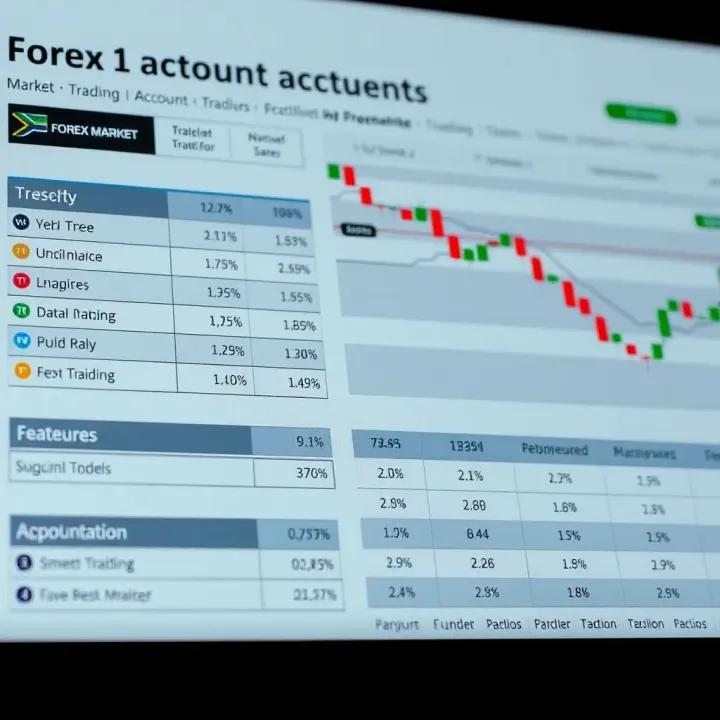
🌍 Learn how to pick the right forex trading account in South Africa, understand deposits, risks, leverage, and local rules to trade with confidence and stay safe.
🎥 New to forex? This guide helps South African beginners learn forex trading basics, find top video lessons, avoid mistakes, and grow skills confidently.
Based on 6 reviews