
Forex Trading in Johannesburg: A South African Guide
📈 Discover practical tips for forex trading in Johannesburg, South Africa! Learn the basics, local rules, proven strategies, and unique trading insights.
Edited By
Ethan Marshall
Forex trading opens doors to the vast world of currency markets where major global currencies are bought and sold daily. For South African traders, accessing these markets requires setting up a forex trading account. But not all accounts are the same, and choosing the wrong type could affect your trading experience, costs, and risk exposure.
A forex trading account acts as your entry ticket to the market, held with a licensed broker who executes your trades. These accounts come with various features like leverage options, minimum deposit amounts, spread types, and platforms, all of which carry practical consequences.
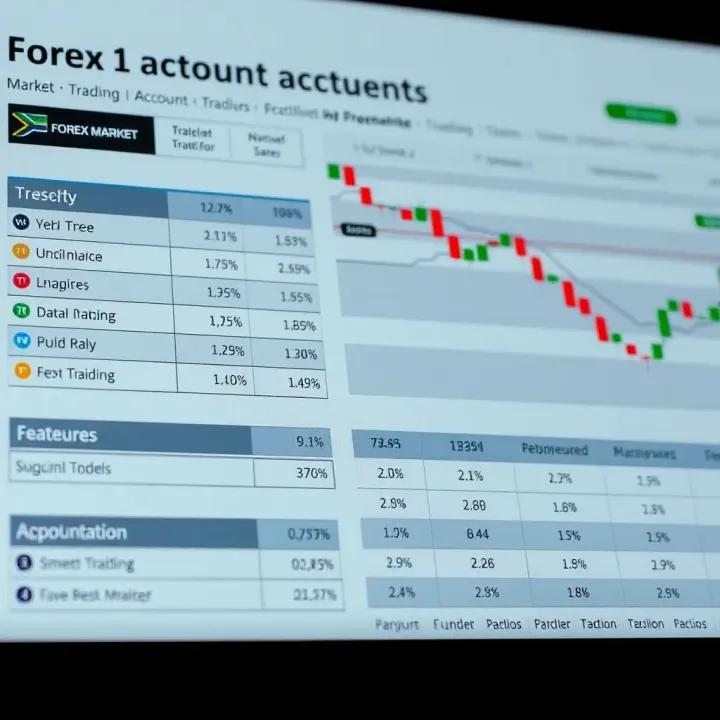
"Picking the right forex account isn’t just about fees. It’s about finding the setup that matches your trading style, risk appetite, and local conditions."
Understanding the key differences between account types—standard, mini, or micro accounts, demo accounts for practice, and Islamic accounts for Sharia compliance—is vital. For instance, beginners might opt for a micro account to test strategies without risking large sums, while seasoned traders may prefer standard accounts with higher leverage.
South African traders should pay special attention to local regulatory frameworks. The Financial Sector Conduct Authority (FSCA) oversees licensed brokers, ensuring they meet standards protecting traders. Using an unregulated broker increases risks, including fraud or unfair trading practices.
Furthermore, forex accounts often involve leverage, allowing you to control a large position with a smaller capital outlay. While leverage can boost profits, it equally magnifies losses if the market moves against you. South African brokers usually comply with FSCA rules on maximum leverage limits, but it’s wise to confirm this when opening an account.
Another critical consideration is deposit and withdrawal methods. Popular options include bank EFT, credit/debit cards, and sometimes e-wallets. Since South Africa experiences local banking nuances like EFT delays or fees, understanding transaction terms with your chosen broker helps avoid surprises.
In short, grasping what forex trading accounts offer—and how they differ—empowers South African traders to start confident, manage risks better, and avoid common pitfalls. The sections ahead will unpack these topics step-by-step for clear, actionable insight.
Understanding the basics of forex trading accounts is essential for anyone keen to participate in the currency market. These accounts are your entry point to trading foreign currencies, and knowing how they function helps you manage your investments efficiently and avoid common pitfalls. For South African traders, this knowledge is particularly valuable given the local regulatory environment and currency considerations.
A forex trading account acts like a specialised bank account that allows you to buy and sell currencies. Essentially, you open an account with a broker who provides the platform and tools needed to enter the forex market. Without this account, you can't trade currencies like the US dollar, euro, or South African rand.
Its purpose goes beyond simply holding funds; it enables you to execute trades, monitor your positions, and manage risks. For instance, if you want to speculate on the rand's movement against the dollar, your forex trading account is where the trading happens.
The forex market itself is a global marketplace where currencies are exchanged. Your trading account connects you to this market via your broker. When you decide to trade, say, buying euros with rands, your broker processes this through the forex market's liquidity providers. This connection means your account reflects real-time currency price changes, allowing you to react swiftly.
With a forex trading account, placing trades involves selecting currency pairs and deciding whether to buy or sell based on your expectations of price movements. For example, if you believe the euro will strengthen against the rand, you’d buy the EUR/ZAR pair. The platform tracks your open positions and calculates profit or loss, updating your account balance accordingly.
Managing positions also means setting stop-loss or take-profit orders to control risk and secure gains automatically. This practice is vital for protecting your capital, especially in volatile markets common to currencies influenced by economic news or political events.
Brokers play a key role in this setup. They serve as intermediaries between you and the broader forex market. Some brokers offer direct access to interbank markets, while others route trades through market makers. Your choice influences costs, execution speed, and available leverage.
Moreover, brokers in South Africa usually adhere to regulations set by the Financial Sector Conduct Authority (FSCA), ensuring some level of safety for your funds. Choosing a well-regulated broker who's transparent about fees helps you avoid scams and hidden charges, issues that unfortunately have affected traders locally in the past.
Opening the right forex trading account and understanding how it operates can make all the difference in managing risks and achieving your trading goals. Whether you're a beginner testing the waters or an experienced trader seeking better execution, knowing these basics is your first step to confident trading.
Choosing the right forex trading account can make a big difference to your experience and success in the market. Different accounts suit varying levels of experience, investment amounts, and trading goals. South African traders should consider how each account type aligns with their needs, especially given factors like capital availability, trading strategy, and regulatory protection.
Standard accounts are what most seasoned traders use. They usually require a higher minimum deposit—often from R10,000 upwards—and offer full access to a broker’s trading platform and tools. These accounts suit those who trade regularly and seek to capitalise on broader market opportunities. For example, an experienced trader using technical analysis might prefer a standard account for its comprehensive features and tighter spreads.
Spreads on standard accounts tend to be narrower but may include commissions based on trade volume. Brokers often provide variable or fixed spreads; variable spreads fluctuate with market conditions, giving traders chances to benefit when liquidity is high. In contrast, fixed spreads offer consistency but often at a slightly higher cost. Understanding these costs helps in managing overall trading expenditure.
Mini and micro accounts allow you to trade with smaller amounts—sometimes from as little as R500. This makes them ideal when you want to enter the forex market without risking significant capital. For instance, a student or part-time trader wanting to learn the ropes can start here without the pressure of large losses.
These accounts often come with simplified platforms and smaller trade sizes, making mistakes less costly. Beginners get practical experience while managing risk, as losses won’t wipe out their budget. Think of it as training wheels for forex trading before graduating to larger balances.
Islamic accounts remove interest charges (swaps) on overnight positions to align with Shariah law. This type suits traders who avoid interest due to religious beliefs but still want to engage with forex markets. Brokers usually vet these accounts carefully to ensure compliance.
While swap-free accounts remove interest fees, traders might face higher spreads or additional brokerage fees to offset costs for the broker. Also, certain trading strategies involving overnight holds can be limited. For example, carrying trades might not be viable without swap charges, affecting longer-term forex approaches.
Demo accounts simulate real trading, letting you experiment without risking real money. For South African traders, practising on demo accounts can help master platform navigation, test strategies, and understand market dynamics before committing cash.
Despite mimicking live markets, demo trading lacks emotional pressure tied to real losses or profits. Execution speeds and slippage might differ slightly, so results need cautious interpretation. Demo accounts are valuable for learning, but transitioning to live trades requires adapting to real-world conditions.
Choosing the right account type depends on balancing your budget, experience, and trading goals. Starting small and scaling up as confidence grows can avoid unnecessary risks.
Choosing the right forex account is a cornerstone decision for South African traders, as it directly affects your trading costs, risk exposure, and overall experience. Given the range of accounts available, each with distinct features, considering your personal circumstances and goals can save time and money. For instance, a beginner using a micro account might avoid steep losses, while an experienced trader could benefit from a standard account offering more leverage and lower spreads.
Starting with your experience level is essential when selecting a forex account. Beginners generally require accounts that demand lower minimum deposits, offer educational resources, and limit leverage to manage risk better. Many South Africans new to forex trading opt for demo or micro accounts first, gaining hands-on practice without risking real cash.
Experienced traders, however, often look for accounts with more sophisticated features such as higher leverage, access to advanced trading tools, and tighter spreads to suit active trading. They might favour standard accounts or even professional accounts if available, allowing them to execute large trades efficiently.
Your trading style—whether day trading, swing trading, or holding positions long term—also shapes which account suits you. Day traders, for example, require accounts with low spreads and fast execution since they place multiple trades daily. On the other hand, swing traders or position traders might put up with wider spreads but prioritise lower overnight fees.
Moreover, how often you trade impacts cost considerations. If you only trade occasionally, paying for accounts with hefty monthly fees or large minimum deposits might not be worthwhile. Matching your style to the account's cost and features helps keep your trading viable.
Different brokers and account types carry varied minimum deposit requirements. For South African traders, finding an account with a manageable minimum deposit—say, R500 to R2,000—is common, especially when starting. This lowers the barrier to entry and lets you test strategies without a huge initial commitment.
Accounts with very high minimum deposits, typically R10,000 or more, target experienced traders or those confident in larger trades. Before committing, assess whether you can maintain the required deposit without overextending your finances, keeping in mind the risks involved.
Choosing an account with your preferred base currency can make a real difference in managing fees. Many brokers allow accounts in various currencies including the South African Rand (ZAR). Holding an account in ZAR avoids currency conversion costs when depositing or withdrawing, which can add up over time.
For example, if you fund your account in rand but trade in USD pairs, you may still face conversion fees on each deposit. So opting for a ZAR account with competitive forex rates helps you keep your costs down.
Trading with brokers regulated by credible authorities like the Financial Sector Conduct Authority (FSCA) in South Africa or the UK's Financial Conduct Authority (FCA) adds a crucial layer of security. Regulated brokers must meet stringent standards on client fund protection, transparency, and fair dealing.
Beware of brokers operating without any oversight; they often lack safeguards against fraud and poor practices. Checking for FSCA registration, FCA regulation, or other well-known licences signals reliability and trustworthiness.
South African traders can choose between local brokers or international ones with a presence in the country. Local brokers may offer quicker deposit and withdrawal processes in rand, as well as customer support tailored to local needs.
On the other hand, international brokers often provide access to wider markets, more instruments, and advanced platforms. However, they might operate under foreign regulations, which could complicate dispute resolution.
Weigh up these factors, considering how important ease of funding and local support are for your trading. In some cases, traders may maintain accounts with both types to diversify their options.
Picking the right forex account means balancing your experience, goals, budget, and trust in your broker. Matching these factors helps you trade smarter and safer on South Africa’s forex market.
Understanding the key features and costs of a forex trading account is vital before putting your money on the line. These elements directly affect your trading outcomes and comfort, especially in the fluctuating forex market. Knowing what to expect around leverage, spreads, commissions, and payment methods means you can manage your risks and make informed choices about where and how to trade.
Leverage lets you control a larger position than your actual capital by borrowing funds from the broker. For instance, with a 1:100 leverage, a R1,000 deposit allows you to trade R100,000 in the market. Most South African brokers offer leverage ranging from 1:10 up to 1:200 or even higher, but FSCA-regulated brokers typically keep it conservative to protect traders.
Margin is the portion of your funds set aside as collateral to open and maintain positions. When you open a trade, the required margin locks part of your account balance according to the leverage level. It’s essential to monitor this, so you don’t get a margin call, where the broker asks for more funds to keep trades open.
High leverage can look tempting because it magnifies profits, but it also increases potential losses just as quickly. A trader using high leverage could wipe out their initial investment with small unfavourable price moves. That’s why risk management tools like stop losses are crucial. It’s often wiser for beginners to stick with lower leverage until they understand the swings better.
Spreads represent the difference between the buy (ask) and sell (bid) price of a currency pair. Fixed spreads stay the same regardless of market conditions, which some traders prefer during high volatility for predictability. Variable spreads fluctuate with market liquidity but can sometimes narrow, offering cheaper trades during calm market periods.
On top of spreads, some brokers charge commissions per trade or per lot, which can be fixed or a percentage of the trade value. It’s important to check if the broker adds fees for inactivity, account maintenance, or data feeds, as these can quietly eat into your profits over time.
South African traders have several deposit and withdrawal options. Popular choices include EFT (electronic funds transfer), which many prefer for its affordability and direct bank-to-bank transfers. Credit and debit cards, as well as e-wallets like Skrill or Neteller, are also common, offering faster access to funds.
Processing times vary: EFTs may take 1–3 business days, while card and e-wallet transactions often happen instantly or within hours. Watch out for fees, especially from third-party services or international transactions. Always confirm if your broker charges withdrawal or deposit fees, so there are no surprises when you want to cash out your profits.
When picking a forex trading account, the details around leverage, costs, and payment methods can affect your trading strategy and bottom line more than you might expect. Pay attention to these factors to choose an account that suits your style and risk appetite.
Managing risk is often the difference between success and failure in forex trading, especially in volatile markets like those currency traders face daily. It’s about knowing how to protect your capital from sudden swings and ensuring you don’t get wiped out by one bad trade. For South African traders, understanding risk management is key to navigating local economic uncertainties, such as rand fluctuations or unexpected events affecting global forex.
A stop loss order acts like a safety net, instructing your broker to exit a trade once the price reaches a certain unfavourable level. This prevents losses from mounting uncontrollably. For example, if you buy EUR/ZAR at R19.00, you might set a stop loss at R18.80 to limit potential losses to R0.20 per unit. It’s a simple yet vital tool that keeps your emotions in check — so you don't lose your head when the market moves against you.
Similarly, take profit orders lock in gains by automatically closing a position when the price hits a favourable target. This helps avoid the temptation to hold on hoping for more when the market may soon reverse. Both tools keep your trading disciplined and protect your capital in an unpredictable game.
Beyond stop losses and take profits, most brokers offer automated risk management features like trailing stops or guaranteed stop losses. Trailing stops adjust automatically as the market moves in your favour, securing profits while still allowing for upside. Guaranteed stop losses, although often carrying an extra cost, promise to close your trade at the exact price you set, even in volatile conditions where slippage might occur.
These tools are especially useful for South African traders who can’t always monitor markets during odd hours or when Eskom’s loadshedding disrupts power supply. They provide peace of mind that your positions will be managed as per your plan, even when you’re offline.
Forex markets are inherently volatile, influenced by everything from political announcements to economic data. For South African traders, rand volatility can be rattling, as even a small economic shift locally or internationally can cause wild swings.
Greater volatility means wider price movements, which can amplify both profits and losses. Without proper risk management, a sudden spike or drop can drain trading accounts quickly. Realistically, if your account only has R5,000 and the rand suddenly plunges against the dollar, your open positions could swing sharply against you.
Smart traders adjust their methods based on expected market conditions. When volatility is high, reducing trade sizes or widening stop loss levels might be wise to avoid being stopped out by normal market ‘noise’. On quieter days, tighter stops and smaller take profits could do the trick to maximise steady gains.
For instance, during South Africa’s budget announcements or SARB interest rate decisions, expect heightened volatility. Being adaptive means you can minimise losses during choppy markets and maximise gains in calmer ones.
Forex trading can attract unscrupulous brokers, especially those operating without regulation or local licences from bodies like the Financial Sector Conduct Authority (FSCA). Unreliable brokers might promise unrealistic returns, manipulate spreads, or have poor withdrawal policies, hurting traders badly.
Always verify whether your broker is registered with the FSCA or recognised international bodies like the FCA. Beware of platforms that lack transparent information or use aggressive marketing tactics. Doing your homework saves you from losing money to dodgy operators.
Common warning signs include brokers who don’t allow you to withdraw funds easily, delay payments, or require excessive personal information without proper reasons. If you see sudden changes in account terms, unexplained additional fees, or customer service only available sporadically, proceed with caution.
Remember, if it sounds too good to be true, it probably is. Protecting your hard-earned Rand means being vigilant, asking questions, and knowing the standard practices in regulated trading environments.
Risk management is not just about avoiding losses; it's about preserving your ability to trade long-term in a market that never stops moving. South African traders who master this aspect stand a better chance of consistent, sustainable success.
📈 Discover practical tips for forex trading in Johannesburg, South Africa! Learn the basics, local rules, proven strategies, and unique trading insights.
📈 Explore practical forex trading strategies designed for real-world success. Get free PDFs to master currency markets and boost your trading skills today!

Explore forex trading in Yokohama 🇯🇵 with insights on local rules, key players, strategies, and how global trends affect traders. Start smart today! 💹
Explore top forex trading websites 🌐, learn to set up accounts, manage risks, and analyse markets to trade confidently and safely in South Africa 🇿🇦.
Based on 13 reviews