

Free Money Offers for Binary Options Trading in South Africa
Explore how free money offers for binary options trading work in South Africa 🇿🇦. Learn to spot risks, understand rules, and use bonuses wisely. 💰📊
Edited By
Charlotte Mason
Binary options trading is a form of financial speculation that has caught the interest of many traders in South Africa. At its core, binary options trading involves predicting whether the price of an asset—such as a share, currency pair, commodity, or index—will rise or fall within a specified time frame. The reward is straightforward: either you receive a fixed payout if your prediction is correct or you lose the stake you put down if it isn’t.
In South Africa, traders often look at binary options as a simple way to access global markets without needing huge capital or complicated strategies. For example, predicting whether the price of gold will close higher or lower in the next 15 minutes is a typical binary option. The fixed risk-reward setup is appealing since you know upfront exactly how much you can win or lose.

However, this simplicity comes with real risks. Binary options frequently operate on very short timeframes, making the markets volatile and sometimes unpredictable. Many brokers outside South Africa offer these products, but the regulatory environment here treats binary options with caution. The Financial Sector Conduct Authority (FSCA), which oversees financial markets, warns that many binary options platforms could be scams or involve unfair practices. It’s a sector where due diligence is non-negotiable.
South African laws currently restrict local firms from offering binary options trading directly, and traders should be mindful of unregulated platforms operating offshore. The regulatory framework aims to protect retail investors from potential losses and fraud.
For South African investors eyeing binary options, these points matter:
Legal awareness: Check if the broker is licensed by a reputable authority, preferably the FSCA or a respected foreign regulator.
Understand the product: Binary options are not the same as traditional share or forex trading; they are more like bets rather than investments.
Risk management: Since losses can be total within seconds, decide your stake carefully and don’t chase losses.
Know the costs: Some platforms have hidden fees or unfavourable payout ratios.
In this article, we'll cover how binary options work, the legal backdrop in South Africa, the risks involved, and offer practical tips to navigate this tricky terrain. Whether you are an experienced trader or just starting out, understanding these basics is vital before committing any Rands to binary options trading.
Understanding what binary options entail is key for anyone interested in this method of trading. Binary options simplify trading by offering a fixed return based on a yes-or-no proposition: Will the price of an asset be above or below a certain level at a specific time? This clear-cut nature makes binary options attractive to many South African traders who want quick, straightforward bets on market movements.
The concept of binary options centres on predicting the direction of an asset's price within a set timeframe. Unlike traditional trading, where profit or loss depends on the size of price movement, binary options pay out a fixed amount if your prediction is correct and nothing if wrong. This 'all-or-nothing' approach cuts both ways—it offers clear risk and reward but leaves little room for partial wins.
Typical assets involved in binary options trading include stocks, indices, currencies (forex), and commodities like gold or oil. For example, a South African trader could wager on whether the rand (ZAR) will rise against the US dollar by market close. Local familiarity with certain assets can guide smarter choices and help manage risk better.
How trades are executed is fairly straightforward: you choose the asset, predict whether the price will rise or fall (called 'call' or 'put' options), set the expiry time, and invest your amount. If your prediction matches the outcome at expiry, you receive a payout—usually between 60% to 90% profit on your stake. Otherwise, you lose your initial stake. This fast turnaround is why binary options are popular on mobile platforms.
Call and put options explained involve predicting price moves. Buying a call means you expect the asset's price to go up; a put means you predict it will drop. For instance, if you think the price of platinum will increase in an hour, you'd buy a call option. The simplicity helps new traders grasp the basics but doesn’t guarantee success.
Short-term versus long-term trades offer flexibility based on your trading goals. Short-term trades may expire in minutes or hours and suit those who want quick results, but these can be volatile and risky. Long-term trades, spanning days or weeks, rely more on overall trends, giving room to factor in broader economic news and market patterns, which can be more manageable for some.
Risk management approaches are vital to avoid heavy losses. Since you either win a fixed amount or lose your stake, managing how much you risk per trade is crucial. Many South African traders use small, fixed percentages of their total capital for each trade, like 1-2%, and avoid chasing losses. Tools like demo accounts also help practise without risking real Rands.
Binary options trading is straightforward in concept but demands discipline and strategy to navigate the risks effectively. Clear understanding of trade mechanics and asset behaviour helps traders make informed choices.
This section sets the foundation for understanding the practical workings of binary options, vital for making thoughtful decisions within the South African trading setup.
South Africa's legal and regulatory environment plays a major role in shaping how binary options trading works locally. For traders and investors, understanding these rules is not just a formality — it helps avoid scams and legal trouble, ensuring safer trading experiences. South Africa's regulatory bodies set clear guidelines to safeguard consumers and maintain market integrity.
The Financial Sector Conduct Authority (FSCA) is the watchdog overseeing financial markets in South Africa, including binary options trading. The FSCA’s role is to regulate market conduct, promote fair treatment of clients, and reduce systemic risks that could impact the broader economy. By licensing and supervising brokers, it aims to create a trustworthy environment, making sure firms comply with financial laws while protecting investors from unscrupulous practices.
For example, the FSCA regularly issues warnings regarding unregistered binary options platforms, especially those operating offshore, helping South Africans spot potential scams before they lose money.
In South Africa, the FSCA requires all binary options brokers targeting local residents or offering financial products to be registered and comply with specific conduct standards. This means such brokers must prove they have adequate capital, transparent fee structures, and proper risk disclosures. Unfortunately, many brokers operating offshore do not meet these requirements, leaving traders vulnerable.

South African-registered brokers must submit to audits and maintain client fund segregation to protect investors’ money. This regulatory oversight significantly reduces the chances of fraud and malpractice compared to unregulated offshore services.
Consumer protection under FSCA regulation includes mandates for clear disclosure of risks inherent in binary options trading. Brokers have to inform clients how product features work, potential losses involved, and ensure marketing materials do not mislead.
Additionally, the FSCA provides a complaint and dispute resolution process for clients who feel mistreated by brokers. This framework gives traders a clear channel for recourse, which is crucial given the fast-paced and high-risk nature of binary options.
Consumers should always verify if a broker is FSCA-registered before investing, shielding themselves from rogue operators.
Binary options offered by South African-registered brokers operate legally, but many traders still access offshore platforms that target South Africans without proper licensing. These offshore firms often escape FSCA oversight, operating from jurisdictions with lax regulation.
Using offshore providers exposes traders to significant risks including lack of legal recourse, poor platform transparency, and potential withdrawal problems. The FSCA advises caution when dealing with unregistered offshore brokers, as local law offers limited protection against them.
Since binary options were declared high-risk investments by the FSCA, stricter rules have been introduced. The FSCA has moved to ban misleading advertising and tighten requirements for brokers to ensure client funds' safety. This has led many unlicensed operators to exit the South African market.
These regulatory changes aim to reduce fraud cases, which were rampant a few years ago and caused substantial losses to local traders. The result has improved market trust, although vigilance remains necessary.
Traders using unregulated or offshore binary options platforms face several legal risks. Since these providers do not adhere to South African laws, enforcing contracts or recovering lost funds through local courts can become near impossible.
Moreover, trading on illegal platforms may violate local financial regulations, putting traders themselves at risk of penalties, however small that chance might be. Sticking to FSCA-registered brokers provides legal protection and reduces these risks substantially.
In short, knowing the legal framework helps South African investors avoid pitfalls in binary options trading and make informed choices within the bounds of the law.
Binary options trading involves several risks that traders in South Africa need to weigh carefully. Understanding these challenges is essential to avoid pitfalls that can lead to significant financial strain. This section breaks down the key risks and offers practical pointers on navigating these hurdles.
High volatility and time sensitivity play a big role in binary options. Prices of assets can swing sharply within minutes or even seconds, making timing critical. For example, betting on the price movement of a stock over the next five minutes means any sudden news event or market reaction can wipe out your trade. This makes binary options inherently risky compared to traditional trading, which tends to have longer time horizons.
Because trades often have fixed expiry times, even one bad minute could cost you your entire investment in that trade. This volatility demands quick decisions but also means that without precise timing, losses stack up fast.
Potential for significant financial losses cannot be ignored. With binary options, you typically risk your entire stake on a single trade, unlike investing in shares where losses can be more gradual. If a trade goes against you, your loss is immediate and total for that option. For instance, if you place R1,000 on a call option predicting the rand-dollar rate to rise in the next hour but it falls instead, that R1,000 is gone.
Some traders underestimate this fixed-risk nature and overextend, which leads to severe financial consequences. That’s why managing your bankroll carefully and avoiding chasing losses are critical habits.
Common scams and fraudulent platforms are sadly too widespread in this space, especially in South Africa. Many binary options platforms operate offshore without proper licencing or oversight. Some may manipulate prices or delay withdrawals to steal funds.
South African traders should be wary of brokers offering unrealistic returns or pressuring you to deposit more cash quickly. Tales of traders losing everything to dodgy sites are not uncommon. Staying informed and cautious helps shield you from these scams.
Verifying FSCA registration is a must-do step before committing your money. The Financial Sector Conduct Authority (FSCA) regulates financial service providers in South Africa, and brokers authorised by them adhere to consumer protection rules.
You can check the FSCA’s online register to confirm if a broker is licensed locally. Engaging with only these providers reduces exposure to fraud and gives you some legal recourse if things go sideways.
Checking client reviews and feedback offers an extra layer of insight. Look for independent forums, financial community groups, or well-known review sites where traders share their experiences. Be cautious of platforms with overwhelmingly positive but vague testimonials—those could be fake.
Real user reviews often mention issues around withdrawal delays, unexpected fees, or poor customer service, which spotlights red flags early.
Assessing platform transparency involves scrutinising the broker’s website, trading conditions, and customer support quality. Are their terms and conditions clear and accessible? Do they provide detailed explanations about risks and fees?
Transparent brokers openly disclose how trades work. They should also offer demo accounts and reliable customer support, ideally with someone reachable by phone or instant chat during business hours.
Taking the time to understand inherent risks and vet your broker carefully can save you a lot of heartache. Binary options might look tempting with quick gains, but without proper caution, you risk losing more than just money—time and peace of mind are at stake too.
Approaching binary options trading wisely is vital for anyone wanting to navigate this volatile space without unnecessary losses. The fast-paced nature of these trades, combined with inherent risks, means South African traders must be cautious, use the right tools, and plan their moves with care. Practical steps like starting small and accessing reliable resources make a significant difference.
A demo account acts as a sandbox where traders can practise binary options trading without risking real money. Many reputable platforms offer these free trial accounts, which mirror live trading conditions but use virtual funds. This helps newcomers understand how calls and puts work, how expiry times affect outcomes, and how their chosen assets behave under different market conditions.
For example, a trader might try a demo account on a platform to familiarise themselves with trading gold or forex pairs like USD/ZAR before actually investing R500 or more. It’s about building experience and confidence without the stress of financial loss.
Ambition doesn’t pay off well in this field without clear, practical goals. South African traders should set achievable limits based on the capital they have, their risk tolerance, and expected returns. For instance, aiming to double a small R1,000 deposit quickly is unrealistic and invites reckless decisions.
Instead, focus on steady growth—perhaps targeting a 5–10% profit per month and accepting some losses along the way. That mindset keeps pressure low and trading sustainable.
Success in binary options often hinges on timely, accurate information. Using charting software, economic calendars, and local market news helps to make better guesses about where prices might go. Platforms like TradingView provide handy charts and indicators that South Africans can use to track currencies or commodities relevant to their trades.
Additionally, forums and signals services tailored to local conditions can add value—though traders should always cross-check advice and avoid blindly following tips without research.
Wise trading is about preparation, patience, and using all available information before taking a step.
Many South Africans prefer traditional stock or forex trading as a more transparent and regulated option compared to binary trading. The Johannesburg Stock Exchange (JSE) allows investors to buy shares in companies directly, which can offer dividends and long-term growth, unlike the all-or-nothing outcomes of binaries.
Forex trading through authorised brokers like FNB Securities or Standard Bank gives access to currency pairs, including the rand, with more flexible trade durations and potentially less risk.
Contracts for difference (CFDs) allow investors to speculate on price movements without owning the underlying asset. In South Africa, CFDs are becoming more accessible through licensed brokers and can cover shares, indices, and commodities.
Spread betting, while popular elsewhere, is less common locally and is subject to different rules. Both offer the chance to profit from rising or falling markets but require careful study since losses can accumulate quickly, especially with leverage.
For those less interested in active trading, investment trusts and unit trusts are steady alternatives. These pooled funds let individuals invest smaller amounts in diversified portfolios managed by professionals.
In SA, trusts regulated by the FSCA provide access to blue-chip shares, bonds, and property, reducing individual risk. This suits people who want exposure to financial markets without daily monitoring or complex decisions.
Overall, understanding binary options and their place among other financial tools enables South African investors to pick what truly suits their goals, knowledge, and appetite for risk.
Explore how free money offers for binary options trading work in South Africa 🇿🇦. Learn to spot risks, understand rules, and use bonuses wisely. 💰📊
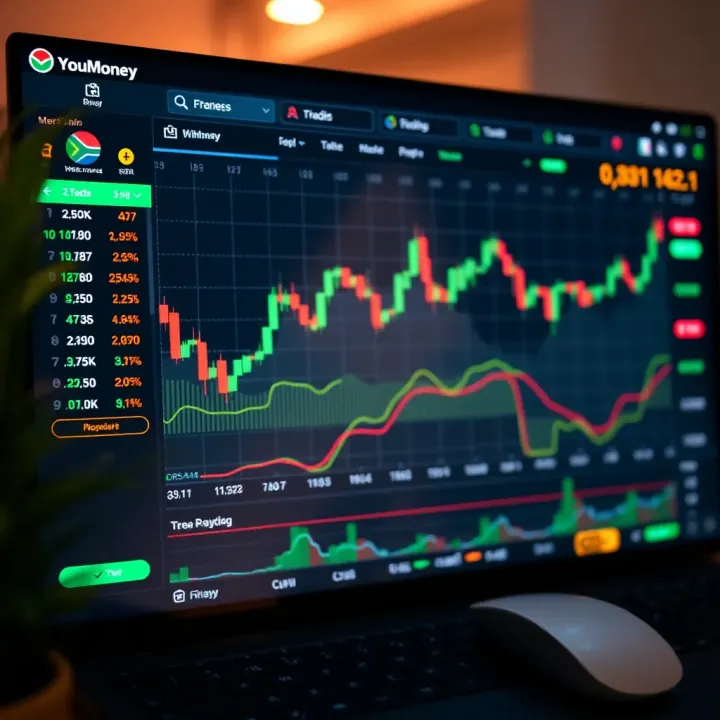
📊 Discover YouMoney Binary's features, risks, and smart strategies for South African traders. Get practical insights into binary options trading today! 🇿🇦

Learn the fundamentals of forex trading 🇿🇦, from market basics and risk management to choosing brokers and strategies tailored for South African traders 📉💹.

Learn how forex trading seminars in South Africa can boost your skills 📈 Discover top providers, key topics, and tips for maximizing your trading education.
Based on 7 reviews