

Understanding Free Binary Signals in Trading
Learn how free binary signals work, where to find reliable ones, and practical tips for South African traders to minimize risks and improve trading decisions 📊🇿🇦
Edited By
Chloe S. Bennett
Binary trading accounts offer a straightforward way for traders to speculate on price movements of various assets, from currencies to shares, by predicting whether the price will rise or fall within a set period. In South Africa, this form of trading is gaining traction due to its simplicity and fixed risk profile.
Unlike traditional trading where profits and losses can be unpredictable, binary trading operates on an all-or-nothing payoff. For example, if you predict the price of the US dollar versus the rand will go up in the next hour and it does, you receive a fixed return, often between 70% and 90%. If you're wrong, you lose the amount you invested for that trade.
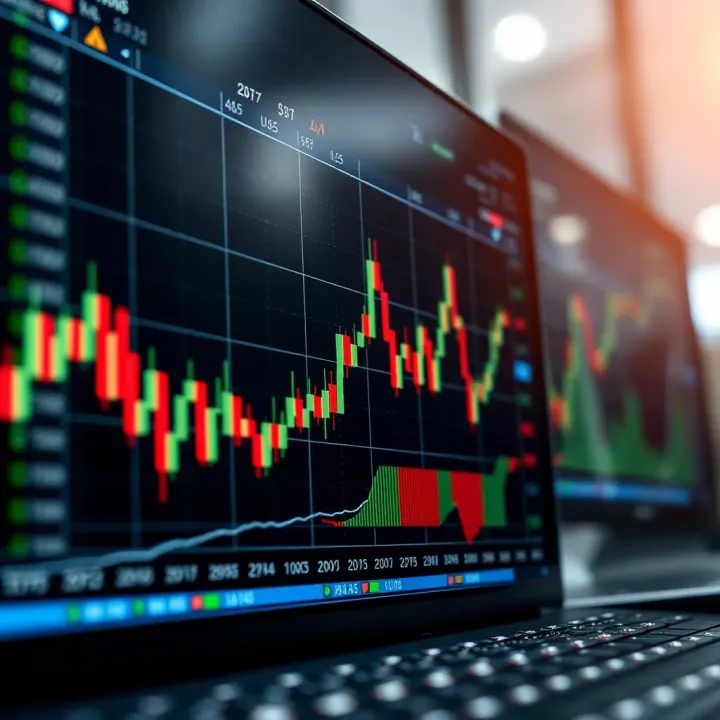
It's crucial to understand that while binary trading looks accessible, the risks can be high, especially with volatile markets and less regulated brokers.
South African traders should be particularly cautious about brokers, ensuring they comply with local regulatory requirements such as being registered with the Financial Sector Conduct Authority (FSCA). Beware of unregulated platforms promising guaranteed returns or unrealistic profits.
Fixed payout and loss: You know upfront what you stand to gain or lose.
Short-term trades: Options can last minutes to hours, appealing to active traders.
Low entry thresholds: Many accounts allow starting with deposits as low as R1,000 or less.
Traders can choose from various account types depending on their experience and capital, such as:
Standard accounts for beginners with basic features and moderate minimum deposits.
VIP or premium accounts offering higher returns, personalised support, and lower fees but requiring larger deposits.
Choosing the right account often hinges on your budget and trading goals.
This introduction sets the stage to understand how binary trading accounts function, their appeal, and the important factors South African traders must weigh before opening one. The following sections will explore these aspects with greater detail and practical guidance.
Understanding what a binary trading account entails is essential before diving into the world of binary options. Such accounts provide the platform where traders can predict the price movement of assets within set timeframes, making them distinct from regular trading accounts. This section will unpack the basics and explain why these accounts might appeal to you, especially if you're interested in straightforward trading methods with clear outcomes.
Binary trading revolves around a simple principle: predict whether an asset’s price will be higher or lower than the current level at expiry. The key here is that you’re not buying the asset itself but making a bet on its future price direction. For example, you might speculate whether the price of gold will be above R1,000 per gram in 15 minutes. If your prediction matches the market outcome, you earn a fixed payout. If not, you lose your stake.
A binary trading account is specifically designed to facilitate these trades by providing access to binary options on various assets like stocks, currencies, indices, and commodities. These accounts focus on usability, allowing traders to place bets quickly and monitor expiry times closely. For South Africans, using such an account gives a straightforward entry point into financial markets without having to manage traditional buying and selling or worrying about partial gains or losses.
Unlike traditional trading accounts where your profit or loss depends on how much the underlying asset moves, binary trading accounts offer a fixed payout. If your prediction is correct, you receive a predetermined return, often between 60% to 90% on your stake. For instance, if you bet R500 on an asset moving up and win, you might receive R850 (your initial R500 plus R350 profit).
This setup makes it easy to understand potential risks and rewards upfront, making budgeting your trades more manageable. You know exactly how much you can win or lose from the start, without worrying about complex calculations or market swings beyond the expiry time.
Binary options trades always come with a predefined expiry period — this can be as short as 30 seconds or as long as several months, but most platforms cater for very short-term trading. These expiry times are a defining feature, forcing a clear outcome within the set timeframe.
For example, you might choose a 5-minute expiry on the price of the JSE Top 40 index. After 5 minutes, the trade settles, and you either win or lose your stake based on whether your prediction was right. This differs sharply from traditional accounts, where positions can be held indefinitely, subject to market conditions and other factors.
Binary trading operates on an all-or-nothing principle: either you earn a fixed return or lose your investment entirely. There are no partial profits or losses depending on how far the price moved from your prediction.
This means if you bet that the rand will strengthen against the dollar within an hour, but the movement is minimal and fails to cross your predicted threshold, you lose the full stake despite being close. Conversely, the payout remains unchanged regardless if the price exceeded your target by a large margin.
This feature emphasises the importance of careful timing and prediction accuracy. While it simplifies the decision-making process, it also increases the risk of total loss. Traders must be mindful and use proper strategies and risk management when betting with a binary trading account.
Understanding these core elements of a binary trading account helps you decide if this style suits your trading approach and risk appetite. It also clarifies how these accounts function differently from more traditional investment platforms you're already familiar with.
Choosing the right type of binary trading account matters a lot, especially if you’re new to trading or looking to sharpen your skills. Binary trading accounts mainly come in two varieties: demo accounts and live accounts. Each serves a distinct purpose and comes with its own set of features and limits, impacting your trading experience.
Demo accounts act like a playground where you can learn the ropes without risking your hard-earned cash. These are often provided free by brokers to give you a feel for how binary options work, including order placement and how price movements affect outcomes. For example, you might get R10,000 in virtual currency to practise trades, allowing you to experiment with different strategies.

Using a demo account effectively means more than just placing random trades. It involves treating it seriously, almost like real money. Ideally, you would test strategies during different market conditions, such as when the JSE is more volatile versus a quieter time. Over time, this helps build confidence and understanding of the algorithms behind binary options without any financial pressure.
When you decide to move onto a live account, the real trading begins with actual money on the line. Brokers typically set minimum deposit requirements to open these accounts, which in South Africa can range from as low as R500 to a few thousand rand depending on the platform. This requirement helps ensure traders have enough capital to engage meaningfully.
Trading limits and options vary widely between accounts. Some brokers cap the maximum trade value per option — for example, R1,000 per trade — to manage risk for both parties. Others offer a wider range of assets to trade, from currency pairs to indices and commodities, broadening your investment style choices.
Live accounts occasionally come with bonuses or leverage offers. Bonuses might be a percentage uplift on your first deposit, but you should check the fine print carefully, as these often come with wagering requirements. Leverage allows you to amplify your trading exposure beyond your deposit; however, this increases both potential gains and losses and should be used cautiously.
Start with a demo account to grasp the basics, then shift to a live account only when you’re ready to trade seriously, keeping an eye on deposit minimums and trade limits.
By understanding the differences and features of these accounts, you can pick what suits your needs best and trade smarter, not harder.
Opening and managing a binary trading account requires careful attention to legal compliance, practical steps, and cautious financial planning. For South African traders, understanding these elements upfront helps avoid delays and risks associated with improper account setup or management. This section guides you through the essentials, ensuring your trading journey begins and continues on solid footing.
To open a binary trading account, brokers generally require standard personal details such as your full name, contact number, email address, and physical address. Additionally, more specific information like your South African identity number or passport details helps establish your identity clearly.
Providing accurate details ensures your account isn't stuck in limbo during verification. For example, omitting the correct ID number often stalls the process, particularly when withdrawing funds. Some brokers might also ask for employment details or source of income to assess your trading profile.
South Africa’s Financial Intelligence Centre Act (FICA) mandates strict identity verification to prevent money laundering and fraud. Traders must submit official documents such as a certified copy of their ID, a recent utility bill for proof of residence, and sometimes bank statements.
This regulatory step protects both the trader and broker, adding a layer of trustworthiness to local and international transactions. Without complying, your account could be frozen or funds withheld, so prepare these documents beforehand to speed things up.
South African traders often prefer local-friendly payment methods such as bank transfers via EFT, credit or debit cards, and mobile money solutions like SnapScan or Zapper. More recently, digital wallets and instant EFT providers have gained traction due to faster processing times.
Choosing the right payment channel matters because it affects how soon you can start trading and how easily you can move money. For instance, EFTs through your bank typically take a few hours to clear, whereas some digital wallets process instantly.
Withdrawing your earnings usually involves choosing from methods similar to funding options. However, be aware that brokers might charge withdrawal fees or impose minimum withdrawal limits, which could eat into smaller profits.
Given this, it’s advisable to check the broker’s withdrawal terms upfront. Some brokers allow free withdrawals once a month, while others charge per transaction. Understanding these details helps prevent frustrating surprises when you want to claim your winnings.
Controlling risk means deciding on daily or per-trade limits right from the start. Many platforms allow you to set maximum stakes or loss thresholds, which is a prudent practice, especially for beginners.
For example, if you set a daily loss limit of R500, the platform can block further trades once you hit that mark, preventing you from chasing losses or blowing your account in a single session.
Some binary trading platforms provide stop-loss features or automated trading tools to help manage your position. These let you exit trades when losses reach a predetermined level or follow market signals without constant monitoring.
Using these tools can make risk management more systematic rather than relying solely on gut feeling. They’re especially useful in volatile markets where prices can swing quickly, and manual reaction may lag behind actual changes.
Proper account opening and management aren’t just formalities. They’re the foundation to trading effectively and safeguarding your capital. Be methodical, know your limits, and always trade within them.
Trading binary options can be tempting with its promise of quick returns, but it's essential to understand the risks involved. These accounts carry specific market and regulatory risks that can significantly impact your investment. Knowing what these risks are helps you make informed decisions and avoid surprises down the line.
Binary options function on a simple yes/no outcome: if your prediction is wrong, you stand to lose your entire stake. This all-or-nothing nature means there is a real potential to lose 100% of the invested amount in a single trade. For instance, if you place R1,000 on a particular stock rising and the market moves against you—say due to unexpected economic news—you don't lose just the difference; you lose the full R1,000.
It's not like traditional share trading where you might see a drop but still hold some value; with binary options, a wrong call ends your position immediately. Traders should prepare for this risk by only committing money they are willing to lose.
Binary trading hinges not only on predicting the direction but also on timing the expiry correctly. Markets can be volatile, reacting to local and global events. For example, South African economic data releases or sudden Eskom load-shedding schedules can cause price swings that disrupt short-term predictions.
Getting timing wrong means that even if you are right about the direction, you might still lose if the price doesn't settle within the expiry window you chose. This makes binary trading riskier than other forms where you can hold till the market turns. It's crucial to study market trends and use reliable trading platforms that provide real-time data to improve timing.
In South Africa, the Financial Sector Conduct Authority (FSCA) oversees trading activities. Selecting a broker registered with the FSCA reduces the chances of scams or unfair practices. Registered brokers must follow strict rules, including transparent pricing and customer fund protection.
Unregistered brokers may offer attractive bonuses or high leverage but often lack accountability. For example, some might delay withdrawals or manipulate trading conditions. Always verify broker credentials against the FSCA list before opening any account.
Binary options trading has a complex legal status locally. While considered a financial product, some brokers operate offshore without adequate licences. The FSCA has issued warnings about unlicensed binary options platforms targeting South Africans.
Trading via unregulated brokers carries legal and financial risks since you might not have recourse if disputes arise. Therefore, use caution and ensure your broker complies with South African laws. Trading within this framework helps safeguard your funds and trading experience.
Staying alert to these risks protects you against major losses and legal troubles. Careful broker selection and an understanding of how market timing works are key to making binary trading a safer endeavour.
Choosing the right binary trading account and broker matters more than many realise. The choice affects not only your access to markets but also your security, costs, and overall trading experience. In South Africa, where regulation and service quality can vary widely, it pays to be selective and well-informed. A trustworthy broker with suitable account features lays the foundation for better trading decisions and safer handling of your funds.
The Financial Sector Conduct Authority (FSCA) oversees financial service providers in South Africa, including brokers who offer binary trading accounts. Selecting a broker registered with the FSCA brings a layer of protection and credibility. It means the broker has met certain regulatory standards, including client fund segregation and transparency. For example, if a Cape Town-based trader picks an FSCA-registered broker, they reduce the risk of scams or malpractice.
In practical terms, a registered broker must comply with the Financial Intelligence Centre Act (FICA), which means proper client verification and anti-money laundering checks. This safeguards you and keeps your trading activities above board. Beware of brokers operating without FSCA oversight—while they might offer bonuses or tempting spreads, you might pay the price later.
No broker is perfect, but user reviews tell a lot about reliability and service quality. South African traders often share experiences on forums like MyBroadband or financial Facebook groups. These insights cover withdrawal speed, platform uptime, customer support, and odd fees. For instance, if several users complain about delayed withdrawals or poor mobile app performance, consider that a red flag.
Always look for balanced reviews—ones that highlight both positive and negative aspects. This helps you make a realistic assessment. A broker with thousands of satisfied customers but a few issues with customer support might still be a better pick than a newbie that has no proven track record.
How easy is the platform to use? For traders who prefer quick, decisive actions, especially on mobile, this is vital. South African consumers increasingly trade on phones, so a responsive and bug-free mobile app or website is a must. Imagine missing a trade opportunity because your platform crashed or froze on your mobile.
Look for simple navigation, clear charts, and easy trade execution. Some brokers offer demo versions of their platform, so take advantage — try them on your smartphone and desktop before committing any money.
A good trading account should come with educational materials, market analysis, and risk management tools like stop-loss options or automated trading aids. These help sharpen your strategies and manage risk better.
For example, a broker offering integrated economic calendars, relevant news feeds about JSE-listed companies, or training webinars aimed at South African traders adds real value. It can be the difference between guesswork and informed decision-making, especially for newcomers still learning the ropes.
Choosing your broker and account is not just a checkbox step. It shapes your trading outcomes and peace of mind, so invest time to weigh these factors carefully before starting to trade.
Learn how free binary signals work, where to find reliable ones, and practical tips for South African traders to minimize risks and improve trading decisions 📊🇿🇦

📚 Discover where to find free binary options trading books, learn key concepts, assess quality, and boost your trading skills effectively today.

📈 Explore free binary trading demos to sharpen skills! Learn how South African traders select reliable platforms, manage risk, and gain confidence before going live.

📈 Discover practical tips for forex trading in Johannesburg, South Africa! Learn the basics, local rules, proven strategies, and unique trading insights.
Based on 6 reviews