

Binary Trading Guide PDF for South African Traders
📘 Get a clear, practical look at binary trading for South African traders. Learn the basics, risks, regulation, and how to use a handy PDF guide effectively.
Edited By
Thomas Greene
Binary trading apps have gained noticeable traction among South African traders looking for fast, accessible ways to engage with financial markets. These apps offer a straightforward entry point into trading by simplifying complex decisions into yes/no options — often termed as "calls" or "puts" — based on whether the price of an asset like the Rand-dollar pair or JSE Top 40 shares will rise or fall within a set time.
Understanding how these apps function and the risks involved is key before diving in. Typically, a binary trading app presents a series of short-term contracts, where your profit or loss is fixed at the outset. For example, you might stake R500 predicting gold prices will be higher in 15 minutes; if correct, the app pays out a pre-agreed return, often 70%-90% of your stake. If you’re wrong, you lose the full R500.
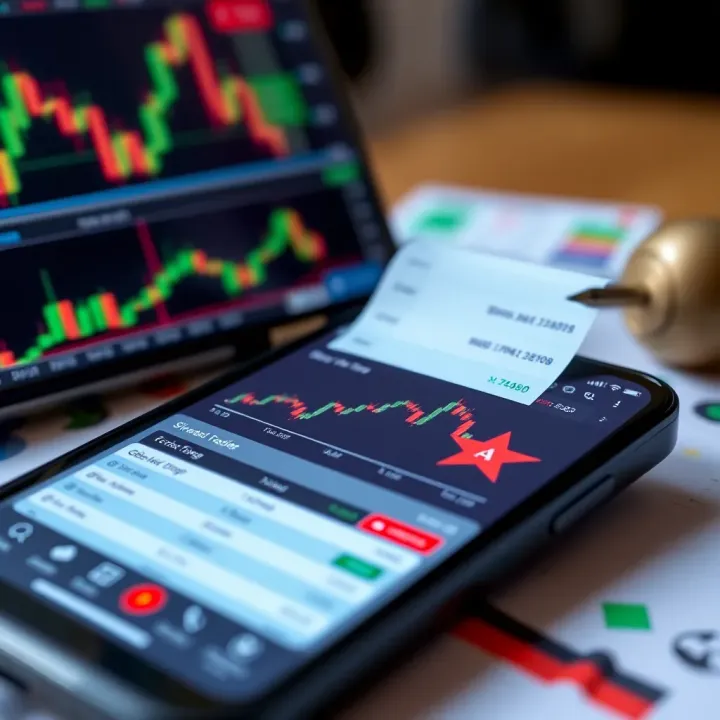
South African traders should be particularly mindful of the legal context around binary options. While the Financial Sector Conduct Authority (FSCA) regulates financial products here, many binary trading platforms operate outside its direct supervision, sometimes based offshore. This gap means users face elevated risks like scams or unfair practices. Given this, it’s vital to choose platforms with clear licensing, transparent terms, and trustworthy reputations.
When dealing with binary trading apps, never invest more than you can afford to lose — the fixed risk-return setup can look tempting but can drain capital quickly if you aren’t careful.
Key features to consider when selecting an app include:
Regulatory status: Look for FSCA approval or internationally recognised licences
Asset variety: Range from forex pairs to commodities relevant to local markets
User interface: Easy navigation helps reduce costly errors under time pressure
Customer support: Accessible local or at least English-speaking service
Educational resources: Guides or demo accounts to practise without real money loss
In the South African context, factors like mobile data cost and connectivity stability can influence your app choice. Apps that use minimal data or offer offline features for analysis can ease the strain, especially outside big metros. With these points in mind, you’re better equipped to explore binary trading apps carefully and sensibly.
Binary trading apps have become a popular tool for South African traders looking to engage in quick financial markets transactions. These apps simplify the process of binary options trading, allowing users to bet on whether the price of an asset — such as gold, the JSE Top 40 index, or even commodities like petrol or maize futures — will move up or down within a limited time frame.
Understanding how these apps work is essential because it helps traders grasp the risks involved and the meaning behind every click. For instance, unlike traditional trading where you buy an asset expecting its value to rise over time, binary trading focuses on predicting price movements over short periods, sometimes just minutes or seconds.
Binary trading is straightforward in concept: you select an asset and decide if its price will be above or below a specific point at a chosen expiry time. If your prediction is correct, you receive a fixed payout; if not, you lose your stake. Think of it like predicting the outcome of a coin toss, though with market data as your guide rather than chance alone. Traders should note that the fixed payout means potential profits and losses are predetermined, which can simplify money management.
Good binary trading apps offer several essential features. These include real-time price charts, clear expiry timelines, and intuitive interfaces that are easy to navigate even on mobile devices. Many apps provide alerts or notifications about market movements or when trades close, which is practical for traders on the go in busy South African cities like Johannesburg or Cape Town. Some apps also include educational tools and demo accounts to try out strategies without risking real Rands.
When you place a trade on a binary trading app, you’re essentially locking in a contract based on your prediction. The app connects you to a market maker or liquidity provider who offers these contracts. Execution depends on the app’s technology and market conditions; for example, if you predict the price of platinum will rise in 30 minutes, the app records your position at the current price and monitors the market until expiry. At expiry, the app automatically settles the trade and credits your account if successful, or deducts your stake if not.
Binary trading apps offer convenience and speed but require a solid understanding of market behaviour and self-control. Knowing exactly how these apps work helps you make smarter decisions and avoid common pitfalls.
In sum, by getting to grips with the basics, recognising key app features, and understanding trade execution, South African traders can approach binary trading apps with more confidence and caution. The next sections will cover risks and legal aspects, crucial for safe navigation in this fast-moving space.
Binary trading offers a straightforward way to speculate on asset price movements, but it carries clear risks alongside potential rewards. For South African traders, understanding these effectively can make the difference between carefully managing investment opportunities or falling into costly mistakes.
Binary trading appeals partly because of its simplicity: you predict whether an asset’s price will go up or down within a set time. If your prediction is correct, you secure a fixed payout—often between 70% and 90% of your stake. For example, risking R1,000 on a binary trade predicting gold prices may earn you about R800 if correct. However, if wrong, you lose your entire stake. This all-or-nothing outcome means while gains can be enticing, losses happen quickly and in full. It’s essential to approach these trades understanding that the reward is capped but losses are absolute, underscoring the high-risk nature.
There's no middle ground in binary trades unlike traditional investing, so you need to be sure about market trends. Sudden news on local mining stocks or global commodity shifts can impact outcomes rapidly. Traders should use disciplined strategies rather than chasing big wins.

The surge in popularity of binary trading apps has unfortunately attracted fraudulent platforms targeting South African users. Fake apps often promise unusually high returns with little to no risk, a red flag worth noting. Many lack proper licences or operate outside regulatory oversight, making withdrawal of funds difficult or impossible once deposited.
These scam apps sometimes mimic well-known brands, but usually have poor reviews and unclear terms. Before downloading or investing, check if the app is registered with South African financial regulators or well-known authorities abroad. Also look out for unusual URLs, unprofessional app designs, or pressure tactics urging you to deposit quickly—these indicate a likely scam.
Even legitimate apps can pose security risks if they don’t safeguard user data and funds properly. South African traders should prioritise platforms with strong encryption, two-factor authentication, and clear privacy policies. It’s smart to avoid apps that request excessive personal information unrelated to trading or those lacking transparent customer support.
In practice, this means choosing apps with verifiable company details and reading community feedback for reported experiences. Protecting your bank or card details is non-negotiable since fraudulent apps can exploit weak security to steal funds or identity.
Remember, no legitimate financial platform will guarantee profits. Being cautious and informed helps you avoid losing money to scams or poor security.
By weighing these risks alongside the potential rewards and knowing how to identify unsafe apps, South African traders can better navigate the binary trading scene with more confidence and less guesswork.
Understanding the legal and regulatory framework surrounding binary trading in South Africa helps traders avoid pitfalls and trade with confidence. This aspect is especially important because the market is somewhat loosely regulated, creating room for both legitimate operators and dishonest platforms.
In South Africa, the financial services industry is overseen by the Financial Sector Conduct Authority (FSCA). However, binary options have a complicated status. Unlike traditional financial products such as stocks or forex, binary options are largely unregulated here and have even been banned by the FSCA since 2017. This means no authorised South African entity can legally offer or promote binary options to the public.
Many local traders accidentally access offshore binary trading platforms, which fall outside South African jurisdiction. This raises the risk of unfair practices and fraud. The FSCA has issued multiple warnings against dealing with unlicensed binary options providers. It’s worth noting the government’s tough stance aims to protect retail investors from high-risk speculative products masquerading as legitimate.
Compliance for South African traders means being extra cautious about the platforms they use. Since legal local providers don’t exist, relying on offshore brokers requires due diligence. Traders should check if the platform is regulated by credible authorities such as the UK’s Financial Conduct Authority (FCA) or the Cyprus Securities and Exchange Commission (CySEC), though even this isn’t a guarantee.
From a legal viewpoint, traders must avoid any deals that involve unlicensed brokers promising unrealistic returns. South African law requires individuals and entities involved in financial services to be authorised. Ignoring this can lead to financial losses with little legal recourse.
Furthermore, the Financial Intelligence Centre Act (FICA) mandates that brokers comply with strict customer identification and money-laundering checks. As a trader, you should expect to verify your identity before depositing money, which protects you and the platform.
Traders should always prioritise platforms with transparent compliance policies and clear contact channels. If a binary trading app refuses proper verification or has unclear terms, it’s a definite red flag.
In summary, South African traders dealing with binary options must navigate a tricky legal landscape. Being informed about the FSCA’s position and applying sound compliance checks safeguards you from scams and losses. Stay vigilant and choose transparency over tempting shortcuts.
Selecting the right binary trading app can make a big difference, especially in a context like South Africa where users face unique challenges such as fluctuating internet quality and local financial regulations. A suitable app not only smooths the trading process but also protects you from scams and offers reliable customer assistance when issues arise. Since binary trading carries inherent risks, the app you choose should help manage those risks too.
A binary trading app must be easy to navigate to prevent costly mistakes. In South Africa, where some users may trade on smartphones with varying screen sizes or slower connections, a clear, simple interface ensures traders can quickly make decisions without getting lost in a maze of menus. For instance, apps that offer quick access to key market information and straightforward click-tap trade execution generally perform better.
Look for apps with intuitive charts and easy-to-understand buttons. If you notice that an app requires multiple taps to place a trade or find account details, it might slow you down during volatile market moments. Also, apps designed with local preferences in mind – like default language options including isiZulu or Afrikaans – make navigation less frustrating.
Reliable customer support can be a lifesaver when trading with real money. South African traders should prioritise apps that offer multiple ways to get help, whether it's live chat, email, or phone support, ideally available during business hours in SAST (South Africa Standard Time). Prompt responses reduce downtime and avoid missed trading opportunities when technical glitches occur.
Moreover, service quality matters. Some apps partner with local support agents who understand regional challenges like data costs or banking delays, while others rely solely on automated replies. For example, a trader facing withdrawal problems due to slow bank transfers benefits from direct access to knowledgeable support staff familiar with South African banks.
When choosing a binary trading app, check if it supports convenient and secure payment methods common in South Africa. Apps that accept payments via Instant EFT, credit/debit cards (Visa, Mastercard), or trusted mobile wallets like SnapScan or Zapper make deposits and withdrawals smoother.
Withdrawal speed is also crucial. Some apps may take several business days to process payouts, which can be frustrating if you want quick access to profits. Ensure the app clearly states withdrawal terms, minimum amounts, and potential fees upfront.
Before committing to an app, it pays to see what other South African traders say about it. Online forums, social media groups, and review sites often feature honest user experiences regarding app reliability, payout honesty, and customer service.
Keep an eye out for red flags like repeated complaints about delayed withdrawals or suspected fake accounts. Conversely, positive feedback on user-friendly design and transparent operations can boost your confidence. Communities like the MyBroadband forums or local Facebook groups for traders can offer valuable insights.
Choosing the right binary trading app is not just about features; it's about trust, reliability, and user support tailored to South African realities. Making an informed choice helps protect your investment and enhances your trading experience.
Trading with binary apps can be tempting because of their simplicity and potential returns, but it’s vital to approach them responsibly. Many South African traders jump in without clear rules, only to face sudden losses. Setting practical boundaries and learning smart strategies protect your wallet and sanity.
First off, never bet money you can’t afford to lose. Binary trading is high-risk, and losses can escalate quickly, especially when emotions run hot. Consider setting a daily or weekly loss cap — for instance, not going beyond R1,000 in a single day. Many apps allow you to set such limits, stopping you from chasing losses.
Also, avoid putting all your eggs in one basket. Diversify your trades across different assets or expiry times rather than loading up on a single option. Think of it like spreading the risk on your retirement savings, but on a much smaller scale.
Before diving in with real money, practise on demo accounts available on most binary trading apps. These simulated environments mimic real market conditions without the financial sting. For example, a demo might give you R10,000 virtual credits to test strategies. Use this chance to understand how market timing works and to test out platforms.
Plus, many apps offer tutorials, webinars, or articles explaining market fundamentals and trading tactics. Ignite your learning by tapping into these resources; they can turn a rash player into a more measured trader. In South Africa, some platforms even include localised content, reflecting market trends affecting the Rand or JSE-listed companies.
Markets don’t move in isolation. Political shifts in Pretoria or economic reports from SARS can influence asset prices swiftly. Staying informed keeps you ahead and reduces guesswork. Follow reliable local financial news outlets like Moneyweb or consult market updates on MyBroadband.
It also pays to keep an eye on global events that affect commodity prices, such as platinum or gold, which have a significant impact on the South African economy.
Responsible trading isn’t about luck; it’s about making informed decisions, managing your exposure, and continuously learning. By setting clear limits, practising with demo accounts, and staying updated, you’ll stand a better chance in the tricky world of binary trading.
This pragmatic approach fits neatly within South African trading realities, where access to education and market information can be a game-changer for individual traders navigating binary options platforms.
📘 Get a clear, practical look at binary trading for South African traders. Learn the basics, risks, regulation, and how to use a handy PDF guide effectively.

🤖 Discover how binary trading robots work, their risks, pros, and regulatory factors affecting South African traders. Get practical tips to pick reliable software confidently.

📈 Explore free binary trading demos to sharpen skills! Learn how South African traders select reliable platforms, manage risk, and gain confidence before going live.

🌍 Explore global forex trading essentials & risks, top currency pairs & strategies tailored for South African traders. Stay informed and trade smart! 💹
Based on 15 reviews