

Forex Trading in Johannesburg: A South African Guide
📈 Discover practical tips for forex trading in Johannesburg, South Africa! Learn the basics, local rules, proven strategies, and unique trading insights.
Edited By
Sophie Hughes
Forex trading can seem like a real jungle if you’re just starting out. The markets move quickly, prices shift constantly, and there’s real money on the line. That’s where forex demo accounts come in handy. These accounts let you practise trading without risking a cent, making them invaluable for both newbies and experienced traders testing new ideas.
A demo account is basically a simulated trading environment using virtual money but real market data. You get access to the same tools, charts, and order types as a live account. For example, a trader in Johannesburg can open a demo account with a local or international broker, watch how the rand performs against the dollar, and place trades without fear of losing money.
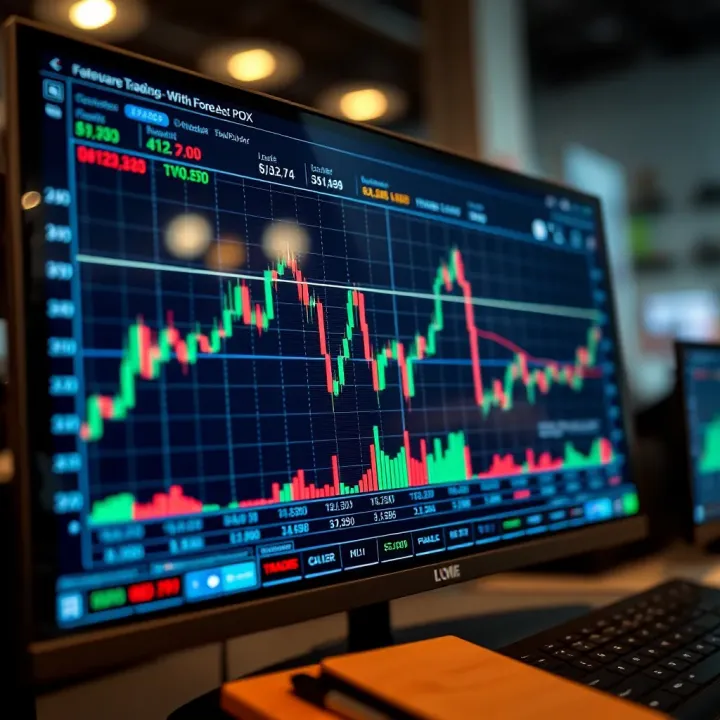
Demo accounts allow you to build confidence, understand trading platforms, and try strategies under real market conditions — all without financial risk.
Real-time market data: Prices move exactly as they do in the live market, so you get true practice.
Virtual funds: You start with a set amount of pretend money, often around R100,000 or $10,000, to place trades.
Access to trading tools: Indicators, charts, order types, and analysis tools are available like in a live account.
No financial risk: Losses do not affect your bank balance, which removes emotional pressure.
Demo accounts help you get familiar with a broker’s platform. For instance, MTN or Vodacom users might find that certain brokers’ platforms work better on mobile data or are optimised for slower internet during loadshedding. By testing these with a demo, you avoid surprises.
Practising on a demo account is essential before risking real Rand. When you trade live, emotions like fear and greed can cloud judgement, leading to costly mistakes. Demo trading helps you:
Hone your strategy and decide what suits your risk appetite.
Understand forex jargon like ‘spread’, ‘leverage’, and ‘margin call’ without risking cash.
Identify technical issues or glitches, especially important with spotty internet in some areas.
Pick brokers with transparent fees and reliable execution based on your experience.
In short, thinking you can jump straight into live trading is a bit like trying to drive a bakkie without ever practising first. Demo accounts offer a safe testing ground — so by the time you trade with real funds, you’re better prepared to face the market head-on.
A demo account in forex trading acts as a practice ground for traders to learn the ropes without risking real money. It's important because it offers a hands-on way to understand how the forex market operates, including price movements, trade execution, and the nuances of currency pairs. For a South African trader, this means getting familiar with global forex trends and how they impact the Rand (ZAR) before committing actual funds.
A demo account provides a simulated trading environment that mimics real market conditions closely. Traders use virtual money to place orders just like they would in a live account, seeing how their decisions would play out without any financial risk. This setup is especially useful for understanding how trades respond in actual market scenarios, such as reacting to news releases or market volatility.
The most practical benefit of a demo account is allowing you to learn and make mistakes without losing money. Beginners can experiment with different currency pairs and trade sizes, while experienced traders might try new strategies. Since no real money is on the line, it’s a safe space to build confidence and develop skills step by step.
Demo accounts come preloaded with virtual funds, usually a fixed amount like R100,000, letting you place trades as if you were using real money. Yet, the twist is that the prices and market data you see are pulled from the live forex market. This means you interact with genuine price movements and spreads, giving you a realistic experience without any financial exposure.
Apart from virtual money and live data, demo accounts give access to all the tools and features available on the broker’s trading platform. This includes charting software, indicators, order types, and risk management tools. Exploring the interface helps traders get comfortable navigating complex platforms such as MetaTrader 4 or MetaTrader 5, which are commonly offered by South African brokers. You can customise layouts, set alerts, and execute mock trades, making the transition to live trading smoother.
Using a demo account is like learning to drive on a simulator with real roads and traffic conditions but without the risk of crashes — it’s the safest way to build your skills before hitting the actual markets.
This practical blend of virtual trading backed by real market data and full platform access makes demo accounts an essential starting point for anyone serious about forex trading in South Africa or beyond.
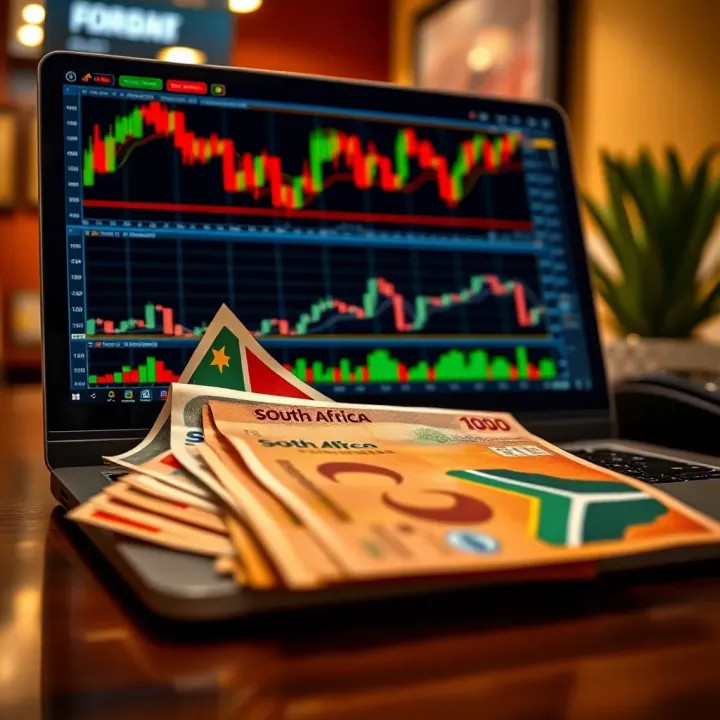
A demo account serves as a practical tool for traders to sharpen their skills without risking real money. It offers hands-on experience with the forex market's ups and downs, which helps both beginners and seasoned traders test their understanding in a controlled space.
Understanding forex market dynamics is essential for effective trading. A demo account exposes you to real market conditions, including price fluctuations and currency pairs’ behaviour, without actual financial exposure. For example, when the South African Rand (ZAR) weakens against the US Dollar (USD) due to economic data releases, practising on a demo account lets you observe these shifts and their triggers firsthand. This awareness sharpens your ability to anticipate market moves and respond appropriately.
Practising trade execution and order types is another vital benefit. A demo environment lets you place different types of orders — market, limit, stop-loss — and understand how each operates in practice. Let's say you want to place a stop-loss to protect from heavy losses during peak volatility, common in times of political announcements; practising this in a demo account prepares you to deploy these orders correctly in real trading, reducing costly errors.
One significant advantage of demo accounts is experimentation without financial loss. You can trial various strategies, whether scalping for quick wins or longer-term trend following, without worrying about losing Rands. For instance, you might test a strategy that reacts to Eskom load shedding schedules affecting the Rand’s strength, seeing how to position yourself before such events unfold.
Refining entry and exit techniques on a demo account improves trade timing. Knowing when to enter a trade and pulling out at the right moment can be the difference between profit and loss. By practising this, you learn to identify key support and resistance levels or when to lock in gains after a favourable move. Without risking capital, you can fine-tune these skills until they become second nature.
Navigation and tool functions on trading platforms can be complicated at first glance. Demo accounts offer an opportunity to learn the ropes — from reading charts to using indicators like moving averages or Relative Strength Index (RSI). Getting these basics right prevents fumbling during live trades when split-second decisions matter.
Moreover, customising interface settings in a demo environment lets you tailor the platform to your preferences. You might prefer dark mode for easier focus during night sessions or set up alerts for price levels relevant to the Rand/USD pair. These personalised tweaks improve comfort and trading efficiency once you transition to live accounts.
Using a demo account is not just a safety net but a crucial stepping stone. It builds confidence through real-world practice, enabling you to approach live forex trading well-prepared and with a clearer head.
Through these benefits, demo accounts become invaluable tools for South African traders aiming to master forex without immediate financial pressure.
Forex demo accounts offer many advantages, yet they come with some important limitations that traders should understand. While demo accounts simulate real market conditions, they can’t replicate every aspect of live trading, especially the psychological and execution challenges. Recognising these differences helps set realistic expectations before moving into real money trading.
When trading on a demo account, the money you use is purely virtual, meaning you don't face actual financial loss. This often leads to emotional detachment, where traders may take bigger risks or act differently than they would with real funds. For instance, someone might hold onto losing trades longer or execute multiple trades simultaneously, knowing there is no real harm. In live trading, fear and greed influence decisions heavily, so adapting to these psychological pressures requires more than just mastering strategy.
Because demo trading doesn’t involve real stakes, practising effective risk management can be tricky. A trader might ignore stop-loss orders or fail to manage position sizes responsibly since there's no real loss at risk. This habit can be dangerous when transitioning to live accounts where poor risk management can lead to substantial financial damage. That said, consciously practising risk controls on a demo account—like sticking to realistic stop-loss levels or trading with virtual funds equivalent to your planned real trade size—can help close this gap.
Demo platforms may offer consistent spreads with little variation, but live markets can be less forgiving. Spread—the difference between buy and sell prices—can widen during volatile periods or lower liquidity, which demo accounts often fail to show accurately. Additionally, slippage, where orders execute at a different price due to fast market movement, is usually absent or understated in demo trading. This mismatch can lead to overestimating trade profitability if you assume the ideal conditions of a demo.
Order execution speeds and accuracy differ between demo and live accounts. In a demo environment, trades typically execute instantly without delay, but in real trading, network lags, broker technology, and market conditions affect execution times. For example, an attempted instant sell during a sharp market downturn might execute slower or at a less favourable price on a live account. Traders should be mindful that demo trading doesn’t fully reflect these execution nuances, which can have a real impact on outcomes.
Understanding these limitations is key to using demo accounts as a stepping stone rather than a complete preparation for live forex trading.
By keeping psychological gaps and market realities in mind, traders can use demo accounts more effectively and prepare realistically for the live market challenges ahead.
Selecting the right broker is a key step for anyone serious about forex trading in South Africa, especially when starting with a demo account. Your broker influences the quality of your trading experience, access to market data, platform reliability, and ultimately how well you're able to practise before using real money. With so many options out there, knowing what to look for saves time and avoids potential headaches.
South African traders should prioritise brokers that fall under the regulation of the Financial Sector Conduct Authority (FSCA). This regulatory body oversees financial institutions and ensures they comply with local laws designed to protect consumers. Using an FSCA-regulated broker means you’re dealing with an entity that meets minimum standards for transparency, capital adequacy, and ethical behaviour.
A good example: If you choose a broker without FSCA approval, you risk falling victim to scams or unclear business practices. The FSCA’s role includes monitoring brokers’ activities, so traders can feel more confident that their funds and personal details are handled properly.
Alongside regulation, dealing with licensed brokers is crucial. Licensing confirms that a broker has met certain professional and financial criteria, offering you a level of security. Licensed brokers typically provide segregated client accounts, which means your money is kept separate from the broker’s own funds—this is vital in preventing misuse should the broker face financial trouble.
Furthermore, licensed brokers usually have to meet regular reporting requirements and audits. This ongoing scrutiny reduces the chances of unethical practices and gives traders a pool of recourse if issues arise. In a South African context where financial scams exist, sticking to licensed brokers is a practical way to protect your trading journey.
When demo trading, the platform is your window into the forex market, so it needs to be easy to use and reliable. Brokers who offer both mobile and desktop versions give you the flexibility to practise anywhere, whether you’re on the go or settling in at a desk. Intuitive interfaces help you focus on learning the market rather than struggling with complicated menus or slow loading times.
For instance, platforms like MetaTrader 4 and 5 are popular because they balance powerful tools with user-friendly layouts. Some local brokers also tweak these platforms or develop their own apps to suit South African traders, adding features like ZAR account options and integration with local payment methods.
Support is just as important, especially when you’re learning the ropes. Having access to local customer service means you can quickly get answers in your time zone and language, avoiding delays or misunderstandings. Whether it’s help with technical issues or account setup, prompt, relevant assistance helps keep your demo trading on track.
Choosing a broker licensed by the FSCA with a user-friendly platform and local support means you can practice forex trading in a safer, more accessible environment before risking your own Rands.
Making the most out of your forex demo account is about more than just clicking trades. It’s about using this risk-free setup as a genuine learning tool, setting clear targets, practising sound habits, and knowing when to transition to live trading. Without a plan, many traders get stuck endlessly testing without making real progress.
Defining trading objectives is your first step. Think about what you want to achieve: are you aiming to grasp basic forex mechanics, test a particular strategy, or build confidence in managing risk? For example, if day trading is your interest, set clear goals around short-term trade execution and rapid decision-making. This focus stops you from wandering aimlessly and helps you measure progress.
Tracking progress and performance matters just as much. Keep records of your trades—win rates, losses, average holding time, and how well your strategy performs over a week or a month. Many demo platforms offer simple reports or you can use spreadsheets. This habit helps identify patterns early: perhaps your entries need work, or you struggle with holding trades too long. Tracking makes learning visible.
Developing a trading plan is not just for live accounts. Set clear rules for when to enter and exit trades, how much virtual capital to risk per trade (e.g., 1% of your demo balance), and which currencies or timeframes you’ll focus on. For example, mimicking a disciplined 1% risk per trade mirrors what’s required in real trading and embeds good habits that carry over.
Simulating live trading conditions means treating your demo account as if real money is at stake. Avoid overtrading or ignoring the psychological element of risk because it’s virtual. Try trading at the same times you’d trade live, and follow your plan religiously. This approach builds the emotional control needed in real trading, making the eventual jump less jarring.
Evaluating readiness and confidence should be done honestly. If you consistently meet your demo goals—positive returns, steady risk management, and emotional control—you’re likely ready. But if you find yourself deviating from your plan or riding out losing trades hoping for a turnaround, more practice is needed. Confidence in trading is a skill honed over time, not a moment.
Managing the transition smoothly involves starting live trading with small stakes. Consider funding your account with an amount you are comfortable losing while you adapt to the real market’s pressures and occasional slippage or spread changes. Keep your demo account open to test new ideas or strategies but resist dipping in and out without a plan.
Remember, the goal of demo trading is to prepare you for the real thing—not indefinitely postpone it. With clear goals, discipline, and a measured approach, your demo account becomes a stepping stone, not a stumbling block.
In South Africa, where market conditions and broker options vary, using a demo account effectively helps you navigate local quirks confidently before risking actual Rands.
📈 Discover practical tips for forex trading in Johannesburg, South Africa! Learn the basics, local rules, proven strategies, and unique trading insights.

📈 Explore practical forex trading strategies designed for real-world success. Get free PDFs to master currency markets and boost your trading skills today!

Explore forex trading in Yokohama 🇯🇵 with insights on local rules, key players, strategies, and how global trends affect traders. Start smart today! 💹

Explore top forex trading websites 🌐, learn to set up accounts, manage risks, and analyse markets to trade confidently and safely in South Africa 🇿🇦.
Based on 11 reviews