
Forex Trading in South Africa: Key Facts You Should Know
📈 Discover key insights on forex trading in South Africa! Learn about market rules, top platforms, risks, and tips to trade smarter locally. 🇿🇦💹
Edited By
James Cartwright
The foreign exchange market, or forex, is where currencies from around the world are bought and sold. Unlike the stock market, forex operates 24 hours a day across different time zones, making it one of the largest and most liquid markets globally. For South Africans considering forex trading, understanding how this market works is the first step towards making informed trades.
Currencies are traded in pairs, such as USD/ZAR (US Dollar vs South African Rand). When you buy a currency pair, you’re essentially buying the first currency and selling the second. For example, purchasing USD/ZAR means buying US Dollars while selling South African Rand.
Prices fluctuate based on economic indicators, geopolitical events, and market sentiment. In South Africa, factors like changes in SARB interest rates, Eskom’s load shedding, and political developments can heavily influence the rand’s value.
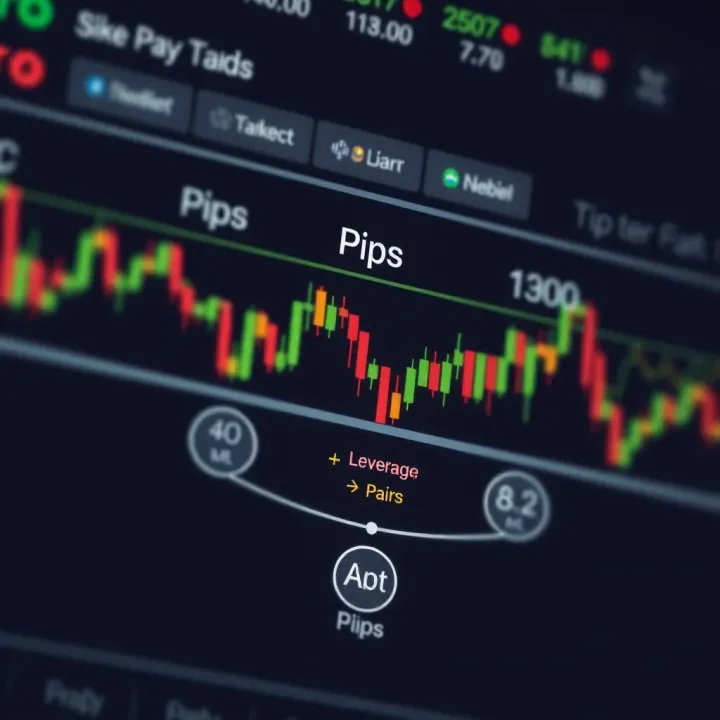
Pips: The smallest price move in a currency pair, usually the fourth decimal place (0.0001), except for pairs involving the Japanese yen.
Leverage: Allows traders to control larger positions with smaller capital, but it increases both gains and losses.
Spread: The difference between buying and selling prices, representing the broker’s fee.
Scalping: Quick trades that aim to profit off small price movements within seconds or minutes.
Day Trading: Positions open and close within a single trading day to avoid overnight risk.
Swing Trading: Holding positions for several days to capitalize on expected market moves.
Forex trading carries significant risk, amplified by leverage and market volatility. For instance, sudden rand depreciation after an unexpected SARB announcement can quickly impact open positions. Risk management techniques such as stop-loss orders and only trading with money you can afford to lose are essential.
Effective forex trading combines market knowledge, disciplined risk management, and keeping an eye on South African economic events affecting currency movements.
By grasping these basics, traders and investors in South Africa can approach forex trading more confidently and avoid common pitfalls.
Getting the basics right about the foreign exchange (forex) market is key for anyone stepping into trading. It’s not just about guessing which currency will rise or fall; understanding how this market operates helps you make smarter decisions and manage risks better. Plus, knowing the players involved and the market's size gives you perspective on where you fit in and what affects your trades.
Forex trading refers to buying one currency while selling another simultaneously. This happens in currency pairs, such as the South African Rand (ZAR) against the US Dollar (USD). The goal is to profit from price movements between these currencies. For example, if you think the rand will strengthen against the dollar, you buy the ZAR/USD pair.
Currencies in the forex market don’t change hands like cash in your pocket; instead, it’s a digital process involving brokers and banks connecting buyers and sellers worldwide. Trades happen in real-time through electronic platforms, making it possible to exchange currencies 24 hours a day during the working week.
The forex market brings together a wide group of players. Central banks like the South African Reserve Bank (SARB) influence currency values to stabilise their economies. Commercial banks facilitate forex trades for clients and themselves. Large corporations hedge against currency risks, and retail traders like yourself try to make a profit by speculating on price moves. Understanding who’s active and why helps anticipate market behaviour.
The forex market handles over $7 trillion (USD) in daily transactions, making it the biggest financial market on the planet. This enormous volume means prices can shift quickly, offering both opportunities and risks. For South African traders, the high liquidity often translates to tighter spreads and smoother trading conditions.
Some currency pairs dominate trading volumes due to their economic importance and stability. These include EUR/USD (euro vs US dollar), USD/JPY (US dollar vs Japanese yen), and GBP/USD (British pound vs US dollar). Including ZAR pairs like USD/ZAR makes sense for local traders, as they combine global influences with familiar factors.
Forex’s size stems from its critical role in global trade and finance. Every day, companies import or export goods and require currency exchanges to settle transactions. Investors shift money across borders, and governments intervene sometimes to protect their economies. This constant buying and selling keeps the market active around the clock, unlike stock markets that close.
Understanding the forex market isn’t just academic; it’s the foundation that supports your strategies and shapes your expectations. Knowing who’s on the field, how large the game is, and how the rules work puts you in a stronger position to trade with confidence and caution.
Having a solid grip on core forex concepts is essential before putting any money on the line. These fundamentals help you understand how trades are executed, how profits and losses occur, and how to make informed decisions rather than guessing. Even experienced traders revisit these ideas regularly to sharpen their edge.
Every forex trade involves two currencies: a base currency and a quote currency. The base currency is the one you're buying or selling, while the quote currency shows how much of it you need to exchange for one unit of the base. For example, in the EUR/USD pair, EUR is the base currency, USD the quote. If the rate is 1.15, it means you need 1.15 US dollars to buy one euro. This setup is crucial because it determines the direction of your trade and potential profit or loss.
Exchange rates are quoted in a standard format that tells you how much of the quote currency buys one unit of the base. These quotes move constantly due to market demand, geopolitical events, and economic data releases. Understanding that the rate reflects supply and demand helps traders react better when unexpected news hits.
The terms 'pip' and 'spread' are cornerstones in grasping forex cost and profit measurement. A pip usually refers to the smallest price move in a currency pair, often 0.0001. So, if EUR/USD moves from 1.1500 to 1.1505, it has moved 5 pips. The spread is the difference between the bid (selling) and ask (buying) price your broker offers. Tight spreads mean lower costs for you, which is especially important when scalping or day trading.
Leverage lets traders control a bigger position than their actual capital by borrowing funds from the broker. If your broker offers 100:1 leverage, R1,000 in your account can control R100,000 worth of currency. This boosts your potential gains but also your losses. Leverage is very common in forex but must be handled with care.
Using leverage increases risk and reward. For example, a 1% move in the market could double your money or wipe out your capital quickly if overly leveraged. Many South African traders start with low leverage ratios to get a feel for the market without risking too much. Brokers often set margin requirements which are the minimum equity you must hold to keep your trades open. If your account equity falls below that, you may face a margin call, requiring you to add funds or close positions.
Orders in forex dictate how and when your trade is executed. Market orders are executed immediately at current prices, ideal when you want to enter or exit fast. Limit orders let you specify a price to buy or sell, only triggering when the market reaches that level, handy if you expect price reversals and want better rates.
Stop-loss and take-profit orders automatically close trades when price hits a certain point. Stop-loss caps your losses, while take-profit locks in gains once a target is reached. For instance, if you buy USD/ZAR at 17.00 and set a stop-loss at 16.50, the trade closes if the rand strengthens and price drops. This shields you from bigger losses during sudden swings.
Using these orders strategically helps manage risk and emotion. Instead of staring at charts all day, you can plan your trade's exit points and let the system handle execution, keeping stress levels down especially during volatile hours or loadshedding interruptions.
Getting comfortable with these core concepts puts you squarely in control, letting you trade confidently and responsibly rather than relying on guesswork or hearsay. Keep them in mind as you move ahead in your forex journey.
Starting forex trading in South Africa involves more than just opening an account; it requires understanding how to pick the right broker, choosing the suitable account type, and crafting a trading plan tailored to local realities. With the growing interest in forex, especially among South Africans looking for extra income or investment opportunities, knowing the practical steps helps avoid pitfalls and lays a solid foundation.
South African traders should prioritise brokers regulated by reputable authorities like the Financial Sector Conduct Authority (FSCA) or internationally recognised bodies such as the FCA in the UK. Regulated brokers offer more consumer protection, including safeguards against fraud and clear dispute resolution pathways. Unregulated brokers, by contrast, often lack transparency, which can put your funds and data at risk.
Popular brokers accessible in South Africa include XTB, IG, and HotForex, all of which offer localised support and platforms compatible with South African banking systems. Choosing brokers with good reputations and histories of paying out profits smoothly is vital. Local trading forums and review sites can provide insights into each broker’s reliability.
When assessing trading platforms and costs, consider ease of use, access to tools like charting software, and whether the platform supports South African Rands (ZAR) for deposits and withdrawals. Also, watch the fees – spreads, commissions, and withdrawal charges can eat into your profits. For instance, some brokers offer zero-commission accounts but widen the spread, so balance costs against service quality.
Most brokers offer different account types, such as standard, mini, or Islamic accounts that cater to varying levels of capital and trading strategies. Standard accounts might require higher minimum deposits but give better spreads, while mini accounts suit beginners with smaller funds. Islamic accounts are relevant for traders wanting swap-free options due to religious reasons.
To open an account, South African traders must provide identification documents complying with the Financial Intelligence Centre Act (FICA). This generally includes a valid South African ID or passport, proof of residence (like a utility bill), and sometimes proof of income source. Brokers require these to verify your identity and prevent money laundering.
Funding your account in ZAR streamlines transactions, avoiding costly currency conversions. Many brokers accept payments via EFT, credit cards, or popular e-wallets like Skrill or Neteller, making it simpler to fund or withdraw without hassle.
Setting clear goals and risk limits is the backbone of sustainable trading. For example, decide beforehand the maximum amount you’re willing to lose in a day or set profit targets. This discipline helps you avoid emotional decisions, especially when the market goes off course.
Choosing a trading style that fits your personality and availability is equally important. Some prefer scalping with quick trades throughout the day, while others choose swing trading, holding positions over days or weeks. South African traders balancing day jobs often lean towards swing or position trading due to time constraints.
Before risking real money, practising with demo accounts is highly recommended. These simulate live market conditions, allowing you to test strategies and become familiar with the trading platform. Most brokers provide demo accounts free of charge, so take advantage to build confidence without financial risk.
Starting forex trading in South Africa boils down to selecting a trustworthy broker, preparing the right paperwork, and approaching trading with a clear, practical plan. Keeping these steps front of mind will help you navigate the market more effectively and protect your capital.
Trading forex can look appealing, but it's not without its pitfalls. Understanding the risks and common hurdles helps you stay ahead and avoid costly mistakes. This section unpacks the most pressing challenges, offering practical insight relevant to anyone starting or already active in the South African forex market.
Understanding price fluctuations is key. Forex prices swing as traders react to new information, shifting supply and demand. Unlike shares, forex moves swiftly even within minutes, affected by factors like economic data, geopolitical events, or even rumours. For instance, the Rand (ZAR) can jump sharply on a surprise SARB (South African Reserve Bank) interest rate decision, impacting your trades directly and quickly.
Events that trigger volatility include macroeconomic announcements, elections, or unexpected shocks like natural disasters. A sudden load shedding stage escalation can rattle markets in South Africa, pushing the Rand lower as investors worry about productivity slow-downs. Globally, US Federal Reserve statements often trigger ripple effects, making it vital for traders to keep an eye on scheduled economic releases.
How traders cope with volatility comes down to preparation and tools. Many use stop-loss orders to limit downsides when prices sharply reverse. Others adjust trade size to avoid overexposure during turbulent times. Experienced traders might pause trading during news spikes or use technical analysis to spot when volatility is easing, preserving their capital.
Recognising common forex scams is crucial, especially with many unregulated entities vying for attention online. Promises of guaranteed returns or secret trading systems should raise red flags. Some operators might manipulate prices or refuse withdrawals, which has trapped several South African traders who didn't check broker credentials.
The role of South African regulators like the Financial Sector Conduct Authority (FSCA) is to oversee licensed forex brokers, ensuring fair conduct and some level of consumer protection. Traders should verify if their broker appears on the FSCA's authorised list. Unregulated brokers offer less security and could vanish with your funds.
Steps to protect yourself include doing thorough background checks before opening accounts. Use FSCA-approved brokers, avoid sharing personal information carelessly, and be sceptical of aggressive marketing tactics. Practising on demo accounts first and understanding withdrawal terms can save heartache too.
The importance of discipline cannot be overstated. Forex trading stirs strong emotions — fear and greed often lead to poor choices like chasing losses or overtrading. Sticking to your trading plan and accepting that losses are part of the game helps maintain even-headedness.
Using risk management tools such as stop-losses and position sizing controls how much you expose on each trade. For example, many seasoned traders risk only one to two per cent of their total capital per trade. This limits damage on losing trades and prolongs your ability to trade.
When to stop trading is just as important as when to trade. If you find emotions running wild or losses stacking up, it’s wise to take a break. This pause lets you reset mentally and review your strategy without the cloud of frustration or fatigue.
In forex trading, understanding and managing risks is not just about protecting money; it’s about building the resilience and discipline needed to trade consistently over time.
South African traders venturing into forex enjoy unique opportunities alongside particular challenges shaped by local realities. Understanding these helps traders plan effectively, protecting their investments and maximising potential returns. Factors such as access to global markets, tax rules, and infrastructure issues play a direct role in shaping trading experiences.
South Africa sits in the South Africa Standard Time zone (SAST), which aligns well with the European trading session and overlaps partially with the US market hours. This timing allows traders to access some of the most liquid forex hours during the day without staying up awkwardly late. For example, the London market opens at 9 am SAST, providing a prime window for trading major pairs.
The South African Rand (ZAR) features in various currency pairs that have significant liquidity, such as USD/ZAR and EUR/ZAR. These pairs reflect the economic health of South Africa and global commodity prices, especially gold and platinum. Trading rand pairs offers both opportunities and risks, given the rand's sensitivity to domestic economic data and international investor sentiment.
Local economic conditions affect the rand significantly. Factors like inflation rates, interest rate changes by the South African Reserve Bank (SARB), political developments, and commodity price swings all influence currency value. A sudden announcement on coal exports or a change in SARB’s repo rate can cause noticeable volatility in ZAR pairs.
Profits from forex trading are generally considered taxable income by the South African Revenue Service (SARS). Traders must declare income under personal income, capital gains, or business income, depending on their trading style and frequency. For example, a full-time day trader might report forex income as business income, affecting allowable deductions.
If traders use offshore brokers, they must still report earnings to SARS. Foreign earnings require full disclosure, including profits and losses, to comply with South African tax regulations. Failure to report may lead to penalties and interest on unpaid tax.
It is essential that traders operate within legal frameworks, including adherence to the Financial Sector Conduct Authority's (FSCA) regulations. Using regulated brokers protects traders from scams and ensures fair trading conditions. Traders are liable for keeping records and complying with anti-money laundering laws, such as the Financial Intelligence Centre Act (FICA).
Loadshedding often disrupts internet and electricity access, potentially causing missed trades or technical failures. Traders relying on desktops without backup power solutions may find it challenging to respond swiftly to market changes during outages. Many now use uninterruptible power supplies (UPS) or mobile data hotspots as a safeguard.
South Africa’s internet infrastructure and data prices can affect trading. Poor connectivity or expensive data bundles may mean delays in updates or restricted access, particularly in remote areas. Traders often opt for fibre connections where available or use mobile data packages with sufficient data caps tailored for active online trading.
Domestic political events, government policy shifts, and global economic pressures contribute to currency fluctuations. For example, municipal failures or uncertain elections can weigh on the rand, while global commodity demand can provide unexpected support. Traders must monitor these local variables closely to adjust strategies accordingly.
For South African traders, knowing local economic signals and infrastructure realities can make a tangible difference in managing risk and spotting market opportunities early.
By keeping these factors in mind, traders in Mzansi are better equipped to navigate the forex market with insight tailored to their environment and conditions.
📈 Discover key insights on forex trading in South Africa! Learn about market rules, top platforms, risks, and tips to trade smarter locally. 🇿🇦💹
📊 Explore a hands-on guide to forex trading in South Africa! Learn key strategies, market rules, risks, and how to trade smart from the start. 💰
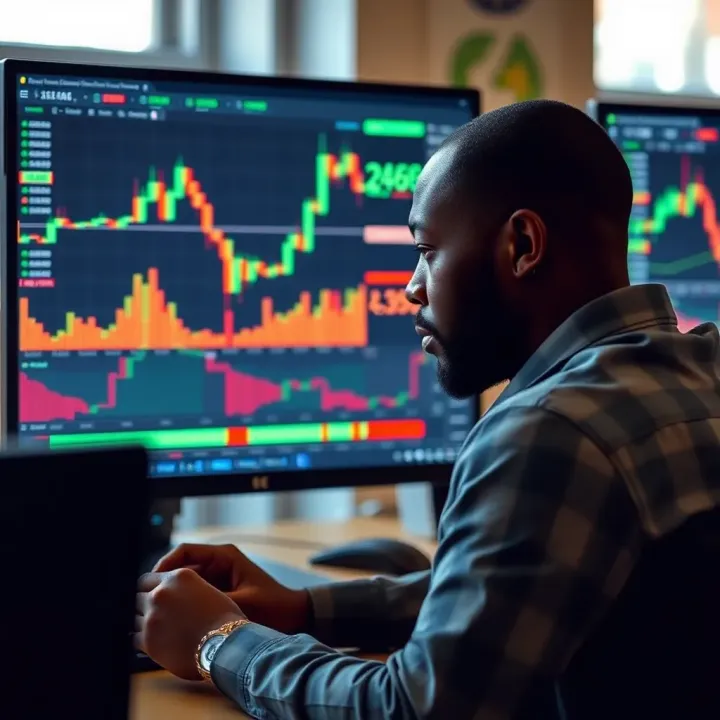
Start your forex journey right with demo accounts 🇿🇦. Practise trading safely, test strategies, and avoid common mistakes — all tailored for South African traders.
Learn how to manage your forex trading money effectively in South Africa 🇿🇦. Explore capital needs, risk control, funding, costs and local rules to trade confidently 💰
Based on 10 reviews