

Understanding Non-Binary Gender in South Africa
Explore non-binary gender beyond male and female, including identities, rights, and respect in South Africa's diverse community 🌈🤝 Understanding matters here.
Edited By
Charlotte Reed
Binary forms the backbone of modern computing, yet many find it puzzling at first glance. At its core, binary is simply a system that uses two symbols: 0 and 1. These digits, called bits (short for binary digits), represent the simplest form of data. In South Africa and beyond, whether you're managing investments online or analysing big data, understanding binary helps demystify how devices process and store information.
Computers rely exclusively on binary because electrical circuits have two clear states: on or off. This binary approach translates real-world data into sequences of bits. For example, a capital letter ‘A’ is represented in binary as 01000001 in ASCII code, a language of ones and zeros.

A bit is the smallest unit of digital data, and groups of bits—usually eight—form a byte, which can represent a wide range of values, from letters to numbers.
Digital signals travel across networks as series of binary pulses. Whether you’re sending an email from Johannesburg to Cape Town or streaming videos from servers halfway across the globe, binary underpins the entire process. Every digital transaction, from online banking to cellphone messages, is broken down into binary code that machines read instantly.
Storage: Hard drives, SSDs, and memory cards save your files as long strings of bits.
Processing: Your computer's CPU executes instructions expressed in binary machine code.
Networking: Internet protocols transfer data packets represented in binary to ensure accuracy.
Binary isn't just about 0s and 1s lined up randomly. It follows specific rules for arithmetic:
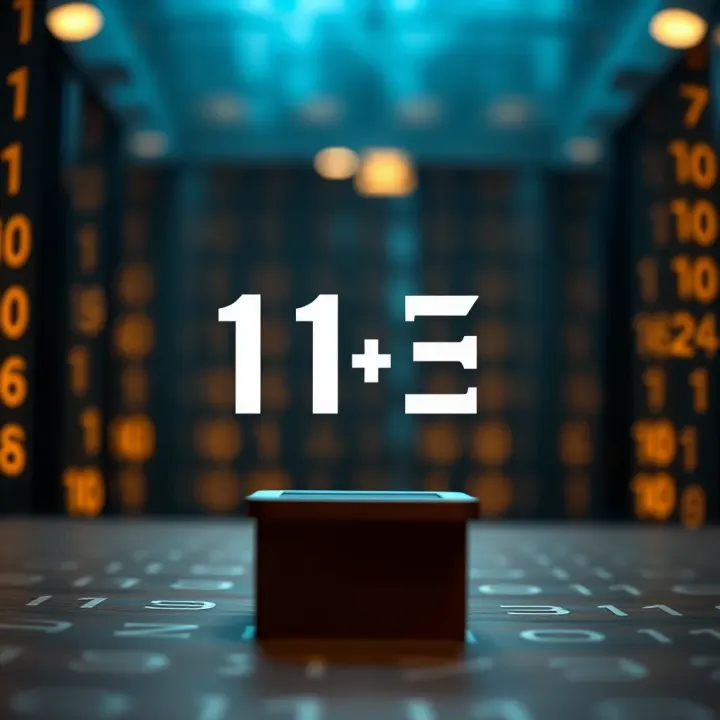
Adding 1 + 1 results in 10 (which equals 2 in decimal).
Other operations like subtraction, multiplication, and division also exist within binary but use different logic rules.
Understanding these basics clarifies how computers perform complex calculations effortlessly.
Grasping binary gives traders, investors, and analysts insight into the tech powering financial platforms, trading algorithms, and even blockchain protocols. It’s not just abstract maths—binary is the language that runs today's digital economy, including South Africa’s growing tech sector.
Understanding the basics of binary numbers lays the groundwork for grasping how computers function. Binary is the language computers use to process and store data, making it one of the most important concepts for anyone involved in trading, analysing, or working with digital systems. Without a solid sense of what binary is and why it matters, it's tough to appreciate how digital technology operates beneath the surface.
Binary is a numbering system that uses only two digits: 0 and 1. This contrasts with the decimal system that we're used to every day, which has ten digits (0 through 9). In binary, every digit represents a power of two, starting from the rightmost digit. For example, the binary number 1011 equals 1×2³ + 0×2² + 1×2¹ + 1×2⁰, which is 11 in decimal.
Having just two digits might seem limiting, but it’s ideal for digital electronics. Each position in the binary sequence corresponds to either an "off" (0) or "on" (1) state, which electronic circuits can easily detect and manage.
The decimal system uses base 10, reflecting our common counting approach with ten fingers. We read and write numbers in powers of ten, which feels natural but is harder to use directly in electronic devices. On the other hand, binary’s base-2 system aligns perfectly with electronic circuits that have two distinct states.
From a practical point of view, understanding this difference helps traders and analysts appreciate how data is structured in computers and networks. For instance, when analysing financial software or doing algorithmic trading, binary underpins everything happening on the screen, whether it’s a stock ticker or a chart.
Computers rely on components that can be clearly in one of two states—for example, a transistor being either on or off. This simplicity is vital because it reduces errors caused by noise or fluctuations in electrical signals. If a system tried to recognise multiple states (like a decimal system would suggest), it would be far more prone to mistakes.
This binary approach ensures reliability. Think of it like a traffic robot that only shows green or red lights; it avoids confusion and keeps traffic flowing smoothly. Similarly, binary simplifies computation, reduces hardware complexity, and enhances system stability, which is crucial in high-stakes financial environments where accuracy matters.
Electronic devices naturally use voltage levels to represent data. A higher voltage can represent a 1, and a lower or zero voltage can represent a 0. This makes recognising bits straightforward for circuits.
For example, your smartphone’s processor interprets millions of these voltage signals every second to perform complex tasks like running apps, processing market data, or streaming videos. The binary system’s simplicity means devices can be designed to detect these simple on/off signals quickly and efficiently, leading to faster processing speeds and lower power consumption.
In essence, binary numbers provide a direct bridge between human-readable data and the electronic signals that computers use, making them essential for the smooth operation of almost all modern technologies.

Binary numbers form the backbone of how modern technology processes and stores information. For traders, analysts, and educators alike, understanding this concept is key to grasping how digital data is managed behind the scenes, from financial modelling software to educational apps.
At the core of digital data lies the bit, short for "binary digit." A bit is the smallest unit of data and can hold a value of either 0 or 1. Think of it like a simple switch that’s either off or on, false or true. This simplicity makes bits extremely reliable for electronic devices, which detect signals as either low or high voltages.
On its own, a single bit carries limited information — just two possible states. However, when you group bits together, you create a byte, which usually consists of eight bits. This grouping allows for 256 different combinations (2 to the power of 8), which can represent anything from numbers to letters and symbols. Grouping in bytes is practical because it enables computers to handle more complex data, such as words or images, in manageable chunks.
One common challenge is translating from binary's on-off language into forms people can easily understand. The most straightforward way is converting binary numbers into decimal. For example, the binary sequence 00001010 corresponds to the decimal number 10. This conversion is essential because much of our daily data — from prices on the JSE to account balances in banking apps — relies on decimal notation.
Beyond numbers, binary codes also represent characters and symbols using systems like ASCII (American Standard Code for Information Interchange). Each character, whether a letter, digit, or punctuation mark, has a unique binary code. For example, the uppercase letter 'A' is represented by 01000001 in binary. This encoding allows computers to display text accurately and is the foundation for everything from emails to data entry forms.
Understanding bits and bytes, and how binary translates to human-friendly formats, is vital for anyone engaging with digital information. It clarifies how everyday tech handles data behind the scenes.
In summary, bits are the building blocks, bytes organise these blocks into workable pieces, and binary-to-decimal/character conversions bridge the gap between machine language and human communication. This knowledge is invaluable, whether you're analysing market trends, coding educational tools, or simply trying to demystify how your smartphone manages data.
Binary arithmetic and logical operations are fundamental to how computers process information. Since all data inside a machine is represented in binary, understanding how simple arithmetic and logic work with these two-state values (0s and 1s) is key for anyone interested in computing's core mechanics. These operations form the backbone of everything from basic calculation to complex decision-making in software and hardware.
Addition and subtraction in binary mirror decimal calculations but use only two digits: 0 and 1. When adding, the sum of 1 and 1 equals 10 in binary, which means you write 0 and carry 1 to the next higher bit. This carry-over process is similar to how we carry over a 1 when adding 9 and 1 in decimal. For subtraction, borrowing works similarly. Say you want to subtract 1 from 0 in a given bit, you borrow from the next bit to the left.
Understanding these processes is practical because it supports how processors perform calculations at a fundamental level. For example, when your laptop computes sums or handles data processing, these binary operations run behind the scenes rapidly and repeatedly.
Simple examples include:
Adding 101 (5 in decimal) and 110 (6 in decimal):
101
110 1011 (11 in decimal)
Subtracting 101 (5) from 111 (7):
  111
- 101
   010 (2 in decimal)
These calculations show how binary arithmetic directly translates into numerical outcomes used in all software.
Logic gates are the building blocks that allow computers to make decisions and control data flow based on certain conditions. The AND gate outputs 1 only if both inputs are 1. OR gives 1 if at least one input is 1, while NOT flips the input (0 becomes 1, and 1 becomes 0).
These simple gate functions become the digital equivalent of everyday "if-then" statements we use when making choices. For example, an AND gate can ensure a password is correct and the user has the right permissions before granting access.
At the heart of all computing devices, logic gates combine to form circuits that support everything from basic calculations to complex programs. They are arranged in layers and networks, enabling rapid processing of thousands of decisions every second. Without these gates, digital devices like your smartphone or the ATM would be unable to function.
Logic gates allow binary data to be evaluated and manipulated, letting computers "think" in the simplest terms.
In a nutshell, binary arithmetic and logical operations are where a computer's raw data turns into meaningful actions. For anyone investing in, analysing, or educating about technology, grasping these basics sheds light on what really happens inside the box — the silent yet powerful decisions made in bits and bytes.
Binary forms the bedrock of virtually all modern technologies, powering everything from your smartphone to the vast servers hosting financial markets. Understanding how binary operates in real-world applications helps clarify why this seemingly simple system remains indispensable.
At its core, computer memory and storage rely on binary states to represent vast amounts of information efficiently. Each bit, signifying a 0 or 1, combines into bytes and larger blocks, structuring data logically in devices like SSDs and RAM modules. This binary organisation enables computers to pinpoint specific data chunks quickly, which is critical in high-frequency trading platforms where milliseconds make a difference.
Consider how your trading software retrieves live market data: it taps into memory locations encoded in binary. The computer’s ability to access and process these binary sequences swiftly ensures smooth, real-time updates — vital for making timely investment decisions.
Behind every software tool lies code ultimately translated into binary commands the computer understands. High-level programming languages like Python or JavaScript compile into machine code made up of binary digits, instructing hardware to perform tasks from calculations to data encryption.
For stockbrokers using algorithmic trading bots, understanding that their algorithms run as binary instructions demystifies how complex decision-making boils down to simple on/off electrical signals. This clear link between programming syntax and binary hardware functions helps developers optimise code for speed and reliability—key for market analysis software dealing with vast datasets.
Binary underpins digital communication by encoding messages into sequences of 0s and 1s, which travel over networks as electronic pulses or light signals. For example, when receiving a price update via a mobile network, the data packets are tiny bundles of binary codes decoded by your device.
This binary encoding ensures efficient, fast transmission, critical for financial analysts who rely on uninterrupted, accurate data flow. Without it, delays or errors in information delivery could distort market views and strategies.
In any communication system, errors can creep in due to noise or interference. Binary codes incorporate checks, such as parity bits or cyclic redundancy checks (CRC), to spot and often correct these errors automatically.
For instance, a remote trader accessing a Johannesburg Exchange platform via fibre link benefits from these built-in error controls, ensuring the data they work with reflects true market conditions. This reliability adds confidence and security to sensitive transactions.
The magic of binary is in its simplicity — a world of zeros and ones expertly arranged to drive everything from data storage to seamless communication in the digital age.
Binary often gets boxed into the idea that it’s just about ones and zeros flitting around arbitrarily. This section clears that up and highlights why understanding these myths matters, especially if you deal with digital data regularly—whether in trading algorithms, data analytics, or educational settings.
Binary uses two distinct states, commonly called 1 and 0, but these represent physical realities rather than abstract digits. In electronics, a '1' usually corresponds to a high voltage level, while a '0' means low voltage. For instance, inside your computer or smartphone, tiny circuits detect these voltage levels to interpret data.
That said, it’s not just simple on/off signals. Devices use thresholds to distinguish noise from meaningful signals, ensuring reliability. In practice, this means the binary system is robust against wild fluctuations—a key reason why digital electronics work so well even with imperfect power supplies or environmental interference.
Binary goes far beyond just flipping between two symbols—it's the building block for practically all digital information. Complex data like images, audio, or financial records stand on layers of binary sequences.
Take a high-frequency trader’s system: streams of market data are encoded in binary, parsed, and processed in real time. Binary encoding helps compress massive datasets and enables quick calculations essential for split-second decisions. So, even intricate models boil down to combinations of these ones and zeros.
You may not write binary code daily, but knowing how binary functions offers practical benefits. For example, if you work with encrypted communications, understanding binary helps demystify how bits are manipulated to secure data.
Even outside IT, this knowledge sharpens your ability to grasp how digital devices behave, making it easier to troubleshoot issues or appreciate functionality. It’s like understanding the basics of cooking before trying exotic recipes; you don’t need to be a chef, but it helps.
Our lives revolve around phones, smart meters, banking apps, and online platforms—all powered by binary. When you comprehend the basics of this digital language, you better understand device limitations, data usage, and security features.
For instance, knowing how data is stored in binary explains why photos take up a certain amount of space or why certain file formats load faster. This insight can save you money on data contracts or help you make informed decisions about the devices you use.
Understanding binary is not just for coders and engineers; it’s a practical skill that enhances your grasp of the digital world around you.
Binary represents physical signals, not just abstract zeros and ones.
Complex data and high-speed computations rely heavily on binary encoding.
Learning binary helps with practical understanding beyond coding careers.
Everyday devices and services run on binary principles that affect performance and security.
Grasping these points gives you a clearer picture of how fundamental binary really is, well beyond the common myths.
Explore non-binary gender beyond male and female, including identities, rights, and respect in South Africa's diverse community 🌈🤝 Understanding matters here.

Explore Wilson equation binary parameters 🔬 to predict liquid mixture phases reliably. Learn methods, applications, and how it stacks against other models.

Convert 156 from decimal to binary with clear steps and simple tips 🧮. Understand the process, verify results, and gain confidence for practical digital uses 💻.
Learn how to convert fractional decimals to binary with clear steps, tips, and examples 🔢 Perfect for students and pros wanting deeper understanding.
Based on 8 reviews