

Understanding Risk Management Frameworks
Explore different risk management frameworks 🔍 Understand their purposes, key components, and how to pick the right one for your organisation’s needs in South Africa.
Edited By
Emily R. Thompson
Risk management is more than just spotting dangers; it's about actively reducing the impact threats can have on your business's cash flow and reputation. In South Africa, where economic shifts and operational challenges like loadshedding and fluctuating exchange rates are common, understanding risk management is vital for traders, investors, analysts, brokers, and educators.
At its core, risk management involves a continuous process: identifying possible risks, assessing their likelihood and potential harm, and finding ways to control or mitigate them. These risks range widely—from market fluctuations, credit risks, and cyber threats to compliance breaches under South African laws like the Protection of Personal Information Act (POPIA) and Financial Sector Conduct Authority (FSCA) regulations.
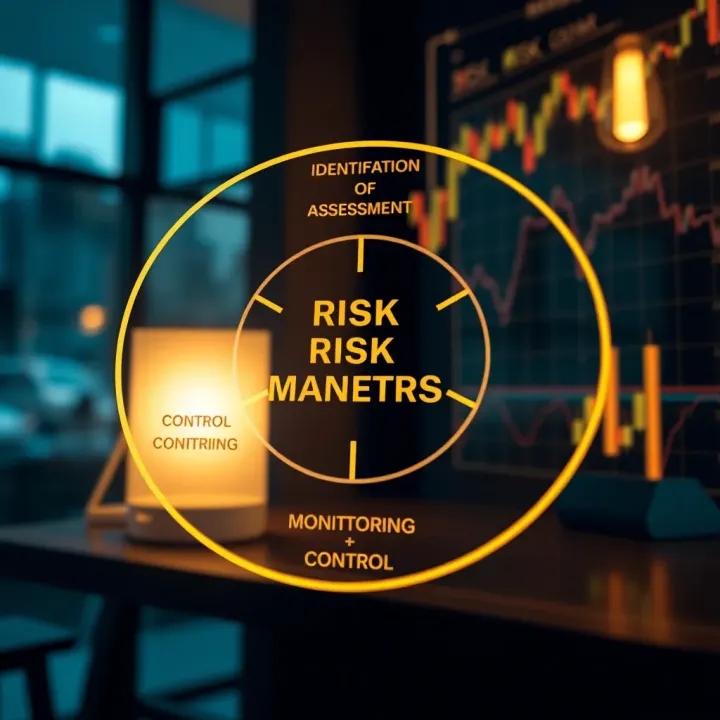
Effective risk management isn't about avoiding risk altogether, but making informed decisions that balance potential downsides with opportunities.
Common types of risks in South African businesses include:
Financial risks: Volatile currency rates (e.g., rand weakening against the dollar) affecting import/export costs.
Operational risks: Interruptions like Eskom loadshedding disrupting production or IT systems.
Regulatory risks: Non-compliance with bodies such as SARS or the FSCA that can lead to penalties.
Cybersecurity risks: Increasing threats targeting financial services and online platforms.
Practical approaches to managing these risks include adopting a clear risk policy that ties into your organisation’s goals, embedding a risk-aware culture, and employing tools like scenario analysis and risk registers. For instance, South African brokers might use real-time market data and stop-loss orders to limit exposure, while educators can include case studies on recent JSE market shocks to highlight risk scenarios.
To wrap up, understanding and addressing risk isn't a one-off job but an ongoing discipline. Starting with clear principles and applying practical, context-specific methods pays off, especially in our unique local environment where change happens fast.
This sets the scene for exploring core principles and hands-on strategies in more detail throughout this article.
Risk management lays the groundwork for any organisation aiming to safeguard its assets, reputation, and earnings. At its core, understanding the fundamentals means recognising potential threats before they cause damage and putting practical measures in place to handle them. For South African businesses, this is crucial due to varied challenges like loadshedding and shifting regulatory landscapes.
Risk in a business setting means any uncertainty that could affect a company's ability to achieve its goals. This includes financial losses, operational disruptions, legal penalties, or reputational harm. For example, a retailer in Johannesburg might face risks from fluctuating currency rates impacting import costs or sudden power cuts affecting sales. Recognising these risks helps the business prepare and respond effectively.
When risks go unchecked, the fallout can be severe. An example could be a manufacturing company overlooking machinery maintenance, leading to breakdowns and project delays. This results not only in direct financial loss but also in damaged client relationships and eroded market trust. Small businesses especially may find recovery difficult if they lack proper risk controls.
Identifying risks means spotting potential pitfalls relevant to the business environment, whether internal or external. Assessment involves analysing the likelihood and potential impact of these risks. Imagine a Gauteng-based logistics firm factoring in fuel price hikes and road closures when planning routes. This step prioritises which risks need urgent attention.
Treating risks involves deciding how best to manage them: avoid, reduce, accept, or transfer. Monitoring ensures the measures remain effective and adjustments happen as new risks emerge or conditions change. For instance, a financial services provider might use insurance to transfer credit risks while continuously tracking regulatory changes to prevent compliance issues.
Risk management isn’t a once-off task but a cycle of ongoing evaluation and refinement. Regular reviews help identify gaps and improve response strategies. A retail chain might use feedback from incidents like theft or supplier delays to bolster security protocols and supplier vetting. This continual learning keeps risk controls relevant and robust.
Effective risk management weaves itself into daily business thinking, fostering resilience and enabling smoother decision-making across all levels.
By focusing on these fundamentals, businesses build a sturdy platform to manage uncertainties confidently, protecting their position and helping them thrive amid South Africa’s unique challenges.
South African businesses face a unique mix of risks shaped by local economic, social, and regulatory conditions. Understanding these categories helps investors, analysts, and brokers anticipate challenges and make informed decisions. Focusing on pertinent risk types—financial, operational, compliance, environmental, and social—provides a clearer picture of vulnerabilities and management priorities.
The South African rand is notorious for volatility, heavily influenced by global markets, commodity prices, and domestic political developments. For traders and investors, sudden swings in the rand can erode returns or increase costs when dealing with imports, exports, or foreign debt. Interest rates, set partially in response to inflation and the Reserve Bank’s monetary policy, impact borrowing costs and investment valuations.
For instance, a sharp rise in interest rates can increase bond yields but reduce equity market appetite, altering portfolio strategies. Companies with foreign currency exposure need to hedge carefully to avoid unexpected currency losses, especially during volatile international conditions like trade tensions or commodity price shocks.
Credit risk involves the possibility that counterparties or customers fail to meet financial obligations. In South Africa, this risk is heightened by economic pressures such as unemployment and slow growth. Liquidity risk, on the other hand, relates to difficulties in accessing cash or converting assets to cash rapidly without significant loss.
Practical risks include a supplier defaulting on delivery due to cash flow issues or a borrower missing loan repayments. For businesses and investors, regularly monitoring creditworthiness and maintaining access to emergency funding lines are essential to avoid cash-flow crunches.
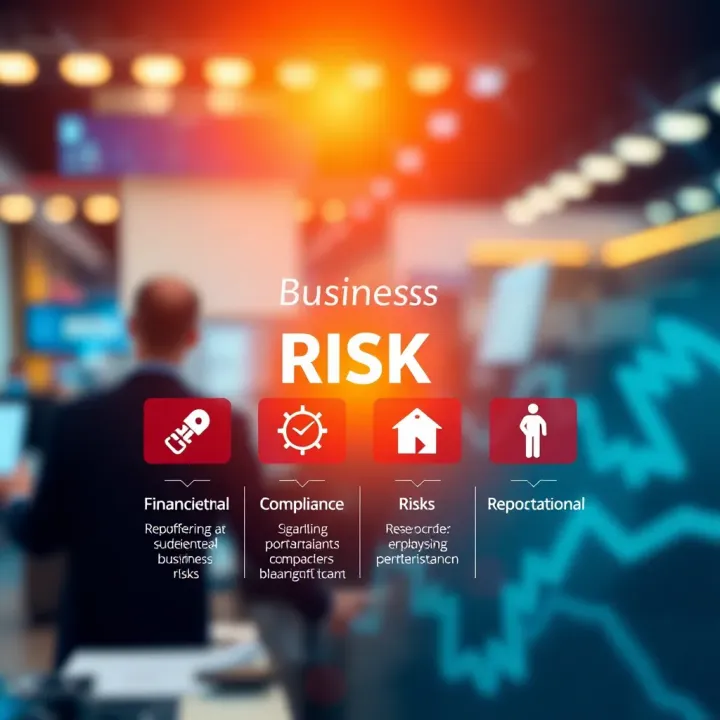
Operational risks stem from breakdowns in day-to-day business activities—anything from IT system failures to human errors and fraud. These risks can stall operations or result in losses and reputational damage.
An example would be a company’s payroll system glitch causing delayed payslips, which can disrupt employee morale. Regular audits and strong controls are key to mitigating these internal risks.
South African businesses must comply with legislation like the Protection of Personal Information Act (POPIA) and Financial Intelligence Centre Act (FICA). POPIA mandates the responsible handling of personal data, while FICA focuses on anti-money laundering and customer verification.
Non-compliance can lead to hefty fines and legal trouble. For brokers and financial service providers, ensuring client data security and conducting thorough identity checks are daily imperatives.
Loadshedding by Eskom remains a major challenge, disrupting operations and causing losses. Businesses reliant on continuous power supply must invest in backup solutions like generators or solar systems to stay afloat during outages.
Besides electricity, infrastructure issues such as poor road conditions or water supply disruptions can halt production or delay deliveries, affecting profitability and client trust.
Effective risk management means factoring in these realities, from investing in uninterrupted power supplies to adjusting supply chains for reliability.
Social risks include managing relationships with local communities, especially where businesses operate in sensitive or historically disadvantaged areas. Negative community interactions or missteps can spark protests, boycotts, or damage to brand reputation.
For example, mining companies may face pushback over environmental concerns, requiring clear communication and genuine engagement with stakeholders. Managing reputation is vital not only for social licence to operate but also to maintain investor confidence in the long run.
Navigating these risk categories demands vigilance and tailored responses reflecting South Africa’s particular circumstances. For those involved in trading, investment, or business analysis, recognising these risks guides smarter decisions and helps anticipate pitfalls in an unpredictable market.
Businesses aiming to manage risks effectively need clear strategies and techniques that apply well in real-world scenarios. These approaches aren't just theoretical — they’re practical steps that protect a company’s bottom line and reputation. For instance, a Johannesburg-based manufacturing firm might face daily operational risks, from supply chain hiccups to equipment failure. The right combination of risk avoidance, sharing, and technology helps such a business stay on course.
Choosing to avoid or accept a risk depends largely on the potential impact and likelihood of the risk occurring. If a risk could seriously disrupt operations or lead to significant losses, it’s wiser to avoid it altogether. Take, for example, a retail company exposed to volatile currency fluctuations. They might avoid sourcing stock from overseas suppliers during uncertain forex periods to limit exposure. Conversely, low-level risks with minimal effect on the business may be accepted to avoid over-complicating processes.
Controlling risks involves putting systems in place to reduce either the chance of a risk occurring or its severity. Control measures can be physical, like installing backup generators to handle loadshedding in Durban warehouses, or procedural, such as regular audits to ensure compliance with the Protection of Personal Information Act (POPIA). These controls don’t eliminate risk but aim to keep it within manageable limits, allowing businesses to operate without constant firefighting.
Insurance is a classic tool for transferring risk, shifting the financial burden to an insurer in case something goes wrong. South African businesses often rely on policies covering theft, fire, or liability. Similarly, contracts with suppliers or clients can assign responsibility for specific risks, clearly defining who handles what if a problem arises. This clarity prevents disputes and spreads out exposure.
Sometimes, teams outsource certain operations to specialists better equipped to handle certain risks. For example, instead of managing IT security in-house, a Cape Town tech startup might contract a cybersecurity firm with up-to-date expertise. Partnerships also help distribute risk; when two companies collaborate on a project, they usually share financial and operational risks, reducing the strain on either party if things go south.
Modern risk management relies heavily on technology such as software that consolidates data into dashboards offering a real-time view of risk exposure. South African financial institutions, for instance, use platforms that flag unusual transactions instantly, helping halt fraud before it escalates. These tools improve decision-making by providing immediate insights in one place.
Using data to predict trends and spot weak points is increasingly common. Businesses analyse past incidents, market trends, and customer behaviour to forecast potential challenges. A mining company might track commodity prices alongside operational data to anticipate financial risks, adjusting production or costs accordingly. Accurate forecasting sharpens a company’s ability to prepare rather than react.
Integrating effective risk strategies with practical tools allows organisations to protect their assets, comply with regulations, and maintain business continuity, especially against the backdrop of South Africa’s unique economic and infrastructure challenges.
Developing a risk-aware culture is key to managing risks effectively within any organisation. This means embedding risk awareness into everyday behaviour and decision-making, so it becomes second nature rather than an afterthought. For South African businesses facing challenges like loadshedding, volatile markets, and regulatory demands, having a workforce that understands and anticipates risk can prevent costly surprises and build resilience.
Senior management sets the tone for risk awareness across the whole organisation. When executives actively engage in risk discussions and make risk management a boardroom priority, it signals its importance to every employee. For instance, a CEO regularly reviewing risk dashboards or discussing emerging threats like cyberattacks demonstrates commitment. This involvement ensures risk is not left to compliance teams alone, but embedded in strategy and operations.
Without leadership attention, risk initiatives often lose steam or are viewed as bureaucratic burdens. Leaders must also allocate resources and hold managers accountable for identifying and mitigating risks relevant to their departments. It’s not just about ticking boxes but understanding the stakes and acting accordingly.
Clear roles and responsibilities for risk management at all levels prevent confusion and gaps. Each team or individual should know what risks they must watch and report on, and how their actions influence the bigger risk picture. For example, in a manufacturing firm, plant supervisors might focus on machinery safety risks, while finance managers handle credit and liquidity risks.
This clarity helps in quick decision-making and prevents the blame game when issues arise. Many South African companies formalise this using risk charters or job descriptions, specifying risk duties alongside regular tasks. Accountability frameworks and regular reporting cycles keep everyone honest and on track.
Risk awareness needs to spread beyond executives to every team member. Employees often face risks firsthand—be it cyber threats, supply delays, or safety hazards—so their vigilance is crucial. A retail chain, for example, might train cashiers to spot counterfeit notes or potential fraud attempts.
Communication channels like newsletters, intranet posts, or quick toolbox talks help keep risk top of mind. Sharing real-life examples of risk events and their impacts can make the concept tangible and relatable. When awareness rises, employees are more likely to speak up and take preventive actions.
Awareness alone isn’t enough; staff need practical training to recognise risks and respond appropriately. This could include scenario-based drills, workshops on new regulations like POPIA (Protection of Personal Information Act), or hands-on sessions with risk management software.
For instance, a logistics company operating under loadshedding conditions might train drivers and planners on contingency processes during power cuts. When employees know exactly what to do, the organisation’s overall risk exposure drops.
Building a risk-aware culture requires both visible leadership and active engagement from all staff members. It transforms risk management from a compliance task into a shared, everyday responsibility that keeps the organisation safe and agile.
In all, fostering risk awareness across leadership and teams equips South African businesses to handle their unique challenges better, from financial shocks to operational disruptions. Clear leadership, defined roles, ongoing communication, and targeted training are practical steps that make this culture stick.
Ensuring compliance and effective reporting is a vital pillar in managing risks, especially for businesses operating in South Africa's regulated environment. Compliance not only helps organisations avoid legal pitfalls but also maintains their reputation and operational continuity. Meanwhile, reporting keeps stakeholders informed, enabling timely decisions that mitigate risks effectively.
South African businesses must comply with a variety of laws that impact risk management, such as the Financial Intelligence Centre Act (FICA), the Protection of Personal Information Act (POPIA), and the Companies Act. These regulations demand robust processes to identify, monitor, and control risks linked to financial crime, data protection, and corporate governance.
For instance, FICA requires entities to verify client identities and report suspicious transactions, which directly influences how risks related to money laundering are managed. Similarly, adherence to POPIA mandates the safeguarding of personal data, pressing companies to implement strong data security measures to avoid heavy fines.
Regular audits and inspections are standard across many industries, particularly in finance, healthcare, and telecommunications sectors. Preparing for these checks involves maintaining clear documentation of risk controls, evidence of compliance, and up-to-date policies.
A practical example is banks preparing for Prudential Authority audits by ensuring that risk registers are complete and internal controls effective. Having an organised audit trail reduces the likelihood of penalties and demonstrates a commitment to compliant risk management.
Communicating risk information promptly and clearly to stakeholders, including board members, investors, and regulators, is crucial. Regular updates ensure that everyone understands the current risk posture and any emerging issues that might affect business operations or investments.
For instance, during periods of market volatility, traders and investors benefit from concise risk reports that outline exposures and hedging strategies. This transparency helps build trust and supports faster reaction to changing conditions.
Risk reports should do more than just provide data; they must present insights that drive practical decisions. Analytical reporting tools that highlight trends, anomalies, and potential risk hotspots empower management to act swiftly.
Take, for example, a retail company analysing supply chain risks through monthly reports showing vendor reliability and delivery delays. Armed with this information, management can diversify suppliers or negotiate terms to mitigate risks before they impact the bottom line.
Clear, consistent risk reporting and firm compliance not only protect organisations from penalties but also create a stronger foundation for smart, informed decision-making that keeps the business resilient.
In sum, ensuring compliance and solid reporting practices are non-negotiable elements of effective risk management in South African businesses. They provide a structured approach to meet legal expectations while keeping risk visibility front and centre at all times.
Explore different risk management frameworks 🔍 Understand their purposes, key components, and how to pick the right one for your organisation’s needs in South Africa.
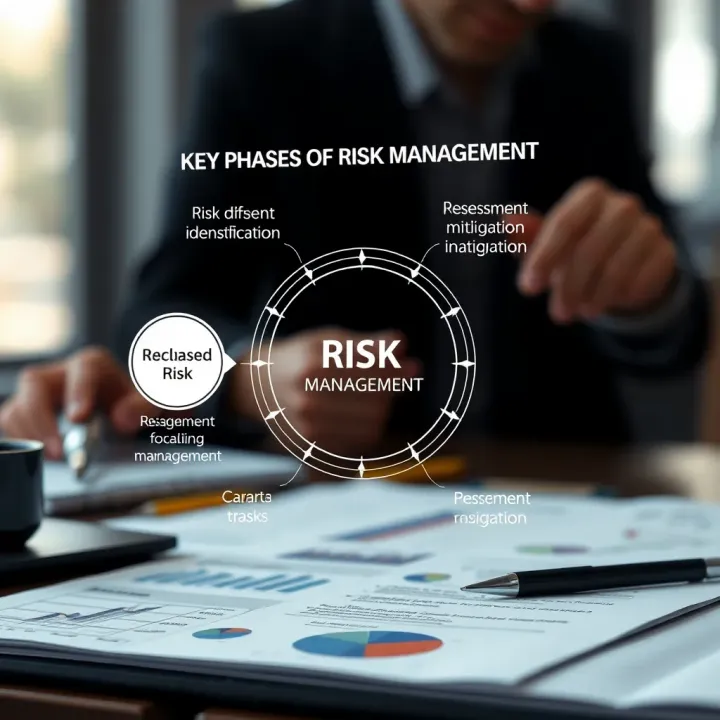
📊 Learn how to spot, evaluate, and manage risks confidently. A clear, practical guide with easy steps and real-world tips for smart risk handling.

📘 Learn enterprise risk management essentials and access trusted PDF guides tailored for South African businesses. Practical tips for local ERM success included.
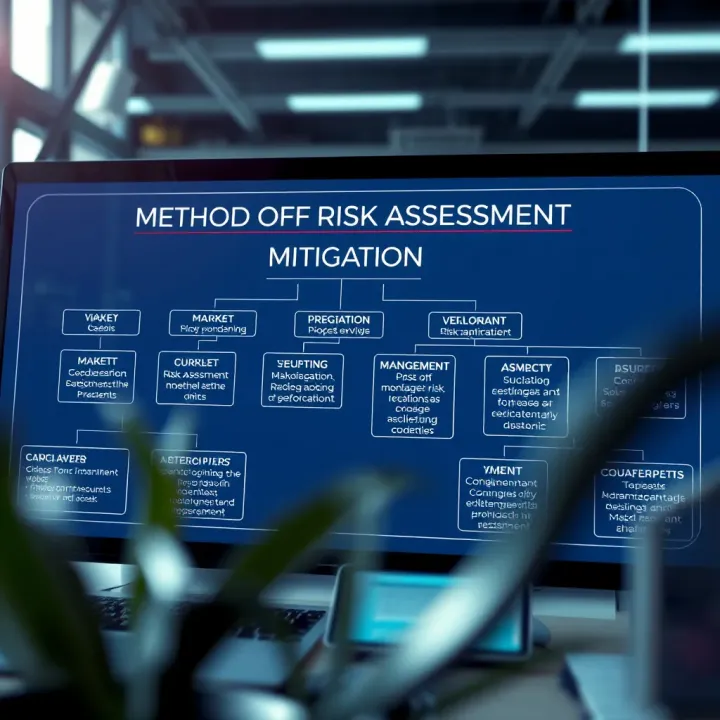
Discover why risk management matters in business and beyond 🔍. Learn how it safeguards organisations, supports smart decisions, and ensures lasting stability.
Based on 10 reviews