

Understanding Risk Management Frameworks
Explore different risk management frameworks 🔍 Understand their purposes, key components, and how to pick the right one for your organisation’s needs in South Africa.
Edited By
Isabella Clarke
Risk management frameworks are practical tools that help organisations identify, assess, and control risks in a structured way. These frameworks provide a clear road map for spotting potential threats—like financial losses, compliance breaches, or operational hiccups—and making sure they don’t spiral out of control.
For traders and investors, understanding a risk management framework means better protection against market volatility or sudden policy changes. Brokers and analysts, on the other hand, can use these frameworks to offer sound advice based on systematic risk evaluation. Educators can also benefit by demonstrating how businesses handle uncertainties using tested methods.

A typical risk management framework includes key components such as:
Risk Identification: Recognising risks relevant to the business or sector.
Risk Assessment: Measuring the likelihood and impact of those risks.
Risk Mitigation: Putting controls and strategies in place to reduce risk exposure.
Monitoring and Review: Regularly checking the effectiveness of risk controls and adapting when necessary.
In South Africa, well-structured risk management is increasingly vital given local challenges like loadshedding, exchange rate fluctuations, and regulatory shifts. Businesses that implement frameworks properly can avoid costly surprises and maintain smoother operations.
A good framework also sets out clear roles and responsibilities, ensuring everyone from management to operational staff understands how risk is managed on a daily basis.
Using a risk management framework PDF template offers a straightforward way to standardise this process. These templates often include practical checklists and forms, saving organisations time while encouraging consistency in reporting and review.
To make the most of these tools, firms should tailor the generic framework to their specific industry and size. For example, an investment firm will emphasise market and credit risks, whereas a manufacturing company might focus more on supply chain and safety risks.
Simply having a framework isn’t enough; it needs to be maintained and updated regularly. External factors like changes in legislation or South Africa’s economic landscape require businesses to revisit their risk assessments and controls to stay ahead.
This article will equip you with practical steps, examples, and useful PDF resources to help you confidently apply a risk management framework in your organisation or professional role.
A risk management framework (RMF) is essentially a structured approach organisations use to manage uncertainties that could impact their objectives. It sets out clear processes for identifying, assessing, and addressing risks, ensuring that decisions are grounded in an understanding of potential threats and opportunities. This framework is particularly relevant for traders, investors, analysts, brokers, and educators, as it helps transform risk from a vague concern into something manageable and measurable.
Consider a financial services firm in Johannesburg preparing for market volatility. Without a clear framework, they might respond reactively to sudden changes, risking financial loss and reputational damage. By contrast, a well-designed RMF enables them to anticipate likely risks—like fluctuating currency rates or regulatory shifts—and coordinate responses in a timely way. This proactive stance not only protects capital but also builds confidence among stakeholders and clients.
Risk management is the process of identifying potential risks and deciding how to deal with them to protect an organisation’s assets, reputation, and objectives. Its purpose goes beyond avoiding harm; it’s also about finding a balance between taking opportunities and guarding against downside. For example, a broker entering a new market might recognise the opportunity to expand but must weigh that against regulatory hurdles and local economic conditions. Without managing these risks deliberately, the chance of costly mistakes rises.
Risk identification involves spotting any possible threats that could affect your organisation. This step is practical and hands-on—by gathering insights from different departments, monitoring industry news, or analysing past incidents, a company can compile a comprehensive list of risks. For instance, a retail business in Cape Town might identify risks tied to load shedding disruptions, theft, or supply chain delays due to local infrastructure issues. Pinpointing risks early means you’re not caught flat-footed.
Once risks are identified, assessing their potential impact and likelihood helps prioritise which ones deserve attention. Risk assessment isn’t guesswork; it uses concrete data like historical losses, market trends, and expert judgement to estimate how likely a risk is and what damage it could cause. Imagine an investment analyst evaluating the threat of a sudden rand depreciation; by estimating financial exposure and timing, they can advise clients on whether to hedge currency risk.
Mitigation involves developing strategies to reduce the chance or impact of identified risks. This can range from taking out insurance to diversifying investments or tightening operational controls. For example, a company exposed to credit risk might set stricter client payment terms or demand upfront deposits. Mitigation makes risk manageable rather than eliminated—it’s about finding workable solutions that fit the organisation’s risk appetite.
Risks evolve, so continuous monitoring is critical. Regularly reviewing the framework and updating it to reflect new information ensures controls remain effective. Consider a fund manager who regularly tracks market changes and regulatory updates to adjust their risk framework accordingly. Monitoring might include dashboards with key risk indicators (KRIs) and monthly risk committee meetings. This ongoing vigilance helps an organisation catch early warning signs and respond swiftly.
A risk management framework turns risk from a guessing game into a disciplined process by setting clear steps to recognise, assess, mitigate, and monitor risks over time. It’s a practical tool that gives you control and clarity, especially when markets and regulations shift unexpectedly.
By understanding these core elements, you position yourself and your organisation to manage uncertainty more confidently, protect value, and seize growth opportunities without unnecessary exposure to loss.
Having a risk management framework in PDF format offers clear advantages for organisations aiming to standardise their approach to identifying and managing risks. A well-structured PDF acts as a reliable reference that can be shared, reviewed, and updated without losing formatting across devices. This practical format helps teams stay aligned on processes and responsibilities, particularly in sectors where documentation rigor matters, such as financial services or manufacturing.
A structured framework document ensures that everyone goes about risk management in the same way. Rather than each department or team using their own methods, the organisation follows a unified approach, keeping things consistent. This means risks get identified and assessed using similar criteria, making it easier to compare results and spot trends over time.
For example, a retailer experiencing stock losses could apply the same risk assessment process across stores in Gauteng and the Western Cape. The consistent method helps the head office analyse data without confusion, leading to better decisions about security investments or supplier assessments.
When roles and responsibilities are clearly laid out in the framework document, there’s less chance of confusion or overlaps. Everyone knows their part in the risk management process—from who flags emerging risks to who takes action or reports to senior management.
In South African firms, this clarity is vital when dealing with regulations like the Protection of Personal Information Act (POPIA). Responsible individuals must be easily identifiable to ensure compliance. Without a clear document, tasks might fall between the cracks, exposing the company to penalties.

A well-drafted framework in PDF format helps teams communicate risk matters clearly and precisely. When everyone works off the same document, risk updates, mitigation plans, and review schedules become easier to discuss and track.
During audits or board meetings, having the framework on hand means stakeholders can reference exactly what steps were agreed on. This cuts down on miscommunication and fosters transparency, both essential for sound governance.
PDF files are easy to share and can be opened on most devices without special software. This portability is helpful for South African businesses with multiple branches or remote teams, especially where internet connections may vary in speed.
For instance, a risk manager can email the latest framework update to branch managers in a rural Eastern Cape town who open it on mobile devices. That way, all locations remain informed despite infrastructure challenges.
Updating a risk management framework is inevitable as regulations, technologies, or business risks evolve. PDFs preserve formatting and can be version-controlled, ensuring everyone accesses the most current document.
Consistent font styles, headings, and tables prevent misinterpretation that might arise from altered layouts in other document types. This stability is essential when presenting the framework to auditors or regulators.
Framework PDFs serve as training tools by providing a tangible, easy-to-follow guide for new staff or teams getting acquainted with risk procedures. Embedding the framework in induction sessions or refresher courses helps build a risk-conscious culture.
For example, financial institutions often circulate risk framework PDFs during compliance workshops to ensure everyone understands how to spot suspicious transactions or data breaches. This practical approach enhances awareness and reduces the chance of oversight.
In short, a risk management framework in PDF form combines clarity, consistency, and practicality—a trio that supports effective risk control and compliance across South African businesses.
Implementing a risk management framework isn't just ticking boxes, it’s about creating a dynamic system tailored to your organisation’s unique challenges and goals. Getting this right means you can spot risks early, allocate resources wisely, and ensure everyone involved knows their part. Here’s a close look at the practical steps you need to follow.
Understanding your organisation’s risk environment means taking stock of all the elements that might throw a spanner in the works. Internally, this could include your company culture, available skills, technology infrastructure, and financial health. Externally, factors such as market volatility, regulatory changes in South Africa (like POPIA compliance demands), or even Eskom’s loadshedding schedules can drastically affect risk.
For instance, a small manufacturing business in Gauteng might see equipment breakdown as a key internal risk, but also need to prepare for frequent power cuts outside their control. This comprehensive assessment helps prioritise risks that need urgent mitigation.
Risk management isn’t a top-down exercise. Engaging various stakeholders—employees, suppliers, customers, and even regulators—offers differing perspectives that sharpen your understanding. For example, the finance team might flag credit risk, while operational staff spot safety concerns.
Involving stakeholders early encourages buy-in and ensures the framework captures real-world challenges. This participation also helps assign clear responsibilities, reducing blame games when risks materialise.
No two organisations face the exact same risks. Customising your framework starts with identifying the categories that matter most to your operation. Typical categories include financial, operational, compliance, reputational, and strategic risks. For South African companies, adding risks linked to load shedding, labour unrest, or FX volatility might be necessary.
Prioritising relevant categories lets your team channel efforts effectively. A fintech startup, for example, would focus heavily on cyber risks, while a retail chain would zero in on supply chain and consumer data risks.
Setting out how much risk your organisation is willing to accept — the risk appetite — shapes everything. It guides decision-making and balances caution with opportunity. Meanwhile, risk tolerance defines thresholds that trigger action.
Say a stockbroker accepts moderate market risk to generate returns but has low tolerance for compliance breaches. Knowing these limits upfront prevents overexposure and adds clarity to risk responses.
A framework sitting on a shelf won’t cut it. Embedding risk practices means weaving risk assessments, reporting, and controls into everyday work. For example, regular risk reviews during team meetings or integrating risk checks into procurement processes.
It builds a culture where everyone feels responsible for spotting risks, rather than delegating it solely to risk managers. This frontline involvement leads to faster identification and resolution.
Technology helps turn theory into action by automating risk tracking and reporting. Tools like risk registers, incident management software, or dashboards tailored to South African regulations (think POPIA data breach trackers) streamline processes and improve visibility.
For instance, an asset management firm might use cloud-based platforms to flag investment risks in real-time, allowing faster intervention. Choosing the right tools also supports audit trails and compliance, reducing risks of regulatory penalties.
Clear assessment, customisation, and integration make the difference between a framework that's just paperwork and one that genuinely protects your organisation and supports growth.
Following these key steps will position your organisation to handle risks confidently, balancing protection and opportunity in the South African business landscape.
Risk management frameworks must reflect the unique demands of South African business environments to be genuinely effective. Tailoring these frameworks ensures that companies are not only compliant with local laws but also resilient against homegrown risks like loadshedding and economic fluctuations. For traders, analysts, and investors, custom frameworks make risk controls more relevant and actionable.
South African businesses must align their risk management frameworks with the Protection of Personal Information Act (POPIA) and the Financial Intelligence Centre Act (FICA). POPIA requires strict handling and protection of personal data, meaning framework processes should include controls around data access, storage, and sharing. For example, a financial services firm handling client information must embed POPIA compliance mechanisms to prevent data leaks or unauthorised access, mitigating reputational and regulatory risk.
FICA compels businesses, especially in finance sectors, to implement measures preventing money laundering and financing of terrorism. This demand translates into procedures for thorough client verification and suspicious transaction reporting, which should be woven into risk identification and monitoring. Failure to comply can lead to heavy fines or even loss of licences, impacting business operations directly.
Different sectors in South Africa face distinct regulatory and operational risks requiring bespoke approaches in their frameworks. The mining industry, for instance, must prioritise occupational health and safety risks as mandated by the Mine Health and Safety Act. Their risk controls and audits have to reflect frequent site inspections and strict incident tracking.
Meanwhile, retail businesses may focus more on supply chain risks affected by logistical disruptions, such as transport strikes or municipal issues. Retailers must tailor their risk assessments to anticipate delays and stock shortages, integrating those concerns into their mitigation strategies. Recognising these sector-specific nuances helps organisations make their frameworks practical and aligned with actual business challenges.
Loadshedding remains a significant risk for almost all South African enterprises. It disrupts production lines, IT systems, and client services, amplifying operational risk. Companies without alternative power solutions find themselves vulnerable to data loss, missed deadlines, and customer dissatisfaction.
Incorporating loadshedding into a risk framework involves identifying critical processes impacted by power outages and defining contingency plans such as installing inverters, UPS systems, or shifting to cloud-based operations. Firms that plan ahead can reduce downtime and manage stakeholder expectations realistically, which improves overall resilience.
South African businesses often juggle risk control with the need to grow in a competitive and shifting economy. For example, small businesses seeking expansion in Gauteng’s tech sector must take calculated risks—such as investing in new digital infrastructure—while guarding against cyber threats and data breaches.
An effective risk framework supports growth by outlining tolerances and thresholds that enable informed decision-making. Instead of stifling opportunities, it acts as a guide to balance potential rewards with acceptable risks. This approach fosters innovation with a safety net, essential for businesses navigating economic uncertainties.
Tailoring risk management frameworks to local regulations, economic realities, and sector specifics is key to protecting and growing South African businesses sustainably.
Keeping your risk management framework up to date is critical for it to remain effective in managing today’s risks. As the business environment shifts with new regulations, market changes, or even operational challenges like loadshedding, overlooking regular maintenance may leave you exposed to unnoticed threats. This section breaks down the practical elements involved in reviewing and maintaining these frameworks to ensure they stay relevant and actionable.
KRIs are measurable values that give you early warnings about potential risks before they impact your business significantly. For example, a sudden spike in customer complaints or delays in supplier deliveries might flag worsening service quality, indicating operational risks. Tracking KRIs consistently allows traders or analysts to gauge performance against risk appetite and spot trends quickly.
In practical terms, KRIs should be tailored to what matters most for your organisation and updated as priorities shift. For instance, a brokerage might track market volatility indices or client fund movements as critical indicators, while an educator might focus on regulatory compliance breaches. Your risk framework PDF template should include clear fields for recording and reviewing these indicators regularly.
An effective incident reporting system captures unexpected events or near misses, giving you a snapshot of how well your risk controls are working. If a trading system glitch causes transaction delays, reporting this promptly helps pinpoint weaknesses and prevents recurrence.
It's essential for incident reporting to be straightforward and accessible so employees across departments are encouraged to report without hesitation. South African businesses can benefit from centralised reporting platforms where input is tracked and analysed, supporting transparency and fostering a culture where risk awareness is part of everyday practice.
Risk landscapes evolve quickly. The emergence of new regulations like updates to POPIA or economic shifts such as fluctuating Rand exchange rates can introduce fresh risks. Your framework must adapt by first identifying these new threats through ongoing environmental scans and stakeholder feedback.
For example, a sudden policy change affecting foreign investment will require the finance team to reassess country risk levels immediately. Updating your framework involves revising risk categories, controls, and response plans accordingly—avoiding one-size-fits-all approaches.
Maintaining a static risk framework can render it obsolete. Continuous improvement means learning from past incidents, industry developments, and technological advances to refine risk management processes continually.
A South African business, for instance, might integrate lessons from Eskom’s loadshedding schedules to improve contingency planning. Regular workshops or refresher training based on real case studies make risk awareness stick and help embed a proactive approach throughout the organisation.
Regular maintenance and review turn your risk management framework from a dusty document into a living tool. It keeps you alert to emerging threats and sharpens your response — essential in today’s unpredictable markets.
Adopting these practices enables businesses and professionals—traders, investors, brokers, and educators alike—to stay ahead of risks in a practical, manageable way.
Explore different risk management frameworks 🔍 Understand their purposes, key components, and how to pick the right one for your organisation’s needs in South Africa.

📘 Learn enterprise risk management essentials and access trusted PDF guides tailored for South African businesses. Practical tips for local ERM success included.
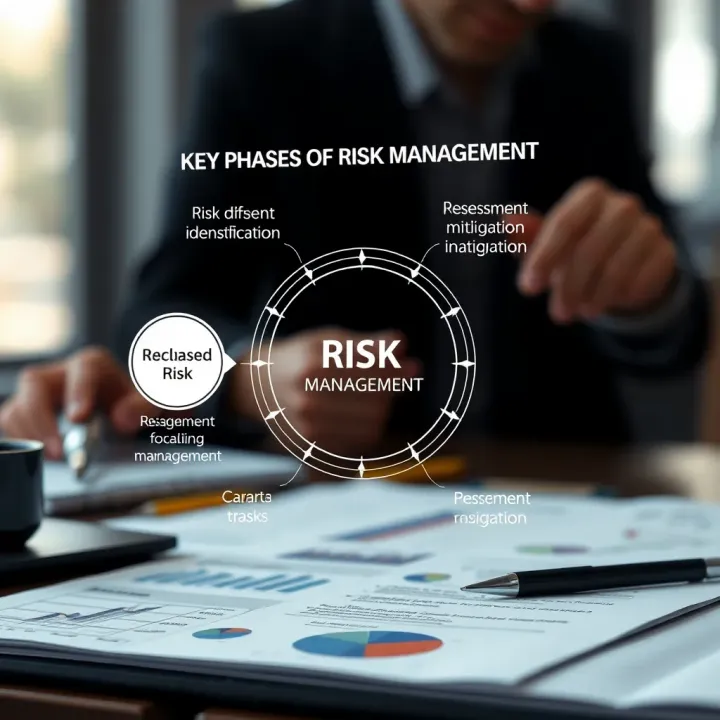
📊 Learn how to spot, evaluate, and manage risks confidently. A clear, practical guide with easy steps and real-world tips for smart risk handling.

📊 Explore risk management principles and practical steps tailored for South African businesses. Learn how to identify, assess, and control risks effectively.
Based on 13 reviews