

Why Binary Options Are Risky for Investors
Explore why binary options are risky💸, how they work⚙️, and the ethical issues⚖️. Learn why many South African investors avoid them.
Edited By
Isabella J. Murray
Binary options have caught the eye of many South African traders looking for quick returns, but the question lingers: are they a genuine chance to grow your money or just a clever scam? Unlike traditional investments, binary options are a type of financial contract where you bet on whether an asset will be above or below a certain price after a set time. The simplicity and speed make them attractive, but they also come with serious pitfalls.
In South Africa, the appeal of binary options surged despite warnings from regulators like the Financial Sector Conduct Authority (FSCA). Many unlicensed platforms target local traders, promising high payouts with minimal effort. Instead, these platforms often mislead users, delay or block withdrawals, or vanish altogether, leaving investors high and dry.
It's worth noting: not every binary options platform is a scam, but the sector is rife with dubious operators leveraging low entry barriers and aggressive marketing.
Understanding how to spot a trustworthy platform is essential. Reliable brokers will be registered with the FSCA or an equivalent reputable regulator abroad, provide clear terms and conditions, and offer transparent pricing without hidden fees. In contrast, scams typically pressure you to deposit large sums quickly, offer unrealistic profit guarantees, or operate anonymously without verifiable contact details.
To get a clearer picture, consider these practical points:
Check regulatory status: Always verify if the platform is legally registered to operate in South Africa.
Assess payment methods: Genuine brokers offer secure deposit and withdrawal options, often including local bank transfers.
Review platform transparency: Trusted operators provide detailed information about risks and trading mechanics upfront.
As competitive as binary options can be, the risk of losing your capital is high, especially if you don’t fully understand the product or fall for scams. That said, with proper caution and education, some investors use binary options as part of a broader trading strategy, employing risk management tools and testing on demo accounts.
In this article, we will go beyond the hype to dissect the binary options landscape in South Africa, spotlight key red flags, and equip you with the knowledge to trade—or stay clear—smartly.
Grasping what binary options are and how the trading works is key to knowing whether they suit your investment style or not. Binary options simplify the traditional buy-and-sell approach into a win-or-lose proposition over a short time frame, often appealing but also risky if misunderstood.
Binary options are financial instruments that let investors predict whether the price of an asset will go up or down within a specific time window. Unlike traditional trading, you don't buy the asset itself — instead, you buy a yes/no contract. For example, if you think the price of gold will rise above R30,000 within an hour, you purchase the "call" option; if you think it will fall, you buy the "put" option. The payout is fixed if you’re right, but you lose your investment if you’re wrong.
Think of it like betting on whether the robot at the traffic light will turn green within two minutes. The prediction is simple, but the outcome is binary — either it happens, or it doesn’t.
Trading binary options involves choosing an asset, deciding the direction of price movement, and selecting an expiry time, which can range from 60 seconds to several days. Once you place your trade, the broker locks in the potential payout and risk. If your prediction aligns with the actual outcome at expiry, you receive a predetermined return — often between 70% and 90% of your stake.
For instance, say you invest R1,000 on a binary option that the JSE Top 40 index will increase within 15 minutes. If correct, you may get back your R1,000 plus around R750 profit. If wrong, you lose the entire R1,000.
Keep in mind, the simplicity can be deceptive: fast expiry times and all-or-nothing outcomes make it easy to lose money quickly. That said, understanding this straightforward mechanism helps in assessing the risks and avoids common pitfalls.
Binary options trading is essentially about making a call on price direction within a set time; its appeal lies in simplicity, but it requires prudence to manage risk.
Understanding these basics helps distinguish between legitimate trading and scams promising unrealistic returns. For South African investors, this knowledge is vital before engaging with any platform amid a mix of genuine offerings and fraud risks.
Recognising signs of scams in the binary options market is vital for traders eager to protect their investments. With stories emerging daily about South Africans losing money to shady schemes, understanding these warning signals can save you from falling into a costly trap. Spotting red flags early helps differentiate between a genuine platform and one designed to take your hard-earned rand.
One major red flag is the promise of guaranteed high returns with little or no risk. No investment, including binary options, can assure consistent profits without the chance of losing money. Scammers often bait gullible investors with offers like "earn 90% returns in 60 seconds" or "risk-free trading with guaranteed profits". These claims ignore the fact that markets fluctuate wildly and even experienced traders face losses. A legitimate broker will always highlight risks and avoid unrealistic guarantees.
For example, a South African trader offered R50,000 to trade binary options on a platform claiming "sure-fire daily wins" ended up losing the entire amount within weeks. The platform vanished soon after, leaving no contact or support.
Scam operators frequently use pressure tactics to rush decisions. They might call you out of the blue, share urgent-sounding promotions, or push you to deposit large sums quickly. Phrases like "act now or miss out" or "this special offer expires soon" are designed to overwhelm your judgement. Legitimate brokers respect your time and decision-making process, never forcing you into immediate commitments.
Another trick involves unsolicited WhatsApp or email messages promising insider tips or signals for guaranteed wins. These often lead to fake platforms or fraudulent apps. If you receive aggressive, persistent outreach, it’s wise to pause and verify before proceeding.
A trustworthy platform will provide clear information about its ownership, physical location, regulatory licences, and how trades work. Scams tend to hide these details or present vague, inconsistent information. If the website lacks a verifiable address or the contact details don’t work, it raises serious doubts.
Also, poor communication is common in scams. You might struggle to get clear answers to questions or find customer service slow and unhelpful. When complaints pile up on forums or review sites about being ignored or having withdrawals blocked, it’s a strong warning sign.
Always ask yourself: "Can I easily verify this broker’s credentials and get straightforward answers?" If not, step back.
By paying close attention to these signs—empty promises, pushy sales tactics, and opacity—you can limit exposure to fraudulent binary options schemes. Staying informed means you’re less likely to get caught out by scammers pretending to offer an easy path to quick cash.
In South Africa, recognising legitimate binary options trading platforms is key to avoiding scams and making informed investment decisions. Legitimate platforms operate transparently, comply with local regulations, and provide users with clear terms. This ensures traders can engage with confidence, knowing their funds and personal data are better protected.
The Financial Sector Conduct Authority (FSCA) regulates financial services in South Africa, including certain aspects of binary options trading. While binary options themselves face strict scrutiny and tight regulations, any platform offering these products should be registered with the FSCA or operate under a recognised foreign regulatory body. This oversight helps protect investors from fraudulent operators and ensures brokers follow fair trading practices.
It’s worth noting that the FSCA often warns consumers about unregulated binary options providers. These firms typically operate without oversight, exposing traders to high risks. Therefore, checking FSCA listings and warnings is a practical first step before committing to any platform.
When choosing a binary options broker, several criteria can help pinpoint legitimacy:
FSCA or Comparable Licensing: The broker should hold a valid licence from the FSCA or a respected international regulator like CySEC (Cyprus Securities and Exchange Commission).
Transparent Trading Conditions: Clear information on fees, terms, payout rates, and withdrawal policies should be readily available.
User-Friendly Platform: Established brokers invest in secure, well-designed trading platforms with useful features like demo accounts and educational tools.
Customer Support: Reliable channels of communication with quick responses indicate a broker’s commitment to service.
Positive Reviews and Testimonials: Feedback from real users on independent forums or consumer protection sites can reveal trustworthy brokers.
Avoid signs such as unrealistic profit promises, aggressive marketing, and poorly documented terms.
In the South African context, platforms like IG Group and Nadex are frequently cited for their regulatory compliance and transparent operations. While they primarily offer classic options and CFDs, they also provide binary options under strict regulatory frameworks.
International platforms such as IQ Option and Binary.com also hold licences from well-regarded bodies like CySEC, but South African users must verify whether they comply with local laws for their specific trading activities.
Always cross-check broker licences with regulators’ official registers. A quick call or email to the FSCA can clarify a broker’s registration status.
Selecting a reputable platform reduces the risk of losing money to scams and helps you trade more confidently in the binary options space. Taking the time to vet brokers carefully pays off in the long run, especially when dealing with high-risk investments like these.
Trading binary options carries a number of inherent risks that every trader should understand before putting their money on the line. Unlike traditional investments, binary options require predicting market movements over very short time frames, which makes market behaviour highly unpredictable. These risks can lead not only to missed opportunities but also substantial financial losses, especially if one approaches trading without sufficient knowledge.
Binary options trading depends heavily on short-term market movements, which are often influenced by sudden news, economic indicators, or even unexpected local events. For example, a sudden announcement on interest rate changes by the South African Reserve Bank (SARB) or political developments can cause rapid price swings that are hard to forecast accurately. Traders might predict a rise in the rand against the US dollar, only to see the currency tank moments later due to geopolitical tensions or commodity price shifts.
This volatility makes it difficult to rely on technical charts or past trends alone. Unlike investing in a blue-chip stock or property where value tends to move gradually, binary options are a bit like betting on a bull or bear fight happening in a minute or two. Such unpredictability requires disciplined risk management, otherwise, even experienced traders might find themselves on the wrong side of the trade quickly.
The all-or-nothing payout structure of binary options means losses can accumulate fast. A wrong call usually results in the total stake being lost. For instance, if you invest R1,000 expecting the price of gold to rise within 10 minutes and it falls instead, you lose your entire R1,000. As these trades are often placed in quick succession, losses can pile up before a trader realises.
This risk is magnified when traders use borrowed money or invest amounts beyond their means. In South Africa, while some may be tempted to chase quick profits, the reality is many end up draining their savings. It’s not uncommon for inexperienced traders to feel the pressure after consecutive losses and double down, which only worsens their financial position.
Keep this in mind: Binary options are not like traditional shares or bonds. The simplicity of predicting an upward or downward movement masks underlying complexity and high risk. Effective money management and a strong understanding of market conditions are vital to avoid severe losses.
Understanding these risks will help you approach binary options with eyes wide open. Treat this more as a high-risk speculative activity rather than a steady investment. In the next sections, we will discuss how to trade safely and avoid common pitfalls linked to scams and unreliable platforms.
Trading binary options can be tempting with the promise of quick profits, but it’s easy to fall prey to scams or make costly mistakes if you’re not careful. These tips aim to help you navigate the market safely, keeping your money protected and your expectations grounded.
Start by thoroughly researching any binary options platform before investing. Look beyond flashy websites and marketing; check if the broker holds a valid licence from South African financial authorities like the Financial Sector Conduct Authority (FSCA). For instance, a legitimate platform will be transparent about its regulatory status and offer clear contact details. You can ask for proof of licence or testimonials from actual traders—not just glowing reviews on social media, which can be bought or fake. Doing your homework means you won’t be caught off guard when things don’t go as promised.
When in doubt, consult official sources. The FSCA is the watchdog that regulates and monitors financial services, including binary options brokers. They offer guidance on safe investing practices and maintain lists of authorised and banned entities. Contacting them can help you avoid unlicensed brokers, which are common culprits behind scams. Additionally, professional financial advisors registered in South Africa can offer tailored advice that accounts for your financial situation. Don’t ignore the value of expert input—especially when faced with pressure to make fast decisions.
Binary options are high risk, so it's crucial to manage both your expectations and the money you put in. Never invest money you can’t afford to lose. Treat binary options like a speculative tool rather than a steady income source. For example, if you’re starting with R1,000, it’s wiser to limit your trades to small amounts, say R50 or R100 each, rather than risking large sums upfront. Also, keep in mind that no one can guarantee high returns; if a broker claims otherwise, it’s probably a red flag. Setting realistic goals keeps you sane and in control when markets get unpredictable.
A cautious, informed approach paved with research and guidance is your best defence against falling into binary options traps.
Taking these steps helps you trade smarter and reduces the chance of losing money to scams or bad decisions. Remember, it’s about playing the long game, not rushing into promises that sound too good to be true.
Explore why binary options are risky💸, how they work⚙️, and the ethical issues⚖️. Learn why many South African investors avoid them.
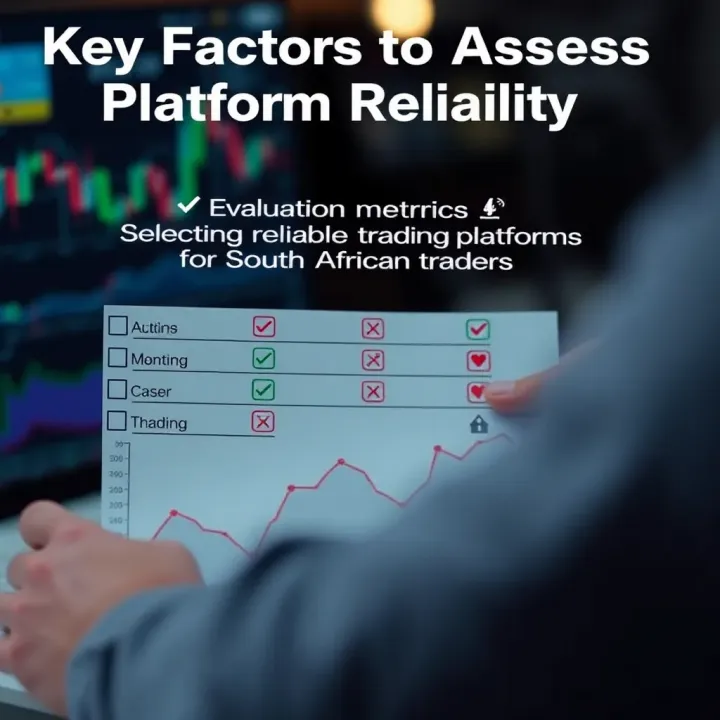
Explore binary options trading in South Africa 🇿🇦. Get expert tips on choosing reliable platforms, understanding risks, and protecting yourR to trade smarter! 📈

📈 Understand how binary options indicators claim 95% accuracy and their true reliability. Get practical tips for South African traders to improve trading strategies and avoid common pitfalls.

📈 Discover the best times to trade binary options in South Africa by understanding global market hours, local economic factors, and key sessions for smarter trades.
Based on 15 reviews