

Understanding Forex Trading Groups and Their Benefits
📈 Discover how forex trading groups operate in South Africa, their benefits for sharing market tips, strategies, and risks to watch out for in the forex world.
Edited By
Sophie Langley
Automated forex trading robots are computer programmes designed to trade currencies without constant human intervention. In essence, they follow pre-set strategies to buy and sell based on market conditions, aiming to take advantage of price fluctuations. These tools have gained traction in South Africa and beyond, especially among traders who want to reduce the time spent glued to screens.
At their core, forex robots use algorithms to analyse charts, indicators, and historical data. Unlike traditional manual trading, robots can monitor multiple currency pairs and execute orders quickly, often within milliseconds. For instance, a robot might detect a short-term trend in the EUR/USD pair and trigger a buy before a human could react.
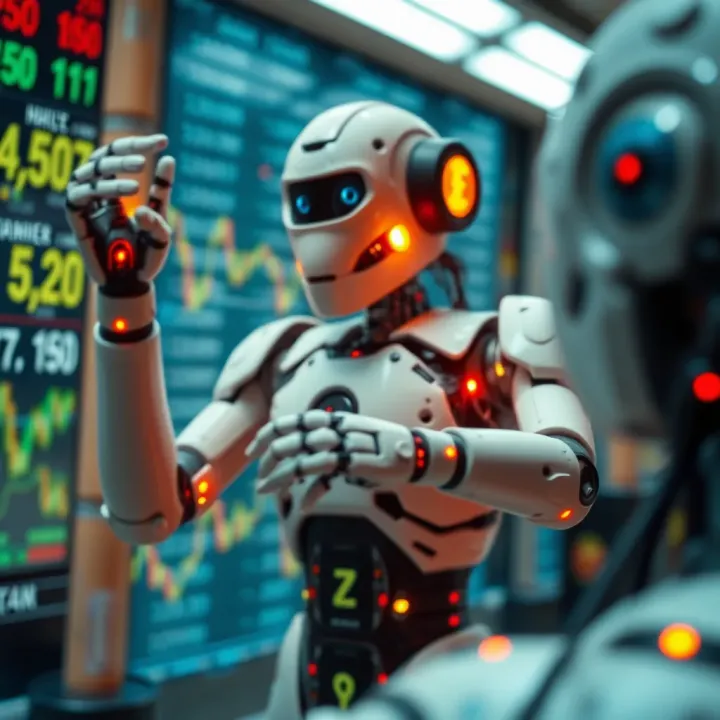
That said, these systems are not foolproof. Their performance depends heavily on the quality of their programming and the strategies they follow. In volatile markets like forex, even the most sophisticated robot can suffer losses if the trading rules don’t adapt to changing conditions. South African traders need to understand that robots are tools—not magic solutions.
Successful use of forex robots requires clear knowledge of their operation, diligent setup, and realistic expectations about risks and rewards.
Key benefits include:
Time efficiency: Robots handle the heavy lifting of analysing data and placing trades 24/7.
Emotion-free decisions: They execute trades without fear or greed affecting choices.
Backtesting: Traders can test strategies on past data to gauge potential performance.
However, downsides also exist:
Technical glitches: A sudden internet drop or software bug can lead to missed trades.
Over-optimisation: Robots overly tuned to past data may fail in real markets.
Costs: Some reliable robots can be costly, and many require subscriptions or platform fees.
In short, automated forex robots can be valuable helpers for traders willing to put in the groundwork. For South African users, picking the right system means considering local broker compatibility, data costs, and the specific forex pairs they want to trade. This article will unpack how these robots work, their pros and cons, and practical advice for setting them up effectively.
Automated forex trading robots are computer programs designed to trade foreign exchange markets on behalf of traders. They analyse market conditions, execute trades, and manage positions automatically according to pre-set rules. This automation helps traders avoid emotional decisions and operate continuously, even outside regular working hours.
For instance, a South African trader using a forex robot could set rules to buy or sell based on moving averages or RSI (Relative Strength Index) readings. Without having to monitor screens constantly, the robot can instantly act when these signals occur, potentially taking advantage of fluctuating currency pairs such as USD/ZAR or EUR/USD.
At its core, an automated forex robot is software that follows algorithms to place trades without manual input from users once it is activated. These tools aim to simplify trading by handling repetitive tasks such as market analysis and trade execution. Importantly, forex robots can tailor strategies based on risk tolerance or trading goals. For example, some focus on scalping—making many small trades for quick profits—while others target longer-term trends.
The primary purpose is to increase efficiency and consistency. Humans naturally hesitate or overthink trades, especially under pressure. A programmed robot sticks to its parameters, sticking to the plan without second-guessing. For traders juggling multiple responsibilities or those new to the forex market, automated robots can make trading more accessible.
These robots operate by connecting with trading platforms through Application Programming Interfaces (APIs) or built-in functionalities. Once set up, they scan forex market data, such as price movements and news feeds, looking for specific patterns or indicator signals. When the programmed conditions align, the robot automatically places buy or sell orders.
Take a common example: a forex robot set to act on breakouts might monitor a currency pair like GBP/ZAR. When the price crosses a certain resistance level, the robot initiates a buy order immediately, potentially ahead of manual intervention.
Besides executing trades, the robots can also manage open positions by adjusting stop-loss or take-profit levels, which helps contain losses or lock in gains. Thanks to this hands-off approach, users benefit from continuous market engagement without daily screen time.
While forex robots can't predict market movements with certainty, they streamline decision-making and ensure swift execution, which is crucial in fast-moving forex markets.
Forex trading robots depend on a systematic approach to analyse the market, helping them decide when to enter or exit trades without human bias. Understanding how these robots process information is key for traders who consider using them effectively. The analysis typically hinges on technical indicators, algorithm-based decision-making, and interpretation of historical price patterns.
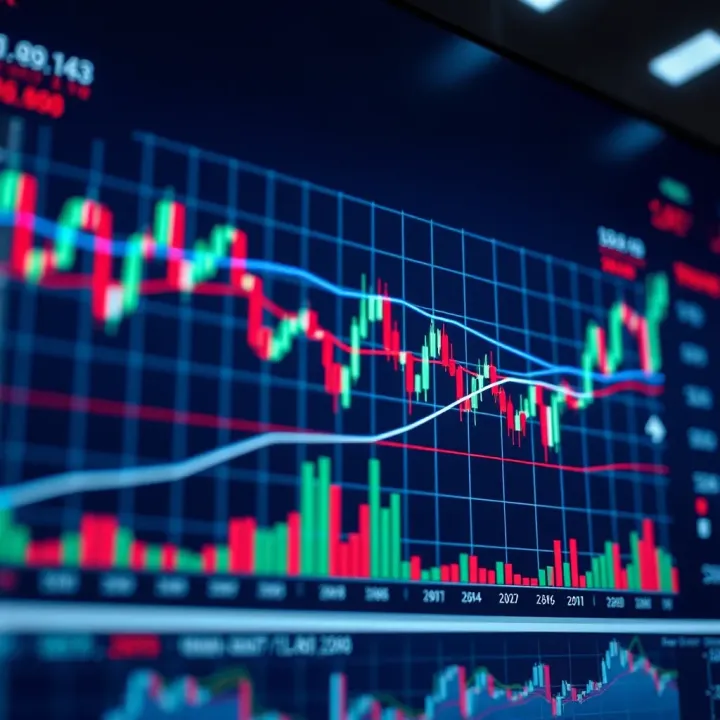
Technical indicators are at the heart of most forex robots. These indicators are mathematical calculations based on price, volume, or open interest data, aiming to forecast future market movements. Robots use indicators like Moving Averages, Relative Strength Index (RSI), Bollinger Bands, or MACD (Moving Average Convergence Divergence) to spot trends or market momentum.
For example, a robot might be programmed to buy when the short-term moving average crosses above the long-term moving average, signalling an upward trend. Algorithms translate these indicator signals into trade actions instantly – much faster than manual monitoring. This speed matters when market conditions shift quickly, such as during major economic announcements affecting currency rates.
These decisions follow clearly defined rules within the robot’s code; they don't get nervous or second-guess themselves, which can happen to traders in live markets. But their effectiveness depends on the quality of the indicators chosen and how well the algorithm adapts to changing market dynamics.
Historical data fuels the robot’s ability to recognise price patterns it has been programmed to trade. These patterns include formations like head and shoulders, double tops or bottoms, and flags — each traditionally signalling potential reversals or continuations in trend.
By analysing extensive historical price data, trading robots learn which conditions lead to profitable trades and which don’t. This backtesting process helps refine the robot’s settings before live deployment.
For instance, a robot might detect repeated sharp price drops at particular times tied to economic reports. It can then prepare to trade around similar future events, aiming to benefit from expected volatility.
Reliance on historical price and volume data is a double-edged sword: while it provides a logical basis for predictions, it might fail to account fully for unforeseen market shocks — like political upheavals or sudden changes in monetary policy.
In summary, forex trading robots combine technical indicators with historical trend analysis to make calculated, rules-based trades. Traders in South Africa or elsewhere should appreciate this blend of speed and data-driven decision-making but remain aware that no robot can guarantee success in every market environment.
Automated forex robots have gained popularity because they offer clear benefits, but it's just as important to recognise their limitations. Understanding both sides helps traders make informed decisions and avoid costly mistakes.
One of the main draws of forex robots is their ability to process market data faster than any human can. A robot can analyse multiple currency pairs simultaneously, spot trading signals instantly, and execute orders within milliseconds. This speed can be critical in volatile markets where delays mean missed opportunities or bigger losses.
Robots also eliminate the emotional side of trading. Unlike manual traders, robots stick to their programmed strategies without hesitation. This discipline prevents impulsive decisions rooted in fear or greed, which often undermine trading success. Additionally, robots can operate continuously – all day, every day, regardless of public holidays or time zones. For South African traders, this means trading can continue overnight when local markets are closed, helping capture trends that might otherwise be missed.
Despite these perks, automated robots come with risks. Technical failures such as connectivity issues or software glitches can lead to unexecuted trades or wrong orders. Imagine a robot placing a large trade when the internet cuts out – the results can be costly, especially during high-impact news events.
Another concern is over-optimisation, also known as curve-fitting. This happens when a robot is excessively fine-tuned to historical data, performing well in backtests but failing in live conditions. It’s like memorising answers for an exam that have since changed. South African traders should watch out for robots boasting unrealistic win rates without transparent testing environments.
Many beginners expect robots to be financial silver bullets. However, they aren't infallible and don’t guarantee profits. Some believe a robot works out-of-the-box without adjustment, but markets evolve constantly, requiring regular oversight and strategy updates.
Another pitfall is trusting robots without understanding their underpinnings. It’s risky to hand over your trading account to a “black box” without knowing how decisions are made. Fraudulent providers sometimes capitalise on this by selling poorly designed or scam robots. Traders should always perform due diligence, testing any robot on demo accounts before live deployment.
Automated forex robots offer powerful tools but should be treated like sophisticated calculators, not crystal balls. Success comes from combining their technical strengths with human insight and rigour.
By weighing these benefits and drawbacks carefully, you can decide whether and how to integrate robots into your trading approach without falling into common traps.
Choosing and setting up a forex trading robot is a decisive step that can determine your success in automated trading. A well-chosen robot matched with correct configuration equips you to handle the market's ups and downs with more consistency and less emotional stress. For South African traders especially, making the right choice prevents wasted time and funds amid the volatility and costs unique to our market.
Start by assessing the robot’s track record on real accounts, not just flashy demo results. Many vendors highlight ideal conditions, but in reality, markets toss up surprises. Look for a robot with verifiable performance over several months, preferably under varied market conditions. Transparency matters – the robot should clearly explain its trading strategies, risk management rules, and required broker settings. Pay attention to user reviews from South African traders if possible, as local brokers and market nuances impact functionality.
Additionally, ensure the robot is compatible with your preferred trading platform, like MetaTrader 4 or 5, which are popular in SA. Another practical tip: choose robots with adjustable parameters allowing you to tailor risk levels and trading hours. This flexibility helps to manage your exposure during local trading session overlaps or periods of loadshedding when internet connectivity might falter.
Once you’ve selected a robot, installation should be straightforward but proceed carefully. Most robots require uploading specific files to your trading platform and setting key parameters like lot size, stop losses, and take profits. Don't overlook the importance of configuring your broker’s settings to support automated trading — some platforms block or limit robot activity by default.
Testing the robot on a demo account first provides a safe space to observe its behaviour without risking real money. Monitor how it reacts to sudden price swings or during low-liquidity hours. This step helps you understand whether the robot sticks to its intended strategy or makes reckless trades that burn your account.
Backtesting is the practice of running the robot’s strategy on historical data to evaluate how it would have performed in the past. While past performance isn’t a guaranteed predictor of future results, it provides useful insights into strengths, weaknesses, and drawdown patterns.
Demo trading goes a step further by simulating real-time execution. This phase allows you to test the robot under live conditions without financial risk. Here, you can spot technical glitches, latency issues, or unexpected behaviours that backtesting alone might miss.
Taking time with thorough backtesting and demo trials saves money and headaches later, especially with unpredictable market moves and local factors such as broker spreads and data quality.
In short, selecting and setting up your forex trading robot requires a careful mix of research, patience, and practical testing. Doing this work upfront means you're better positioned to trade with confidence, control risks, and adapt the robot to your trading style and local market conditions.
South African traders looking to use forex trading robots need to pay close attention to several local factors that can influence their automated trading success. Unlike markets with fewer regulatory hurdles or different cost structures, here the environment demands careful research and ongoing monitoring of both tools and conditions. These considerations will help safeguard your investments and make the most of automation.
South Africa’s financial market is regulated primarily by the Financial Sector Conduct Authority (FSCA), ensuring brokers comply with strict rules to protect retail traders. Before choosing an automated robot, check if your broker is FSCA-regulated or recognised by an equivalent body, especially if the robot operates via a MetaTrader (MT4 or MT5) platform. Local brokers like IG South Africa, CM Trading, or global firms with South African clients tend to offer better protection and transparency.
Be cautious with brokers based offshore that may not be subject to South African regulation; problems with withdrawals or unethical practices are harder to resolve there. Also ensure your robot is compatible with your chosen broker’s platform and server to avoid execution delays, which can be costly in fast-moving forex markets.
Trading forex in South Africa involves unique cost factors like spreads, commission charges, and rand-volatility risks. For example, the rand’s occasional sharp moves against the US dollar can affect forex pairs involving ZAR or other currencies. Automated robots must be able to handle such volatility or risk generating losses.
Moreover, local internet infrastructure and data costs can impact automated trading reliability. Power cuts or loadshedding, a common South African reality, can disrupt trading unless you have backup power solutions like inverters or UPS systems. Also, consider the time your robot trades; even though forex markets run 24/5, some sessions may coincide with local outages, so timing matters.
Automated robots execute trades based on predefined algorithms, but completely hands-off trading is a risk. South African market conditions shift due to local economic events like interest rate announcements by the South African Reserve Bank (SARB) or political developments.
No robot can perfectly adapt to sudden changes or unexpected news, so regular human oversight is vital.
Monitoring your robot’s performance, adjusting settings in response to market trends, and staying informed on relevant news will help reduce risks. For instance, during periods of Eskom loadshedding or municipal protests affecting the economy, pausing or recalibrating your robot can be wise.
In practice, think of your robot as an assistant rather than a replacement for your judgement. Using demo accounts to practice and understand how your chosen robot reacts under South African market quirks is always recommended before committing real funds.
By understanding regulation, infrastructure limits, and the need for ongoing vigilance, South African traders can effectively integrate forex trading robots into their strategies with fewer surprises and better control.
📈 Discover how forex trading groups operate in South Africa, their benefits for sharing market tips, strategies, and risks to watch out for in the forex world.
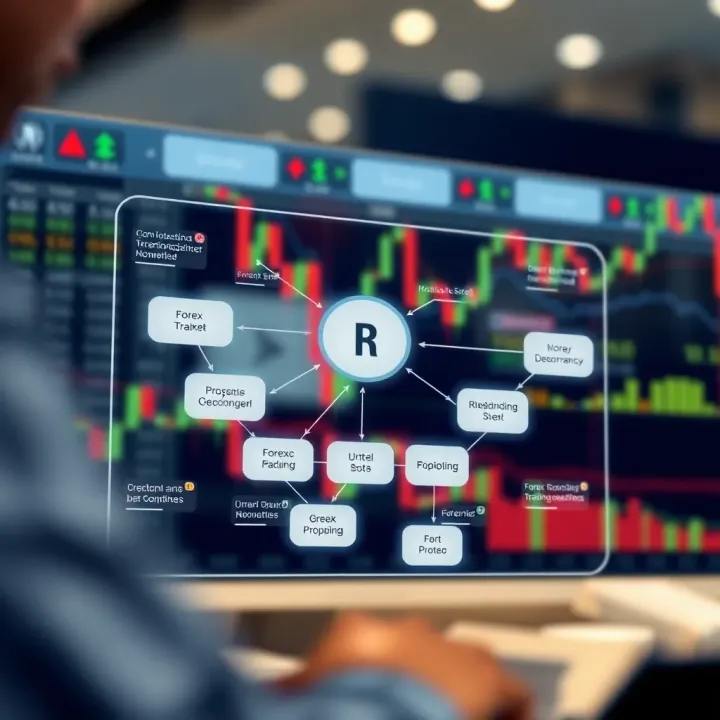
💱 Discover how forex trading companies operate, the platforms and accounts they offer, plus how South African traders can manage risks and trade safely in the currency market.
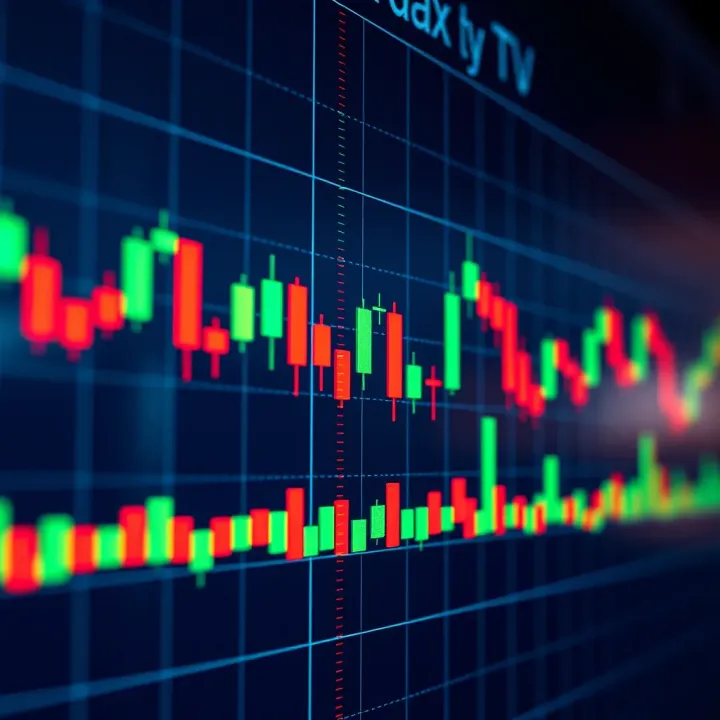
📈 Master forex trading graphs with clear explanations of chart types, key indicators, and common patterns tailored for South African traders seeking smarter decisions.
💱 Learn how forex trading works with a clear example for South Africans. Understand currency pairs, market movements, risks, and local trading tips. 📉📈
Based on 6 reviews