
Effective Binary Trading Strategies for South African Traders
📈 Discover top binary trading strategies for South African traders including smart risk management, market analysis, and tips to thrive in shifting markets. 🇿🇦
Edited By
Emily R. Thompson
Binary robot trading involves automated software designed to execute trades in binary options markets without the need for constant human input. These systems process market data, apply pre-set algorithms, and place trades based on programmed criteria, aiming to speed up decision-making and reduce emotional bias.
For South African traders, binary robots might seem like a handy shortcut in an often volatile market. Instead of watching the market all day, a robot can sift through data and act within seconds. This is especially useful during periods of Eskom loadshedding or when internet connectivity fluctuates, allowing trades to continue uninterrupted.
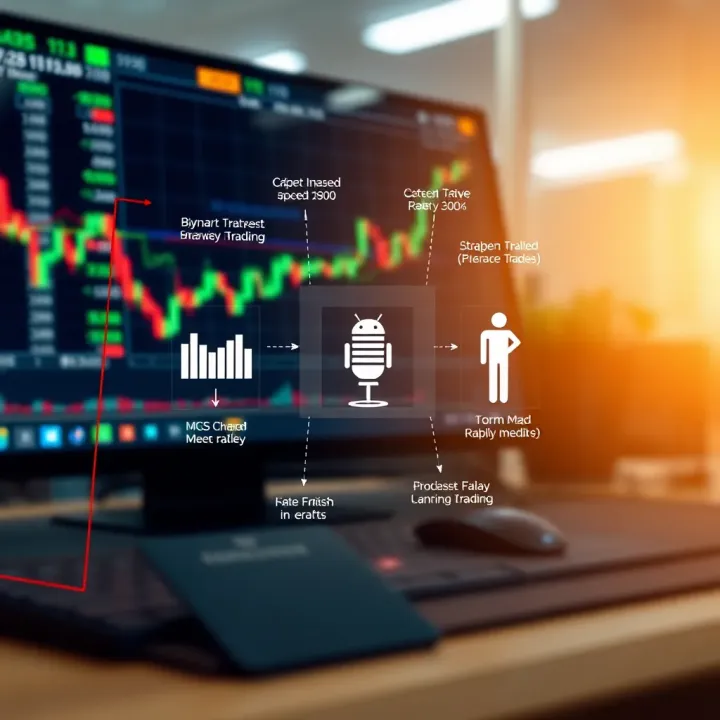
Most binary robot tools work by analysing asset price movements using technical indicators such as moving averages, Bollinger Bands, or Relative Strength Index (RSI). Once certain conditions are met, the robot automatically triggers trades. Some systems link directly to well-known brokers registered with the FSCA (Financial Sector Conduct Authority) in South Africa, ensuring compliance with local regulations.
Remember: Automated does not mean risk-free. Poorly configured robots can lead to significant losses, especially in fast-moving markets.
Signal-based robots: These detect trading opportunities and alert the user, requiring manual confirmation before trade execution.
Fully automated robots: They execute trades without intervention, following strict algorithmic rules.
Hybrid robots: Combining automated trade execution with manual overrides, offering more control.
Imagine a robot set up to trade on the EUR/USD currency pair. It may be programmed to buy when the 50-day moving average crosses above the 200-day moving average—a classic "golden cross" signal. If the robot spots this crossover, it will instantly enter a buy trade, potentially capturing upward momentum that a human trader might miss.
For South African users, choosing a robot that operates reliably with brokers offering Rand accounts and low transaction fees is vital. Furthermore, understanding the trading parameters programmed into the robot helps prevent unexpected outcomes, especially during volatile periods.
In summary, binary robot trading can offer speed and efficiency benefits in financial markets, but success depends heavily on the quality of the software, the settings applied, and ongoing market conditions. South African traders should approach with both cautious optimism and solid knowledge to make the most of this technology.
Binary robot trading refers to the use of automated software designed to make and execute trades in the binary options market without constant human intervention. Its appeal lies in simplifying trading decisions that can often feel complex and time-sensitive. For South African traders navigating volatile markets, such automation can reduce the stress of watching screens all day and help nip trading opportunities as they arise.
Automated systems analyse market data using pre-set algorithms, then place trades based on this analysis. For example, a robot might monitor currency pairs like USD/ZAR and decide whether the price will rise or fall within a given timeframe. This way, even if you’re away from your computer or busy with other things, the robot can manage trades on your behalf.
Binary trading is essentially betting on a yes-or-no outcome, such as whether a share price will close above a certain level within an hour. Automated binary trading builds on this by letting software quickly assess market trends and execute trades according to programmed rules. Think of it as setting up a traffic signal that changes according to traffic flow rather than a person manually operating it.
This approach suits traders who prefer not to rely solely on gut feel or manual monitoring but want a consistent method driven by data patterns. Yet, it’s no guarantee of success—market nuances and unexpected events can still lead to losses.
Binary robots connect to trading platforms through APIs (application programming interfaces), giving them the ability to place orders instantly. The robot follows a step-by-step process:
Continuously gather live market information.
Apply mathematical models and analysis to predict short-term price movements.
Decide whether to buy a 'call' (betting price will rise) or 'put' (price will fall).
Place the order on the trader’s behalf within the platform.
Monitor the trade until expiry and then repeat the cycle.
For instance, a robot might detect a currency pair showing a bullish breakout pattern and quickly place a call option before human traders even spot it. Speed here can be an edge, since binary options often have expiry times as short as 60 seconds.
Most binary robots share several typical characteristics:
Pre-programmed Strategies: They rely on specific technical indicators, such as Moving Averages or RSI, that guide trading signals.
User Settings: Traders can usually adjust risk levels, timeframes, or stake sizes to fit their preferences.
Demo Mode: Many robots offer practice accounts to test strategies before risking real money.
Automated Execution: Once configured, the robot acts independently, reducing emotional bias.
Reporting Tools: Detailed trade logs and performance summaries help users track effectiveness.
That said, not all robots are created equal. Some use outdated algorithms or promise unrealistic returns, so it’s wise to research thoroughly and test any robot in a demo environment first.
Automation can save time but requires careful oversight. Robots simplify binary trading but won’t replace the need for informed decision-making, especially when markets behave unpredictably.
Understanding these fundamentals helps South African traders see if binary robot trading aligns with their strategies and risk tolerance.

Understanding the different types of binary robot trading systems is critical for traders aiming to use automation wisely. Each system offers a unique approach to handling trades, risk, and user involvement. Picking the right type depends on your trading style, experience, and how much control you want over your trades.
Fully automated robots take the reins from start to finish. They scan the market, decide when to buy or sell binary options, and execute trades without any input from the user. This hands-off approach suits traders who may not have time to monitor markets constantly. For example, a fully automated robot might use algorithms analysing price trends of currency pairs like the USD/ZAR to open trades at optimal moments. However, these robots rely heavily on the quality of their programming and the data they receive. If the algorithm is poorly designed or the market suddenly shifts, the robot might place losing trades without human intervention.
Semi-automated systems act more like trading assistants. Instead of executing trades directly, they provide clear signals or suggestions indicating when to buy or sell. The human trader then makes the final call. This setup lets users benefit from algorithm-driven analysis while keeping control over their money. For instance, a signal-based robot might alert you via an app that a particular commodity, say gold, has hit a trading opportunity based on volatility patterns. You decide whether to follow the signal, considering your risk appetite or external news events. This middle ground helps avoid blind reliance on automation but still speeds up decision-making.
Customisable bots offer flexibility to traders who want to tailor the software according to specific strategies or preferences. You can adjust factors like indicators used, risk levels, or stop-loss settings within the robot’s interface. South African traders familiar with technical analysis might set up a bot that uses RSI and moving averages specifically on the JSE Top 40 shares. This approach demands more trading knowledge and some technical skill but lets you align automation more closely with your personal style. It also means you can tweak settings as market conditions change rather than sticking with a one-size-fits-all robot.
Choosing the right binary robot system boils down to your comfort with automation, desired involvement in trading decisions, and ability to monitor performance regularly. Understanding these types helps you avoid surprises and get the most from automated trading tools.
In summary, fully automated robots are ideal for those wanting to be hands-off, signal-based robots suit those who prefer guidance without losing control, and customisable bots appeal to experienced traders who want automation to match their strategy.
This knowledge empowers traders to select tools wisely, an essential step in navigating binary options trading safely and effectively.
Binary robots can transform trading by handling repetitive tasks quickly and consistently. Their main strength lies in executing trades faster than any human, which matters a lot when markets move within seconds. These systems remove emotional influences from trading decisions, ensuring logic drives every move rather than fear or greed. However, it’s not all smooth sailing — automated trading comes with risks and pitfalls, especially in the binary options market that is known for scams. South African traders need to understand both the perks and problems before trusting their money to a robot.
One major advantage of binary robots is speed. A robot can scan multiple assets simultaneously and place trades in milliseconds—something a trader simply cannot match during busy market hours. For example, if the rand suddenly strengthens against the dollar, a trading robot can respond instantly, locking in profit before the opportunity disappears.
Besides speed, robots carry no emotions. Human traders can second-guess themselves or chase losses out of desperation. A robot, in contrast, sticks to its pre-programmed strategy without panic or overconfidence. This consistency helps manage risk better and avoids impulsive decisions that often trip up beginners and seasoned traders alike.
Automation also frees up time. Instead of constantly monitoring charts, you can set parameters and let the system work quietly in the background. This suits traders juggling other commitments or keen to reduce screen time but still active in the markets.
Despite these benefits, binary robots are not foolproof. They rely heavily on their underlying algorithms and data quality. If the strategy is flawed or market conditions change suddenly—say an unexpected rate hike by SARB—the robot’s performance might suffer.
Additionally, automated trading can generate heavy losses if not carefully managed. Overtrading or excessive use of leverage can drain accounts quickly, often faster than manual trading mistakes.
It is crucial to remember that robots cannot predict black swan events or shocks specific to South Africa, like sudden load shedding impacting market sentiment or political turmoil affecting investor confidence. Relying solely on automation without human oversight can be risky.
The binary options sector is notorious for scams, and many fake robot vendors promise easy riches with minimal effort. Avoid platforms that guarantee profits, ask for substantial upfront fees without trial periods, or lack transparency about their owners and trading logic.
Use demo accounts first to test robot performance without risking real money.
Check whether software vendors have verifiable track records and user reviews.
Prefer robots integrated with regulated brokers overseen by bodies like the FSCA (Financial Sector Conduct Authority).
Be sceptical of unsolicited offers or aggressive sales tactics.
Always treat automated trading systems as tools rather than magic solutions. Proper research, risk management, and staying informed are key.
By recognising both upsides and dangers, traders in South Africa can make more informed decisions about incorporating binary robots into their strategies. Like any tool, they work best when used wisely and cautiously.
Understanding the legal landscape around binary robot trading in South Africa is essential for anyone looking to engage in automated financial markets. Regulations help protect traders from fraud, ensure market integrity, and clarify what activities are lawful within the country’s financial ecosystem.
South Africa’s financial markets fall under the supervision of the Financial Sector Conduct Authority (FSCA). The FSCA oversees brokers, financial advisors, and trading platforms operating locally, enforcing rules to maintain fair trading practices. Trading tools like binary robots, if offered locally, must comply with regulations related to market conduct, transparency, and consumer protection.
Moreover, the Financial Intelligence Centre Act (FICA) requires proper client identification and verification to combat money laundering and financial crime. This means platforms facilitating automated trading must have strict Know Your Customer (KYC) processes in place, ensuring users are genuine and compliant.
Binary options trading, especially when linked to automated systems like binary robots, occupies a complex legal space in South Africa. While the FSCA has not expressly prohibited binary options trading itself, it treats these products with caution, given their high-risk and sometimes fraudulent nature globally.
South African authorities have warned investors about unregulated offshore binary options providers, many of which promise unrealistic returns but fail to deliver. Using binary robots adds another layer of complexity; automation must not obscure the trader’s awareness or consent to trades. Furthermore, local law requires trading platforms to hold the necessary licences, and many popular binary options providers operate unregulated offshore, which means South African traders using them have little legal recourse if things go sideways.
That said, automated trading technologies that comply with FSCA rules and promote transparency are generally lawful. Traders should verify the regulatory standing of both the robot and the broker before investing.
Trading safely means choosing platforms and software recognised by the FSCA or licensed by reputable international regulators such as the UK’s FCA or Australia’s ASIC. South African traders find more legal protection on platforms that follow local rules or those offering transparent disclosures and sound risk warnings.
Demo accounts are particularly useful for testing binary robots without risking real money. In South Africa, brokers like IG, Plus500, and some local offerings provide testing environments and comply with consumer protection standards.
Always double-check a platform’s regulatory status and user reviews before connecting a binary robot. Ensuring the software is compatible with a legal, licensed broker can save you headaches and potential financial loss.
Selecting the right binary robot isn't just about fancy features or flashy interfaces; it’s about matching the software capabilities to your trading goals and risk tolerance. Wise choice and use can mean the difference between steady gains and costly losses.
When picking a binary robot, prioritise reliability and transparency. Look for software with a proven track record of actual trading results, preferably verified by third parties. Pay close attention to the strategies the robot employs—are they based on technical indicators, news events, or patterns? For example, a robot relying solely on market sentiment may struggle during volatile periods like post-Eskom announcements.
Check for customisable settings allowing you to adjust parameters such as trade amount, expiry time, and asset selection. This flexibility helps tailor your trades to how the market is behaving right now. Integration with reputable brokers that are authorised by the Financial Sector Conduct Authority (FSCA) adds a layer of security you shouldn’t overlook.
Before dipping into your hard-earned Rand, test any robot using a demo account. This lets you see how the software performs in real market conditions without risking capital. Demo testing helps you spot things like delayed execution or unexpected losses early on.
For instance, a South African trader using a demo on a regulated platform might discover that the robot consistently underperforms during high-loadshedding periods when market volatility peaks. That insight allows adjustment or reconsideration before committing real funds.
Automated trading doesn't mean 'set and forget'. Limit the amount risked per trade—many traders cap this at 1-2% of their total trading capital. Set maximum daily loss limits so your robot doesn’t keep trading through a losing streak.
Regularly review your robot’s performance. Market conditions change, and an algorithm that worked well last month might falter now. Don’t hesitate to pause automation and revert to manual strategies if losses mount.
Remember, a binary robot is a tool. Your vigilance and sound judgment remain critical to managing risk and protecting your investment.
Finally, be wary of claims of guaranteed profits. No robot can predict markets perfectly, especially in South Africa’s sometimes unpredictable financial environment. Use automation as part of a broader strategy combining experience, analysis, and discipline.
📈 Discover top binary trading strategies for South African traders including smart risk management, market analysis, and tips to thrive in shifting markets. 🇿🇦

Boost your binary trading game with solid strategies, risk management tips, and market analysis 🤑 Designed for South African traders aiming for steady success 📈
Explore cashier binary principles and their use in South African retail. Learn how it affects transaction speed, accuracy, and easy integration with POS systems 🛒💻.

Explore how binary systems power the World Wide Web 🌐, decode digital communication 🔢, and support modern computing technology 💻 in daily internet use.
Based on 12 reviews