

Best Binary Trading Platforms for South Africans
Find top binary trading platforms in South Africa 🇿🇦 with trusted regulation and easy-to-use features. Trade safer and smarter with practical tips and avoid common pitfalls 📉✅
Edited By
Grace Thompson
Binary trading has become a buzzword among traders aiming for quick profits in financial markets. In essence, it’s a form of speculation where you predict whether an asset’s price will rise or fall within a set time. The outcome’s binary—you either win a fixed payout or lose your stake. This simplicity makes it appealing, but the reality is far from straightforward.
In South Africa, many are attracted to binary trading platforms promising fast returns with minimal effort. However, these trades often resemble a gamble more than a sound investment strategy. Unlike traditional trading, where you buy shares or commodities with long-term value, binary options are short-term bets based on price direction alone, usually lasting from minutes to hours.

Many local traders misunderstand binary trading as a guaranteed way to make money quickly, but the odds are often stacked against them.
The risk profile is high. Because payouts are fixed, brokers set odds favourable to themselves, meaning the average trader is likely to lose over time. It’s not unusual to see claims of 80% returns on winning trades; yet, when factoring in losses, the real profitability dips below break-even.
Legally, South Africa’s Financial Sector Conduct Authority (FSCA) does not regulate binary trading as a licensed financial product. This absence means consumers have limited protection, and many operators targeting South African clients operate from offshore jurisdictions.
If you are considering binary trading, be wary of common pitfalls:
Lack of transparency: Some platforms manipulate price charts or delay trade execution.
Aggressive marketing: Promises of “easy money” with little risk.
Limited investor education: Many jump in without understanding the market conditions affecting trades.
To trade responsibly, it helps to focus on education, test any strategy on demo accounts first, and never risk more than you can afford to lose. Regular investing in broad markets, ETFs, or unit trusts through regulated brokers generally offers a better risk-return trade-off for South African investors.
In the sections ahead, we’ll break down how binary trading works in detail, explore its risks, legal aspects, and practical tips to approach this space with caution.
Understanding the basics of binary trading is essential for anyone considering this form of investment. This trading style is straightforward but carries significant risks. By knowing the core concepts, you can better gauge whether it's a fit for your financial goals and risk appetite. For example, unlike traditional investing, binary trading offers a fixed payout and fixed loss, making it clear upfront what you stand to gain or lose.
Binary trading involves placing a bet on a simple yes-or-no outcome. For instance, you might predict whether the price of shares in a JSE-listed company will rise above a certain point within a set time, say 30 minutes. If your prediction is correct, you receive a predetermined payout. If not, you lose your stake. This simplicity appeals to many because the outcome is clear and quick.
Unlike traditional trading, where you buy and hold an asset hoping it increases in value over time, binary trading focuses on short-term price movements without owning the asset. Traditional trading involves managing risks like stop-loss orders and market timing, but with binary options, the risk and reward are fixed from the start. This all-or-nothing nature makes it more like a wager than a typical investment.
High-low options are the most common type of binary option. You simply predict whether the price of an asset, like gold or a forex pair, will end higher or lower than the current level at the expiry of the contract. For example, you might take a high option on platinum prices expecting a rise over the next hour. These options are easy to understand and popular among beginners, but their rapid expiry can increase volatility and risk.
Touch/no-touch options require predicting whether an asset's price will reach a certain level before expiry. For example, if you believe the rand will touch R15 to the US dollar at some point in the next day, you'd select a touch option. Conversely, choosing no-touch means you think the price won't hit that level. This type offers more flexibility than high-low but can be more complex to time correctly.
Knowing these binary option types can help you choose strategies that align with your trading style and risk tolerance. Always remember, though, that quick payouts often come with quick losses.
By grasping these fundamentals, South African investors can approach binary trading more realistically, avoiding common pitfalls while seeing where, if at all, it fits in their portfolios.

Binary trading often attracts people looking for a quick route to profit, but the risks involved are significant and sometimes misunderstood. This section sheds light on why binary trading is considered risky and uncovers common misconceptions and scams. Knowing these factors helps you make smarter choices if you decide to explore this market.
One of the main risks comes from the all-or-nothing payout structure. Unlike traditional trading, where you might recover some of your investment if the trade moves against you, binary options pay out a fixed amount or nothing at all. For example, in a typical trade, you might stake R1,000, and if your prediction is correct, you get back R1,800 (your stake plus 80% profit). But if you're wrong, you lose the entire R1,000. This setup can lead to a fast wipeout of your trading capital if outcomes don't go your way.
This payout system means traders are essentially gambling on price movements within a short timeframe. You don’t own the underlying asset, and returns don’t scale with how correct your prediction is—it's a strict win or lose scenario. This ups the pressure and limits risk management. In practical terms, it’s like betting on a sudden decision at a busy robot, with a ticking clock.
Another factor is the short time frames and volatility typically involved in binary trading. Trades may last as little as 60 seconds up to a few hours. Such brief periods make price predictions more vulnerable to random market noise and sudden swings. For instance, a news event in the United States can throw local markets into chaos while you’re mid-trade.
The inherent volatility in markets, especially on short time frames, means your chance of correctly forecasting price direction is often little better than chance. While some traders may use technical analysis to improve odds, the fast pace and unpredictable nature of financial news frequently override predictions.
Unregulated brokers and platforms are a major hazard. Many binary trading sites operate without proper licences or oversight, particularly those targeting customers outside South Africa. These platforms may refuse withdrawals, manipulate prices, or disappear altogether once they’ve taken your money.
For South African traders, dealing with brokers authorised by the Financial Sector Conduct Authority (FSCA) is crucial. Without this, you risk falling into traps where your complaints carry no weight. A broker asking for large upfront deposits or pressuring you to keep trading after losses should raise red flags immediately.
Another widespread misconception involves promises of guaranteed profits. Some brokers and affiliates market binary trading as a risk-free way to make quick cash. They might display flashy ads promising returns of 90% or more on every trade.
In reality, no legitimate trader or platform can guarantee profits since market movements are inherently uncertain. It’s normal for losses to happen regularly and for some trades to fail outright. Anyone claiming consistent guaranteed profits is likely trying to mislead you to part with your money.
When it comes to binary trading, treating it like a gamble rather than a steady investment helps to keep losses in check. Always question offers that seem too good to be true, and be cautious about trading on unregulated platforms.
By understanding these risks and realities, South African traders can better weigh whether binary trading fits within their financial goals and risk tolerance.
Understanding South Africa's legal and regulatory environment is key for anyone considering binary trading. It shapes which platforms you can trust and what rules protect your money. Knowing this landscape helps you avoid pitfalls like unlicensed brokers or illegal schemes.
The FSCA is the watchdog for financial services in South Africa. It oversees the conduct of trading platforms, including those offering binary options. The FSCA's job is to make sure these businesses play by the rules, offer fair treatment, and keep your funds safe.
For example, unlike traditional stockbrokers, many binary trading platforms operate online and can target South African users without proper oversight. The FSCA steps in to identify and warn about such operations. They've issued public notices cautioning traders to confirm a broker’s licensing before opening accounts.
Platforms authorised by the FSCA must meet strict requirements. These include holding a valid licence, maintaining adequate capital reserves, and implementing clear policies to protect clients' interests. They also need to provide transparent information about risks and costs.
For practical purposes, this means a licensed platform will have a physical address and offer customer support based in South Africa. If you spot a broker refusing to disclose this or asking for large upfront deposits without proper documentation, it’s a red flag.
Always check whether the broker appears on the FSCA’s list of authorised entities. Using an authorised broker means you have some legal recourse if disputes arise. Unfortunately, many popular binary options sites do not hold FSCA licences; engaging with them can leave you exposed to scams.
Besides the FSCA register, look out for brokers who are members of recognised industry bodies or who provide proof of regulatory compliance in other reputable jurisdictions. Still, remember that foreign regulation does not guarantee protection in South Africa.
Profits made from binary trading are considered taxable income by SARS (South African Revenue Service). If you trade actively or generate significant earnings, you need to declare these amounts in your annual tax return.
The classification of your profits may depend on whether trading is viewed as a hobby or business. Generally, consistent trading profits are seen as business income and subject to normal tax rates, including provisional tax filings. Keeping detailed records of trades, deposits, and withdrawals will help if SARS requests proof or clarifications.
Always factor in tax obligations when planning your trading strategy. Avoid surprises at tax season by consulting a tax adviser familiar with financial trading.
Through understanding these legal and regulatory points, South African traders can better navigate the binary options space with caution and clarity.
When it comes to binary trading, South African investors need practical advice grounded in local realities. Because this form of trading is high-risk and often misunderstood, knowing how to approach it wisely can save you from costly mistakes. This section offers clear guidance on evaluating binary trading as an investment option and shares proven tips for safer trading.
Binary trading isn’t for the faint-hearted. Its all-or-nothing nature demands a high tolerance for risk, which means it’s usually unsuitable for conservative investors or those aiming for long-term wealth building. For example, if you’s saving for retirement or a child's university fees, safer, more stable options like unit trusts or fixed deposits typically fit better.
It's important to align any trading activity with your financial goals. If quick, speculative gains match your appetite and you understand the risks, binary trading might be an option. Otherwise, it remains a gamble. Realistically assess if you could handle losing the money you invest without it affecting your lifestyle.
Before diving into binary options, consider other investment vehicles that offer better transparency and long-term growth. Shares listed on the Johannesburg Stock Exchange (JSE) or Exchange Traded Funds (ETFs) allow you to invest in a variety of assets with managed risk.
Similarly, South Africa’s bond market or government retail savings bonds provide fixed returns and are backed by the state, making them less volatile. Unlike binary trading’s quick runs, these alternatives build wealth over months and years, which fits the goals of most South African investors.
Ensure you only trade with brokers authorised by the Financial Sector Conduct Authority (FSCA). This is crucial because unregulated platforms may operate outside South African law, posing risks of fraud or unfair trading terms.
For instance, brokers registered with the FSCA follow set rules on transparency, client fund segregation, and fair marketing. Checking the FSCA’s register before signing up can save you from shady operators promising guaranteed profits — which are often too good to be true.
Set a fixed budget for binary trading and stick to it, treating it like entertainment money rather than serious investment capital. Because of the fast-paced and volatile nature of trades, it’s easy to chase losses and escalate your risk.
Keep your expectations realistic. Most seasoned investors see binary trading as more of a speculative gamble than a reliable income source. For example, if you start with R5,000, consider limiting losses to a small percentage monthly and avoid risking large portions of your capital on single trades.
Responsible trading means balancing your excitement with discipline — never bet more than you can afford to lose and recognise that quick wins are rare.
By assessing your risk tolerance and aligning with safer alternatives, plus choosing the right brokers and controlling your bankroll, you build a buffer against the most common pitfalls in binary trading. This level-headed approach fosters smarter decision-making amid a tricky market.
Find top binary trading platforms in South Africa 🇿🇦 with trusted regulation and easy-to-use features. Trade safer and smarter with practical tips and avoid common pitfalls 📉✅

📊 Learn how binary options trading works in South Africa, including legal rules, risks, and tips to trade wisely in Rands. Stay safe and informed! 🇿🇦

Explore binary options trading in South Africa 🇿🇦: understand how it works, spot the risks ⚠️, and get tips on safe platforms and local regulations to trade smarter.
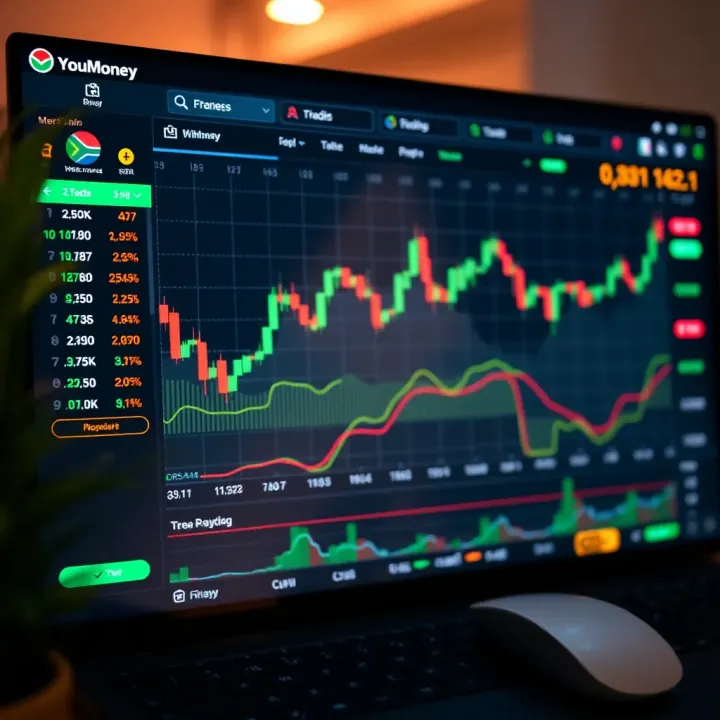
📊 Discover YouMoney Binary's features, risks, and smart strategies for South African traders. Get practical insights into binary options trading today! 🇿🇦
Based on 6 reviews