

Free Forex Trading Platforms in South Africa Explained
Discover free forex trading platforms for South African traders 📈 Learn key features, safety tips, pros & cons to start trading without upfront costs 🇿🇦
Edited By
Charlotte Reed
Forex trading has gained significant interest in South Africa, especially as more traders seek to tap into global markets from the comfort of their homes or offices. Choosing the right forex trading platform plays a major role in how successfully you can navigate currency markets and manage your investments.
South African traders need to consider platforms that not only offer competitive spreads and tools but also comply with local regulations and support familiar payment methods. This ensures smoother transactions and better security when trading forex.

Aside from typical factors such as ease of use and analytical features, you should check if the platform is authorised by the Financial Sector Conduct Authority (FSCA). An FSCA licence means the platform adheres to South African laws designed to protect your investments and personal data.
Many international platforms cater to South African clients, but not all handle Rand deposits and withdrawals efficiently. Look for brokers who accept popular local payment options, like EFTs or Wallet methods common here, which can reduce transfer fees and speed up fund availability.
For newcomers, platforms offering demo accounts let you practise trading before risking actual capital. Seasoned traders might prioritise low-cost spreads, advanced charting tools, and quick execution. Some platforms also provide algorithmic trading through APIs for those into automated strategies.
Selecting a forex trading platform in South Africa depends on your trading style, experience, and preference for local compliance and payment convenience.
In the sections that follow, we'll compare leading forex platforms regarding their costs, usability, and how well they fit South African traders' needs. Whether you're just starting out or scaling your trades, understanding these details will help you make confident decisions.
Forex trading platforms serve as the critical bridge between traders and the global foreign exchange market. For South African traders, knowing what these platforms are and how they function is key to trading effectively and safely. At its core, a forex trading platform is software that enables buying and selling of currencies, offering real-time price quotes, charts, and execution tools.
These platforms handle the technical side of trading, such as placing orders, managing accounts, and monitoring market movements. Think of them like a bakkie's dashboard—without it, controlling your load would be guesswork. In practical terms, the right platform can make a marked difference in your ability to respond to market shifts efficiently.
A forex trading platform is essentially a gateway to the currency markets, providing traders access to detailed pricing information and order execution. Common features include the ability to view live currency pairs, execute trades, manage risk through stop losses or take profits, and access historical data.
The practical relevance? Without a well-designed platform, traders might miss opportunities or face delays executing trades, which can cost dearly in volatile markets. For example, a platform with sluggish response times could result in orders being filled at the wrong prices during high-impact news events.
Having a reliable platform is not just a convenience but a necessity in forex trading. South African traders often contend with local factors like currency volatility in the rand (ZAR) and varying internet quality, making platform reliability a top priority.
Moreover, the right platform can provide educational tools, signal alerts, and demo accounts, which are excellent for developing trading skills before committing real money. For instance, platforms offering demo accounts allow a beginner to learn without risking their R.
A cluttered or unintuitive interface slows decision-making, especially during fast-moving market hours. Platforms like MetaTrader offer clear layouts and customisable workspaces, helping traders focus on what's important. A beginner struggles less with straightforward menus and clear visuals, reducing the chance of costly blunders.
Quality charting tools let traders spot patterns and trends, critical for timing entry and exit points. Features like multiple timeframes, technical indicators (e.g., RSI, MACD), and drawing tools come in handy for traders following technical strategies. Without these, traders might only rely on guesswork or static price data.
Diverse order types—market, limit, stop loss—allow flexibility in trade planning and managing risk. Quick execution is equally vital; delays can lead to slippage, which happens when the trade fills at a worse price than expected. South African traders using slower platforms risk missing the boat, especially around economic announcements.
Security means protecting personal data and funds against breaches. Choose platforms regulated by the Financial Sector Conduct Authority (FSCA) or equivalent, as they require high security standards. Reliability also encompasses uptime; a platform that frequently crashes or lags is a liability, as trades may fail or be delayed unexpectedly.
Picking the right forex trading platform means balancing ease of use, analytical tools, speed, and security. This balance sets a solid foundation for trading success in South Africa's dynamic market.
Choosing the right forex trading platform makes a massive difference in your trading success, especially in South Africa where local factors like regulation and payment methods add layers of complexity. South African traders tend to favour platforms that combine reliability with access to well-regulated brokers and competitive pricing. In this section, we'll break down some of the most popular platforms to help you make an informed choice.
MetaTrader 4 (MT4) remains the go-to platform for many traders worldwide, including South Africans. Its popularity stems from a proven track record, intuitive interface, and broad community support. Traders often appreciate the vast library of expert advisors (EAs) and custom indicators, which help automate strategies and depth of analysis. MetaTrader 5 (MT5) arrived later with a stronger focus on multi-asset trading and more timeframes, but MT4 still holds sway for forex newcomers and veterans alike.
Local brokers tend to offer these platforms because clients expect them, and support resources like tutorials and third-party tools are easy to find. For example, MT4’s popularity means even smaller South African brokers can integrate it quickly, giving traders a familiar environment.
While MT4 sticks mainly to forex trading, MT5 expands to stocks, futures, and CFDs, catering to traders who want a broader portfolio. MT5 includes more technical indicators, an economic calendar, and an improved strategy tester. However, the change in coding language (from MQL4 to MQL5) means that some MT4 custom scripts don’t transfer seamlessly.
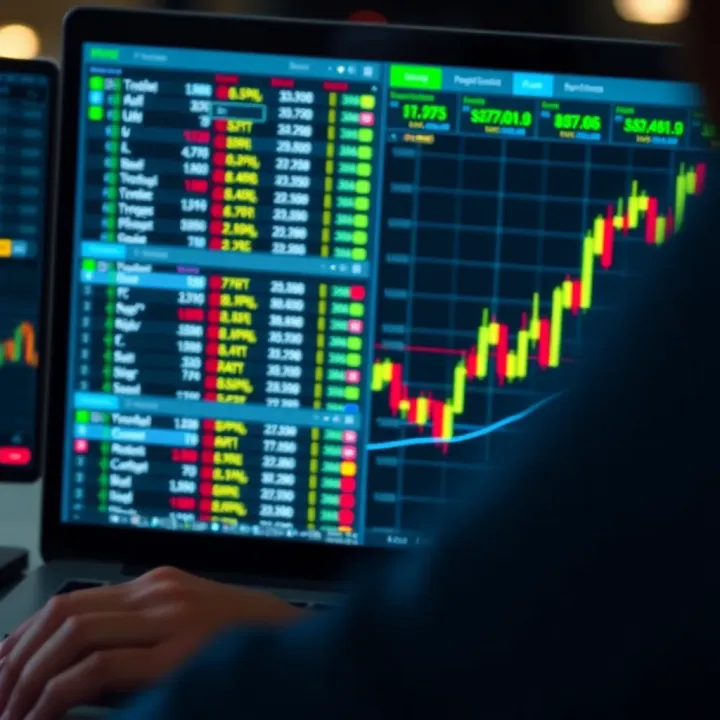
For a South African trader specialising strictly in currencies, MT4’s simplicity and wide acceptance often outweigh the additional features of MT5. That said, if you foresee expanding into other markets through your broker, MT5 might be better suited.
Most South African brokers that accept local deposits support both MT4 and MT5. For instance, well-known brokers like IG, HotForex, and XM provide seamless integration and accept ZAR payments. This means you won’t be stuck dealing with foreign currency conversions or cumbersome transfers.
Some brokers also pair these platforms with local payment methods such as eWallets and instant EFTs, making it easier to manage funds without international bank delays. Always verify that your chosen broker is authorised by the Financial Sector Conduct Authority (FSCA) to avoid unnecessary risks.
cTrader offers a sleek, modern interface that many traders find more visually appealing and easier to navigate compared to MetaTrader. It's particularly favoured by those who want advanced charting capabilities and algorithmic trading without the steep learning curve.
The platform allows direct market access (DMA) which may result in tighter spreads and faster order execution—features that can make a distinct difference in active trading. cTrader also supports Level II pricing and offers customisable workspace layouts, helping traders focus on what truly matters.
While cTrader is used by several international brokers, fewer South African brokers offer it compared to MetaTrader. Brokers like FxPro and Pepperstone include it in their suites, giving traders a quality choice. Pricing structures typically involve low spreads and commissions, but these differ by broker.
If you value modern tools and direct market access, cTrader paired with a reputable broker can be a solid option. Just make sure to check that they accommodate local deposit methods to avoid delays or fees.
Some brokers develop their own trading platforms rather than using off-the-shelf solutions. For example, local broker EasyEquities offers a user-friendly platform tailored to South African investors, though it's more focused on equities than forex. International brokers like Plus500 or AvaTrade also have proprietary software tailored for specific user experiences.
These platforms often include integrated news feeds, research tools, and tailored education resources specific to their client base.
Proprietary platforms can provide seamless, well-integrated services tailored exactly to a broker’s features. For example, they may handle deposits, trading, and withdrawals in one place with good local payment options.
However, the downside is less flexibility. Custom platforms might lack the extensive third-party add-ons and community support enjoyed by MetaTrader or cTrader users. Plus, if you decide to change brokers, you’ll need to learn a whole new system, which could be frustrating.
Choosing a forex platform comes down to balancing features, local broker compatibility, and ease of use. Platforms like MetaTrader remain practical for South African traders looking for reliability and ample resources, while cTrader offers advanced features with fewer local options. Proprietary platforms may suit those wanting an all-in-one broker experience but consider whether vendor lock-in suits your long-term trading plans.
Choosing a forex trading platform in South Africa goes beyond just the software's features. The costs and trading conditions linked to each platform can have a significant impact on your profitability and overall experience. For example, two platforms might offer the same tools, but if one has high spreads or hefty commissions, it could eat into your gains. This is why it’s essential to compare these factors carefully before committing your money.
Spreads represent the difference between the buying and selling price of a currency pair. Some platforms offer fixed spreads, meaning the cost stays the same regardless of market volatility. This predictability can help new traders budget their costs, but fixed spreads tend to be higher during calm markets. Meanwhile, variable spreads fluctuate with market conditions—often narrower during quiet times but can widen dramatically during major events or high volatility.
For instance, when the US non-farm payroll figures drop, variable spreads on platforms might suddenly widen, causing unexpected costs. Traders need to anticipate this, especially if they trade during news releases. Knowing how a platform handles spreads can determine whether it suits your trading style and risk tolerance.
Some brokers slash their spreads but make it up through commission fees per trade. This combination can often be cheaper than wide spreads for high-volume traders. South African traders should watch out for commission models, especially with high-frequency trading, as these fees add up fast. For example, a broker might charge R50 commission per lot plus a tight spread—leaning towards lower overall costs if you trade frequently.
Reading the fine print is crucial. Some platforms mark their spreads as zero but take commissions, while others bundle costs in the spread itself. Always consider the total trading cost rather than focusing on one component.
Opening a trading account can require anything from R100 up to R10,000 or more, depending on the platform and broker. Higher minimum deposits often come with better trading conditions like lower spreads or premium features. However, beginners or casual traders should seek platforms with lower entry barriers, allowing them to start without hefty upfront costs.
For example, a novice might open an account with a R500 deposit on a platform like FNB Stockbrokers before committing more funds. It’s important to match your deposit capacity with the platform’s requirements to avoid being stuck on a site that doesn't fit your budget.
Leverage lets you control larger trade sizes than your actual capital. In South Africa, the Financial Sector Conduct Authority (FSCA) closely monitors leverage to protect traders. While leverage can amplify profits, it also magnifies losses, making it a double-edged sword.
Local brokers tend to cap leverage ratios around 1:100 or lower, especially for retail traders, to minimise risk. Using excessive leverage without experience can quickly wipe out your account—something novice traders often overlook. It's wise to use leverage cautiously and understand the associated risks to avoid nasty surprises.
Comparing costs and conditions across forex platforms lets you spot hidden expenses and adjust your strategy accordingly, helping you stay competitive in a fast-moving market.
Understanding these aspects means you can pick a trading environment that suits your style and capital. Don't get caught out by low entry costs or flashy tech alone—dig into how pricing and conditions will affect you in the long run.
Choosing the right forex trading platform is a key step for any trader in South Africa. The right platform can make your trading smoother, safer, and more profitable by aligning with your individual needs and experience level. This isn’t just about flashy features or low fees; it’s about practical compatibility with how you trade, what tools you need, and what local factors might affect you.
If you’re new to forex trading, look for platforms that offer simplicity and guidance. Platforms with user-friendly designs and clear educational resources can help you navigate the complex world of currency pairs without feeling overwhelmed. For example, MetaTrader 4 is popular among beginners due to its straightforward interface and wide availability of tutorial content.
Experienced traders, on the other hand, typically need more advanced tools like customisable charting features, fast execution speeds, and the ability to automate trades. Platforms like cTrader cater well to such needs, offering deeper technical analysis and algorithmic trading options. Being clear about where you stand helps avoid investing time and money in platform features you won’t use or missing out on tools that could enhance your strategy.
Almost all reputable forex platforms provide demo accounts that let you trade with virtual money. This feature is invaluable for testing strategies and getting comfortable with the platform without risking real cash. For example, a South African trader might open a demo account on MetaTrader 5, trial several trading styles, and see how the platform handles order execution and chart responsiveness before going live.
Using demo accounts also helps to assess the platform’s reliability and speed firsthand, which becomes crucial when the rand-dollar exchange is volatile. By practising first, you’re better equipped to spot technical issues and avoid costly mistakes.
The FSCA regulates forex trading in South Africa to protect traders from scams and unethical practices. Choosing a platform or broker authorised by the FSCA means you have some level of investor protection and recourse in case things go wrong. For instance, FSCA-approved brokers must adhere to strict capital requirements and transparency rules, reducing the risks of fraud.
Trading on unregulated platforms can lead to blocked withdrawals or suspicious trading conditions. Always check the FSCA register and confirm that the platform complies with South African laws and regulations.
A good forex platform should support local payment options such as EFT (Electronic Funds Transfer), bank cards, and popular South African e-wallets. Depositing and withdrawing funds in rands (ZAR) helps avoid hefty currency conversion fees and simplifies tax reporting with SARS.
For example, a platform that allows fast EFT deposits and withdrawals through major SA banks like FNB or Standard Bank lowers friction, letting you react promptly to market movements without waiting days for funds to clear. Platforms not supporting local methods might charge higher fees or have longer processing times, which can be a real hinderance when timing is critical.
Choosing the right forex platform means balancing your level of experience with local regulatory safeguards and payment conveniences to create a safer, smoother trading journey.
Trading forex in South Africa comes with its own set of challenges that can trip up even experienced traders. Recognising these pitfalls is essential to protect your investment and make the most of your trading platform. This section highlights common risks such as dealing with scams, unregulated brokers, and technical shortcomings you might face. Knowing what to watch for ensures you don't get caught off guard and can trade with confidence.
Be wary of brokers who promise guaranteed returns or use high-pressure sales tactics. Often, they claim to be regulated but can't provide proof of registration with the Financial Sector Conduct Authority (FSCA) or other recognised bodies. Unrealistically low spreads paired with high leverage offers can also signal a trap. For example, if a platform advertises 1:500 leverage with no clear warnings about risks, that’s a warning sign. Poorly designed websites with bad grammar and missing contact details also raise doubts. Keep an eye on these signals before depositing any money.
Always check if a broker is licensed by the FSCA. You can verify this by visiting the FSCA’s official list of authorised entities. Registered brokers comply with local laws and must meet strict capital requirements. Don’t hesitate to ask brokers for their licence number or regulatory details—legitimate firms won’t hesitate to share this. Besides regulation, look for reviews from South African traders on platforms like MyBroadband or local trading forums; these can reveal common experiences about withdrawals, platform reliability, and customer support.
Trading platforms rely heavily on stable internet connections. In South Africa, intermittent loadshedding or weak internet can cause delays or disconnections, leading to missed trades or unexpected losses. Choose platforms with data centres close to you or those that offer offline order placement where possible. Also, see if brokers provide compensation or backup plans during outages. Before going live with real money, test the platform’s responsiveness during your typical trading hours to avoid nasty surprises.
Many traders rely on mobiles to manage positions on-the-go, but mobile versions of trading platforms often lack the full functionality of desktop apps. For example, some charting tools or advanced order types may not be available. This can limit technical analysis or quick decision-making. If mobile trading suits your lifestyle, pick a platform with well-reviewed apps from Vodacom or MTN’s app stores, and regularly check for updates. Balance convenience with the need for comprehensive tools, especially if you plan to execute complex strategies.
Confirming your broker’s legitimacy and understanding platform capabilities upfront goes a long way in avoiding costly mistakes. Taking these precautions helps you trade securely and efficiently within South Africa’s unique market environment.
By recognising scams early, verifying your broker’s credentials, and being aware of technical aspects, you stand a much better chance of navigating the forex market without falling into common traps.
Discover free forex trading platforms for South African traders 📈 Learn key features, safety tips, pros & cons to start trading without upfront costs 🇿🇦

Find top binary trading platforms in South Africa 🇿🇦 with trusted regulation and easy-to-use features. Trade safer and smarter with practical tips and avoid common pitfalls 📉✅
Looking for the right South African bank for forex trading? ⚖️ Discover key criteria, costs, top banks & tips to manage your forex accounts confidently in RSA.

🌍 Discover how forex trading opens doors to global markets, offers high liquidity, 24/7 access, and profit potential while fitting into South Africa’s financial landscape.
Based on 7 reviews