
Guide to Forex Trading Platforms in South Africa
Explore top forex trading platforms in South Africa 🇿🇦, compare fees and features, learn about payment options & compliance for safer trading 🏦💻.
Edited By
James Thornton
Forex trading involves buying and selling currencies on the global foreign exchange market. For South Africans, this market offers a way to potentially grow capital by trading pairs like USD/ZAR or EUR/ZAR. It’s the world's largest financial market, known for high liquidity and round-the-clock trading, but it also demands a solid understanding before diving in.

South Africa's unique economic factors, such as rand volatility influenced by commodity prices and political shifts, create opportunities and risks different from global markets. Many South African traders focus on currency pairs with the rand because of its fluctuating nature compared to stable currencies like the US dollar or euro.
Successful forex trading here requires grasping not just global trends but also local economic news, such as Reserve Bank interest rate decisions or changes in minibus taxi regulations that can affect transport costs and, by extension, inflation.
Currency Pairs: Trades always involve pairs (e.g., USD/ZAR). The first currency is the base, the second is the quote.
Pips and Lots: Pips measure price movement; lots indicate trade size. Understanding these helps manage your entry and exit points.
Leverage: Forex brokers often offer leverage, allowing trades larger than your capital. Use it cautiously since it can amplify both gains and losses.
Select a Local Broker: Choose brokers regulated by the Financial Sector Conduct Authority (FSCA). They understand South African market conditions and support ZAR accounts.
Demo Trading: Practice with virtual money before risking real rand. This familiarises you with market moves and platform tools.
Start Small: Begin with small trade sizes relative to your budget to limit potential losses.
Understanding these foundations keeps you grounded. Remember, forex trading is not a quick-rich scheme; it involves risk and requires patience, ongoing learning, and sharp focus on both global and South African financial signals.
For anyone starting in forex trading, grasping the fundamentals is vital. This section lays the groundwork, helping you make informed decisions quickly and avoid common pitfalls. Understanding these basics is particularly important for South African traders who face local influences like the rand's volatility, exchange control regulations, and the unique trading hours overlapping global markets.
The foreign exchange market, or forex, is where currencies are bought and sold. Unlike traditional stock markets, it operates 24 hours on weekdays, spanning global financial hubs from Johannesburg to London and New York. Pairs of currencies fluctuate constantly due to economic events, political developments, and market sentiment. For South African traders, this means there is ample opportunity and flexibility to trade when it suits them, but also risk from unexpected market shocks.
Forex trading involves buying one currency while simultaneously selling another. This is why currencies are always quoted in pairs. If you buy the EUR/USD pair, you’re effectively buying euros and selling US dollars. The price you see reflects how much of the quote currency (USD in this case) is needed to buy one unit of the base currency (EUR).
South African traders often focus on pairs involving the rand (ZAR), such as USD/ZAR, EUR/ZAR, and GBP/ZAR. These pairs reflect direct exposure to the rand’s strength or weakness against major global currencies. USD/ZAR tends to be the most actively traded, influenced by both US economic data and South African fundamentals like mining output or consumer inflation.
Besides rand pairs, major pairs like EUR/USD, GBP/USD, and USD/JPY attract attention because of their liquidity and predictable trends. Minor pairs, which exclude the US dollar but include euros, pounds, or yen, offer diversification but can be less predictable. Understanding which pairs fit your trading style and local economic factors is crucial.
A pip is the smallest price movement in a currency pair, traditionally the fourth decimal point—think of it as a step in the currency price ladder. Understanding pip value helps you calculate profits or losses accurately. A lot refers to the trade size; a standard lot is 100,000 units of currency, but mini and micro lots allow smaller trades, perfect for managing risk with limited capital.
Leverage lets you control a large position with a relatively small deposit. While it boosts potential profit, it also magnifies losses — a double-edged sword. South African brokers typically offer leverage up to 1:100, but traders must use it cautiously, especially during volatile economic periods like elections or SARB announcements.
The bid price is what buyers will pay for a currency, while the ask price is what sellers request. The difference between them is called the spread, which acts like a hidden cost for traders. Narrow spreads in popular pairs like EUR/USD lower trading costs, whereas wider spreads in exotic pairs like USD/ZAR reflect higher market volatility and lower liquidity.
In a currency pair, the base currency is the first currency listed, and the quote currency is the second. The price indicates how many units of the quote currency are needed to buy one unit of the base. For example, if USD/ZAR is quoted at 18.50, it means one US dollar costs 18.50 rand. Recognising these roles is essential because profits and losses are usually calculated in the quote currency, impacting how you manage your trades and capital.
Getting comfortable with forex basics helps you trade smarter, not harder — especially if you understand how local factors influence each element.
Setting up properly before you jump into forex trading is a must. It's about laying a solid foundation so you can trade confidently and avoid common pitfalls. For South African traders, this means choosing the right broker, equipping yourself with handy tools, and practising with the right resources—all tailored to local conditions like currency controls and banking systems.
Trading with a broker regulated by the Financial Sector Conduct Authority (FSCA) adds a layer of safety. The FSCA protects traders by enforcing rules on transparency and business conduct. For example, a FSCA-licensed broker must keep client funds separate from their own, which reduces the risk of losing your money if the broker faces financial trouble. Using an unregulated broker might seem tempting because of low fees, but it carries higher risks that many local traders overlook.
Spreads—the difference between buying and selling prices—directly impact your trading costs. South African traders should compare spreads across brokers to find competitive rates, especially since the rand can be quite volatile. For instance, a broker offering consistently tight spreads on USD/ZAR pairs benefits day traders who make frequent trades. Don’t forget to check other fees like commissions, withdrawal charges, or inactivity fees. These can add up and eat into your profits if you're not careful.
A user-friendly trading platform matters more than you might think. Platforms like MetaTrader 4/5 and proprietary solutions from local brokers combine powerful charting with smooth execution. Look for features such as quick order execution, easy navigation, and mobile compatibility. If you prefer trading on the go, a mobile app that works well on a slow connection (common in some areas) is a real bonus. Testing platforms beforehand can help you avoid frustration, especially if you rely on timely decisions during the market’s busiest hours.
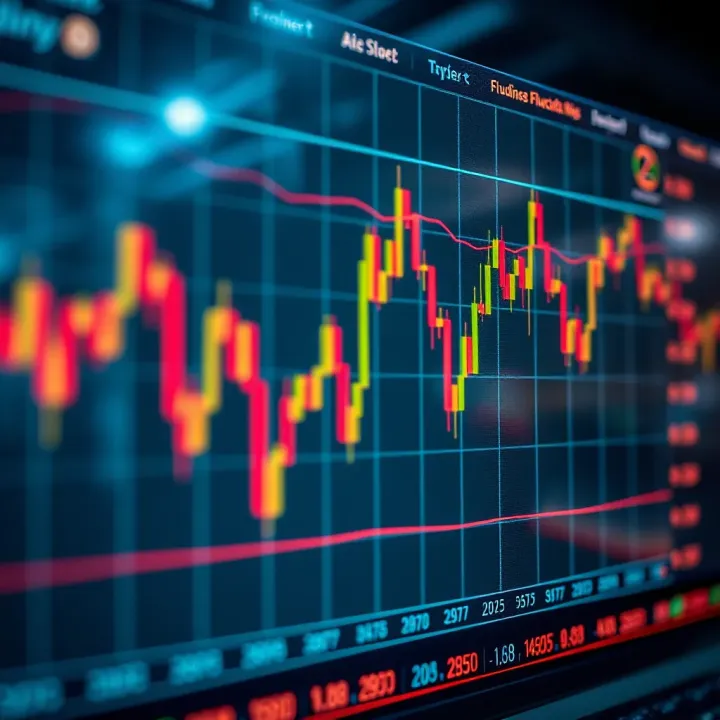
Good charting software can turn a novice into a more confident trader. It helps visualise price action and spot trends or reversals. Local traders often use basic indicators like moving averages or Relative Strength Index (RSI), but more advanced ones like Fibonacci retracements can also offer valuable insights. These tools equip you to make better-informed decisions, rather than guessing blindly. Most trading platforms include these features free of charge, so there’s no need to buy expensive software at the outset.
Staying updated is vital, especially since economic announcements can send the rand on wild rides. Using news apps and economic calendars from reputable sources helps you track events like SARB interest rate decisions or US jobs data. For instance, if the South African Reserve Bank (SARB) signals a rate hike, the rand often strengthens, but this effect might fade quickly. Knowing when these announcements happen means you can prepare to enter or exit trades wisely, avoiding sudden shocks.
Before risking real money, test your strategies on demo accounts offered by brokers. These accounts simulate real market conditions using virtual funds, so you can practise without pressure. For example, a trader might try scalping the rand-dollar pair on demo first to see how quick decisions play out. This builds skills and confidence, helping you understand the platform and market behaviour without losing capital. Most South African brokers provide demo accounts for free, so take advantage and practise consistently.
Starting well is often the difference between a successful forex trader and one who burns out quickly. Careful preparation and the right tools lay the groundwork for steady progress.
Developing a solid trading strategy is vital if you want to make consistent gains in forex trading. Strategies help you understand when to enter or exit the market and manage risk effectively. Without them, trading becomes guesswork, which often leads to losses. For South African traders, building strategies that consider both global trends and local economic factors can make a noticeable difference.
Economic reports such as unemployment figures, GDP growth rates, and trade balances shape currency values daily. For instance, when the South African Reserve Bank (SARB) releases inflation data that exceeds expectations, the rand can weaken as traders anticipate interest rate hikes. Staying aware of scheduled announcements through economic calendars helps you avoid surprises and spot opportunities early.
Interest rates are like a magnet for capital flows; higher rates tend to attract investment, strengthening a currency. SARB's decisions on the repo rate directly influence the rand's value. If inflation rises sharply beyond SARB’s target band, the bank might raise rates, making the rand more appealing. Conversely, persistent low rates with high inflation often weaken the currency, presenting short-selling opportunities.
South Africa's reliance on commodity exports, such as gold and platinum, means global prices affect the rand. A drop in metal prices often triggers rand depreciation. Additionally, political events, like changes in government policy or national strikes, can cause volatility. Understanding this interplay enables traders to anticipate rand moves better.
Support and resistance form the backbone of technical trading. These are price levels where buying or selling pressure traditionally builds, causing prices to bounce or stall. For example, if the rand/USD pair consistently bounces off R15.00 per dollar, that level acts as support. Traders often set buy orders near support and sell near resistance to capture predictable price swings.
Patterns such as head and shoulders, double bottoms, or triangles signal potential trend reversals or continuations. Spotting a double bottom on a USD/ZAR chart might hint at rising rand strength ahead. Recognising these shapes early helps traders position themselves before a significant price move.
Moving averages smooth out price data to identify trends. A simple moving average crossover (e.g., 50-day crossing above 200-day) is a common buy signal. Oscillators like the Relative Strength Index (RSI) warn of overbought or oversold conditions. For instance, an RSI above 70 suggests a currency pair is overbought, signalling a possible pullback.
Trading solely on quick price moves without considering the bigger picture can backfire. Long-term traders might hold rand positions based on South Africa’s economic outlook, while short-term traders react to daily news or chart signals. Combining these views helps keep trades aligned with both immediate market behaviour and fundamental trends.
Forex markets shift rapidly—what works in a calm, trending market can fail in volatile or range-bound conditions. For example, during Eskom-related rand crashes, volatility spikes and trend-following strategies might give false signals. Adapting your approach, such as tightening stop-loss orders or reducing position size, helps protect your capital.
Before risking real money, testing your strategy on historical data helps identify strengths and weaknesses. For South African traders, backtesting using rand pairs during different economic cycles, including load shedding periods, provides insight into how strategies perform under local stresses. This practice builds confidence and can save you from costly mistakes.
A well-rounded forex strategy combines fundamental insight and technical tools, tailored to South Africa’s unique economic landscape. Crafting and refining such strategies can turn trading from a guessing game into a disciplined approach with a clear edge.
Managing risk stands out as one of the most critical skills for any forex trader, especially given how unpredictable the currency markets can be. Without effective risk management, even the best strategies can quickly drain your capital. In South Africa, where traders must also factor in local economic shocks and global influences on the rand, protecting your capital isn’t just wise—it’s essential for long-term survival.
Setting stop-loss and take-profit levels is your first line of defence against major losses. A stop-loss order automatically closes your trade once it reaches a specified loss, protecting you from unexpected market swings. For example, if you buy USD/ZAR at 18.50, you might set a stop-loss at 18.30 to cap your loss. Take-profit works the other way, locking in gains when the price hits your target. These tools let you trade without having to watch the markets constantly—vital for those juggling work or other commitments.
Using position sizing to control exposure means deciding how much of your capital to risk on a single trade. If your account holds R10,000 and you don’t want to risk more than 2% per trade, your max loss target would be R200. With stop-loss set, position sizing ensures you don’t overcommit, balancing risk across trades. This approach helps ensure you stay in the game long enough to learn and improve.
Avoiding emotional decision-making is easier said than done but crucial for success. Fear and greed often trigger rash trades or premature exits. For instance, in volatile moments when the rand dips unexpectedly, it’s tempting to close trades out of panic. Sticking to your strategy and predefined risk limits reduces impulsive moves. Many South African traders find keeping a journal helps track emotions and patterns, building better discipline over time.
Adjusting for news-driven market swings is key, particularly with the rand, which responds sharply to local events like rand weakness when Eskom announces load-shedding or surprise budget news from Treasury. Traders often avoid opening new positions just before major data releases or adjust their stop-losses wider to accommodate sudden moves, reducing the risk of being stopped out prematurely.
Using trailing stops to lock in profits can protect gains as the market moves favourably. This dynamic stop-loss moves along with the price, so if USD/ZAR climbs from 18.50 to 18.80, your trailing stop might follow at 18.65, ensuring you keep some profit even if the price reverses. It lets you ride trends with more confidence, crucial in a market that can turn on a dime.
Understanding slippage and how to manage it matters when markets jump suddenly. Slippage occurs when your order executes at a worse price than expected. In South Africa, this often happens during volatile periods or low liquidity hours. Avoiding market orders during major news releases or employing limit orders where possible can reduce slippage risk. Knowing this helps you set realistic expectations on trade execution rather than getting caught off guard.
Effective risk management isn't just a set of rules—it’s what keeps your trading journey sustainable through the rand’s ups and downs and shifting global conditions. Taking these steps seriously will help turn forex trading from a risky gamble into a steady pursuit with more control over your financial future.
Beginning your forex trading journey locally means understanding some practical hurdles and unique opportunities tied to South Africa’s financial landscape. Opening and funding your trading account involves navigating local banks, adhering to national compliance rules like RICA and FICA, and deciding which payment method suits your needs best. These factors can directly impact how swiftly and safely you get your money moving into trades.
When it comes to local banking options, it pays to know that major banks like FNB, Standard Bank, and Absa offer various ways to transfer funds to your broker’s account. Electronic funds transfers (EFTs) are typical and usually clear within 24 to 48 hours. However, if you use smaller banks or digital-only services like TymeBank, check if they support instant or faster payments, as this can reduce waiting times.
Remember: Some brokers accept South African credit or debit cards, but those might attract higher fees or currency conversion costs. Choosing the right payment method is key to managing costs.
Understanding RICA (Regulation of Interception of Communications and Provision of Communication-Related Information Act) and FICA (Financial Intelligence Centre Act) compliance is crucial. Brokers operating in South Africa must verify your identity to comply with these laws designed to prevent fraud and money laundering. That means you’ll need to provide a valid South African ID or passport, proof of residence, and sometimes a bank statement. Having these documents ready makes the account opening smoother and faster.
Funding your account can happen via prepaid or credit methods. With prepaid funding, you deposit funds into your trading account beforehand, giving you clearer visibility on what you can risk. On the other hand, credit funding lets you trade on margin or leverage, borrowing funds from the broker—but this also increases risk and requires a disciplined approach. For beginners, prepaid methods often provide better control until you’re comfortable managing leveraged positions.
A simple but powerful habit for any trader is keeping a trading journal. Notes on every trade, including entry points, reasons for the trade, and outcomes, help you spot strengths and weaknesses over time. Think of it as your own performance review that keeps you accountable and sharpens decision-making.
Learning from both wins and losses forms the backbone of progress. For example, if a particular strategy regularly trips you up during volatile rand sessions, your journal will reveal this pattern. With that insight, you can adjust or avoid certain trades, improving your edge.
Staying updated with global and South African market news can’t be overstated. Exchange rates respond to everything from SARB’s interest rate decisions to US inflation figures and geopolitical events. Following credible sources, such as the South African Reserve Bank (SARB) and reputable financial news outlets, helps you anticipate market moves rather than just reacting. Regularly checking economic calendars for key events will give you a heads-up on when to tighten risk controls.
Starting in forex trading within South Africa requires combining practical funding knowledge with disciplined habits and informed awareness. This foundation sets you up to trade more confidently against the backdrop of both local and global markets.
Explore top forex trading platforms in South Africa 🇿🇦, compare fees and features, learn about payment options & compliance for safer trading 🏦💻.

Looking for the right South African bank for forex trading? ⚖️ Discover key criteria, costs, top banks & tips to manage your forex accounts confidently in RSA.

🌍 Discover how forex trading opens doors to global markets, offers high liquidity, 24/7 access, and profit potential while fitting into South Africa’s financial landscape.

Learn the fundamentals of forex trading 🇿🇦, from market basics and risk management to choosing brokers and strategies tailored for South African traders 📉💹.
Based on 11 reviews