

Understanding Forex Trading Groups and Their Benefits
📈 Discover how forex trading groups operate in South Africa, their benefits for sharing market tips, strategies, and risks to watch out for in the forex world.
Edited By
Sophie Bennett
Mobile trading apps have reshaped how South Africans engage with the financial markets. No longer tied to desktop computers or trading floors, investors and traders can now monitor portfolios, place orders, and access market data straight from their smartphones or tablets. This mobility brings the stock exchange, forex, or cryptocurrency markets right into your pocket, making trading more flexible and accessible.
Trading apps work by connecting users through secure servers to their brokerage accounts and the wider financial markets. When you use a mobile trading app, your instructions—whether it’s to buy, sell, or set alerts—are transmitted instantly to your broker, which then executes the trades on your behalf. The apps usually provide real-time price updates, charts, and news feeds that help you make timely decisions.

In South Africa, popular trading apps like EasyEquities and FNB Share Investing have made it easier and cheaper for everyday investors to participate. These platforms are tailored to local regulations, tax considerations, and the specific needs of South African users. That means you get features like integration with your bank accounts, South African Revenue Service (SARS)-compatible documentation, and notifications timed for the Johannesburg Stock Exchange (JSE) trading hours.
Mobile trading apps empower investors to respond swiftly to market movements, especially amid the volatility that can hit emerging markets like South Africa’s.
Some key functions to expect in these apps include:
Portfolio overview: Track all your investments in one place, with updates on value and performance.
Market data: Access latest share prices, indices, and currency rates relevant locally and internationally.
Order execution: Place market or limit orders and view order history easily.
Research tools: Charts, news, and expert analysis that help inform decisions.
Alerts and notifications: Customisable signals for price changes or market developments.
Using these apps means you can trade while commuting on the Gautrain, waiting in a shop queue, or chilling on your stoep. But it also comes with risks. A distracted tap or poor network connection can lead to costly mistakes. Safe use includes locking your device, using reputable apps, and confirming trades carefully.
In the South African context, mobile trading apps democratise market access – no longer only the realm of city experts or wealthy investors. Yet, knowledge and vigilance remain your best trades.
Mobile trading apps have reshaped how South Africans approach investing. These apps put the markets in the palm of your hand, allowing for instant access and greater flexibility than traditional trading methods. For many, this means no longer needing to sit at a desktop or rely on broker calls — you’re able to check prices, make trades, or monitor your portfolio on the go. That convenience is especially relevant when factoring in the country’s frequent loadshedding, which can disrupt access to desktop setups.
Beyond convenience, these apps serve as entry points for new investors, lowering traditional barriers such as high fees or minimum account sizes. The immediacy also means you can react quickly to local or global news, like SARB interest rate changes or political developments that affect the JSE.
Definition and purpose
A mobile trading app is a software application designed to let users buy, sell, and manage financial assets directly from their smartphone or tablet. Its main purpose is to replace the need for phone orders or desktop-only platforms, streamlining the investment process onto a device that’s always within reach. For example, platforms like EasyEquities cater specifically to South African users, simplifying investments in both local shares and international ETFs.
Types of trading apps available in South Africa
There are several types of mobile trading apps tailored to different needs. Some focus purely on equities trading on the Johannesburg Stock Exchange (JSE), like Standard Bank’s Webtrader. Others, such as FNB’s Share Investing app, provide access to a wider variety of instruments including bonds, ETFs, and unit trusts. Then you have more comprehensive apps, like those from international brokers with a South African presence, offering forex and commodities trading alongside shares.
Connecting to brokers and financial markets
At the core, a mobile trading app acts as the user interface, connecting your orders to a broker who executes trades on your behalf at the relevant exchanges. When you place a trade, the app sends your request securely to the broker’s servers, which then communicate with the JSE or other markets. In South Africa, this process involves compliance with FSCA regulations, ensuring that brokers operate responsibly and protect client assets.
Execution of trades and real-time updates
One key advantage is speed. Trades placed through these apps can be executed within seconds during market hours, providing near-instant settlement updates. Real-time price feeds and market news embedded in the apps keep investors informed to make smarter decisions. For instance, a trader might catch sudden movement in Sasol shares and act immediately, all from their phone.
Security measures and data protection
Given the sensitive nature of financial data, mobile trading apps employ multiple layers of security. This usually includes encrypted connections (SSL/TLS), two-factor authentication, and biometric logins like fingerprint or facial recognition to prevent unauthorised access. South African users are wise to choose apps regulated by the FSCA, which demands strict adherence to data protection laws aligned with POPIA (Protection of Personal Information Act). Without these measures, account credentials and funds remain vulnerable to fraud or theft.
Mobile trading apps have transformed access to the markets, but understanding how they operate, their features, and security protocols is essential before diving in. This knowledge helps South African investors make confident, safer choices in a dynamic environment.
Mobile trading apps in South Africa pack a variety of features that can make or break your trading experience. Understanding these features upfront helps traders pick an app that suits their style and needs, whether you're a casual investor or an active day trader.
Navigation and design are the first things you’ll notice when opening any app. An intuitive layout isn’t just nice to have—it’s essential for quick decision-making during volatile market moments. Clear menus, responsive buttons, and logical flow reduce the risk of errors. For example, apps like FNB Share Investing use clean, uncluttered screens, ensuring you can place orders without hunting through confusing tabs.
Customisable dashboards and watchlists let you tailor the app to your trading preferences. Instead of searching for your favourite shares each time, you can set up a watchlist that displays their latest prices and trends immediately. This setup is particularly handy during earnings season or volatile periods when you want to keep a keen eye on specific stocks or shares listed on the JSE.
Market charts equipped with technical indicators are the trader’s bread and butter. They help anticipate price movements based on historical data. Top apps like EasyEquities provide candlestick charts, moving averages, and RSI (relative strength index) indicators, allowing you to analyse trends right on your phone. Without these, you’d struggle to make informed calls.
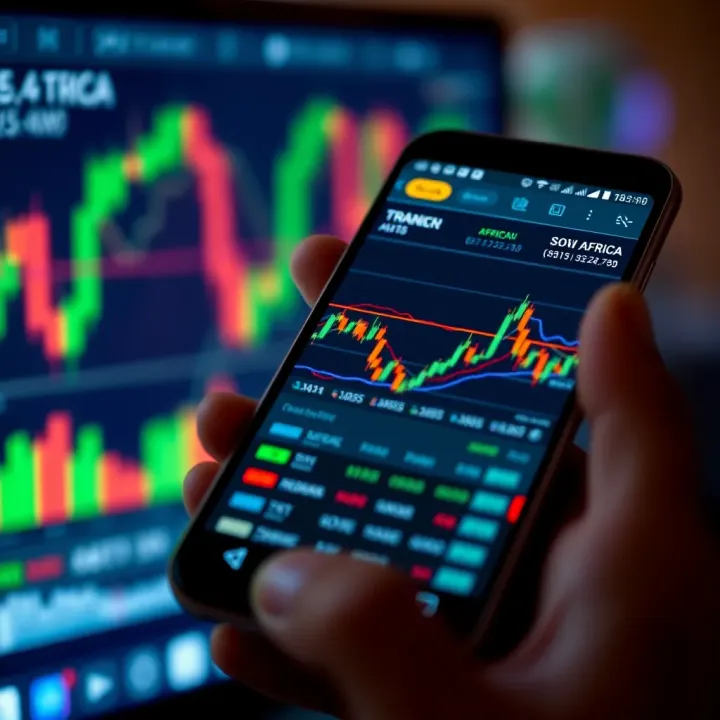
Accurate execution depends on understanding different order types. Market orders execute straight away at current prices, while limit orders let you specify the exact price you want to buy or sell. Stop-loss orders are a safety net, automatically selling your shares if prices fall below a set threshold, protecting you from deep losses. These options give you control over your risk, especially important when trading in South Africa’s sometimes unpredictable market influenced by factors like currency swings or political changes.
Price alerts and news updates keep you in the loop without constantly watching your screen. Imagine owning shares in a mining company—and you’re notified immediately when global commodity prices change. This timely info can mean the difference between cashing in profits or suffering losses. Many apps also provide local news relevant to your portfolio, such as changes in BEE legislation or SARB interest rate decisions.
Portfolio monitoring and performance tracking tools help you measure how your investments are doing over time. Beyond just looking at current value, these features break down gains, losses, dividends received, and fees paid. Some apps can even compare your returns against key indices like the Top 40 on the JSE, helping you gauge your performance realistically.
Keeping these features in mind will help you pick an app that’s not just functional, but one that actively supports your trading goals and adapts to South African market conditions.
Mobile trading apps have brought the stock market right onto your smartphone, making investing more accessible, efficient, and engaging for many South Africans. They cater especially well to the country's vast geography and patchy internet coverage by offering flexible access to financial markets. These apps remove many traditional barriers, letting users trade on their own time without needing a full desktop setup or broker intervention every time.
Trading anytime, anywhere lets you act when it matters most. Whether you’re in a traffic jam on the Gauteng highways or waiting in a long queue at the clinic, your phone can be your trading tool. This is particularly practical given Eskom's loadshedding schedules, which often disrupt power at home. With mobile apps, you can use backup data or connect via mobile networks to keep tabs on your portfolio and execute trades without delay.
Suitability for busy lifestyles is a major plus. Many South Africans juggle demanding jobs, family commitments, and other responsibilities. Mobile trading apps let them monitor the JSE or other markets during breaks, on public transport, or at a coffee spot without having to commit hours in front of a screen. The ability to quickly check or adjust investments fits naturally into a hectic day, supporting smarter financial decisions without needing to reorganise schedules.
Reduced commission fees have made a serious difference too. Traditional stockbrokers often charge high fees which discourage smaller investors. Many mobile trading platforms offer trading at a fraction of those costs, sometimes even zero-commission trades, lowering the entry barrier for everyday South Africans. This cost-saving encourages more frequent and smaller trades, allowing investors to build diversified portfolios gradually.
Access to fractional shares and micro-investments takes inclusion a step further. Rather than needing thousands of rands to buy whole shares, you can invest small amounts in expensive stocks like Naspers or Sasol. This spreads investment risk and allows novice investors to learn and engage with the market without large upfront sums. It’s a practical way to start wealth building on a budget.
Real-time data and news feeds keep you informed on local and global market moves instantly. Apps push notifications about market swings or relevant economic news affecting South African stocks, helping traders stay ahead. For instance, during major events like the SARB interest rate announcements or political developments affecting the rand, getting speedy updates is a huge advantage.
Educational resources offered by apps also boost investor confidence. Many platforms provide beginner guides, webinars, and in-app tools to understand technical indicators or market trends. This support helps South Africans improve their trading skills and make more informed investment choices instead of going in blind. Continuous learning through the app encourages better decision-making and long-term success.
Mobile trading apps aren’t just tools — they’re gateways helping South Africans of all levels to participate meaningfully in the financial markets, on terms that suit their daily lives and budgets.
Trading on mobile apps brings a lot of potential, but it also has its share of challenges and risks. These can directly impact your trading outcomes and financial security, especially in South Africa where technical and security issues are often felt more acutely. Understanding these risks helps you trade smarter and protect your assets.
Protection against hacking and scams is a major concern for anyone trading on mobile. Traders often connect over public networks or use shared devices, which leaves room for hackers to intercept data or steal credentials. Phishing attempts via fake apps or SMS messages pretending to be from banks or brokers are common. For example, some scammers mimic Vodacom’s USSD codes to steal personal information. Safeguarding your login details and avoiding unfamiliar links is a must.
Importance of using trusted apps cannot be overstated. Not all trading apps available in the South African market meet strict security standards. Using unvetted apps can lead to data breaches or financial loss. Stick to apps offered by well-known brokers regulated by the Financial Sector Conduct Authority (FSCA). These apps regularly update security patches and implement strong encryption, providing an extra layer of safety.
Impact of unreliable mobile data and loadshedding can disrupt your trading activities. South Africans often face sudden load-shedding stages affecting network towers and internet speed. Trading requires real-time price updates and fast order execution; any lag can mean missing critical market movements. If you rely solely on mobile data, you may experience patchy connectivity just when you need to place or adjust trades.
App crashes and delays in trade execution are other technical hurdles to watch out for. Mobile apps may freeze or crash unexpectedly, especially on older devices or outdated software. These glitches can delay your trades or cause orders to be cancelled without your knowledge. A delay of even a few seconds during volatile markets can cost you dearly. Testing apps during slower trading periods and ensuring your device is updated can help reduce this risk.
Risks of impulsive trades rise significantly with mobile trading. The convenience of carrying the market in your pocket tempts many to react impulsively to sudden price shifts or trending news. For instance, some might chase a rapid share price drop without proper analysis, leading to unnecessary losses. The lack of a calm, structured trading environment can fuel emotional decisions.
Managing discipline while trading on the go is essential for long-term success. Set clear trading plans and avoid reacting hastily when distracted or fatigued. Use app features like setting limit orders or alerts to enforce discipline. Taking regular breaks away from the phone and reviewing trades after market close are good habits to build resistance against emotional impulses.
Being aware of these challenges and planning around them helps you use mobile trading apps more effectively and safely within the South African context.
Choosing the right mobile trading app is vital for South African investors because it directly affects trading efficiency, security, and costs. With various platforms available, each offering different features and fee structures, making a well-informed decision can save you from unnecessary expenses and frustration. The right app will also align with your trading style, offer reliable service during peak activity like earnings season or volatile markets, and comply with local regulations.
South Africans should always check if their broker is regulated by the Financial Sector Conduct Authority (FSCA). This authority sets rules to protect investors from fraud and malpractice. Using a platform without FSCA approval can expose you to risks, including loss of funds and poor customer recourse options. For example, a local broker like EasyEquities is FSCA-registered and thus offers more trustworthiness compared to some offshore platforms.
Besides regulation, user reviews provide practical insight into how a broker performs day-to-day. Feedback on app stability, customer service responsiveness, and ease of deposits or withdrawals can reveal issues not clear from marketing materials. Don’t just rely on star ratings; read a few detailed reviews from fellow South African traders to get a balanced picture.
Most South African traders use either Android or iOS devices, so your app must support your operating system smoothly. Some apps function better on one platform or offer more features on iOS, for instance. If you’re using an older smartphone, it’s smart to check if the app requires recent OS versions to avoid compatibility headaches.
Your trading style shapes which tools you need. Day traders might look for apps with fast execution and advanced charting tools, while passive investors may prefer straightforward portfolio tracking and automated investing features. For example, an app like FNB’s Stockbroking offers a simple interface suited to beginners, while MTN’s online trading partners sometimes provide more technical analysis tools.
Commission rates vary widely—some apps charge per trade, others include spreads or monthly fees. Hidden charges like withdrawal fees or inactivity penalties can also add up. For a South African investor, platforms such as Standard Bank Online Share Trading often have clear fee tables, but less transparent providers may surprise you with additional costs.
Account minimums prove especially relevant if you’re starting on a tight budget. Some apps demand minimum deposits of several thousand rand, potentially locking out smaller investors. Withdrawal conditions, such as how quickly you can access funds or limits on transfers, also differ. It’s worth confirming if you can move your money effortlessly without costly delays or penalties.
Taking the time to assess these practical aspects ensures your chosen app suits your needs, stays safe under FSCA regulation, and avoids unnecessary costs that erode your profits.
Starting with mobile trading apps can be overwhelming without clear guidance. This section highlights practical tips that help you build solid foundations and avoid common pitfalls. From setting realistic goals to protecting your data and managing costs, applying these strategies can make your trading experience smoother and more rewarding.
Defining your investment timeline and risk tolerance begins with understanding how long you plan to keep your money invested and how much risk you can stomach. If you’re planning for a short-term goal, say buying a car in two years, you’d want safer investments to protect your capital. Longer timelines, such as saving for retirement over 20 years, allow room for more aggressive choices that can yield higher returns but also come with bigger swings. Reflecting on your risk tolerance also means considering financial responsibilities, job stability, and how comfortable you are with market ups and downs.
Using demo accounts to practice gives you a safe space to learn without risking real money. Many South African trading apps offer simulated trading environments where you can test strategies and get familiar with the platform. For instance, before going live on a popular app like EasyEquities, trying out its demo lets you experience placing trades, setting stop losses, and tracking the market in real time. This hands-on approach helps sharpen your skills, build confidence and spot mistakes before they cost you.
Using strong passwords and two-factor authentication (2FA) is non-negotiable in mobile trading. A strong password combines letters, numbers, and symbols, making it tough to guess. Adding 2FA means logging in requires a second step, like entering a code sent to your cellphone. This double layer cuts down the risk of hacking, which remains a real threat given the sensitive financial data and access involved.
Avoiding public Wi-Fi when trading protects you from data theft. Public networks, like those at a café or library, are often unsecured and make it easier for cybercriminals to intercept your login details. Instead, trade through your mobile data connection or a trusted home network. If you must use public Wi-Fi, consider a Virtual Private Network (VPN) to encrypt your data and keep your information under wraps.
Monitoring transactional fees ensures you don’t bleed money through hidden charges. Look at how much your app or broker charges per trade, withdrawal fees, or inactivity penalties. Over time, these can add up, especially if you trade frequently or with smaller amounts. For example, some South African brokers charge a flat fee, while others use a percentage of trade value. Knowing this helps you choose an app that suits your trading style and budget.
Keeping up with local market developments and News24 updates gives you a competitive edge. South African markets are influenced by factors like currency fluctuations, commodity prices, and political events. Staying informed means you can react swiftly to news that impacts your investments. Using apps that integrate news feeds or checking reliable sources regularly helps you make better decisions, rather than guessing or relying on outdated info.
Setting clear goals, safeguarding your accounts, and staying sharp on costs and news not only protect your trading capital but boost your chances of success when using mobile trading apps in South Africa.
📈 Discover how forex trading groups operate in South Africa, their benefits for sharing market tips, strategies, and risks to watch out for in the forex world.
Looking for the best forex trading app in South Africa? 📈 Discover key features, safety tips, costs, and practical advice to start and manage risks confidently.
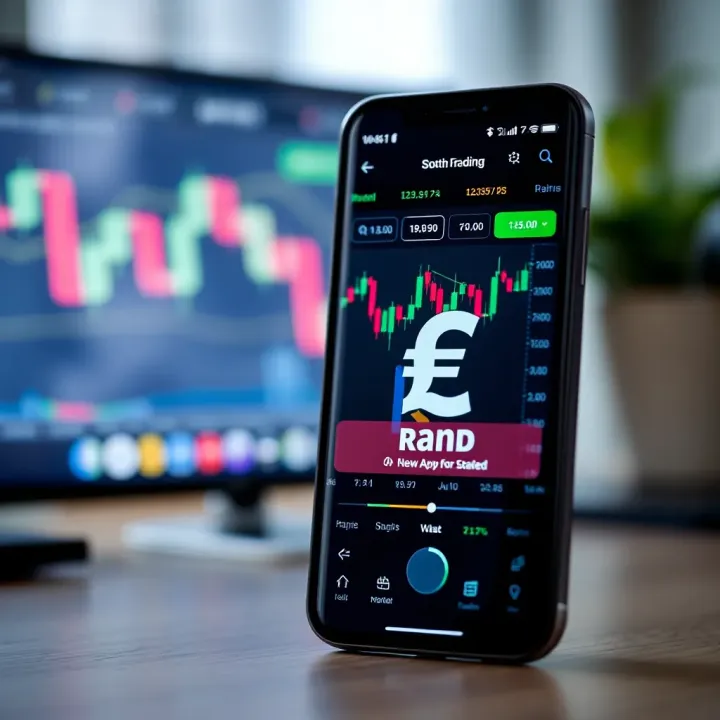
📱 Explore the best trading apps tailored for South Africans! Compare fees in rand, local market access, user-friendly features, security, & reliable support. Start trading smarter today!
📈 Discover top binary trading strategies for South African traders including smart risk management, market analysis, and tips to thrive in shifting markets. 🇿🇦
Based on 11 reviews