

Understanding Risk Management Frameworks in Practice
📊 Learn how risk management frameworks help South African businesses spot and control risks with practical steps, industry tips, and useful PDF templates.
Edited By
Grace Thompson
Managing project risks effectively can make or break your project's success. Project risk management involves identifying potential problems before they occur, assessing their impact, and taking steps to control or reduce those risks. In sectors like finance, construction, or IT—where uncertainty is the norm—this approach is indispensable.
Imagine a property development where unpredictable delays in obtaining municipal approvals can stall progress. Without a risk plan, costs inflate and timelines slip. But with a solid risk framework, the team spots this early and develops contingency steps: liaise with the local council regularly, budget for overruns, and adjust schedules proactively.
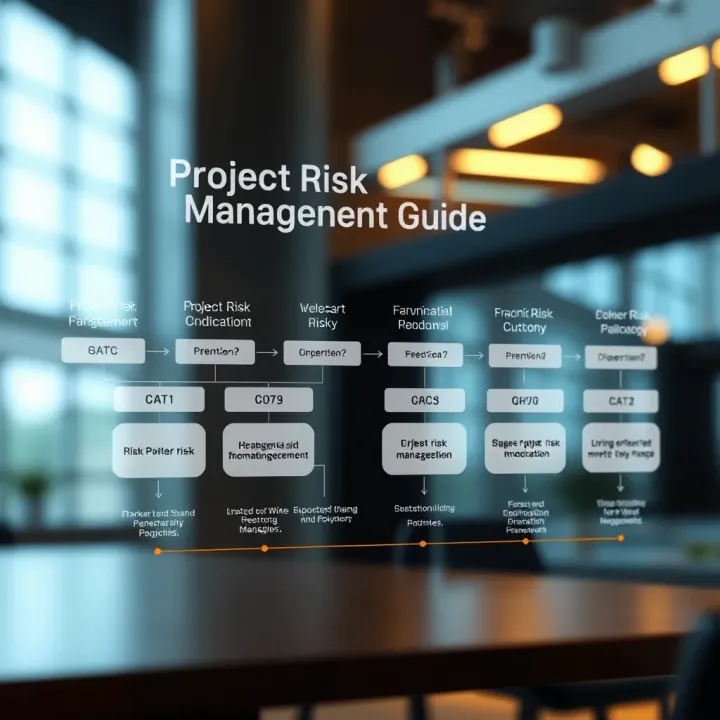
Project risk management hinges on clear processes. The most common steps include:
Identification: Gather the team to list potential risks affecting scope, budget, timeline, or quality.
Assessment: Rank these risks by likelihood and impact to prioritise focus.
Response planning: Decide whether to avoid, transfer, mitigate, or accept each risk.
Monitoring: Track risks continuously and adjust strategies where relevant.
A good risk management plan turns unknowns into manageable variables, helping teams avoid nasty surprises.
To improve efficiency, many project managers use PDFs as handy resources. These documents provide ready-made templates for risk registers, assessment matrices, and action plans. Having these on hand means you can quickly record, analyse, and communicate risks without starting from scratch.
Locally, South African teams face unique challenges—such as the ripple effects of Eskom’s loadshedding or shifting exchange rate impacts on imports. Tailoring risk tools to your context, by including specific factors like supply chain interruptions or regulatory changes, makes the process more relevant and reliable.
In short, the key to practical project risk management is to treat it as an ongoing effort, not a one-time formality. Use proven methods, keep an eye on your project’s changing environment, and equip yourself with accessible tools like PDFs to keep your risk responses sharp and your projects on track.
Grasping project risk management is fundamental for anyone involved in coordinating or overseeing projects. It boils down to identifying potential problems before they occur and putting measures in place to deal with them. Instead of flying blind, project leaders can steer their teams with better foresight, saving both time and money.
Types of project risks vary widely, from technical hiccups like software bugs in an IT project, to resource constraints such as budget cuts or losing key staff. There are also external risks like supplier delays or regulatory changes that can throw a spanner in the works. Understanding these categories helps teams prepare specific responses rather than generic or reactionary ones.
Risk versus issues often confuse folks new to project management. A risk is a potential problem that hasn’t happened yet, while an issue is a problem already on the table needing immediate attention. For example, suspecting that a delivery might be late based on supplier performance is a risk; the actual late delivery is an issue. Keeping this distinction clear prevents teams from wasting effort on firefighting risks that have yet to materialise.
The impact on project success can be significant if risks aren’t managed well. Even a simple project can experience delays or budget overruns if risks like poor stakeholder communication or inadequate testing go unchecked. In large-scale endeavours, ignoring risks often leads to cascading problems, affecting everything from quality to ultimate client satisfaction.
The benefits of risk management include improved decision-making and resource allocation. Anticipating risks allows project managers to prioritise efforts where they matter most, reducing waste. It also enhances team confidence; knowing there’s a plan for potential problems means less panic when things don’t go according to plan.
Ignoring risks can have serious consequences. Projects can balloon in cost, drag beyond deadlines, or even fail completely. For example, a construction project in Johannesburg stalled because not enough attention was paid to geological surveys — the oversight delayed excavation and doubled costs. The fallout wasn’t just financial; client trust was damaged too.
Proper risk management isn't just bureaucracy—it's a practical way to keep your project on track and avoid nasty surprises. Without it, you’re gambling with resources and reputation.
By understanding the types of risks, clearly distinguishing risks from issues, and recognising the impact on project outcomes, project teams can work smarter. Careful risk management routinely proves its worth, especially in the variable conditions of South African business environments, where external factors often add pressure.
Project risk management relies on a set of core processes that guide teams through identifying, analysing, responding to, and monitoring risks. These processes ensure that uncertainties are handled systematically instead of reacting to problems only when they arise. For traders, investors, and analysts, grasping these processes improves decision-making and protects projects from costly surprises.
Brainstorming and checklists provide straightforward ways to spot potential risks early on. Brainstorming sessions bring together team members and stakeholders to openly discuss what might go wrong, often revealing less obvious threats. For example, in a property development project, brainstorming might uncover risks related to municipal approvals or community protests. Checklists, meanwhile, are handy reminders of common risks based on previous projects — they help ensure you don’t overlook basic concerns such as budget overruns or supplier delays.
Expert interviews tap into specialised knowledge that might not appear in general assessments. Interviewing subject-matter experts—whether engineers, market analysts, or legal advisors—can shed light on technical or regulatory challenges affecting a project. For instance, speaking with an environmental specialist could reveal risks linked to new land use legislation that the project team has missed.
Risk registers serve as a central document where all identified risks are logged with their details. This register is vital for keeping track of risks, their potential impacts, and the planned responses. It acts as the backbone of risk management communication among teams, especially during handovers or project reviews. Without this clear record, risks tend to slip through the cracks.
Qualitative assessment methods involve categorising risks based on their likelihood and impact using descriptive scales such as high, medium, or low. These methods are quick and intuitive, helping teams prioritise risks without needing complex data. For example, a supply delay might be labelled as high impact but medium likelihood, guiding the team to prepare contingency measures.

Quantitative risk analysis uses numerical data and models to estimate risk probabilities and potential losses. Techniques like Monte Carlo simulation or decision tree analysis provide measurable insights into risk exposure. Investors often employ these methods to approximate financial impacts, helping them decide how much capital to allocate as a risk buffer.
Prioritising risks is essential because not all risks demand equal attention or resources. By ranking risks based on their assessed severity, teams focus on the ones that could cause the most disruption. For example, a power outage risk would take priority over a minor vendor delay, especially during the Eskom load shedding periods common in South Africa.
Avoidance, mitigation, acceptance are strategic options for dealing with risks. Avoidance means changing the project to sidestep a risk entirely, like selecting a different supplier with a stronger track record. Mitigation reduces the risk impact, such as building in time buffers for delivery. Acceptance acknowledges the risk but decides to move ahead, often when the cost of addressing it outweighs the potential damage.
Transfer and contingency plans deal with shifting or preparing for risks. Transferring risk might involve insurance or contracting out risky parts to specialists. Contingency plans are backup actions ready to deploy if a risk eventuates. For instance, a construction project might have a contingency plan to rent generators during a power failure caused by load shedding.
Tracking identified risks means continuously reviewing the status of known risks to see if their likelihood or impact changes. This dynamic approach avoids surprises and helps adjust plans. For example, fluctuating foreign exchange rates may require periodic reassessment for projects involving imports.
Detecting new risks is crucial because projects evolve, and new threats can surface at any stage. This might involve scanning regulatory updates, market changes, or technological shifts.
Adjusting response plans ensures that risk management stays relevant. If a mitigated risk grows worse, the project team must escalate their responses. Conversely, if risks become less threatening, resources can be reallocated. Keeping flexible plans saves time and money while improving project resilience.
Keeping all these core processes well integrated creates a proactive risk culture, which helps projects stay on course even when unexpected challenges arise.
Project risk management PDFs serve as practical tools that streamline how teams handle uncertainties throughout a project’s lifecycle. When used effectively, these documents not only save time but also improve the consistency and accuracy of risk management activities. For traders, analysts, investors, and brokers especially, having structured, ready-to-use PDFs can make a huge difference in tracking risks and avoiding costly mistakes.
Risk registers captured in PDF templates are foundational to organised risk management. These templates standardise how you log identified risks, their likelihood, potential impact, and assigned responsibilities. For example, a well-designed risk register PDF for an infrastructure project in Gauteng might include fields customized to local regulatory concerns or supply chain challenges, ensuring all team members document risks consistently.
Using these templates is especially helpful in maintaining uniformity across multiple projects or departments. Rather than creating a risk register from scratch, you simply update the template, which saves valuable time and reduces errors.
PDFs containing process guides and checklists provide step-by-step instructions ensuring no aspect of risk management gets overlooked. For instance, a checklist might guide an investor through the risk evaluation phase, prompting them to consider financial, operational, and market risks relevant to a South African context.
These guides offer clear structure, which benefits new risk managers or anyone adapting to a fast-changing environment. Plus, they promote best practices that keep projects on track and aligned with internal policies or external compliance requirements.
Case study PDFs give real-world insights by showcasing how other projects tackled similar risks. A practical example could be a documented case where a mining company mitigated supply delays caused by load shedding through alternative supplier arrangements and contingency planning.
Such best practice documents offer a valuable knowledge base that can inspire your own risk strategies, helping avoid common pitfalls and apply proven solutions. They serve as both learning tools and benchmarks for performance measurement.
It’s essential to tailor risk management PDFs to reflect the specific context of your project. For example, a small retail project in Cape Town will likely face different risks compared to a large construction scheme in Johannesburg. Adapting templates means adjusting language, risk categories, and evaluation criteria to fit local regulations, stakeholder expectations, and operational realities.
This approach ensures that risk documents remain relevant and actionable, rather than generic, which helps teams focus on the most pressing threats.
Effective risk management requires smooth communication. Sharing PDFs digitally within your team means everyone has access to the latest risk information, fostering transparency and quicker responses. Collaborative platforms like Microsoft Teams or SharePoint integrate well with PDFs, enabling version control and real-time updates.
Encouraging team members to provide feedback or flag new risks through shared documents keeps the risk register dynamic and reflective of on-the-ground realities.
Keeping risk PDFs up to date prevents outdated information from misleading decision-makers. Routine reviews – perhaps at key project milestones or monthly intervals – help teams adjust risk ratings or response plans as circumstances change.
For example, changes in Eskom’s loadshedding schedules might prompt a supplier risk reassessment in an industrial project. Regularly revising risk documents also supports audit trails and accountability, which are crucial for governance, especially in regulated sectors.
Using project risk management PDFs strategically enhances your ability to spot problems early, act decisively, and keep your projects aligned with your organisational goals.
Integrating these practical documents into your risk management routine will make the complex process more manageable and give your team a clear edge in reducing project uncertainty.
Every project carries its own set of hurdles, and risk management is no different. Addressing common challenges head-on is essential to preventing derailment and keeping projects on track. Practical solutions not only respond to these challenges but also improve the team’s ability to adapt as new risks emerge. For traders, investors, and analysts, recognising these pitfalls early can safeguard broader financial decisions linked to project outcomes.
Data quality checks are fundamental in risk management because decisions hinge on reliable information. Poor or incomplete data can skew risk assessments, causing underestimation of significant threats or the opposite—wasting resources on unlikely issues. Teams should routinely verify data sources, cross-check figures, and validate assumptions before integrating them into risk registers. For example, if a construction project’s cost forecasts lack updated vendor pricing, risk responses based on outdated rates may mislead budgeting decisions.
When hard data is lacking, using expert judgement bridges the gap. Experts with relevant industry experience can fill in blanks by applying informed intuition and contextual knowledge. This approach is especially valuable in emerging sectors where historical data is scarce. Expert input should be documented clearly and revisited regularly to refine estimates as more information becomes available. South African infrastructure projects often rely on expert insights to account for local variables like supplier reliability or regulatory changes.
Communicating risk effectively underpins successful project delivery. Clear communication strategies involve not just reporting risks but ensuring all parties understand the potential impact and proposed actions. Visual aids like simplified risk heat maps or scenario analyses can help stakeholders connect complex data to real-world consequences. For instance, a financial services project might use these tools to explain how currency fluctuations could affect returns.
Besides communication, it’s vital to align risk appetite and project goals. Stakeholders vary in their tolerance for uncertainty, and misalignment can lead to friction or unrealistic targets. Establishing risk appetite at the project outset sets boundaries for response strategies and investment choices. Consider a mining exploration venture: investors may accept higher risk for potential big payoffs, whereas operational managers might prefer conservative approaches to avoid delays. Balancing these views helps prevent conflicts down the line.
Risk processes that work for a small app development sprint might drown a multi-year infrastructure scheme. Simple versus complex projects demand different risk handling levels. Small projects typically focus on a handful of key risks with straightforward responses, while larger ventures require layered analysis and multiple response plans. Overcomplicating small projects wastes time, while oversimplifying complex ones opens blind spots.
Therefore, scalable risk processes are critical. Using modular templates and adaptable tools ensures risk management can flex according to project scope. For example, a risk register might start as a basic spreadsheet for a small initiative but evolve into integrated software tracking dozens of interdependent risks on a large construction site. South African companies often adjust their frameworks depending on project value and stakeholder mix to keep risk manageable without losing sight of detail.
Effective risk management hinges on practicality: recognizing common roadblocks and tackling them with clear, adaptable strategies separates successful projects from costly failures.
Having the right tools and resources can make all the difference when managing project risks. They help teams stay organised, assess uncertainties properly, and respond effectively. Without efficient tools, even the best risk management strategies risk falling apart in the face of complex or shifting project demands.
Popular project management platforms like Microsoft Project, Asana, or Trello offer built-in risk tracking features that allow teams to log potential problems alongside task lists and schedules. In practice, these platforms help stakeholders see where risks might impact deadlines or budgets and keep relevant data on hand without juggling multiple systems. For example, project managers using Microsoft Project can set risk flags directly on tasks, providing clear visibility to team members and sponsors.
On the other hand, dedicated risk analysis software such as @RISK or Risk Register focuses specifically on identifying, analysing, and prioritising risks with advanced tools like Monte Carlo simulations or risk matrixes. These solutions suit projects where risks are complex or high-impact, such as large infrastructure developments or financial trading platforms. Using dedicated software can reveal hidden risks and better quantify their potential effects, allowing for more informed decisions.
Government and industry bodies often provide authoritative risk management PDFs and templates tailored to local compliance and standards. For South African projects, platforms like the South African National Treasury or the CSIR publish practical guides and templates aligned with regulatory expectations. Using these resources helps ensure your risk management aligns with legal frameworks and best practice.
Professional organisations such as the Project Management Institute (PMI South Africa Chapter) or the Risk Management South Africa Association produce valuable documentation, including checklists, case studies, and frameworks. These resources benefit practitioners by sharing common risks across industries and proven ways to handle them, based on collective experience.
Online communities and forums provide informal but rich sources of PDFs, templates, and advice. Platforms like LinkedIn groups, MyBroadband’s project management forums, or specialised Slack channels allow project teams to exchange templates customised for different sectors or company sizes. These real-world documents can save time and offer practical angles often missing in formal guides.
Good risk management isn't just about theory; it's about having the right tools to turn plans into action and the resources to stay ahead of the unexpected.
In short, combining commercial software with trusted PDFs and templates from reputable users or organisations creates a solid foundation for handling project risks effectively and transparently.
📊 Learn how risk management frameworks help South African businesses spot and control risks with practical steps, industry tips, and useful PDF templates.

📘 Learn enterprise risk management essentials and access trusted PDF guides tailored for South African businesses. Practical tips for local ERM success included.
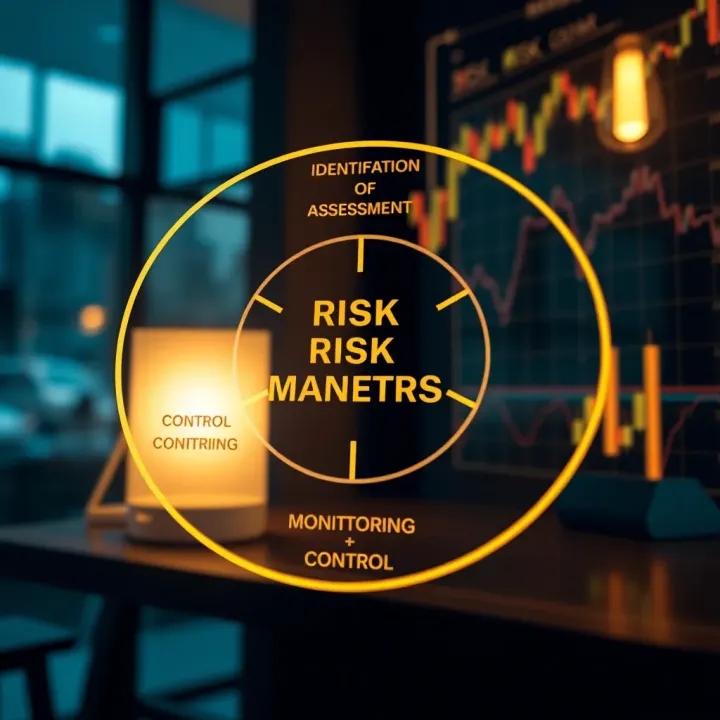
🛡️ Explore key risk management principles, identify common business risks, and learn practical strategies and tools tailored for South African organisations and compliance.

Explore how risk management identifies, assesses, and handles potential threats to protect assets and improve business decisions 💼🔍📊 in South Africa.
Based on 12 reviews